
Your Fixer Upper Came With a Hidden Cash Stash
You’re renovating an old, abandoned house—dust everywhere, surprises around every corner. Then you pry up a few boards and… there it is. Stacks of cash. Lots of it. Real money. No note, no owner, no explanation. So now the question hits fast… do you keep it, or report it?

So… Who Does That Money Actually Belong To?
In many cases, it might legally be yours. If the home was abandoned and you purchased it, anything left behind—including hidden cash—can transfer with the property. But is it really that simple?

The Key Detail: You Bought the Property
Because you legally purchased the home, you now own the structure and what’s inside it. That includes items hidden in walls or floors—especially if no prior owner is claiming them. But there's more to it than that.

This Falls Into “Found Property” Law
Cash discovered like this is usually treated as “found property.” Laws vary, but generally, if the original owner is unknown and can’t be located, the finder may have a claim. But what if someone comes looking?

What If the Previous Owner Is Unknown?
That actually works in your favor. If the home was abandoned and ownership history is unclear, there’s usually no one to claim the money. Still… that doesn’t mean you can skip a few important steps.

Do You Have to Report It?
Sometimes, yes. In certain places, large amounts of found cash must be reported to local authorities. This allows time for a rightful owner—if one exists—to come forward. But what happens if you stay quiet?

Why Reporting Might Be Required
Authorities want to ensure the money isn’t tied to theft, crime, or missing property. Reporting protects you from accidentally possessing something illegal. Because what if this money has a past? Believe it or not, large stacks of cash often come with a story.

What Happens If You Don’t Report It?
This is where things get risky. If the money is later connected to a crime or someone claims it, you could face legal trouble. Suddenly, your lucky find doesn’t look so lucky anymore.
But keeping quiet has its downfalls, too.

Could You Get in Trouble Just for Keeping It?
Possibly. If laws require reporting and you skip that step, it could be considered unlawful possession. Even if your intentions were innocent… the law might not see it that way. And this law changes by state, so it's important to do some research.

What Happens When You Do Report It?
Typically, authorities will document the find and may hold the money for a set period. If no one claims it, it could be returned to you. So… reporting it doesn’t mean losing it forever.

Is There a Waiting Period?
Yes, often there is. Depending on local laws, authorities may hold the funds for weeks or even months. If no valid claim is made, the money may legally become yours.
But if someone comes back later on, there's more to consider.

What If Someone Tries to Claim It?
They’d usually need proof—like records, serial numbers, or credible evidence. Just saying “that’s mine” won’t cut it. And usually, cash in the floor boards is hidden for a reason. But what if someone actually can prove it?

Could This Be Tied to Something Illegal?
It’s possible. Hidden cash sometimes has a story behind it—unreported income, stolen funds, or worse. That’s why authorities take reporting seriously.
There's one thing most people don't think about, though.

What About Taxes?
Here’s the part people don’t expect—you may owe taxes on it. Found money can be considered income, depending on your country's or state's laws. So yes… even surprise cash can come with a bill.
Here's what you can—and should—do...

Should You Document Everything?
Absolutely. Take photos, record where it was found, and keep track of the amount. If questions come up later, you’ll want proof of how and where you discovered it.

Can You Just Spend It Quietly?
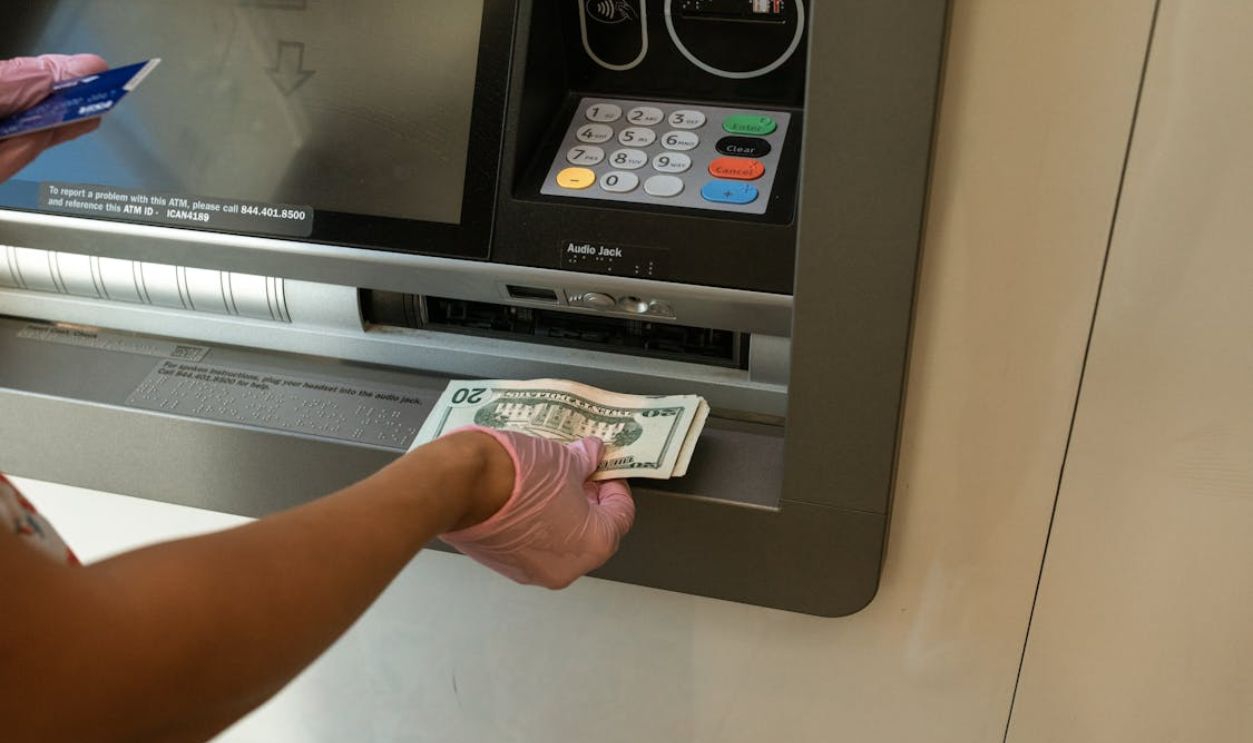
You could—but that’s a gamble. Large cash deposits or sudden spending can raise flags with banks or tax authorities. And that’s when questions start.
Why Abandoned Properties Are Different
Because no one maintained or claimed the property, items left behind are often treated as abandoned too. That strengthens your claim—but doesn’t eliminate legal responsibilities.

What Would a Lawyer Tell You?
Most would say: report it, document it, and protect yourself. It might feel like overkill, but it’s the safest way to avoid turning a lucky moment into a legal headache.

Could This Actually Turn Into a Windfall?
Yes—it absolutely can. If everything checks out and no one claims it, the money could legally become yours. But getting there the right way is key.

So… Do You Have to Report It?
In many cases, yes—especially for large amounts. Reporting protects you, even if it feels counterintuitive. Because the last thing you want is trouble over something you found.

The Bottom Line Before You Spend a Dollar
You might have just uncovered a hidden jackpot—but it comes with rules. Report it, verify it, and handle it carefully. Because the real question isn’t just “is it yours?”… it’s “how do you keep it safely?”

You May Also Like: