
When “Just One More Advance” Becomes The Plan
At first, it feels like a quick fix. You take a cash advance to cover a bill, then another one to cover the first, and suddenly this juggling act becomes your normal. On paper, you’re technically staying afloat. In reality, it feels like you’re running in place while the ground sinks beneath you.
If you keep using cash advances to pay off other cash advances, you’re not alone, and you’re not broken, but you are stuck in one of the most expensive debt cycles out there. Let’s talk about what’s really happening and where this road usually leads.

Why Cash Advances Feel Like A Lifeline At First
Cash advances are seductive because they’re fast. No approval process, no awkward conversations, no waiting. When you’re short on cash and the clock is ticking, that instant access feels like relief. Your brain focuses on solving today’s problem, not next month’s statement. That’s how the cycle quietly starts.
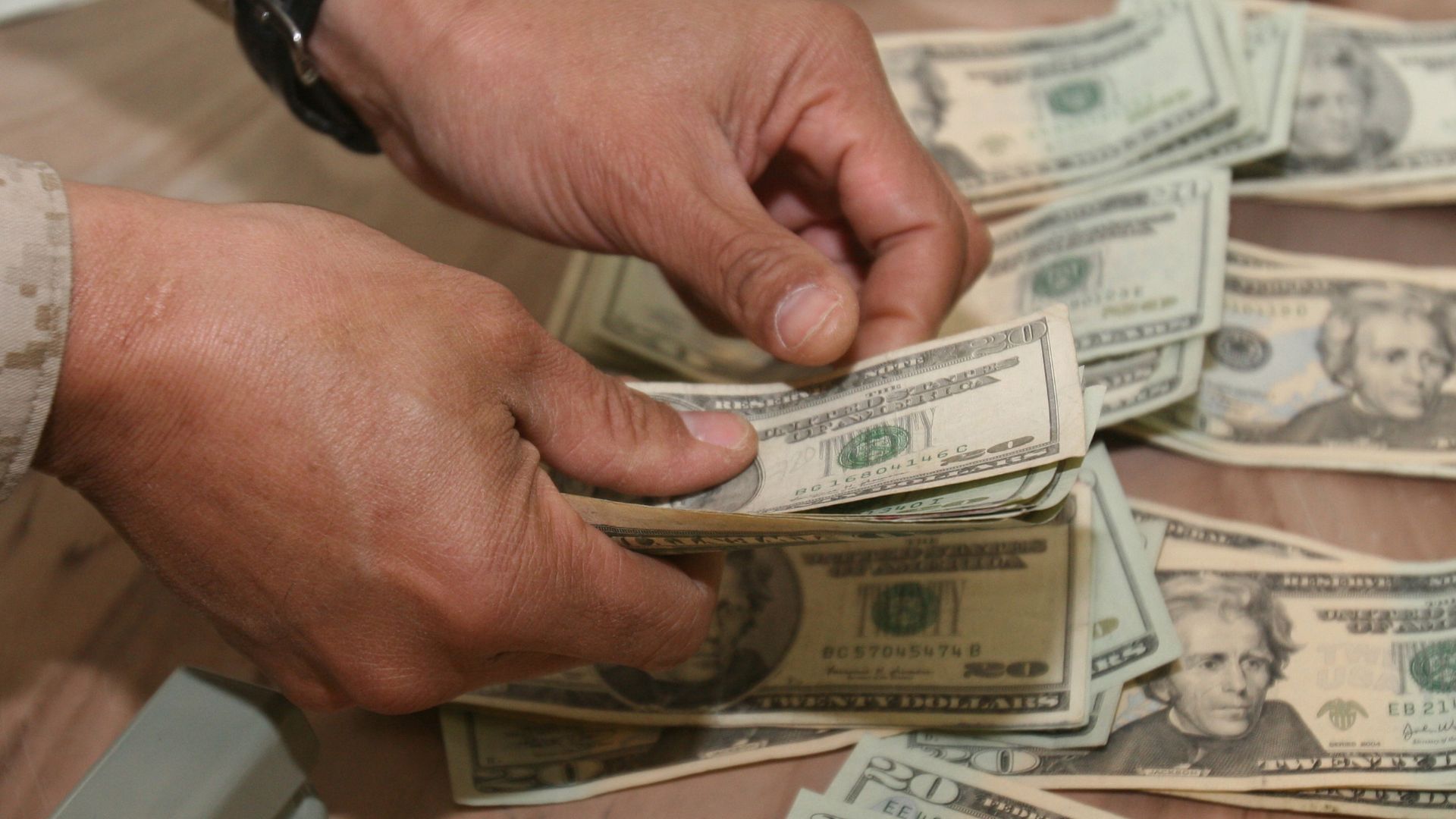 Sgt. Stephen M. DeBoard, Wikimedia Commons
What A Cash Advance Really Is (And Why It’s Different)
A cash advance isn’t just another credit card charge. It usually comes with its own fee upfront, often 3–5% of the amount borrowed, and interest starts accruing immediately. There’s no grace period. That means the meter is running the second you take the money, even if you plan to pay it back quickly.

Why Paying A Cash Advance With Another Advance Never Works
When you use one cash advance to pay another, you’re not paying off debt; you’re reshuffling it at a higher cost. Each new advance adds fees and fresh interest, so the total balance grows even if the dollar amounts feel similar. It’s like using a bigger bucket to bail water out of a leaking boat without fixing the hole.
 Vyacheslav Argenberg, Wikimedia Commons
The Math Is Quietly Working Against You
Cash advance APRs are often much higher than regular purchase APRs. Add fees on top of that, and even small advances become expensive fast. Over time, more of your payment goes toward interest and fees, and less toward reducing the actual balance. That’s why it feels like nothing ever goes down.
Why This Cycle Creates Constant Financial Stress
Living advance-to-advance keeps your nervous system on edge. You’re always reacting, always one step behind, always worried about the next due date. Even when you “solve” the immediate problem, your brain knows another one is coming. That constant stress makes it harder to think clearly or plan ahead.

The Endgame If Nothing Changes
If the pattern continues, the most common outcomes are maxed-out credit limits, missed payments, and credit score damage. Eventually, the advances stop being available—not because things got better, but because the system cuts you off. That’s when people often hit a financial wall all at once.

Why This Isn’t A Moral Failure (It’s A Structural Trap)
Cash advances are designed to be profitable for lenders, not sustainable for users. They exist to monetize urgency. Falling into this cycle doesn’t mean you’re irresponsible—it means you were under pressure and used the tools available to you. Understanding that helps you focus on solutions instead of shame.

The First Real Move: Stop The Bleeding
The hardest but most important step is stopping new cash advances. As long as new ones keep entering the picture, no strategy will stick. This might mean temporarily living with discomfort—late fees, tough conversations, or cutting expenses—but it’s the moment where things stop getting worse.
Why Minimum Payments Aren’t Saving You
Making minimum payments can feel responsible, but with cash advances, minimums mostly feed interest. You’re technically complying with the rules while still sinking deeper. This is why the balance doesn’t budge even when you’re paying something every month.

When Consolidation Can Actually Help
If your credit allows it, moving cash advance balances into a lower-interest personal loan or balance transfer card can be a turning point. This doesn’t erase the debt, but it slows the damage and gives you a predictable payoff path. The key is using consolidation as an exit ramp—not a reset button.

Why Budgeting Suddenly Matters More Than Ever
This cycle often signals a cash flow problem, not just a debt problem. If your monthly expenses consistently exceed your income, advances become the bridge. Finding even a small gap—through expense cuts or income boosts—can mean the difference between escaping the cycle and staying trapped.

Cutting Expenses Feels Small, But Adds Up Fast
When you’re deep in advance debt, dramatic lifestyle changes aren’t always realistic. But small cuts—subscriptions, eating out less, pausing non-essential spending—can free up enough cash to break the cycle. You don’t need perfection; you need momentum.
Extra Income Has A Clear Mission Here
This is one of the rare situations where side income has a very specific and motivating purpose. Any extra money goes directly toward killing the most expensive debt. Knowing exactly why you’re working extra can make the effort feel temporary instead of endless.

Why Balance Transfers Are Risky But Powerful
A 0% balance transfer can be a lifesaver—but only if you stop using advances entirely. If new cash advances creep back in, the cycle restarts with more complexity. Balance transfers work best when paired with strict boundaries around spending.

What Happens If You Ignore The Problem Long Enough
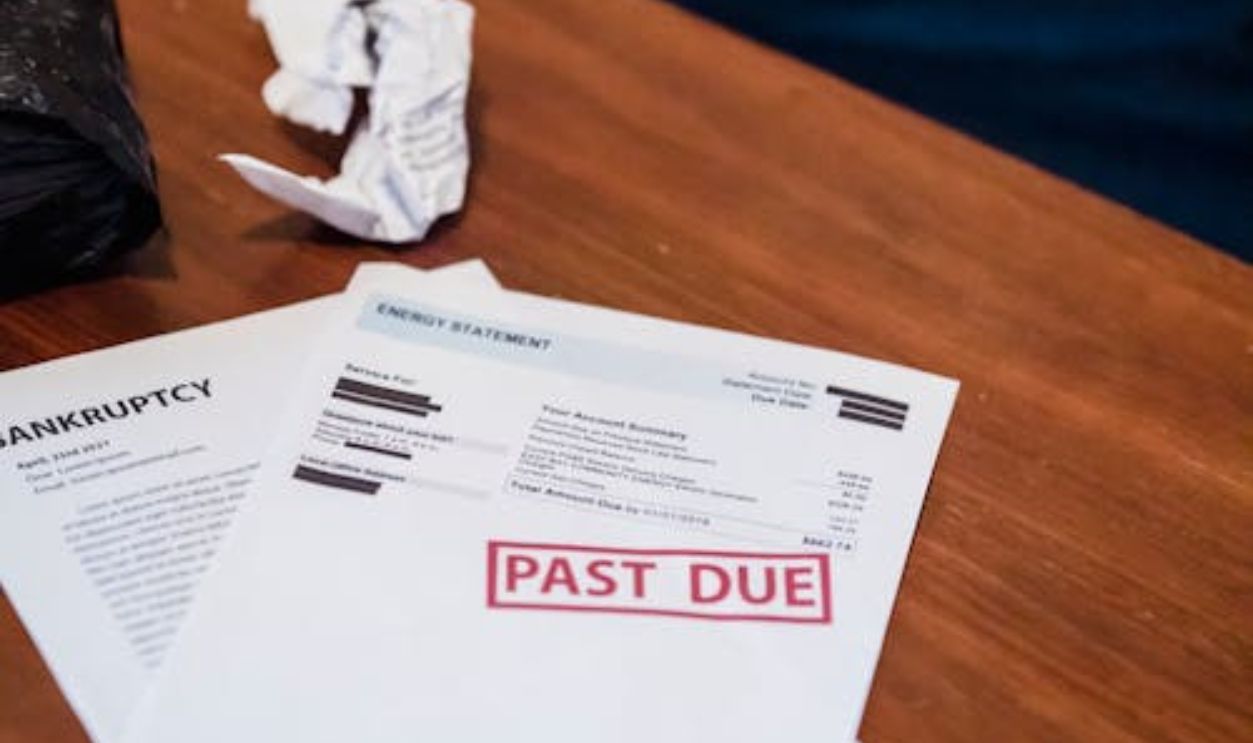
Ignoring the cycle doesn’t make it disappear—it just delays the fallout. Late fees, collections, account closures, and long-term credit damage tend to show up eventually. Addressing it early gives you more options and less long-term pain.

When Talking To A Credit Counselor Makes Sense
Nonprofit credit counseling agencies can help you map out a plan, negotiate interest rates, or explore structured repayment programs. This isn’t a last resort—it’s a tool. Getting an outside perspective often brings relief and clarity.

Why You Should Avoid “Quick Fix” Loans
Payday loans, high-interest installment loans, and sketchy lenders often promise to solve the problem but usually make it worse. They replace one expensive cycle with another. If the solution sounds too fast or too easy, it’s probably another trap.
Rebuilding Trust With Your Own Finances Takes Time
Once you stop the advance cycle, there’s often a period of financial whiplash. You’re adjusting to reality without emergency credit as a crutch. That discomfort is temporary—and it’s also a sign you’re finally moving forward.

This Is About Stability, Not Perfection
You don’t need a flawless budget or a perfect plan. You need fewer emergencies, fewer fees, and fewer decisions made in panic. Progress here is measured in reduced stress and shrinking balances, not overnight success.

The Bottom Line: The Endgame Is Either Control Or Collapse
Using cash advances to pay other cash advances doesn’t end in balance—it ends in exhaustion or cutoff. The good news is that the cycle can be broken. Once you stop adding fuel, lower the interest, and rebuild cash flow, the spiral slows—and eventually stops. The endgame doesn’t have to be failure. With the right moves, it can be relief.
You May Also Like:
I used a credit card for my car down payment. Now I’m in double debt. What’s my play?
I used my emergency fund for a down payment on a car. What if something actually goes wrong?
I co-signed on my boyfriend’s car. He left. The debt didn’t. What are my options?