Love, Trust, And The Pre-Nup Panic
Wanting a prenup does not automatically mean you expect your marriage to fail. In general, a prenup is a contract made before marriage that lets couples decide some financial rules for themselves instead of leaving everything to default state law, and many lawyers describe it as planning, not betrayal.

Why This Feels So Personal
Your question is really about two things at once: money and meaning. You are asking for structure and security, while he may be hearing fear, doubt, or “I don’t fully trust you.” That emotional mix is common, because prenup conversations often stir up identity, pride, and old relationship baggage.

A Pre-Nup Is Not A Breakup Forecast
People buy insurance without hoping for a fire. Same idea here. A prenup can simply be a way to talk clearly about debt, savings, property, inheritance, and expectations before life gets messy. The document is less romantic than flowers, sure, but it can still be deeply practical.

What He May Be Hearing Instead
When someone says, “We don’t need one,” they are not always talking about paperwork. They may be saying, “I thought we were all in,” or “Why are you protecting yourself from me?” So his reaction may be emotional, not logical, even if your request comes from calm, sensible planning.

Wanting Security Is Not Being Untrusting
Plenty of loyal, happy couples use prenups to reduce uncertainty. The idea is not “I think you’ll hurt me.” It is often “Let’s agree now, while we love each other, instead of fighting later under stress.” That is not cynical. Honestly, it can be one of the most grown-up money talks.

The Real Question Is What You Want Protected
Prenups tend to matter most when one or both people bring assets, debts, a business, family money, or children from a previous relationship into the marriage. They can also help couples decide how future earnings and property will be handled.

Sometimes A Pre-Nup Protects Both People
This is where your argument gets stronger. A prenup is not only for the wealthier partner. It can protect both sides by clarifying who owns what, who is responsible for which debts, and what financial expectations exist. Clarity is not selfish; it can save both people confusion and conflict.

It Can Also Force An Honest Money Talk
One overlooked benefit is that prenups force couples to discuss finances before the wedding. Income, spending habits, debt, long-term goals, and financial fears all come out into the open. That conversation alone can be valuable, because silence around money is often where bigger marital problems begin.

Romance And Financial Planning Can Coexist
A lot of people act like practical planning kills the mood. But adulthood is full of unsexy tasks that support loving relationships: budgeting, insurance, estate planning, beneficiary updates. A prenup belongs in that same family. It is paperwork, yes, but paperwork can still be an act of care.

Where Couples Get Into Trouble
The danger is not usually the prenup itself. It is the way the conversation happens. If one partner drops it suddenly, pressures the other right before the wedding, or treats it like a power play, the whole thing starts to feel ugly. Timing and tone matter almost as much as terms.

A Good Pre-Nup Should Feel Fair
A prenup is not supposed to be a gotcha document that leaves one partner shocked or cornered. Broadly speaking, enforceability often depends on fairness, proper disclosure, and a voluntary process, which is why lawyers urge couples to start early and handle it carefully.

Full Honesty Matters
You cannot build a fair financial agreement while hiding the financial picture. A solid prenup process usually involves full disclosure of assets, debts, income, and obligations. So if either person wants one, both people should be ready to put the numbers on the table without drama, spinning, or strategic mystery.

Independent Advice Is A Smart Move
Even when a couple is completely aligned, separate legal advice is often wise. Why? Because each person should understand what they are signing and what rights they may be giving up. That helps the agreement feel informed rather than pressured, and it can make challenges later less likely.
Not Everything Can Go Into A Pre-Nup
This is important: a prenup can cover many financial topics, but it generally cannot predetermine child custody or child support the way some people imagine. Courts usually keep authority over those issues because they are tied to a child’s best interests.

So, Is Your Husband Right?
Not really. He is entitled to dislike the idea. He is allowed to feel hurt by it. But saying you “don’t need one” and that wanting one is automatically untrusting is too simplistic. A prenup is neither mandatory nor suspicious by default. It is a tool, and tools depend on use.

He May Still Have A Point About Motive
That said, it is worth checking your own reasons. Are you asking for a prenup because you want mutual clarity, or because you already feel unsafe with him specifically? If this request is actually covering a deeper trust problem, the document will not fix that emotional crack by itself.

Ask Yourself The Uncomfortable Questions
Would you want a prenup no matter whom you married, or only in this relationship? Are you protecting a business, inheritance, or major savings? Are you worried about debt? Your answers matter, because the more concrete your reasons, the less this becomes a vague symbol of mistrust.

How To Bring It Up Without Starting A Fire
Lead with reassurance, not accusation. Try: “I’m not planning for divorce. I’m planning for clarity. I want something that protects both of us and keeps money from becoming toxic later.” That framing keeps the focus on shared security, not secret exit plans.
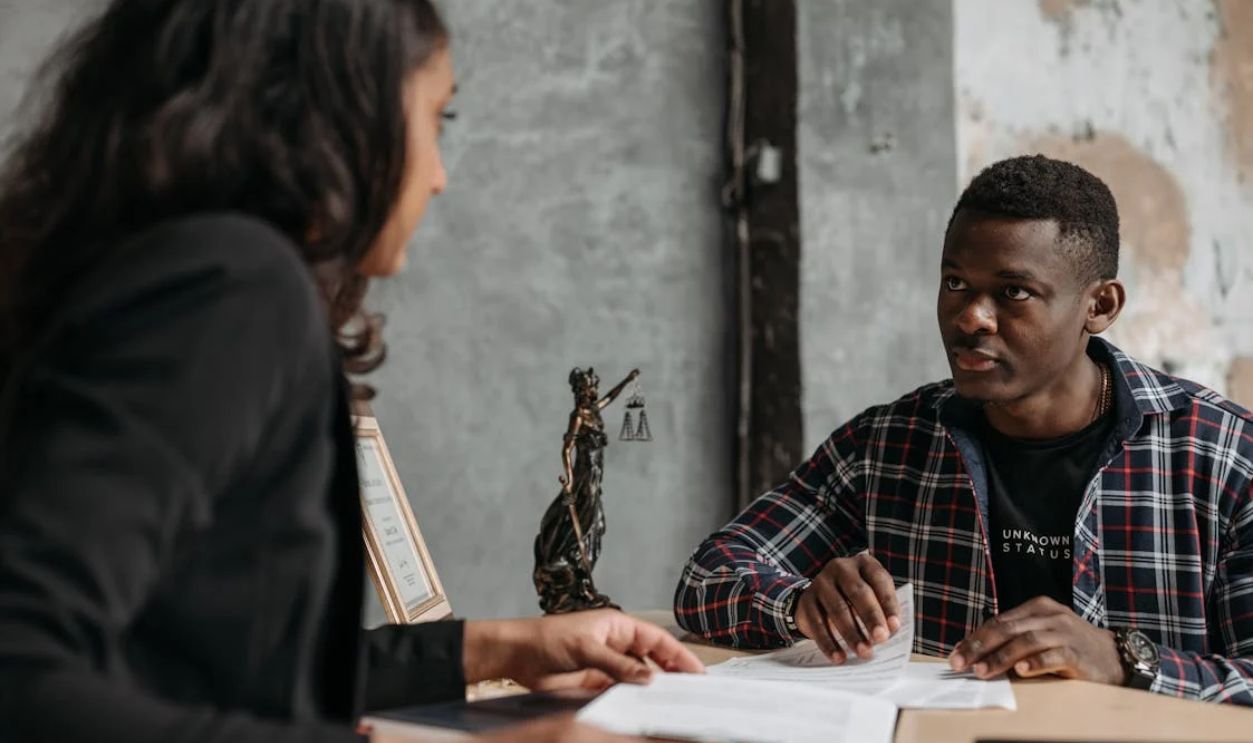
 The Jopwell Collection, Unsplash
Keep The Wedding Countdown Out Of It
If there is going to be a prenup discussion, start early. Lawyers warn that time pressure near the wedding can create problems and make the process feel coercive. This is not something to spring on a partner between cake tasting and final seating charts.

Make It A Team Conversation
The healthiest version of this talk sounds like, “What would make both of us feel safe?” Maybe that leads to a prenup. Maybe it leads to another financial plan. But the goal is not to win the argument. The goal is to design a marriage that feels stable and transparent.

You Might Not Need One After All
Here is the twist: after open discussion and proper advice, some couples decide a prenup is unnecessary. That can be a perfectly good outcome. But notice the difference: deciding against one after informed conversation is very different from dismissing the idea because it feels emotionally awkward.

There Are Cases Where It Makes Extra Sense
Prenups are especially common when there is a business, family wealth, significant separate property, unequal debt, or children from earlier relationships. In those cases, the agreement can help preserve intentions and reduce future fights over who owns what and who owes what.

Money Fights Are Rarely Just About Money
This is why your question matters beyond paperwork. Money arguments are often really about control, fairness, belonging, and fear. A prenup debate can uncover whether you two communicate well under pressure. In that sense, the conversation itself may teach you more than the final document ever will.

Try Replacing The Word “Trust” With “Planning”
Sometimes one word change helps. Trust is about character. Planning is about systems. You can trust someone completely and still want systems that are clear, fair, and written down. In fact, strong couples often do exactly that because they know love and logistics are not the same job.

What A Healthy Response Looks Like
A healthy response from him does not have to be enthusiastic. It can simply be, “I don’t love the idea, but I’m willing to talk about why it matters to you.” That is partnership. Curiosity beats defensiveness every time, especially when the subject is emotionally loaded.

The Bottom Line
No, he is not automatically right. Wanting a prenup does not make you cold, suspicious, or secretly halfway out the door. It can mean you value clarity and want both people protected. But the best prenup conversations are fair, early, transparent, and rooted in mutual respect, not fear.
Before You Sign Anything
Because prenup rules vary by state, this should be treated as general information, not personal legal advice. If you pursue one, both of you should get advice from qualified family-law attorneys in your state and go through the process with time, honesty, and full financial disclosure.

You May Also Like;