
You Switched to Gift Cards… Thinking Your Bank Is Out of the Loop
You pay with cash, load up gift cards, and avoid your debit card completely. No bank statements, no tracking—clean and simple. Then your wife says, “That’s still traceable.” Now you’re stuck wondering… is your system actually working?

Why People Think Gift Cards Are Invisible
It feels logical. No bank account attached, no name required, and you paid in cash. On the surface, it seems like you’ve cut the bank out completely. But is it really that simple?
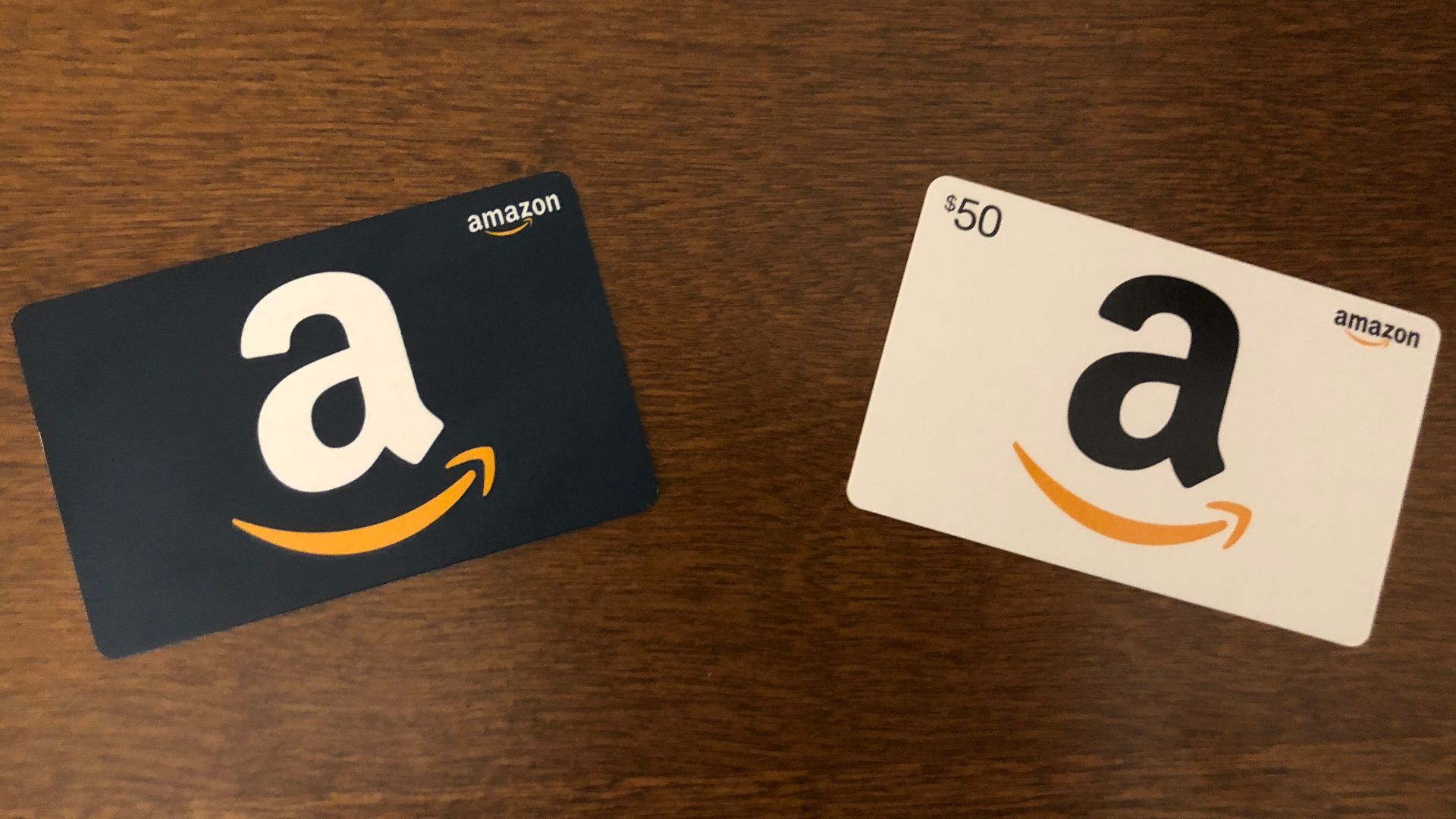 Thomas photography, Wikimedia Commons
What Banks Actually Track
When you use a debit or credit card, banks log everything—where you spent money, when, how much, and sometimes even what you bought. That data feeds fraud detection, budgeting tools, and spending insights.
Why Banks Track Your Spending
It’s not just surveillance—it’s risk management. Banks monitor transactions to prevent fraud, detect suspicious activity, and comply with regulations. But yes… it also builds a detailed picture of your habits.

So… Do Gift Cards Avoid Bank Tracking?
Partially—but not completely. If you buy a gift card with cash, your bank won’t see how you spend that specific card. So in that sense… you’ve removed one layer of tracking.

But That Doesn’t Mean You’re Invisible
Even if your bank isn’t tracking the purchase, other systems still are. Retailers, card issuers, and payment networks all log transactions. So the trail doesn’t disappear—it just shifts.
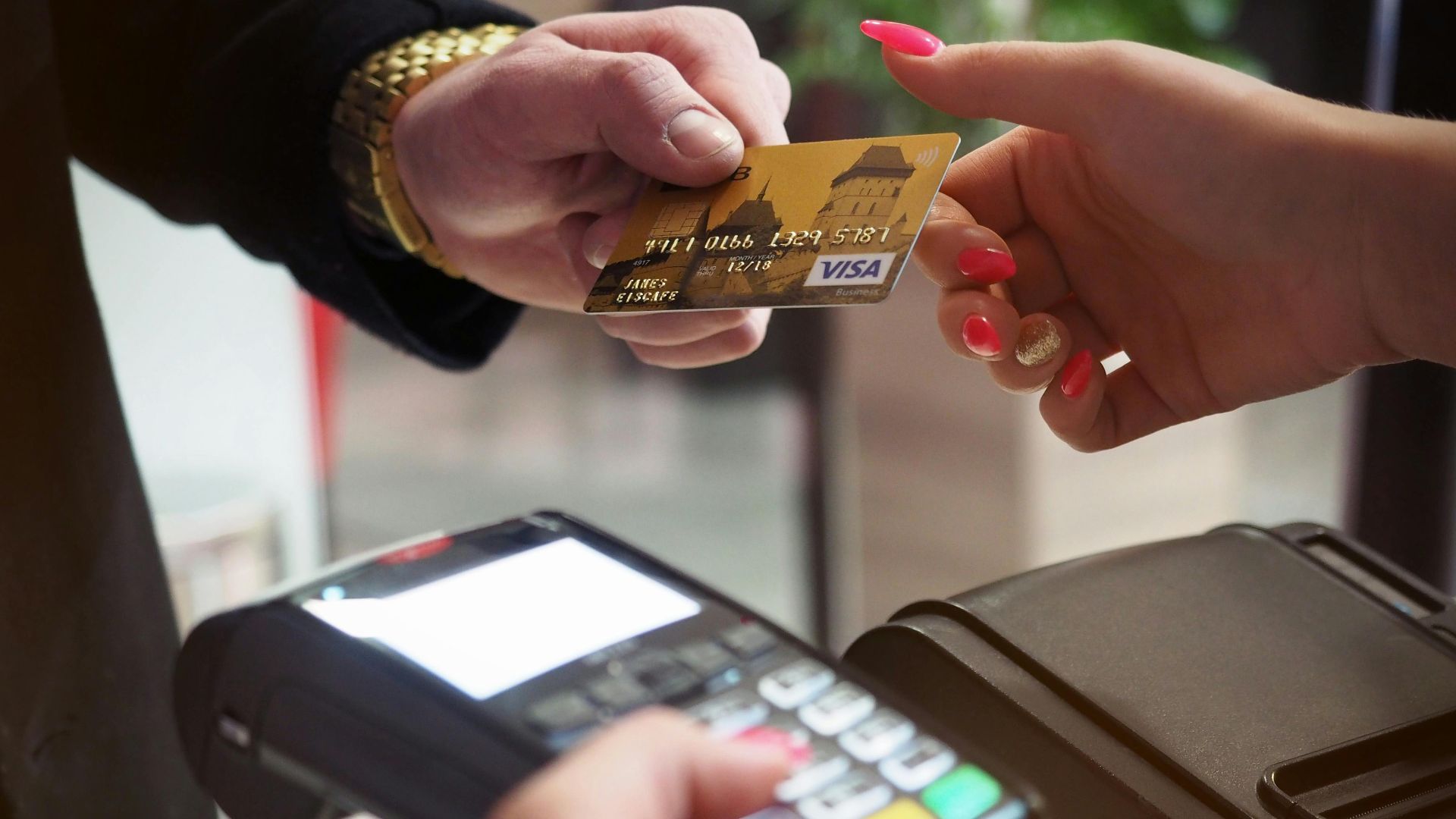
Gift Cards Still Have Transaction Histories
Every time you use a gift card, the transaction is recorded—time, location, and merchant. It may not be tied to your bank account, but the activity still exists.

Where You Buy the Card Still Matters
If you bought the gift card using your debit card, your bank sees that purchase. Even with cash, stores often have cameras and transaction logs. So the starting point can still be traced.
Online Use Changes the Game
If you use a gift card online, your IP address, device, and shipping info can all be tracked. So while the payment method is different… the digital footprint is still there.

Shipping Addresses Connect the Dots
Order something to your home? That links the transaction right back to you. Even if the card itself isn’t registered, the delivery information fills in the blanks.

Can Law Enforcement Trace Gift Cards?
Yes—if needed. They can combine purchase records, transaction logs, and surveillance footage to piece together a trail. It’s not instant, but it’s absolutely possible.

Are Gift Cards Anonymous?
Not really. They’re more private than using your bank card—but not anonymous. Think “reduced visibility,” not “complete invisibility.”

When Gift Cards Actually Help
They can be useful for limiting how much merchants or apps can access your banking info. They’re also helpful for budgeting or one-time purchases where you don’t want to expose your main account.

When They Don’t Help Much
If you’re shopping online, shipping items, or using accounts tied to your identity, gift cards won’t hide much. The tracking just happens in other ways.

What About Using Cash for Everything?
Cash reduces digital tracking significantly—but even then, cameras, loyalty programs, and receipts can still create a trail. So it’s not foolproof either.

Why the “Untraceable” Idea Sticks Around
Because gift cards feel disconnected. No name, no bank—it gives a sense of privacy. But behind the scenes, systems are still recording activity.
Could You Get in Trouble Using Gift Cards?
Not at all for normal use. They’re legal and widely used. But like anything else, they won’t protect you if they’re used in illegal situations.
So… Is Your Wife Right?
Yes—she is. Gift cards can reduce what your bank sees, but they’re still traceable through transaction records, digital footprints, and purchase details.

The Bottom Line Before You Ditch Your Debit Card Completely
Gift cards can give you a little more privacy—but they don’t make you untraceable. Your bank might see less… but the system as a whole still sees plenty.

You May Also Like: