
Six Months Of Pay To Walk Away?
You're 63, retirement is just a year away, and your employer has suddenly offered you six months of salary to leave now. It sounds tempting, especially since you were already planning to retire. But could accepting that check now end up costing you thousands of dollars down the road?

That Buyout Might Not Be A Windfall
Six months of salary sounds generous, but there's a catch. Accepting the offer means giving up whatever income you'd have earned by staying employed. The real value of the deal depends on what you're sacrificing to get it.

Here's What The Numbers Actually Look Like
Suppose you earn $100,000 annually and receive a $50,000 buyout. If you planned to work another full year, you'd be giving up $100,000 in gross salary for half that amount in severance. That's a $50,000 difference before considering taxes, benefits, or other compensation.

Your Retirement Date Makes A Huge Difference
Planning to retire in three months is very different from planning to work another year. Someone leaving three months early might receive six months of salary in exchange for just three months of lost wages. But leaving 12 months early could make the same offer considerably less attractive.

Your Benefits Could Be Worth Thousands
A paycheck isn't the only thing you'd lose by retiring early. Employer-sponsored health insurance, retirement contributions, and other benefits can represent a significant portion of your compensation. Before accepting, ask human resources for a complete breakdown of what you'd be giving up.

Don't Overlook Your 401(k) Match
If your employer matches retirement contributions, leaving early could mean missing months of additional savings. You should also check whether any employer contributions are subject to a vesting schedule. A departure just before an important vesting date could be especially expensive.
At 63, There's A Special Savings Advantage
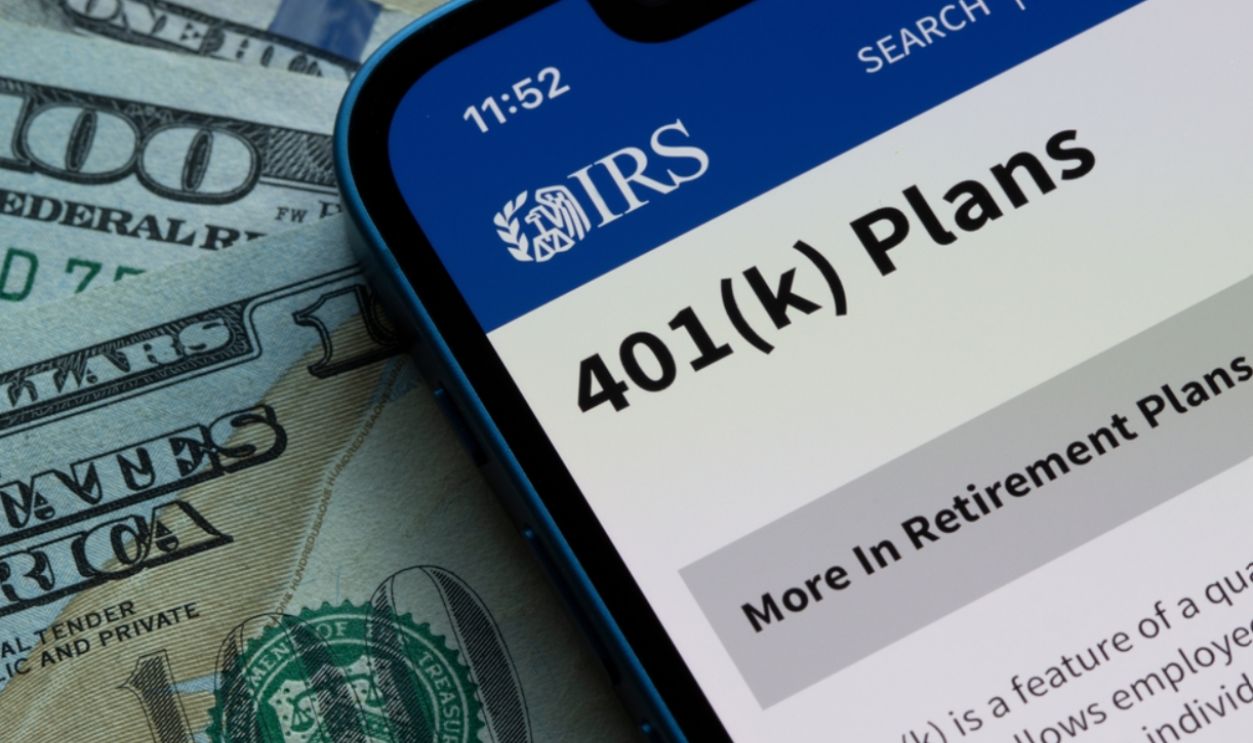
In 2026, eligible employees aged 60 through 63 can contribute up to $24,500 to a 401(k), plus an additional $11,250 in catch-up contributions. That's a potential $35,750 in employee contributions, assuming their plan permits it and they have sufficient eligible compensation. Higher earners may face Roth catch-up requirements, making these final working years particularly important for retirement planning.

Your Pension Could Change Everything
If you have a traditional pension, retiring early could affect your monthly payments. Some pension formulas reward additional years of service, while others reduce benefits when workers leave before certain ages. Request estimates showing what you'd receive if you accepted the buyout versus retiring next year.

Ask Whether The Company Offers Incentives
Some buyout packages include benefits beyond the advertised severance payment. These might include pension enhancements, extended health coverage, or other retirement incentives. Ask for the complete package in writing before assuming six months of salary is everything being offered.

What About Your Unused Vacation?
Depending on state law and company policy, you might be entitled to payment for unused vacation when employment ends. Find out whether that money would be paid separately from your severance. Compensation you've already earned shouldn't be mistaken for an additional retirement incentive.

Medicare Is Still Two Years Away
Most Americans first qualify for Medicare at 65, which creates a problem for someone retiring at 63. Leaving now could mean finding alternative medical coverage for roughly two years. That expense deserves serious consideration before accepting the offer.
 Vitalii Vodolazskyi, Shutterstock
COBRA Might Cost More Than You Expect
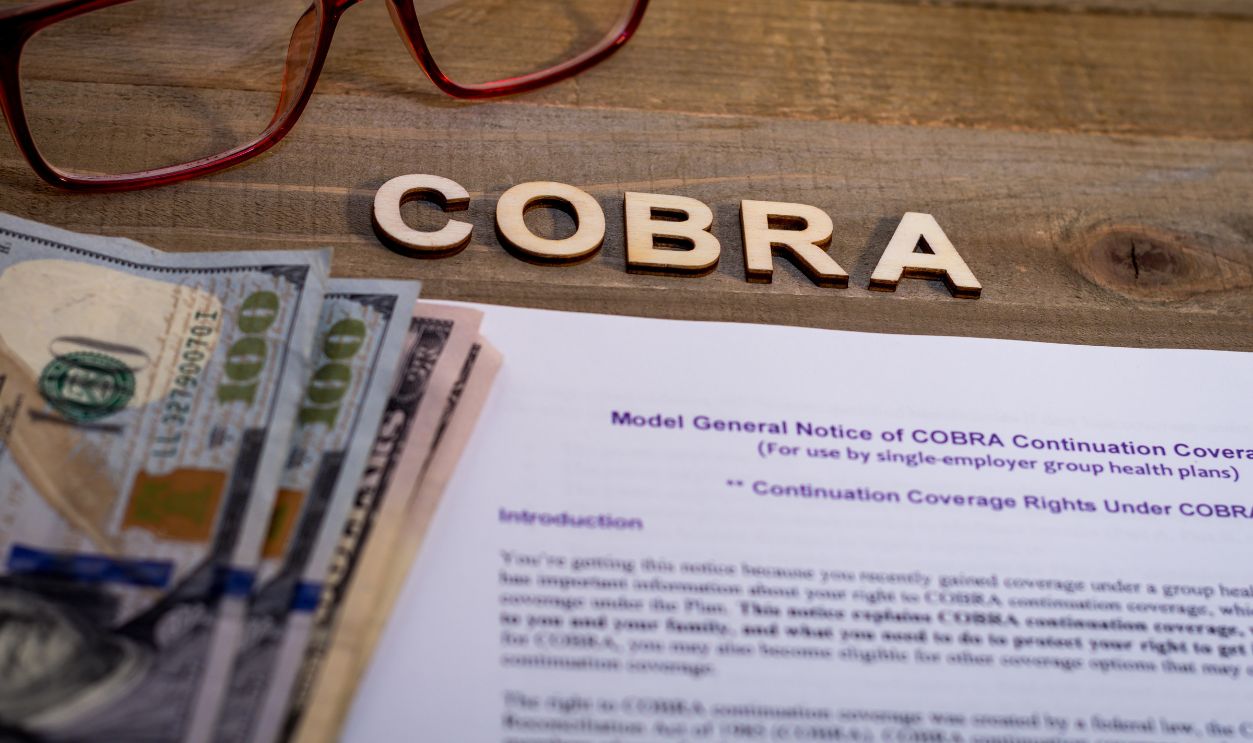
COBRA generally allows eligible departing employees to keep their employer-sponsored health coverage for up to 18 months. However, you may have to pay the entire premium, including the portion previously covered by your employer, plus a 2% administrative charge. That could make your familiar health plan considerably more expensive.
There's Another Catch With COBRA
Even if you can afford COBRA, its standard 18-month coverage period might end before you turn 65. That could leave several months when you'd need another insurance arrangement before Medicare begins. Check the exact dates rather than assuming COBRA will cover the entire transition.

You Might Find Cheaper Coverage Elsewhere
Losing employer-sponsored insurance generally gives you 60 days to enroll in a plan through the Affordable Care Act Marketplace. Depending on your circumstances, Marketplace coverage could cost less than COBRA. Compare premiums, deductibles, provider networks, and prescription coverage before choosing.

Your Buyout Could Affect Insurance Subsidies
Marketplace premium assistance depends partly on your household income for the entire calendar year. A large severance payment could raise that income and reduce any financial assistance you might otherwise receive. The timing of the buyout therefore matters for more than just income taxes.

Social Security Presents Another Choice
At 63, you're old enough to claim Social Security retirement benefits, but doing so would mean receiving a reduced monthly payment. For people born in 1960 or later, full retirement age is 67. Claiming at 63 rather than 67 generally means a 25% reduction in the starting retirement benefit.
 simona pilolla 2, Shutterstock
You Don't Have To Claim Immediately
Accepting the buyout doesn't mean you must start collecting Social Security right away. You could use severance and other savings to cover expenses while delaying your claim. Waiting longer generally increases your monthly benefit, although your savings must support you during that period.

One More Year Of Work Could Matter
Social Security calculates retirement benefits using your highest 35 years of earnings. If another year of work replaces a lower-earning year, your future benefit could increase. Check your personalized Social Security estimates to see whether staying employed would make a meaningful difference.

Don't Forget The Tax Bill
Severance payments are generally taxable as wages, meaning you won't receive the entire advertised amount. Federal income taxes, payroll taxes, and applicable state taxes can reduce the check. A $50,000 buyout should never be treated as $50,000 available to spend.

Your Withholding Might Be Misleading
Employers can sometimes withhold federal income tax at a flat 22% rate on separately identified supplemental wages. But that doesn't necessarily equal your final tax liability. Depending on your total annual income, you could owe additional taxes when you file your return.

The Payment Date Could Make A Difference
Receiving severance in a year when you've already earned substantial wages may produce a different tax outcome than receiving it in a lower-income year. Ask whether the employer offers any flexibility in how or when payments are made. A tax professional can help determine whether the available options meaningfully change your after-tax proceeds.
 Towfiqu ahamed barbhuiya, Shutterstock
Could The Buyout Protect Your Savings?
One advantage of receiving severance is having cash available for immediate retirement expenses. That money might reduce how much you need to withdraw from investments during your first months without a paycheck. Preserving invested assets could be particularly valuable if markets decline shortly after you retire.
 LightField Studios, Shutterstock
Your 401(k) Doesn't Have To Be Cashed Out
Leaving your job doesn't automatically mean you must withdraw your workplace retirement savings. Depending on your plan, you may be able to leave the money invested or arrange a rollover into another retirement account. At 63, withdrawals generally avoid the additional 10% early-distribution tax, but taxable distributions can still increase your income tax bill.
 Frame Stock Footage, Shutterstock
Read The Agreement Before Signing
A buyout often requires employees to sign a severance agreement that releases certain legal claims against their employer. The agreement might also contain provisions addressing confidentiality or other post-employment obligations. Have an employment attorney review the terms before you give up rights you may not fully understand.

At 63, You Have Special Legal Protections
Your employer might ask you to waive your right to sue for age discrimination as part of the buyout agreement. Because you're over 40, federal law generally requires at least 21 days to consider an individual waiver, or 45 days for certain group programs. You must also receive seven days after signing to revoke the agreement if it includes a qualifying age-discrimination waiver.

Could You Collect Unemployment Benefits?
Accepting a voluntary buyout doesn't automatically qualify you for unemployment compensation. Eligibility depends on state rules, the circumstances of your departure, and whether you're available for suitable work. If you intend to look for another job, check with your state unemployment agency before relying on those benefits.

What Happens If You Turn It Down?
Before rejecting the offer, find out whether your employer expects additional layoffs or restructuring. Declining a voluntary buyout doesn't necessarily guarantee you'll keep your job until your planned retirement date. Ask what happens to employees who stay, but remember that future employment and severance terms may remain uncertain.

You Might Be Able To Negotiate
The initial offer may not represent everything your employer is willing to provide. You could ask for a later departure date, additional health coverage, or clarification about pension and retirement contributions. Even without a bigger check, improved benefits might make the package substantially more attractive.

Compare Three Possible Outcomes
Before deciding, calculate your finances under three scenarios: retire now with the buyout, accept it and seek temporary work, or stay until your original retirement date. Include after-tax income, health insurance, retirement benefits, and any withdrawals needed from savings. The comparison should reveal which option best protects your long-term financial security.

So Should You Take The Six-Month Buyout?
If retirement is only months away, savings are sufficient, and health coverage is affordable, the offer could be worth accepting. But if leaving means sacrificing a full year's salary, valuable pension benefits, or affordable insurance, staying employed may make more financial sense. The deciding question isn't how generous the check looks, but whether taking it leaves you financially better off than following your original retirement plan.

You May Also Like:
Common Purchases That Come With The Most Added Fees—And How To Avoid Them
Restaurants From The 1980s That American Families Couldn't Get Enough Of—Then They Vanished