When Your Landlord Suddenly Wants Rent In A Plain Brown Envelope
You’re all set to renew your lease. Maybe you’ve even mentally committed to another year of that slightly-too-small closet and the neighbor who practices drums at midnight. Then your landlord drops a bombshell: from now on, rent needs to be paid in cash. In an envelope. No checks. No online payments. Just a stack of bills. If that makes your stomach do a little flip, you’re not being dramatic. Let’s talk about whether this is legal—and whether it’s smart.

Is It Actually Illegal To Pay Rent In Cash?
Surprisingly, no—at least not in most places. Cash is legal tender, and landlords are generally allowed to accept it. The real issue isn’t whether cash is illegal. It’s whether your landlord can require it, especially if your current lease says something different. That’s where things get more nuanced.

Your Lease Is The First Place To Look
Before you panic, pull out your lease and read the section about rent payments. Does it say you can pay by check? Online portal? Money order? If your lease spells out acceptable payment methods, your landlord can’t just change them mid-lease because they feel like it. Once that contract is signed, both sides are bound by it—at least until it expires.

Lease Renewal Is A Fresh Start (Sort Of)
If you’re at the end of your lease term, things shift a bit. A renewal is essentially a new agreement. Your landlord can propose new terms, including how rent gets paid. But here’s the key: you don’t have to accept them. A renewal is a negotiation, not a royal decree.

Why Would A Landlord Insist On Cash?
Sometimes it’s innocent. Maybe they don’t like paying credit card processing fees. Maybe they’ve dealt with bounced checks and are fed up. But let’s be honest—when someone insists on cash only, it can raise eyebrows. Cash leaves no automatic paper trail. That can be convenient… for reasons that aren’t always above board.

The Paper Trail Problem
When you pay online or by check, there’s built-in proof. Your bank statement backs you up. With cash? Not so much. If your landlord later claims you didn’t pay, you’ll need solid documentation to defend yourself. Otherwise, it becomes a he-said-she-said situation—and that’s stressful territory.

Receipts Are Absolutely Essential
If you agree to pay in cash, a written receipt isn’t optional—it’s survival. It should include the date, amount paid, the rental period it covers, and your landlord’s signature. In some states, landlords are legally required to provide receipts for cash payments. Even if they’re not, you should insist on one every single time.

Laws Vary More Than You Think
Tenant protections differ dramatically depending on where you live. Some states require landlords to allow at least one non-cash payment option. Others have specific rules if the landlord has previously accepted checks or electronic payments. A quick check with your state’s housing authority or tenant rights website can give you clarity.

Pressure Tactics Are A Red Flag
If your landlord says, “Cash only, or you can’t renew,” that might technically be within their rights—but tone matters. If you feel bullied or pressured, pause. You’re entering a business agreement. You deserve transparency and clear terms, not intimidation.
 Vodafone x Rankin everyone.connected, Pexels
Could This Be Retaliation?
Think about recent events. Did you ask for repairs? Report a code violation? Push back on something? In many states, landlords can’t retaliate against tenants for asserting their legal rights. A sudden policy shift right after a dispute might not be a coincidence.

Fair Housing Protections Still Apply
No matter how rent is paid, federal and state fair housing laws remain in full force. A landlord can’t use payment policies to discriminate against tenants based on protected characteristics. If the demand feels targeted or unequal, that’s a different (and serious) issue.
The Tax Question Nobody Says Out Loud
Here’s the awkward part: cash makes it easier for income to go unreported. You’re not responsible for your landlord’s taxes, but if they’re asking for envelope payments to avoid a paper trail, that’s a sign things may not be entirely squeaky clean. And messy landlords can create messy situations for tenants.

Eviction Gets Complicated Without Proof
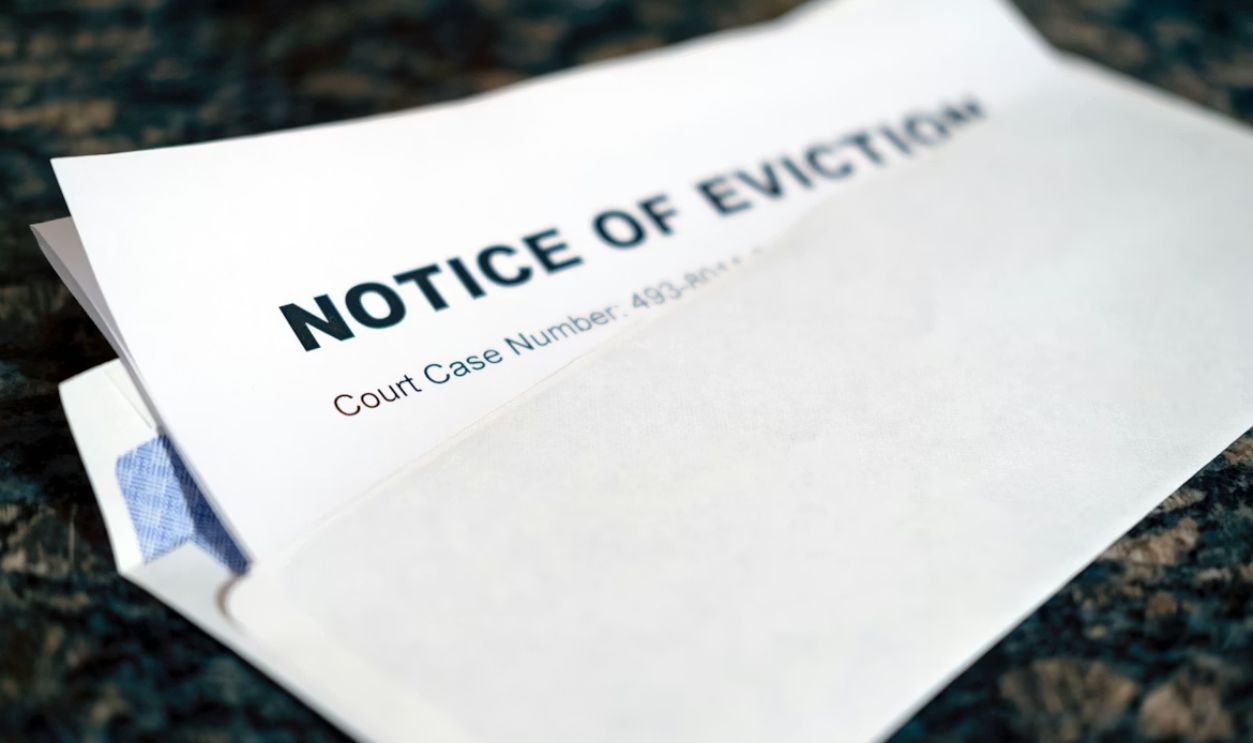
Imagine this nightmare: you pay cash for months, faithfully. Then your landlord claims you missed a payment and starts eviction proceedings. Without solid receipts, you’re scrambling to prove your side. Courts love documentation. Cash without records leaves you exposed.
What About Your Security Deposit?
If your landlord prefers cash for rent, ask how they’re handling your security deposit. In many states, deposits must be kept in separate accounts and tracked carefully. A casual approach to rent payments might signal casual record-keeping elsewhere.
Suggest A Middle Ground
If your landlord is worried about bounced checks, propose alternatives like money orders or cashier’s checks. They’re guaranteed funds, but they still leave a trail. Sometimes the issue isn’t “cash or nothing”—it’s finding an option that works for both sides.

Have The Conversation Calmly
Instead of accusing your landlord of shady behavior, frame it around mutual protection. You might say, “I’m happy to work with you, but I need proper documentation for my records.” Keeping it professional helps avoid unnecessary tension.

Put Everything In Writing
If you agree to switch to cash, make sure the lease renewal clearly states that. Don’t rely on a hallway conversation or handshake agreement. If it’s not in writing, it doesn’t exist when things go sideways.

Keep Digital Copies Of Everything
The moment you get a receipt, take a photo. Email it to yourself. Upload it to cloud storage. Paper fades. Ink smudges. Phones break. Backups are your friend.

Watch For Other Warning Signs
Is maintenance inconsistent? Are requests ignored? Does your landlord resist putting things in writing? Cash-only rent might not be the problem—it might be a symptom of a broader lack of professionalism.

Legal Advice Isn’t Just For Lawsuits
If you’re unsure, a short consultation with a tenant attorney or local legal aid clinic can be incredibly helpful. You don’t need to be in a courtroom to benefit from legal guidance. Sometimes 30 minutes of advice can save you months of stress.

You Always Have The Option To Walk Away
If paying in cash makes you uncomfortable, you can decline to renew and start looking elsewhere. Moving is inconvenient, yes—but so is being stuck in a tense landlord relationship with shaky documentation.

Document Conversations Proactively
After any in-person conversation, follow up in writing. A simple email saying, “Just confirming that starting next month, rent will be paid in cash with a written receipt provided at each payment,” creates a timestamped record.

Think About Your Own Financial Systems
Online payments integrate easily with budgeting apps and automatic tracking. Cash requires more manual effort to log and manage. Make sure you’re prepared to keep meticulous records if you go that route.

Consider Your Credit History
Some rental payment services report on-time payments to credit bureaus. Cash payments usually don’t. If you’re building credit, switching to cash could mean missing out on that benefit.

Listen To Your Gut
Sometimes the legal answer and the practical answer aren’t the same. Even if it’s technically allowed, you have to decide whether the arrangement feels stable and trustworthy. Your comfort level matters.

A Quick Gut-Check Checklist
Before agreeing, review your lease, check local laws, insist on receipts, document everything, and evaluate whether your landlord is responsive and transparent. If multiple things feel off, don’t ignore that pattern.

The Bottom Line On Envelope Rent
So, is it legal for your landlord to demand rent in an envelope of cash when you renew your lease? In many cases, yes. But legality isn’t the only question. The real issue is risk. Cash removes automatic proof, and that shifts more responsibility onto you. If you choose to move forward, protect yourself with meticulous documentation. And if the whole thing feels uncomfortable, remember—you’re signing a contract, not surrendering your peace of mind.

You May Also Like:
The $2 Bill Is Legal Currency—But Using It Still Makes Cashiers Nervous