
When Your Apartment’s Lights Start Flickering
Apartment living comes with plenty of perks—no lawn to mow, maintenance on call, and usually someone else paying for major repairs. But what happens when something electrical starts acting up and your boyfriend just happens to be an electrician? Suddenly the problem feels easy to solve: skip the maintenance request and let him handle it. Before you grab the toolbox, though, there are a few important things renters should consider.
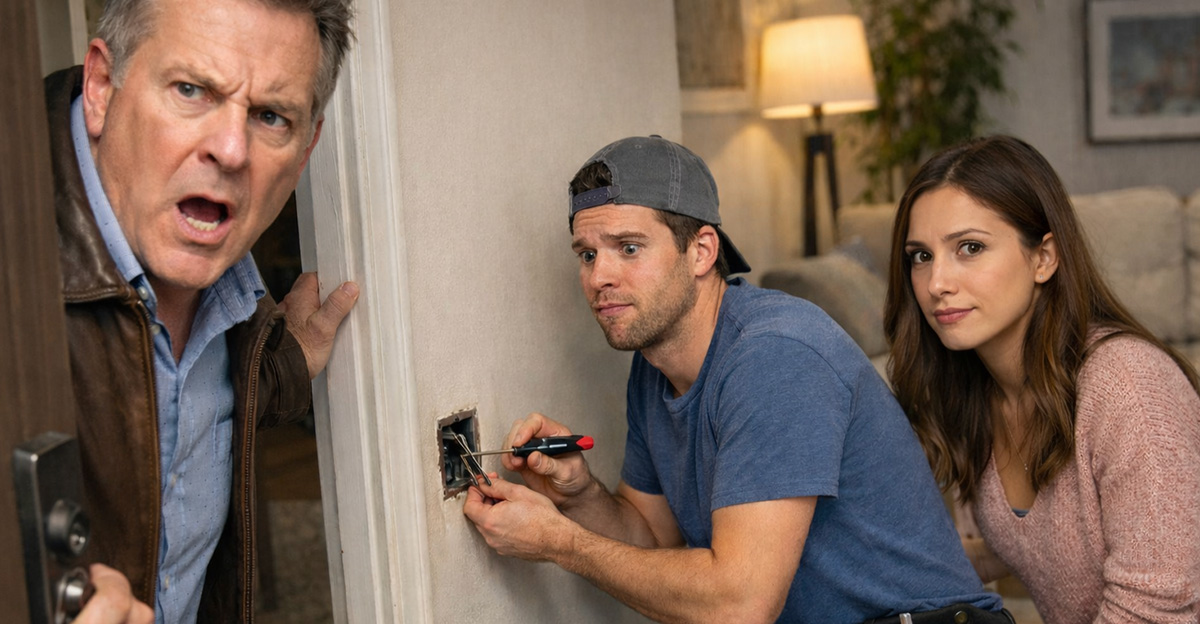
The Temptation Of A Quick Fix
When a light switch sparks or an outlet stops working, the thought of waiting days for a repair can feel frustrating. If you’re dating someone who knows exactly how to fix it, the solution seems obvious. After all, you’re not hiring a random handyman—you’re dating a professional. But apartments don’t work quite the same way as privately owned homes.

Why Electrical Problems Shouldn’t Be Ignored
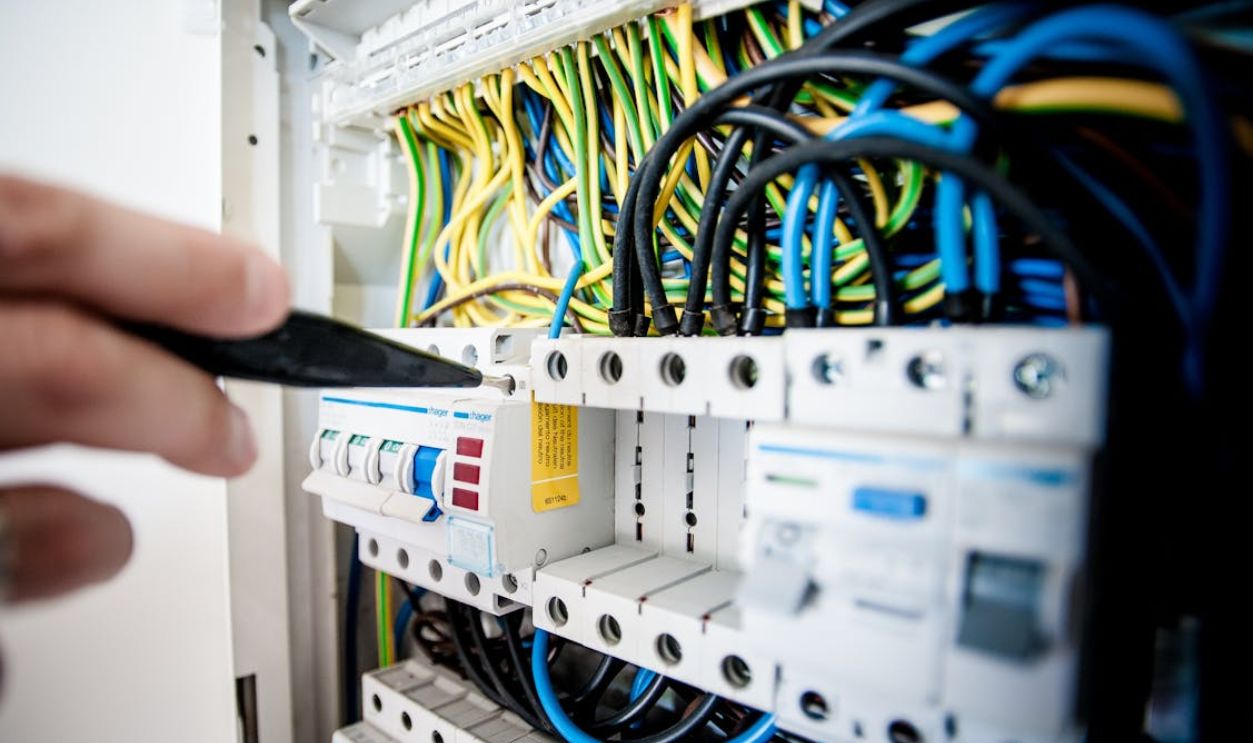
Electrical issues are more than just annoyances. Flickering lights, tripped breakers, or dead outlets can signal deeper problems in a building’s wiring. In multi-unit properties, a single issue could affect other apartments or even the building’s overall electrical system. That’s why landlords usually want to know immediately when something electrical goes wrong.
Your Lease Probably Has Something To Say
Before letting anyone start repairs, check your lease agreement. Many leases specifically prohibit tenants from performing repairs themselves or hiring outside contractors without permission. Even if your boyfriend is licensed, working on the unit without approval could technically violate your lease.

Landlords Are Responsible For Electrical Systems
In most places, electrical systems fall squarely under the landlord’s responsibility. That means they’re legally required to maintain safe wiring and functioning electrical service. When something breaks, they’re supposed to arrange the repair—often through their own licensed electrician.
Why Landlords Prefer Their Own Contractors
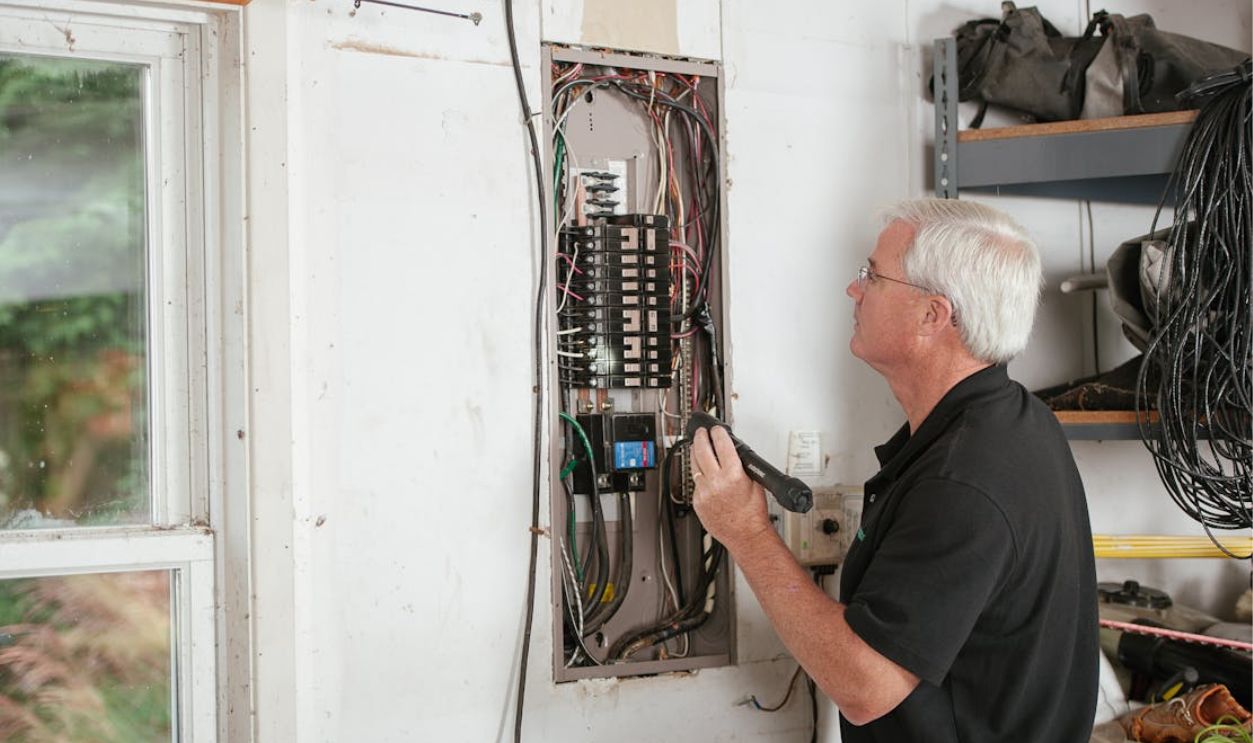
Landlords typically rely on electricians they already trust. These professionals understand the building’s layout, electrical panels, and previous repairs. Bringing in someone unfamiliar with the property could complicate things if the issue turns out to be bigger than it first appears.
Insurance Is A Big Factor
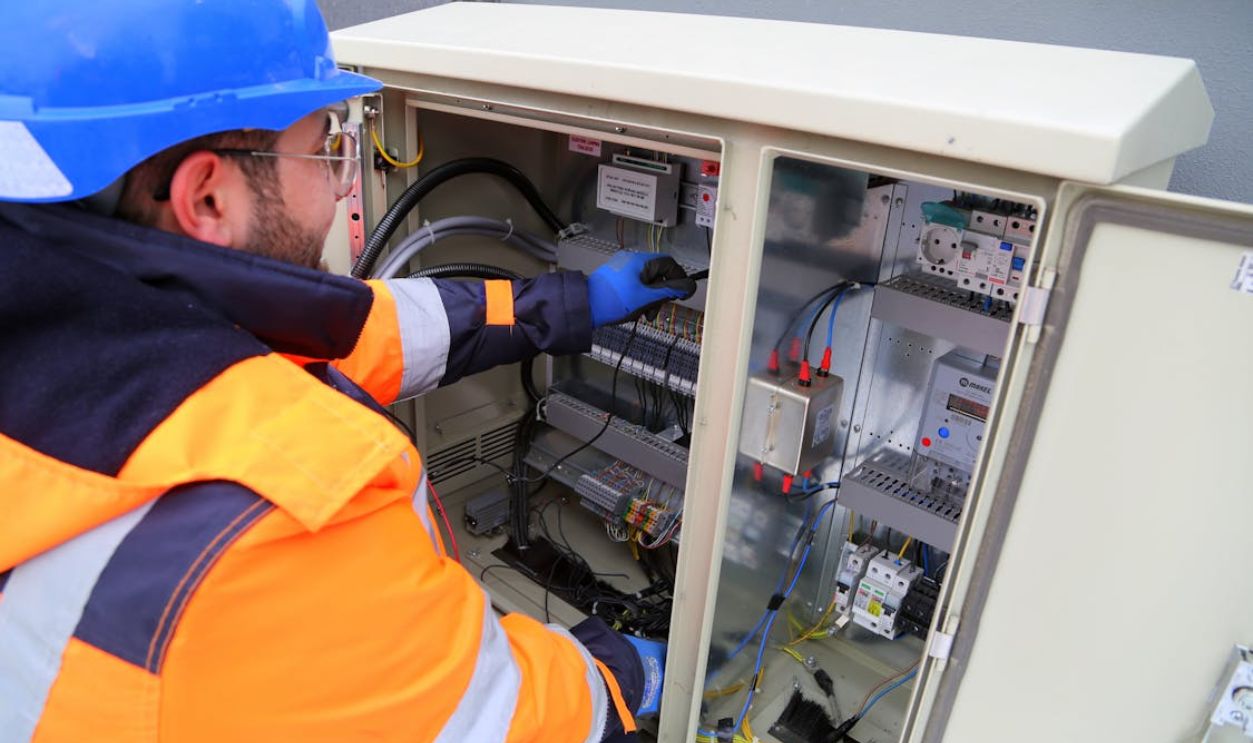
Insurance plays a huge role in maintenance decisions. If your boyfriend fixes something and another issue occurs later—like an electrical fire or damaged wiring—the landlord’s insurance company may ask who performed the repair. Unauthorized work can create liability headaches.
Liability Can Get Complicated Fast
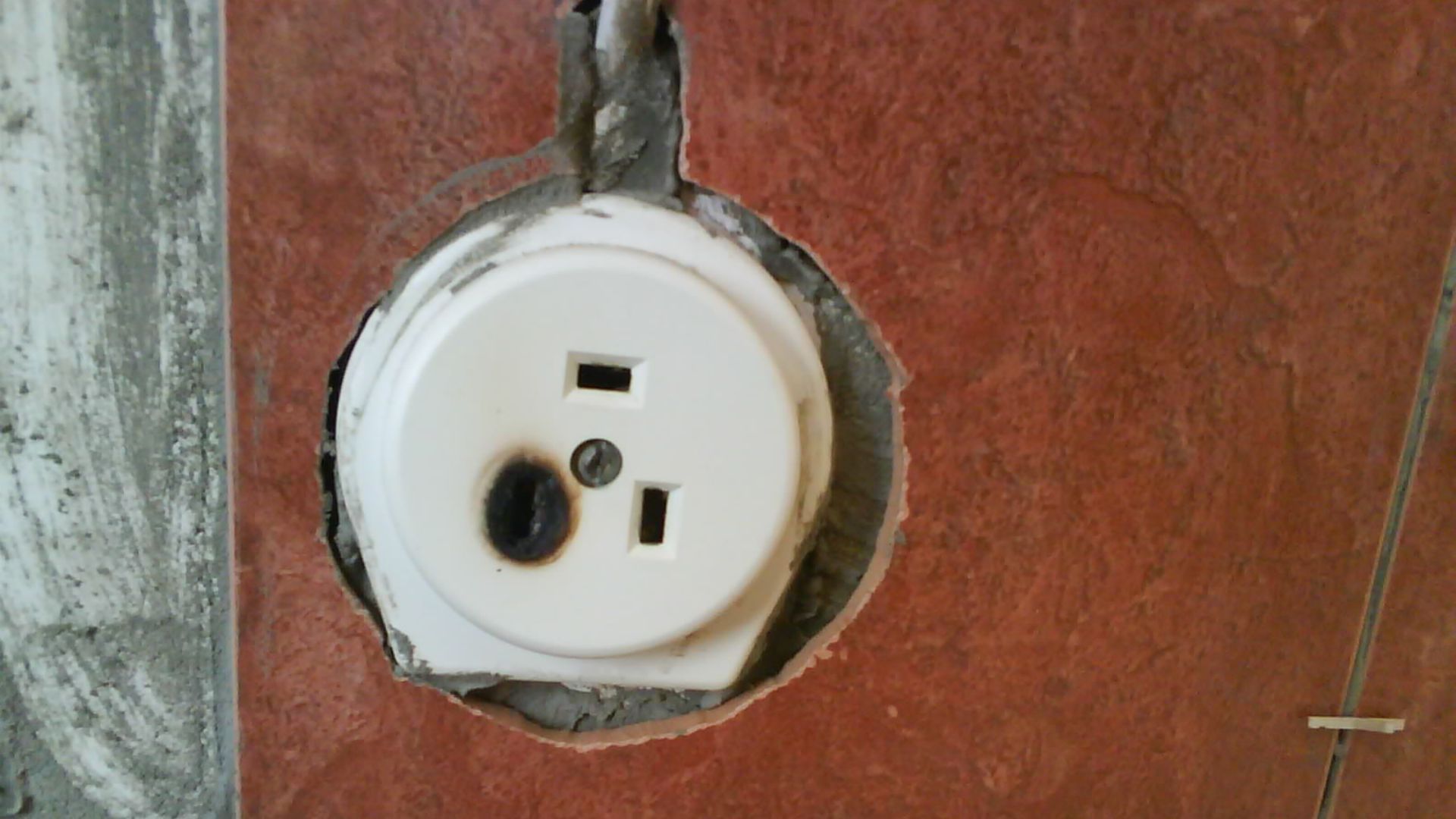
Imagine your boyfriend replaces a faulty outlet and everything seems fine. But weeks later, the wiring overheats and causes damage. Even if the issue wasn’t his fault, questions could arise about whether the repair contributed to the problem. Suddenly what felt like a helpful favor becomes a legal gray area.
Building Codes And Permits Matter
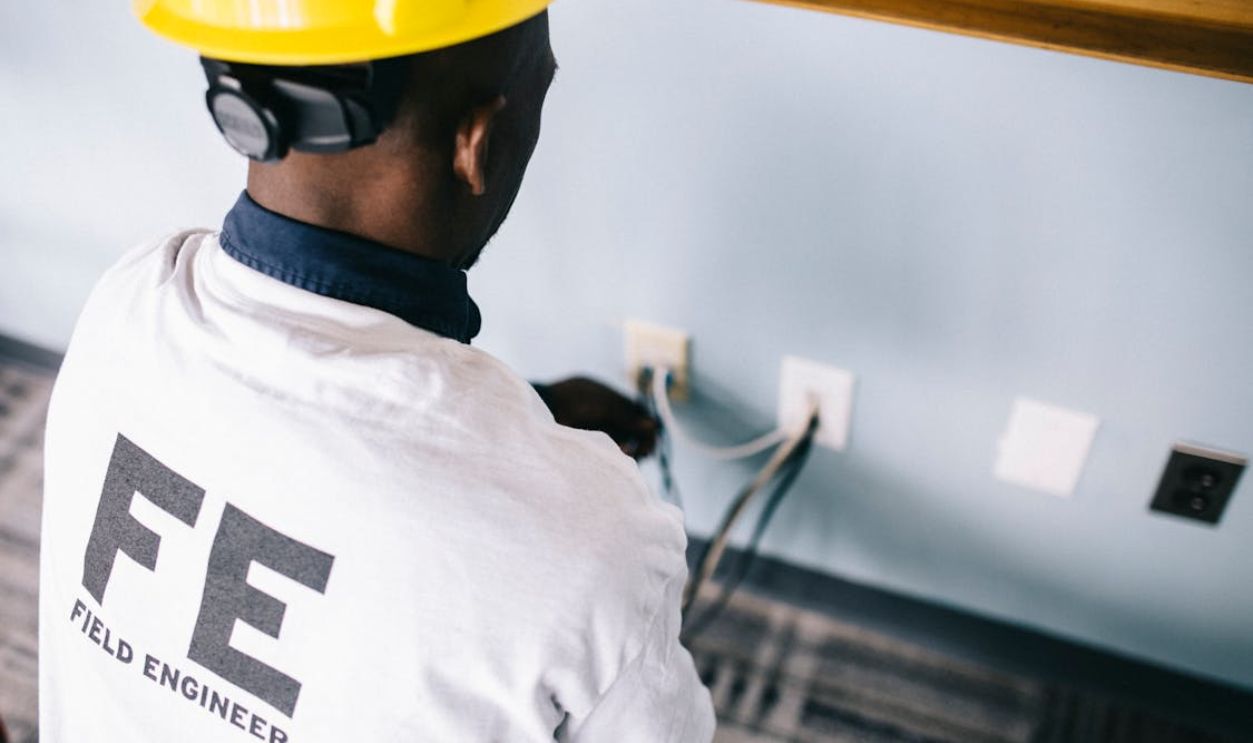
Electrical work often falls under strict building codes. In some cities, even licensed electricians must obtain permits before performing certain types of repairs. Landlords usually handle these requirements to ensure the property stays compliant with local regulations.
Your Boyfriend Might Actually Refuse
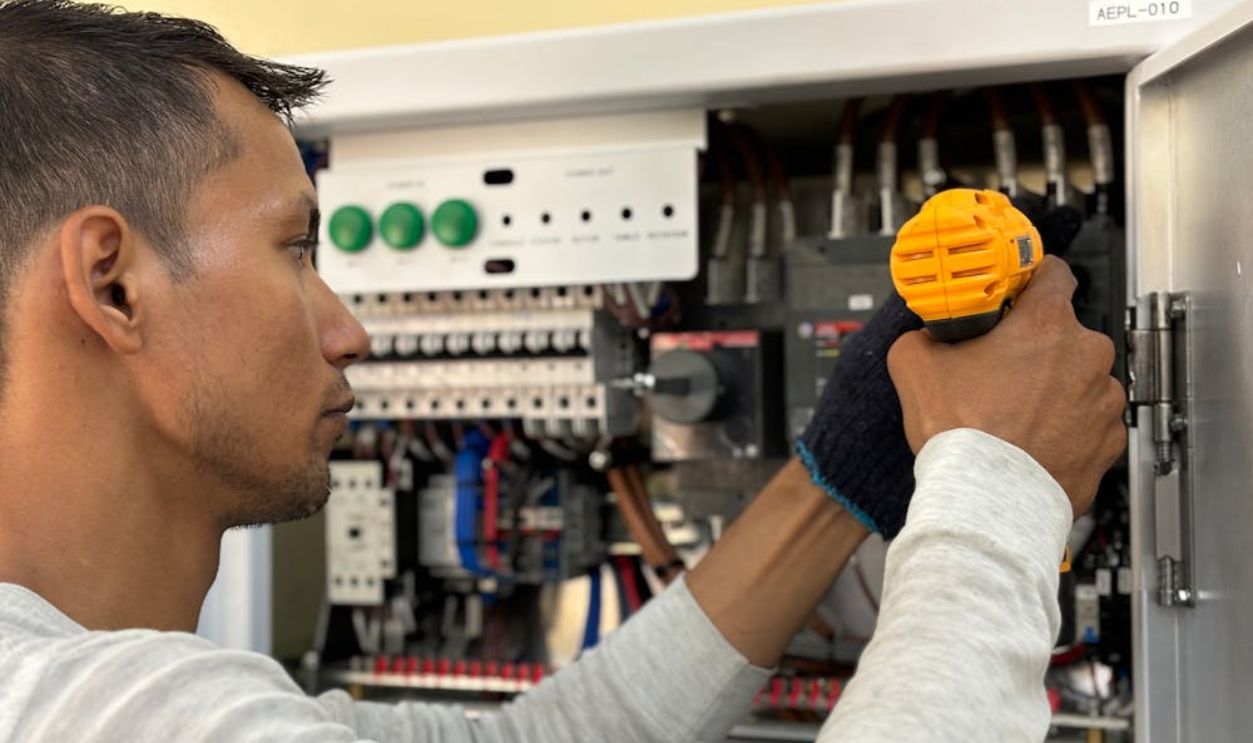
Ironically, many electricians wouldn’t want to do the repair in the first place. Professionals know the risks of working on property they don’t control. Without permission from the owner, they may prefer to stay out of it entirely—even if it’s just a quick fix.
 Shameer Vayalakkad Hydrose, Pexels
The “Small Fix” Myth
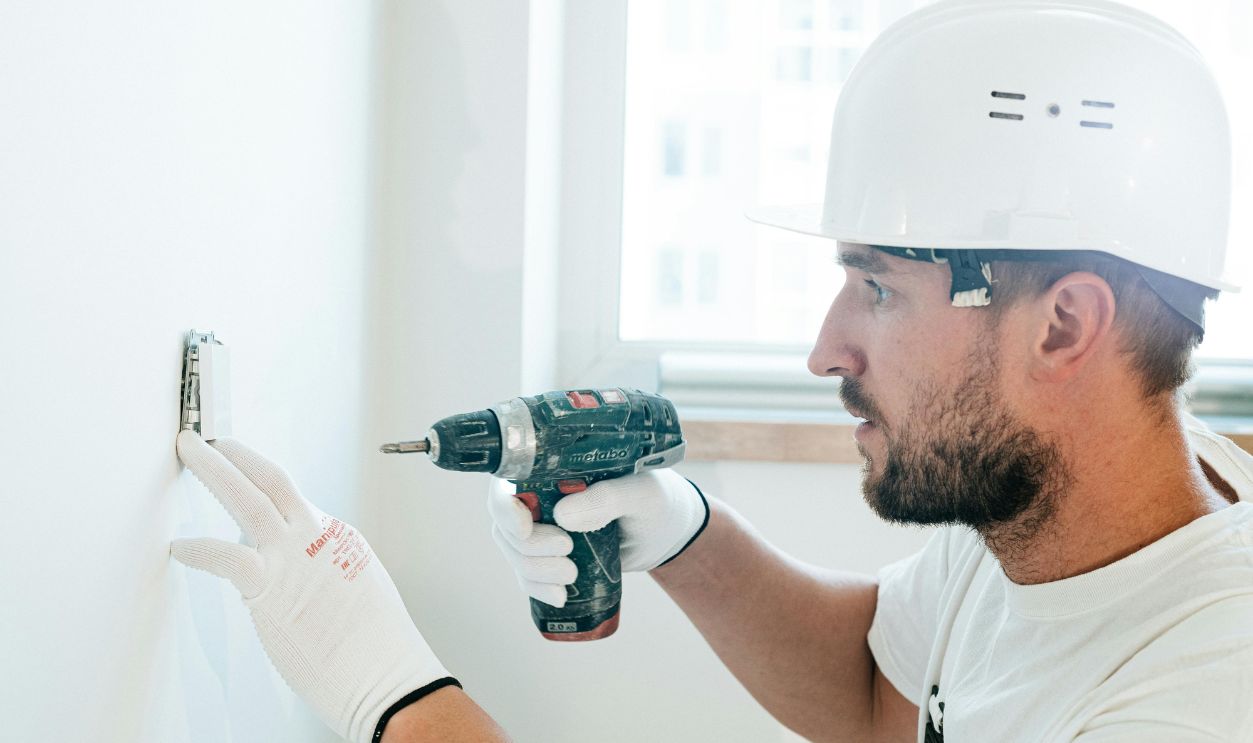
Some renters assume tiny electrical issues don’t matter. Tightening a loose outlet plate or replacing a light fixture may seem harmless. But electrical systems are interconnected, and what looks simple can sometimes expose deeper problems in the wiring.
What If It Really Is Something Minor?
Not every electrical problem requires a full service call. Sometimes the issue is as simple as resetting a breaker or replacing a light bulb. These small tasks are usually fine for tenants to handle. The key difference is whether the fix involves modifying the building’s wiring.
Safety Should Always Come First
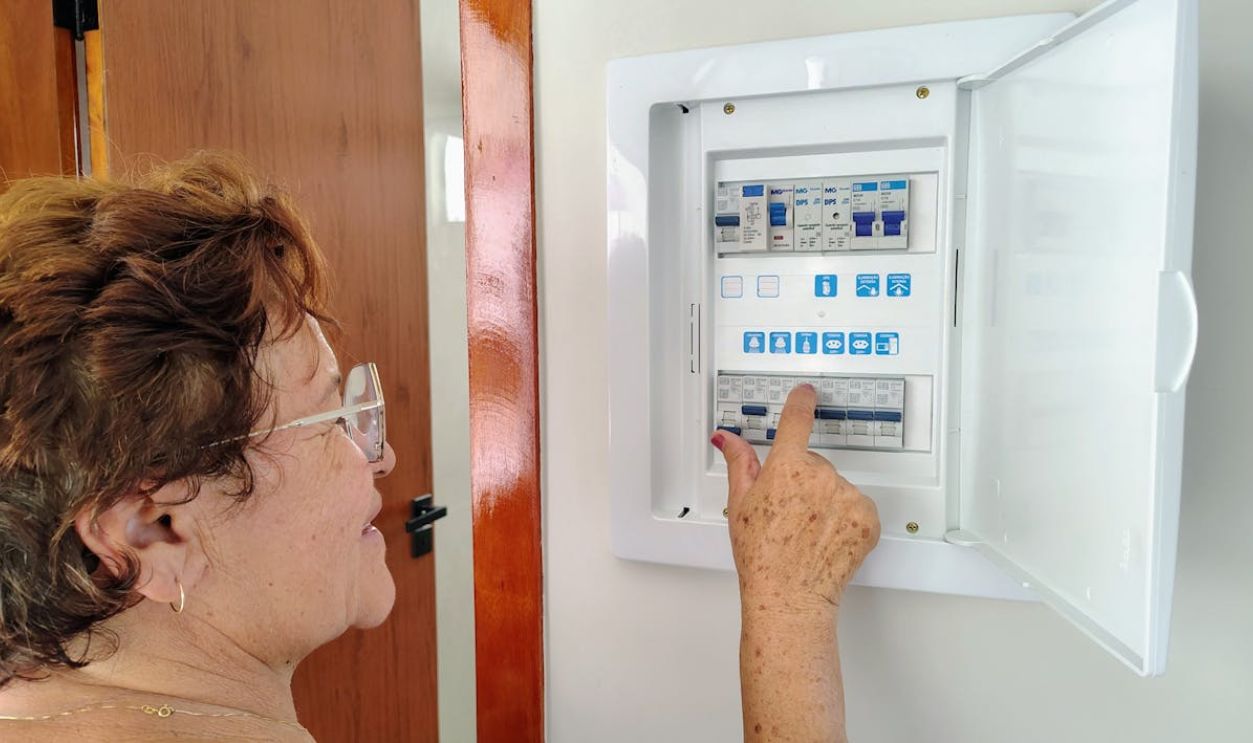
Electricity isn’t the place for guesswork. Faulty wiring can lead to shocks, fires, or damage to appliances. Even experienced electricians take precautions because hidden problems can appear once a repair begins.

There’s Also The Neighbor Factor
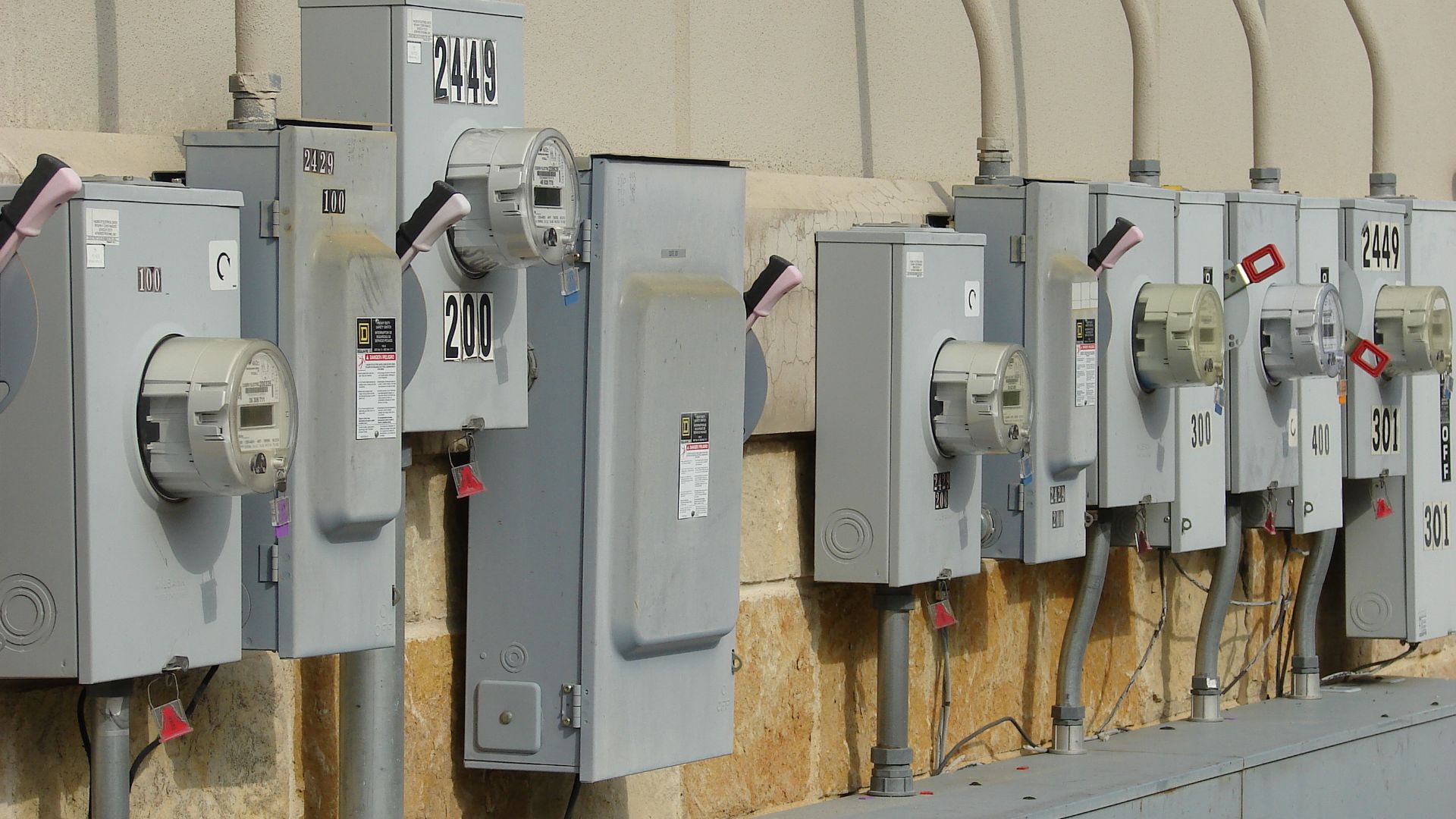
In apartment buildings, electrical systems are often shared across units or floors. A problem in your panel might actually originate somewhere else in the building. If someone unofficially starts troubleshooting, it could affect power to other residents.
Maintenance Requests Exist For A Reason
Submitting a maintenance request may feel inconvenient, but it creates a record of the issue. That documentation protects both you and the landlord if the problem gets worse later. It also ensures the repair is handled through the proper channels.

How Landlords Usually Handle Electrical Complaints
Most landlords treat electrical issues as high priority. Flickering lights, buzzing outlets, and breaker problems can indicate safety risks. In many buildings, maintenance teams will schedule an electrician quickly—sometimes the same day.
A Better Approach: Ask First
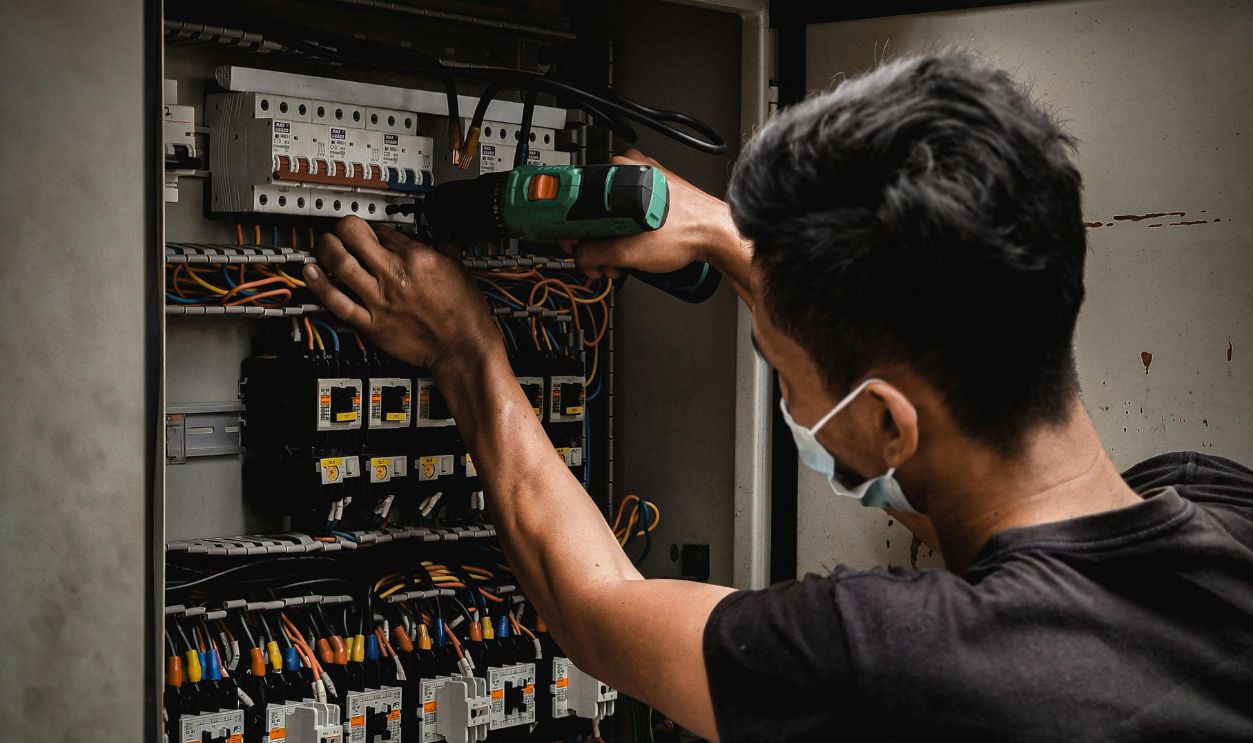
If you truly want to save your landlord time and hassle, simply ask before doing anything. Send a message explaining the issue and mention that your boyfriend is a licensed electrician who could take a look if they approve.

Some Landlords Might Actually Say Yes
Occasionally, a landlord may allow a tenant’s electrician to perform a small repair—especially if it’s quick and well documented. They might request proof of licensing or ask for a brief description of the work being done.

Written Permission Is Key
If the landlord agrees, make sure the approval is in writing. A quick email confirming that your boyfriend can perform the repair protects everyone involved. That way there’s no confusion later about whether the work was authorized.

Documentation Helps Everyone
Professional electricians often document their work anyway. Photos, invoices, and descriptions of the repair can reassure landlords that the job was completed properly. It also helps create a maintenance record for the building.

Sometimes The Landlord Will Prefer To Handle It
Don’t be surprised if the landlord politely declines your offer. It’s rarely personal. They simply have established maintenance processes, insurance requirements, and trusted contractors who handle electrical work.

The Hidden Benefit Of Letting Them Fix It
There’s actually an upside to letting your landlord deal with electrical repairs: you don’t pay for it. If the issue involves the building’s wiring or infrastructure, the landlord typically covers the cost.
When DIY Repairs Can Backfire
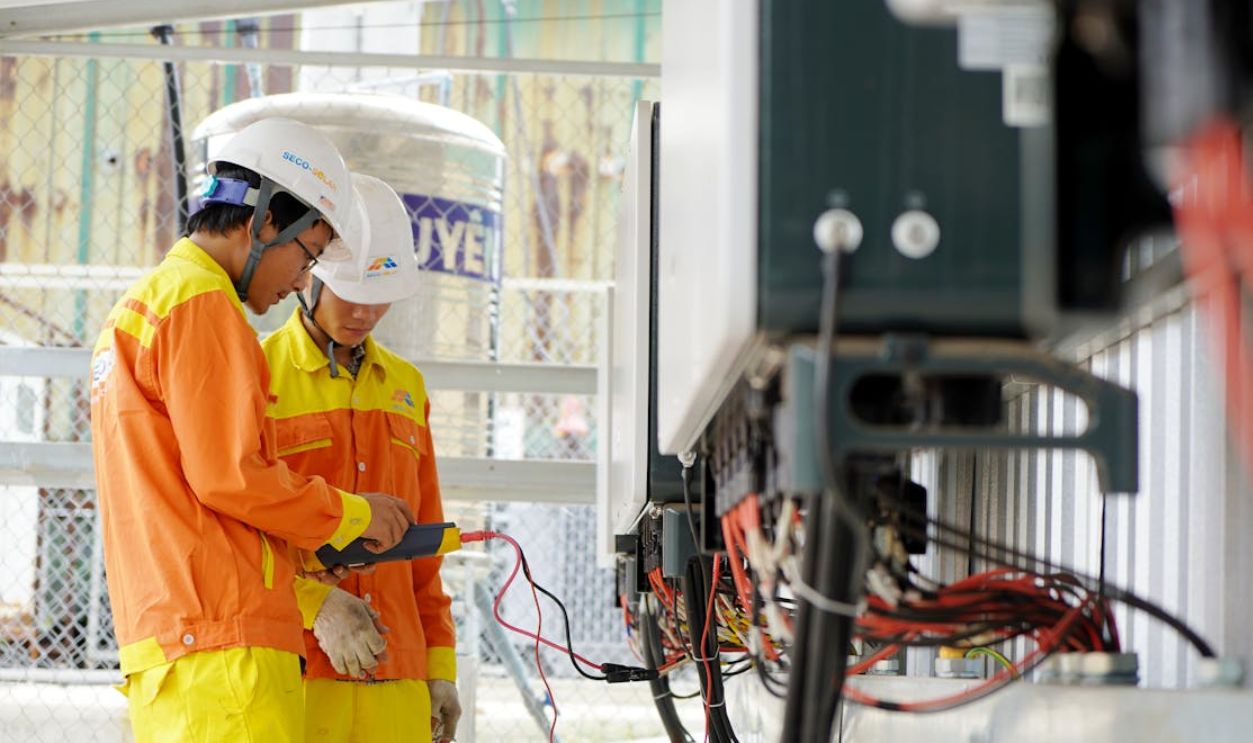
Unauthorized repairs can occasionally lead to unexpected consequences. If a landlord discovers unapproved electrical work, they might require their own electrician to inspect the system—sometimes charging the tenant for the visit.
Protecting Your Relationship, Too
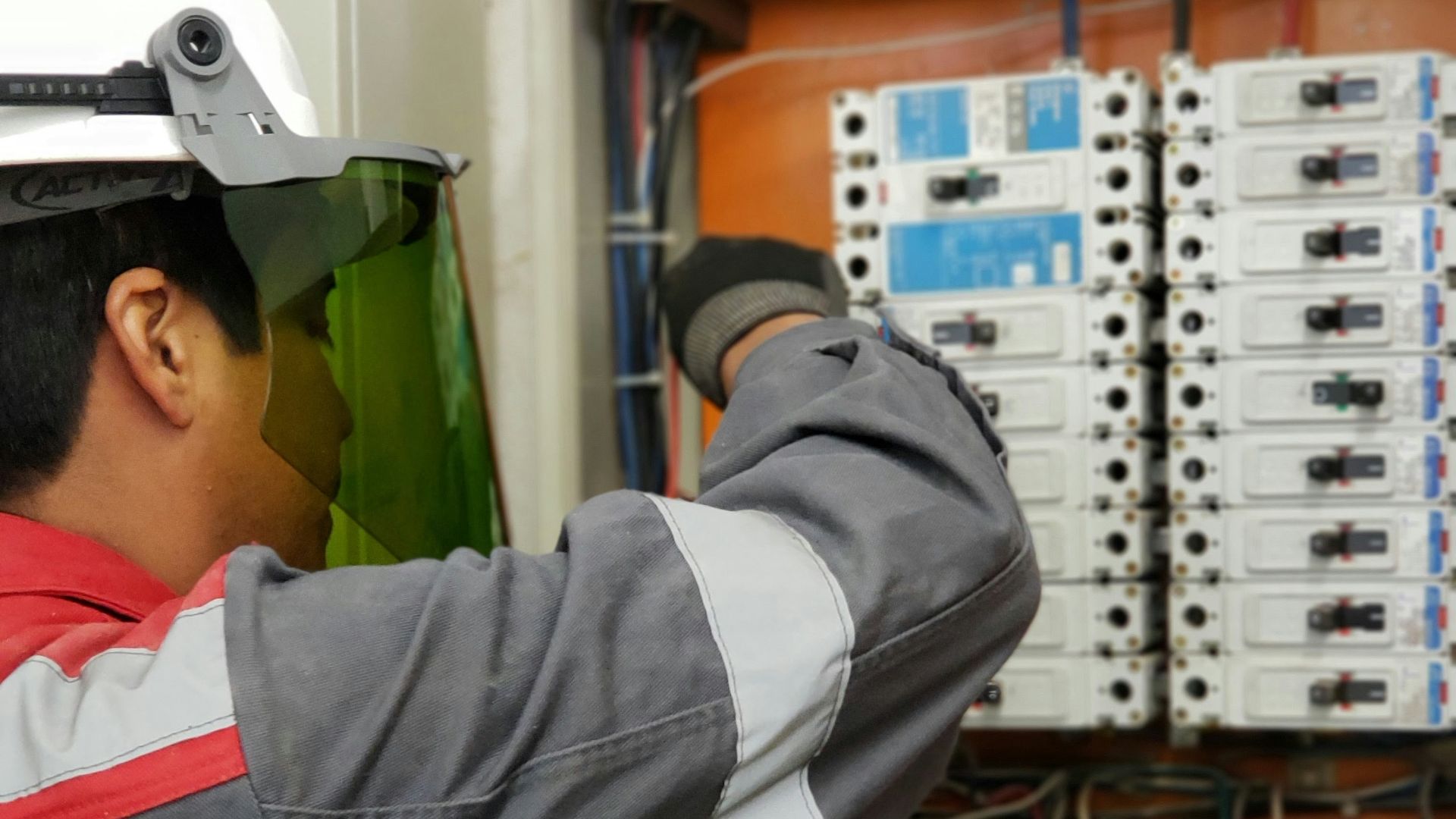
Let’s be honest: mixing home repairs and relationships can get tricky. If something goes wrong after your boyfriend fixes the wiring, it might create stress for both of you. Letting the landlord handle the repair can save everyone a headache.

Communication Makes Everything Easier
The best approach is usually simple communication. Let your landlord know what’s happening, explain your idea, and see what they prefer. Most property managers appreciate tenants who report problems quickly and openly.

The Bottom Line For Renters
Even if you’re dating an electrician, electrical repairs in a rental property aren’t always your call to make. Because wiring affects safety, insurance, and building infrastructure, landlords typically want to manage those fixes themselves.
When Helping Actually Helps
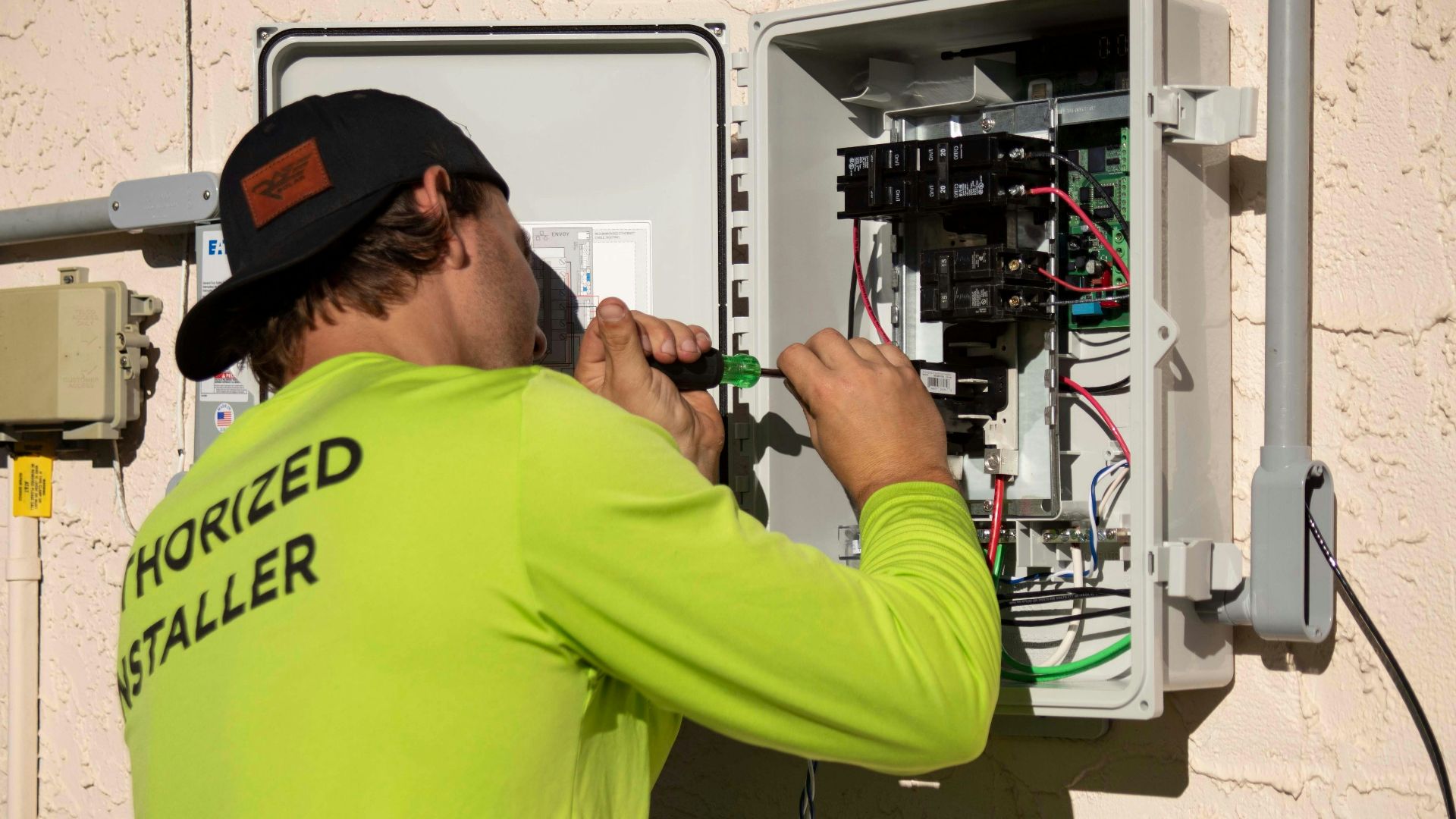
If your boyfriend does get involved—with permission—it can absolutely work out. A qualified professional fixing a small issue quickly can benefit everyone. The key is making sure the landlord is aware and comfortable with the arrangement.

A Little Patience Can Prevent Big Problems
It’s understandable to want a fast solution when electrical issues pop up. But taking a moment to notify your landlord and follow the proper process can prevent liability issues, lease violations, and safety risks down the line.