
When Your Driveway Feels Like A Debt Trap
Owning one car that’s worth less than you owe is stressful. Owning two? That’s the financial equivalent of juggling flaming swords while standing in gasoline. If you’re upside down on both loans, you’re probably staring at your monthly payments wondering whether it would be smarter to sell everything and embrace a car-free life.
Before you make a dramatic driveway purge, it helps to understand how negative equity works, what happens if payments fall behind, and what your real options are. Let’s break it down—calmly, clearly, and without pretending this situation is rare. It isn’t.

What Being Upside Down Actually Means
Being upside down means your loan balance is higher than the car’s market value. Cars depreciate quickly—especially in the first few years—so it’s surprisingly easy to end up here.
If you financed most of the purchase price, rolled fees into the loan, or chose a long repayment term, the odds increase. The car loses value faster than you reduce the principal. That gap is negative equity.

How Two Loans Multiply The Stress
One underwater vehicle strains your budget. Two can suffocate it. You’re essentially paying interest on assets that are shrinking in value every day, and that can create serious cash-flow pressure.
It’s not just about the payments. It’s insurance, maintenance, fuel, registration. When both cars are financed, you’re managing double the exposure.

Why Falling Behind Changes Everything
Missing a payment isn’t just a small hiccup. It can trigger late fees, penalty interest, and collection activity.
If the default continues, lenders have rights to recover their collateral. That means repossession becomes a real possibility—not as a scare tactic, but as part of the contract you signed.

What Repossession Actually Looks Like
Repossession happens when a lender takes back the vehicle after you default. In many cases, they don’t need a court order. If the loan agreement allows it and you’re in default, they can act.
This doesn’t erase your debt. It just transfers the problem into a different phase—often a more expensive one.
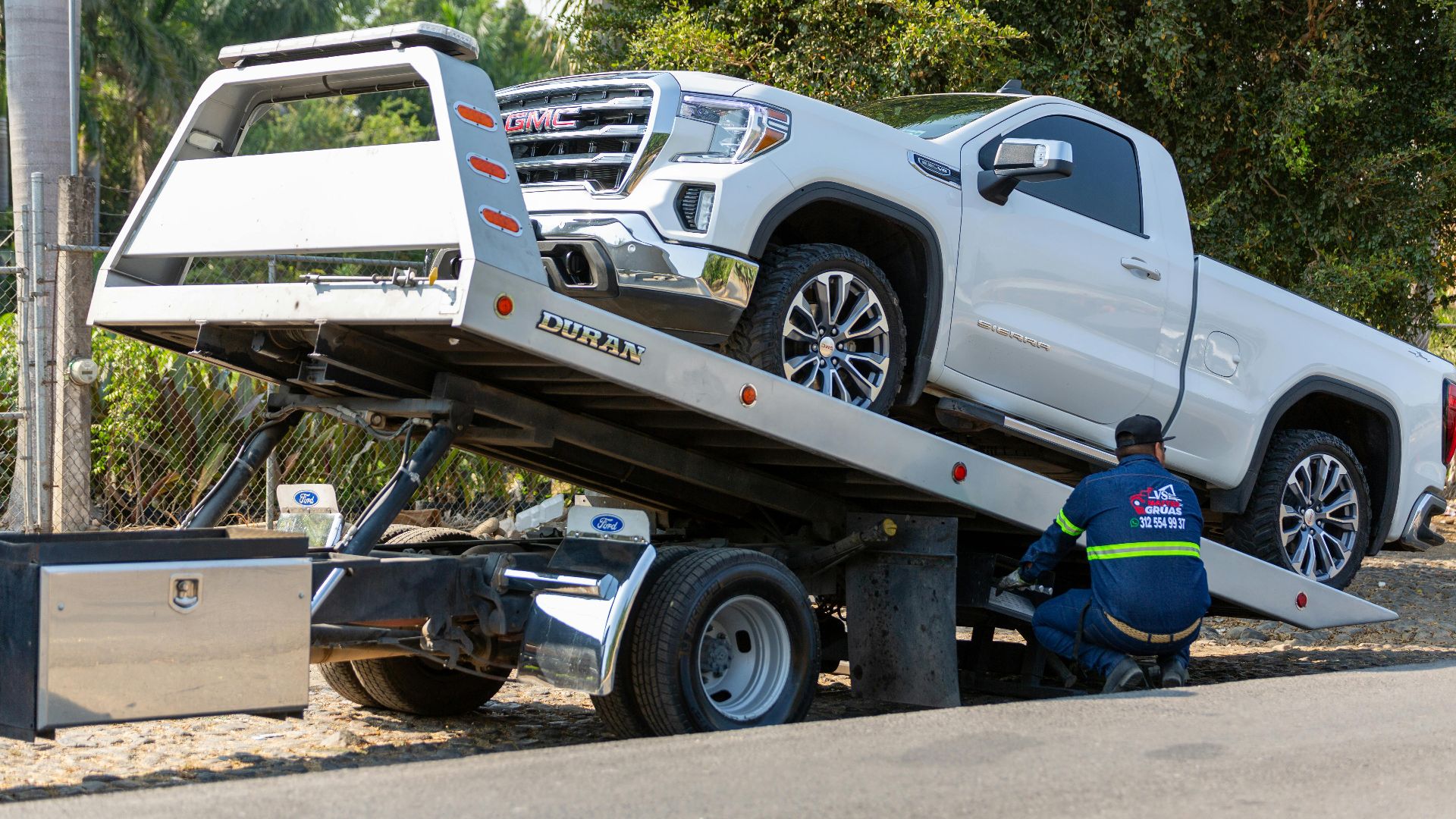
Voluntary Vs Involuntary Surrender
There are two main paths. You can return the car yourself—called voluntary surrender—or the lender can seize it. Voluntary surrender doesn’t protect your credit score from damage, but it may reduce towing and recovery fees.
Either way, the vehicle is gone. The financial obligation usually isn’t.

What Happens After The Car Is Taken
Once repossessed, the lender typically sells the car. That sale is meant to recover what’s owed.
Here’s the catch: auction prices are often lower than private sale values. If the sale doesn’t cover the remaining loan balance, you’re responsible for the difference. That leftover amount is called a deficiency balance.

The Reality Of Deficiency Balances
This is where many people are surprised. Losing the car doesn’t mean the loan disappears.You can still owe thousands—even after the vehicle is sold.
That remaining balance can be sent to collections or pursued legally, depending on the situation. So walking away rarely means walking free.

The Credit Score Fallout
Repossession significantly harms your credit. It can remain on your credit report for years, affecting your ability to borrow in the future.
That damage can influence mortgage approvals, credit card rates, even rental applications. It’s not permanent—but it’s not minor either.

Can You Get A Repossessed Car Back?
In some situations, you may be able to reinstate the loan by catching up on missed payments and covering fees. That window is usually short.
For most borrowers in serious financial strain, coming up with a lump sum to reverse repossession isn’t realistic. Which brings us back to your core question: should you sell before things escalate?

Selling Before Default: The Smarter Exit?
Selling the car yourself usually brings a higher price than a lender auction. That extra value can shrink your negative equity gap.
But if you’re upside down, you’ll still need to cover the shortfall. That might mean dipping into savings, taking a small personal loan, or negotiating with the lender.

Covering The Gap When You Sell
If Car A sells for $18,000 but you owe $22,000, you’ll need to find $4,000 to close the loan. Multiply that by two vehicles and the math can feel daunting.
This is the moment for honest number-crunching—not hopeful guesswork. Get payoff amounts from both lenders and realistic market values for both cars before making any decisions.

Refinancing As A Middle Ground
If selling both cars feels drastic, refinancing could lower monthly payments. Extending the loan term may ease cash flow—though it can increase total interest paid.
This option works best if your credit is still strong and you’re not deeply underwater. It’s a pressure valve, not a miracle cure.

Budget Triage Before Big Moves
Before listing anything for sale, examine your full budget. Are there subscriptions, discretionary expenses, or high-interest debts that can be reduced?
Sometimes the cars aren’t the only issue. Sometimes they’re just the most visible one in a broader financial imbalance.

When Professional Advice Makes Sense
If you’re juggling multiple debts and feeling overwhelmed, speaking with a licensed insolvency professional can clarify your options. Structured debt solutions can sometimes protect assets while addressing unsecured debt elsewhere.
It’s not about panic. It’s about informed decisions.

The Case For Going Car-Free
Let’s say you sell both cars, cover the negative equity, and walk away loan-free. What changes?
You eliminate loan payments, insurance premiums, maintenance surprises, fuel costs, and registration fees. Depending on your commute and lifestyle, that could free up hundreds—or thousands—each month.

The Hidden Costs Of Car-Free Living
But going car-free isn’t automatically cheap. Public transit, ride-shares, rentals, and delivery services add up.
If you live in a transit-friendly city, the shift might be smooth. If you rely heavily on driving for work or family needs, the trade-offs could outweigh the savings.

Keeping One Car Instead Of Two
Another option: sell one vehicle and keep the more affordable loan. This reduces monthly obligations while preserving flexibility.
Sometimes the smartest move isn’t extreme—it’s strategic. One manageable car payment may be far less stressful than two crushing ones.

Timing Matters More Than Emotion
When debt feels heavy, the urge to escape quickly is strong. But decisions made in financial panic can create new problems.
Gather payoff statements, calculate equity gaps, compare transportation alternatives, and project monthly savings. Let math—not frustration—guide you.

Rebuilding After The Decision
Whether you sell both cars, keep one, refinance, or restructure debt, your next goal is stability. Prioritize emergency savings. Avoid rolling negative equity into future vehicle purchases.
Cars should serve your life—not anchor it.

So, Should You Sell Both?
The answer depends on three factors: your total negative equity, your monthly cash-flow strain, and your realistic transportation alternatives.
If keeping both cars means constant stress and growing default risk, selling—before repossession—often causes less long-term damage. If payments are tight but manageable, restructuring or downsizing to one vehicle may strike a better balance.

You May Also Like: