The Shock After Losing Your Home Security
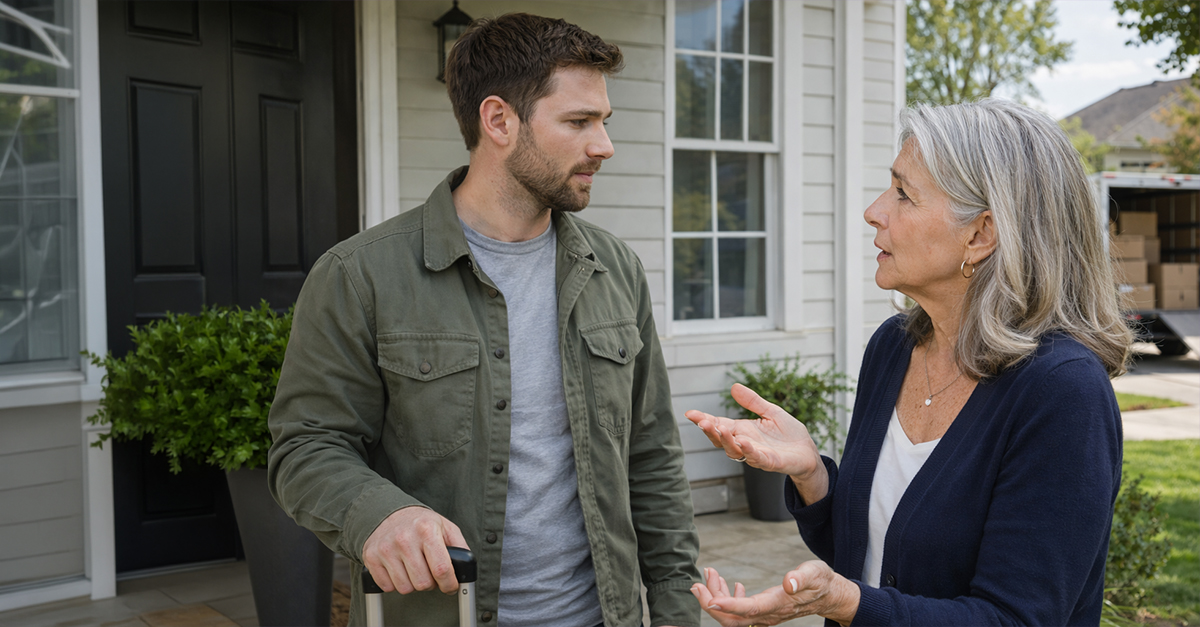
You lived with your husband in his home for years, paid the bills, and treated it as your own. Now your stepson has inherited the house and plans to move in with his kids, leaving you wondering if you can be forced out. The answer depends on ownership, inheritance, and your legal rights as a surviving spouse.

Ownership And Occupancy Aren’t The Same
Even if your stepson inherited the house, that doesn’t automatically mean he can have you launched out of there immediately. Ownership and the right to live in the home are two different legal concepts, and courts often treat them separately in estate disputes.

The Deed Is The First Thing To Check
Your rights depend heavily on how the home was titled. If the property was held jointly with your spouse, you may have automatically inherited full ownership through survivorship rights, regardless of what your husband’s will says.

Joint Ownership Can Override A Will
If you and your spouse owned the home jointly with right of survivorship, the property typically passes directly to you after death. In that case, your stepson wouldn’t have authority over the property at all, even if he was named in the will.

If The House Was In Your Husband’s Name Alone
If your husband owned the home individually, then it may pass through his estate. This is where your stepson’s claim will become more relevant, especially if he was named as the heir in a will or trust.

You May Still Have A Life Estate Right
In many states, surviving spouses are granted a life estate or homestead right. This means you may have the legal right to live in the home for the rest of your life, even if someone else is the legal owner.

Homestead Protections Have Power
Some states have strong homestead protections. These laws can stop heirs from forcing a surviving spouse out of the home, even when the spouse doesn’t hold title to the property.
 Centre for Ageing Better, Pexels
Paying Expenses Can Strengthen Your Position
If you paid property taxes, utilities, and maintenance for years, that can also support your claim to remain in the home. Courts sometimes consider financial contributions when evaluating equitable or ownership interests.

You May Have An Equitable Claim
Even without formal ownership, you may be able to argue unjust enrichment or constructive trust. This means you contributed significant money to the property and shouldn’t be unfairly displaced without at least some kind of compensation.

Your Stepson Can’t Just Evict You
Even if your stepson legally owns the property, he can’t simply remove you. He must go through a formal eviction process, and a court would evaluate your rights before allowing any removal.

Eviction Requires A Court Process
An eviction requires proper notice and a legal filing. You will have the opportunity to respond and present your case. This process alone can give you the time and space to assert your rights and negotiate a solution.

Probate Complicates Everything
If the property is going through probate, you will have to wait until the situation is fully settled. This can take a while. But until the court finalizes ownership, your stepson’s ability to take action may be limited.

Blended Families Make For Complex Outcomes
When families include stepchildren, property disputes are common. Laws attempt to balance the rights of surviving spouses with the inheritance rights of children, which often leads to shared or overlapping interests in the home.

You May Have The Right To Stay
In many cases, surviving spouses retain the right to live in the home, even when children inherit ownership. This can create a situation where you have possession rights while your stepson holds future ownership.

Maintenance Responsibilities Still Apply
If you stay on in the home under a life estate or homestead right, you are usually the one responsible for maintaining the property, paying taxes, and keeping insurance in place.

Your Stepson May Have Future Rights Only
If you have a life estate, your stepson might not be able to move in or take possession until your rights end. His ownership may be put on hold until you leave or pass away.

Documentation Is Critical
Gather records showing your payments, contributions, and residency. These documents can support your claim and strengthen your position if the dispute goes to court.

Legal Help Is Essential
Estate and property laws vary by state and can be complex. Consulting a probate or real estate attorney is one of the most important steps you can take to understand your rights and options.
Negotiation May Be Possible
Even in contentious situations, negotiation can bring solutions. You and your stepson may be able to come to an agreement on a buyout, shared arrangement, or timeline that avoids a prolonged legal battle.

Final Takeaway
Your stepson inheriting the house doesn’t automatically mean he can force you out. Your rights depend on how the property was owned and state law protections for surviving spouses. In many cases, you may have the right to remain in the home, at least for a period of time, and possibly for the rest of your life.

You May Also Like: