
Money Brings Requests
You just inherited $22,000 from your grandmother’s will. This sum of money feels meaningful, both financially and emotionally. But shortly after you received the money, your step-dad asked you to co-sign a loan to help him start his own barbershop. You’re torn between wanting to lend a helping hand to family and worrying about risking a large sum of money that could help your future.

What Co-Signing Really Means
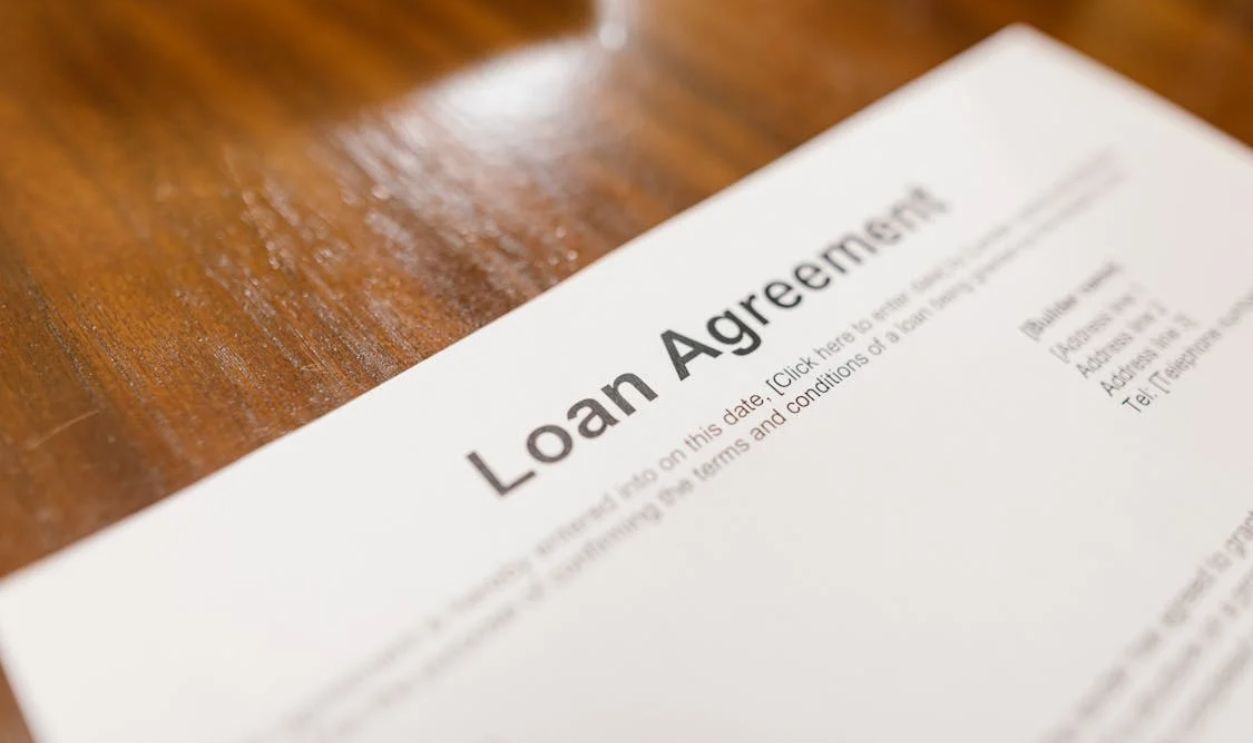
It’s crucial to realize what his request entails: co-signing a loan makes you legally responsible for the full debt if the borrower can’t pay. The lender can now come after you for missed payments without first exhausting options against your step-dad. This obligation is in place no matter what your relationship is with him, and regardless of his good intentions.

Not A Small Favor
Co-signing is usually framed as a gesture of support and good will, but it can’t hide the fact that it’s a serious financial commitment. By co-signing, you’re effectively guaranteeing the loan with your credit and future income. If his business struggles, or God forbid, goes under, the consequences fall on you just as much as they do on him.
New Businesses Are High Risk
The unpleasant reality is that most small businesses fail within a few years. Even well planned ventures face market shifts, cash flow problems, and unexpected expenses. Lenders are well aware of this risk, which is why they often require co-signers for borrowers who lack strong financial backing.

Inheritance Has Emotional Weight
Money inherited from a grandparent often carries a great deal of emotional significance. It may represent trust, love, or a desire to give you stability. You were lucky enough to have fond memories of a grandparent before they passed on, and preserving those memories is important. Using that money to underwrite someone else’s business risk could conflict with the larger emotional reason why the money was left to you.
 Jelena Stanojkovic, Shutterstock
Co-Signing Can Damage Your Credit
If your step-dad misses or makes late payments, your credit score can drop quickly. That can then affect your ability to rent, buy a home, finance a car, or even qualify for certain jobs. Credit damage can linger around long after the business either succeeds or fails.

Family Dynamics Complicate Things
It’s a well-known fact that when family and money mix, boundaries get blurred. If the business flounders, it can strain relationships. You may experience strong feelings of guilt or pressure not to enforce repayment or to cover shortfalls. This unfortunate dynamic can turn financial stress into seething long term resentment. It only seems to make matters worse.

Co-Signing Limits Your Own Financial Autonomy
Once you co-sign, the loan now shows up on your credit report. That can place sharp limits on how much you can borrow for your own goals. Even if, in the best -case scenario, everything goes smoothly and your step-dad pays reliably, lenders still count the debt against you.

The Difference Between Help And Risk
Supporting someone emotionally or offering advice is a very different thing from risking your own financial future. Helping him out doesn’t require you to absorb the downside risk. Knowing this distinction helps you evaluate what you’re truly comfortable offering.

Inheritance Doesn’t Create Obligation
A lot of people need to be reminded that receiving inheritance money doesn’t obligate you to redistribute it. You aren’t selfish for wanting to protect it. This money is yours to use or save based on your own priorities, not as collateral to assist with someone else’s ambitions.
 Photo By: Kaboompics.com, Pexels
Ask Why A Co-Signer Is Needed
If your step-dad’s business plan is strong and his finances are on a firm foundation, a lender might not require a co-signer. The request itself is evidence that the prospective lender sees a risk. It’s important to understand why the lender won’t approve the loan on his own before agreeing to anything.

Make A Counteroffer Instead Of Co-Signing
If you feel pressure to help but want protection, you could raise the idea of a counteroffer instead of co-signing. This might include a small ownership stake or a temporary share of profits until repayment is complete. That said, mixing family and equity can complicate relationships and taxes, so this approach is not suitable for everyone.

Consider Safer Ways To Offer Support
If you really want to help, there may be some lower risk options available. You could offer guidance, help with budgeting, or a small amount of money you’re prepared to lose. These options limit your exposure while still showing goodwill.

Loans And Gifts Aren’t The Same
If you give money with expectations of repayment, that’s a loan. If you give money without any strings attached, it’s a gift. Co-signing often muddies the waters of this distinction and creates confusion that can do real long-term damage to family relationships and friendships when things go wrong.

The Dreaded Word “No”
Saying no might feel uncomfortable for some people, but if you are one of those who hesitates to disappoint others, keep in mind that the discomfort is temporary. Financial damage on the other hand, can last for years. How your step-dad reacts to your respectful refusal may tell you a lot about whether your concerns are even being taken seriously.

You Don’t Need To Decide Right This Second
Pressure to act fast in money matters is always a red flag. Legitimate business plans can always withstand delays. Taking time to think, ask questions, and consult with professionals protects you from making rash impulsive decisions driven by guilt or urgency.

Talk To A Financial Professional First
A financial advisor or credit counselor can explain the risks involved in this matter clearly and objectively. Coming from a neutral expert, this advice can come as sage wisdom that will help you feel confident about your decision and provide you with the language for explaining your stance to the rest of your family.

Written Agreements Don’t Do Away With Risk
Even formal agreements between family members don’t protect your credit if the loan defaults. Lenders don’t care about any private arrangements you may have made in the meantime. Their contract is with every signer on the loan.

Protecting Yourself Isn’t Disrespect
Setting boundaries isn’t a rejection of your family members and their needs. It’s an acknowledgment that your financial security matters. You can still care deeply about someone without putting your credit and inheritance on the line.

What Are Your Long Term Goals?
Ask yourself how this decision affects your future plans. Buying a home, returning to school, or building savings all require financial flexibility. Co-signing a risky loan can quietly derail those goals.

Before You Decide
Co-signing a loan puts your inheritance and credit on the line for a business you don’t even control. You aren’t required to take that risk to prove loyalty or generosity. Protecting your financial future is reasonable, responsible, and fully justified.

You May Also Like: