
The $50,000 Family Fight Starts With One Big Question
If your aunt left you $50,000, but your parents, siblings, and relatives say she really wanted you to share it, you should start here: In most cases, what matters most is the estate plan she actually signed, not what family members claim she said. That may feel cold in the middle of grief, but probate law usually runs on documents, not how the family feels.

Why This Gets Messy Fast
Inheritance fights blow up because grief and money hit at the same time. A relative may honestly believe your aunt wanted a different outcome, especially if she talked loosely about helping everyone. But unless those wishes made it into a valid will, trust, beneficiary form, or other enforceable document, that belief may not carry much legal weight.

Start With The Paperwork, Not The Drama
The first real question is how the $50,000 passed to you. Was it through a will, a trust, a payable-on-death account, or something else? Each type of transfer has its own rules, but they all lean hard on written instructions. Before anyone argues about fairness, figure out which legal document controls the money.

What Probate Courts Usually Care About
Probate courts usually focus on carrying out the decedent's intent as shown in valid estate documents. The American Bar Association explains that a will lets a person direct who gets their property after death, and those written directions are central to the process. So your family's version of your aunt's unwritten wishes may feel powerful, but it usually is not where the legal analysis starts.

If There Is A Valid Will, That Matters A Lot
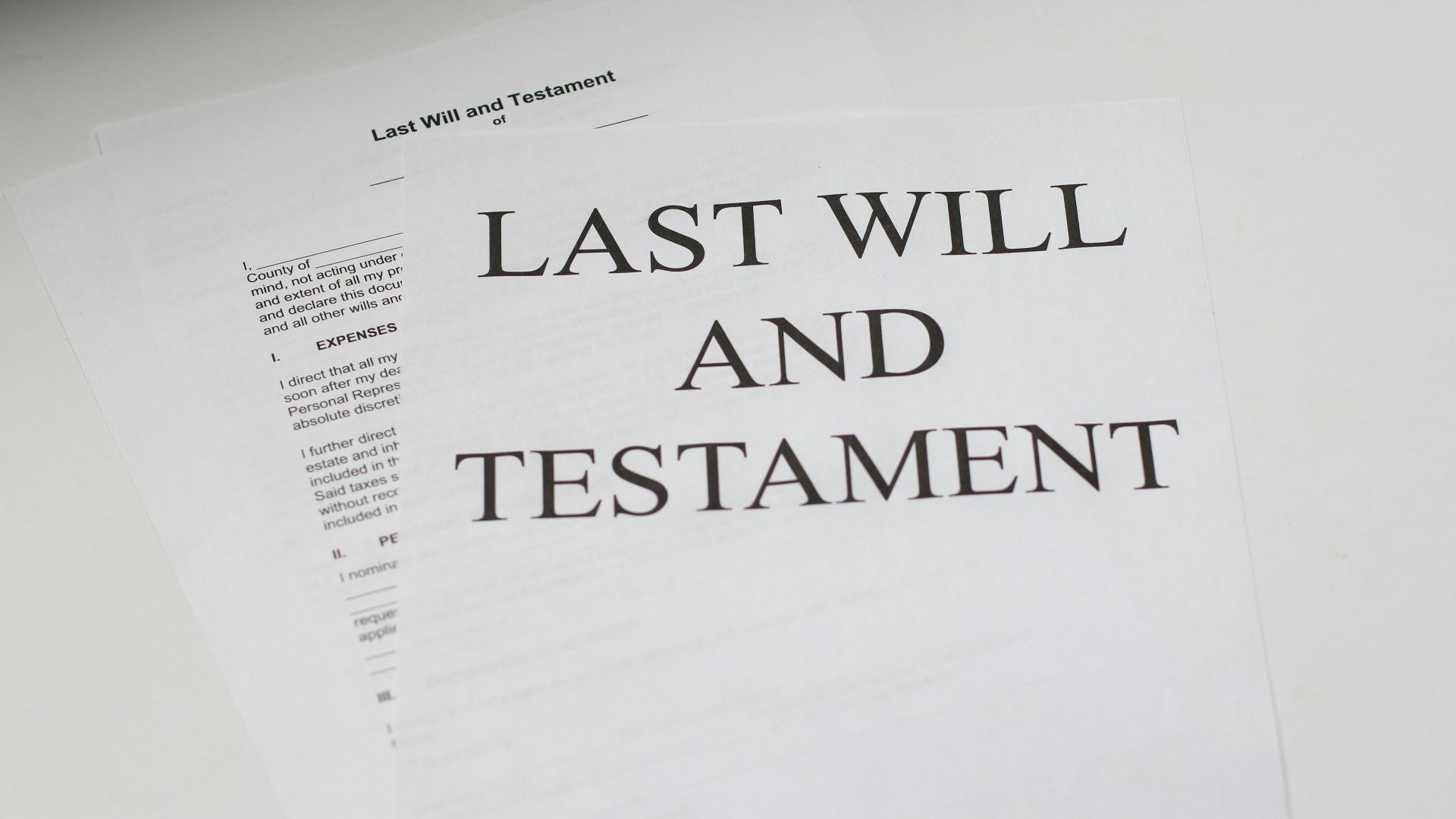
If your aunt signed a valid will and it leaves you $50,000 outright, that is strong evidence of what she wanted. Courts do not usually rewrite a clear gift just because relatives think she would have changed her mind or preferred broader sharing. If the wording is plain, the document often speaks for itself.
The Written Words Usually Beat Family Stories
There is a reason estate lawyers care so much about paperwork. Cornell Law School's Legal Information Institute explains that extrinsic evidence, meaning evidence from outside the document, may come into play in some cases, but courts look first at the text itself. If the gift is clear, family memories may not get very far.
 https://kaboompics.com/, Pexels
When Family Stories Might Matter
That does not mean outside evidence never matters. If the will is unclear, if there are competing documents, or if someone claims fraud, undue influence, or lack of capacity, a court may look beyond the written words. In those narrower situations, your relatives' claims about what your aunt supposedly intended could become part of a bigger legal fight.

The Biggest Exception Is A Will Contest
If family members want to do more than complain, they usually need an actual legal theory. Common examples are arguing that your aunt lacked testamentary capacity when she signed the will or that someone pressured her through undue influence. The American Bar Association lists those as common grounds for will contests, and they are a lot more serious than saying she probably meant to share.
 https://kaboompics.com/, Pexels
Undue Influence Has A Specific Meaning
Undue influence is more than family pressure or hurt feelings. It usually means someone overpowered the person's free will so the document reflects the influencer's wishes instead of the decedent's own choices. A relative saying, "She never would have done this," is not the same as proving improper pressure in court.

Capacity Challenges Need Proof Too
A claim that your aunt lacked capacity is not easy to prove either. In general, the person challenging the will must show she did not understand the nature of making a will, the extent of her property, or the natural objects of her bounty when she signed it. Medical records, witness testimony, and the timing of the signing can all matter.

What If The Money Passed Outside Probate
Some assets do not pass under a will at all. The Consumer Financial Protection Bureau explains that accounts with payable-on-death or transfer-on-death designations generally go straight to the named beneficiary. If the $50,000 came from that kind of account and your name is on the beneficiary form, your family's claims about your aunt's unwritten wishes may matter even less.

Beneficiary Forms Can Override Family Expectations
This is one of the biggest surprises in inheritance disputes. A detailed family story can slam into a very simple reality when a bank or brokerage account names one specific beneficiary. In that situation, the institution usually follows the designation on file, not the family's sense of what would have been fair.

Trusts Follow Their Own Written Rules
If the money came from a trust, the trust document controls the distribution. Trustees have fiduciary duties, but they also have to follow the terms of the trust as written. If the trust says you get $50,000, relatives usually cannot change that by saying your aunt informally said something different over dinner.

A Handwritten Note Is Not Always Enough
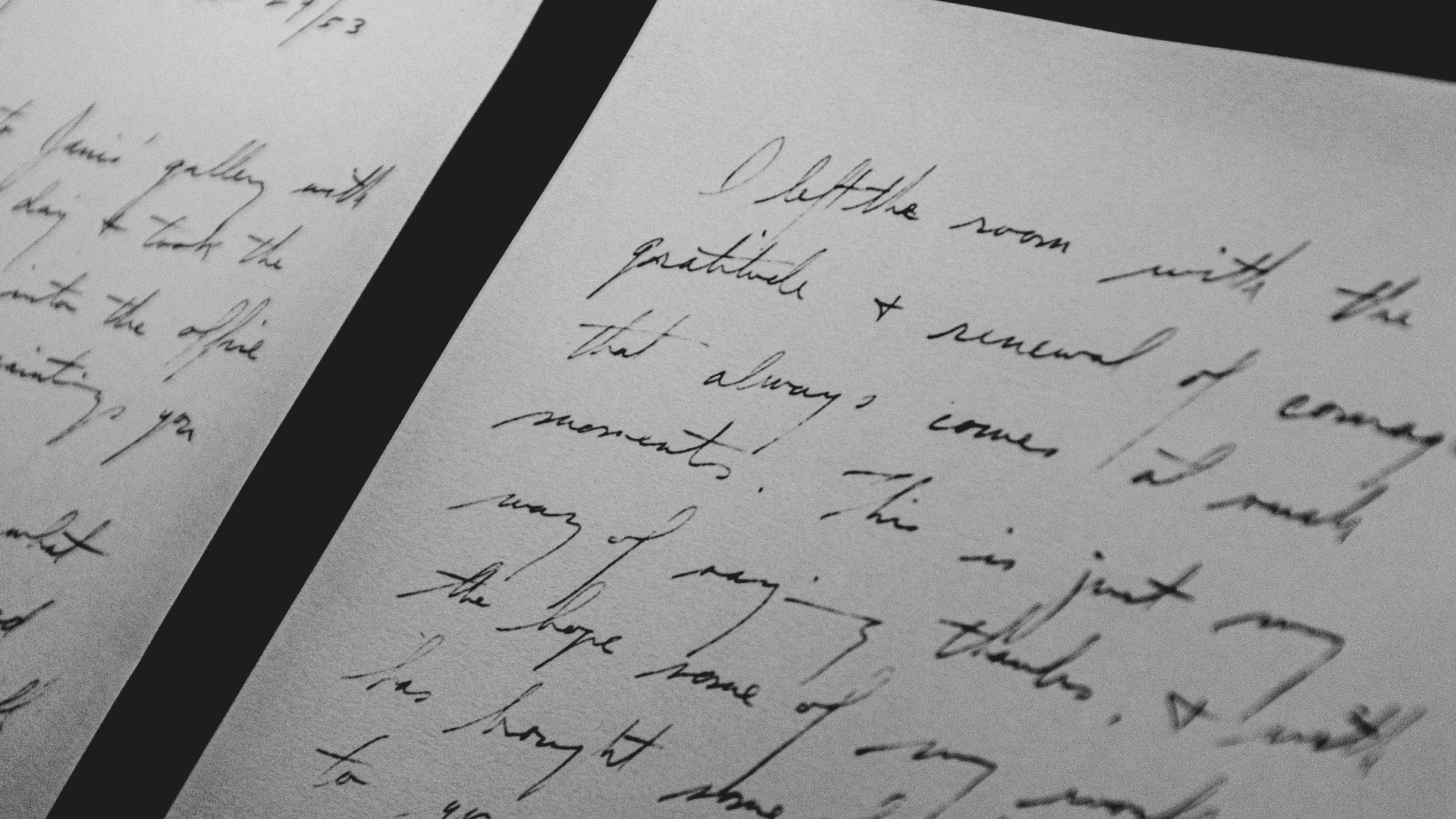
Families sometimes pull out letters, sticky notes, or text messages and treat them like a legal knockout punch. Sometimes those writings matter, but often they do not replace the formal rules for a will or an amendment. The legal effect depends on state law, the type of document, and whether the writing meets the required signing rules.
 LOGAN WEAVER | @LGNWVR, Unsplash
State Law Can Change Things Around The Edges
Inheritance law depends on the state, and that can matter. Some states recognize holographic wills under certain conditions, while others are stricter about signatures and witnesses. So if your relatives found a note saying, "Take care of everyone," that may carry emotional weight but little legal force unless it fits your state's rules.

The Executor Does Not Get To Wing It
If there is a probate estate, the executor's job is not to guess what seems fair after the fact. The executor is supposed to handle the estate according to the will and the law. The U.S. Courts' overview of probate administration describes the formal process of proving the will, identifying assets, paying debts, and distributing what is left.

Verbal Promises Are Usually The Weakest Claim
One of the most common family arguments sounds like this: "She told all of us she wanted the money split." That may be true. But oral statements are usually much harder to enforce than signed estate documents, especially when the person who made them is no longer alive to explain what she meant.

Courts Prefer Reliable Evidence For A Reason
There is a practical reason the law puts so much weight on formal documents. Written, signed, and witnessed records help reduce fraud and bad memory after someone dies. In an inheritance fight, that can feel harsh, but it also keeps the process from becoming a showdown between the loudest relatives.

Moral Pressure And Legal Duty Are Not The Same
Your family may try to make this about decency instead of law. That is a real source of pressure, especially if they accuse you of ignoring your aunt's spirit. But legal entitlement and moral obligation are two different questions, and you do not have to treat them as the same just because other people do.

You Are Allowed To Keep A Gift Left To You
This part is worth saying plainly. If your aunt validly left you $50,000, keeping it does not automatically make you selfish or legally exposed. A lawful inheritance is not theft just because other people wanted a different result.

That Said, Sharing Is Still Your Choice
You may still decide to share some of the money if keeping peace in the family matters more to you than keeping every dollar. That is a personal choice, not usually a legal requirement. If you do decide to share, do it because you want to, not because someone convinced you the law already requires it.

Do Not Hand Over Money Before You Understand The Paperwork
Once money changes hands, fixing that decision can be hard or impossible. Before writing checks to relatives, review the will, trust, beneficiary form, and any probate filings. If there is a real dispute, waiting for legal clarity is usually smarter than trying to calm everyone down with an early payout.

Ask For Details If Relatives Say She Meant Something Else
Vague accusations thrive in emotional moments. Ask what exact document, message, or statement they are relying on, when it was made, and whether anyone else heard it. Those details often show whether there is a real legal issue or just a family pressure campaign built on guilt.

Watch For Red Flags That Call For A Lawyer
You should get legal advice quickly if someone threatens to contest the will, accuses you of manipulation, or says a newer document exists. The same goes if the executor is withholding information or if the transfer involves a trust or payable-on-death account with confusing paperwork. An estate lawyer in your state can tell you whether the family's claims are serious or mostly noise.

If You Want To Avoid A Blowup, Keep Your Communication Calm
You do not need a dramatic speech. A short response often works better, like saying you are following your aunt's legal instructions and reviewing everything carefully. Staying calm can protect you emotionally and strategically if the disagreement gets worse.

Documentation Is Your Best Protection
Save copies of the will, trust, probate notices, account statements, and any messages from relatives about the dispute. If the conflict grows, a paper trail can help a lot. It also keeps you anchored to facts when family conversations start drifting into assumptions and pressure.

The Bottom Line On Whether Their Version Matters
Usually, their version of your aunt's wishes matters far less than the estate documents she actually signed. It may become relevant if there is ambiguity or a formal legal challenge involving capacity, undue influence, or defective paperwork. But in the usual case, the written plan controls, and family opinion does not rewrite it.

What To Do Next If You Are In This Position
Get the controlling documents, confirm how the $50,000 was transferred, and resist pressure to act before you understand your rights. If the paperwork clearly names you, your relatives may have strong feelings but not a strong case. And if the stakes are high or the accusations are serious, a local probate lawyer is the fastest way to separate actual law from family mythology.