
The New Workplace Bill Nobody Wants
Workers have always picked up small costs on the job. But paying out of pocket for AI feels different. These tools can change how fast you write, code, research, and summarize information. So in 2025, more employees are asking a simple question: if AI is becoming part of the job, whether workers want it or not, why should they be expected to pay for it themselves?

Why This Question Is Suddenly Everywhere
Generative AI went from novelty to office tool in just a couple of years. OpenAI launched ChatGPT in November 2022, and by February 2023, UBS research cited by Reuters said it had reached 100 million monthly active users faster than any consumer app before it. Once workers saw what these tools could do, many started paying for premium versions on their own.
What Counts As An AI Tool At Work
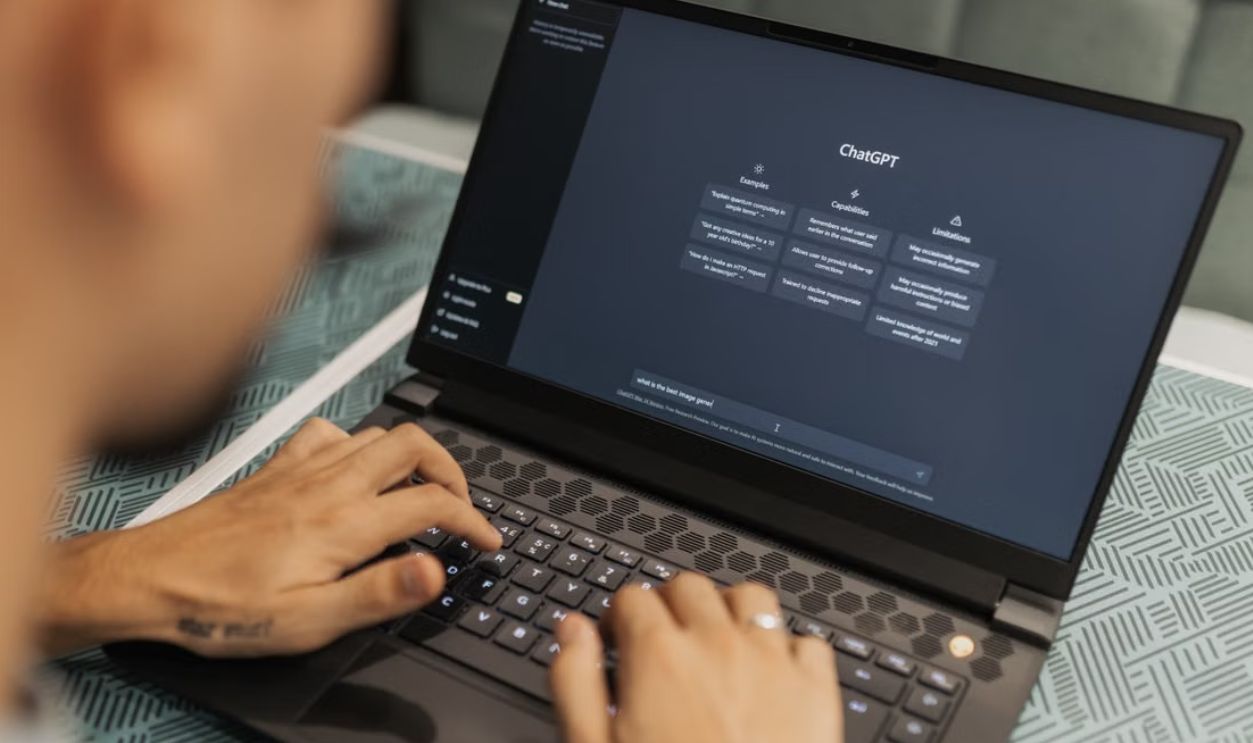
For many employees, that means subscriptions like ChatGPT Plus, Claude Pro, Gemini Advanced, Grammarly, Notion AI, or coding copilots. The shared pitch is simple: save time, help brainstorm, summarize information, or automate repetitive work. But when a boss expects those benefits and will not cover the cost, the line between personal convenience and business expense gets blurry fast.
There Is No Single National Rule Saying Employers Must Pay
In the United States, there is no broad federal rule that specifically says employers must pay for AI subscriptions. The legal issue is more practical than that. The Fair Labor Standards Act comes into play if job-related costs push a nonexempt worker’s pay below minimum wage or cut into overtime pay, according to the U.S. Department of Labor.

State Expense Laws Matter More Than Many Workers Think
Some states go further than federal law when it comes to business expenses. California Labor Code Section 2802 says employers must reimburse workers for necessary expenses they take on as a direct result of doing their jobs. Illinois and some other states also have reimbursement rules that may matter if an employer is effectively requiring a worker to buy software to do the work.

Required Versus Suggested Is Where The Real Fight Starts
A lot depends on whether the tool is actually optional. It is one thing for a manager to say an AI tool might help. It is another to set deadlines and output expectations that only make sense if someone is using a paid AI assistant. In disputes over reimbursement, written policies, emails, expense rules, and actual job expectations usually matter more than vague office culture.

Employers Are Moving Fast To Adopt AI
Businesses are not treating AI like a side experiment anymore. McKinsey’s 2024 global survey found that 65% of respondents said their organizations were regularly using generative AI, nearly double the share from the earlier survey less than a year before. As companies build AI into daily workflows, workers can feel real pressure to keep pace.

Workers Are Bringing Their Own AI Anyway
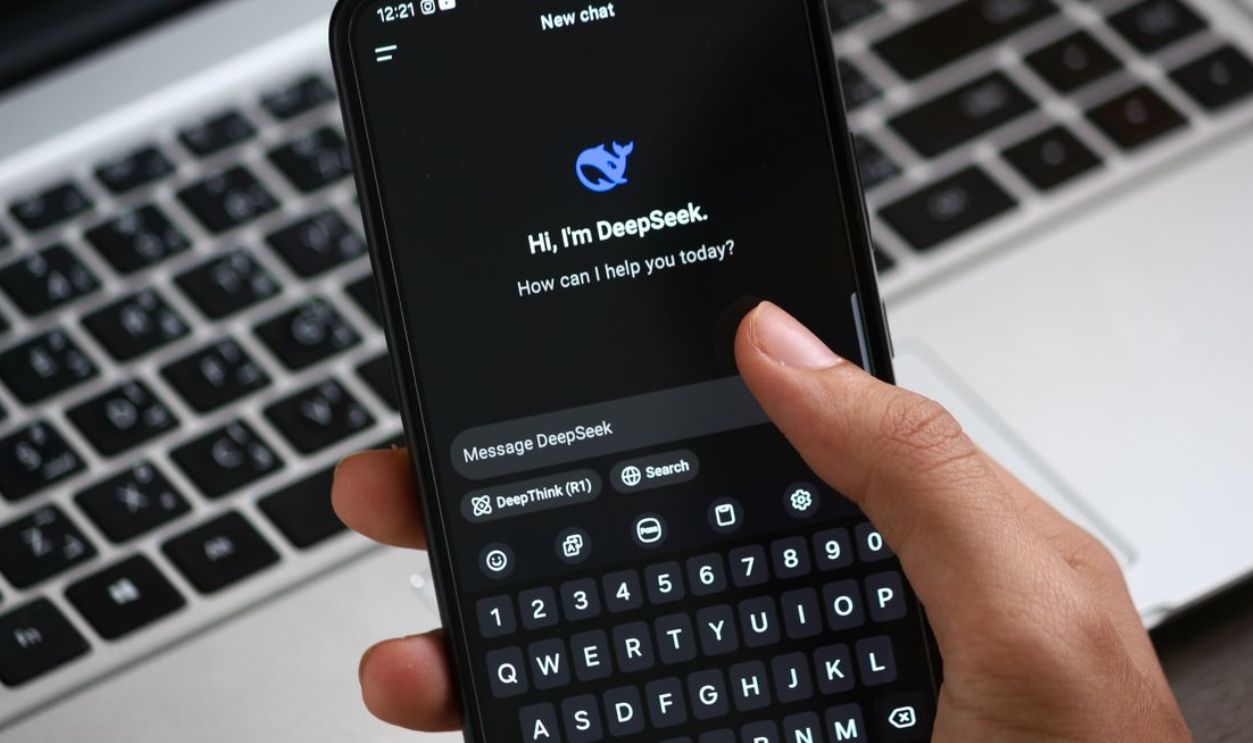
This is where things get interesting. Even when a company has not officially approved a tool, workers often use one quietly because it helps them finish faster. Microsoft and LinkedIn’s 2024 Work Trend Index found that 78% of AI users were bringing their own AI tools to work. That shows just how common unofficial AI use has become.
That Does Not Mean It Is A Healthy Setup
Common does not mean smart. When workers pay for job-related AI themselves, companies can get the productivity boost without taking on the cost, security review, or purchasing process. That leaves employees paying for something the employer may soon treat as the bare minimum.

Security Is The Part Employers Cannot Ignore
Consumer AI tools can create real risks when employees paste in sensitive company information. In April 2023, Samsung banned certain generative AI tools after reports that employees had uploaded sensitive company code to ChatGPT, according to Bloomberg Law. That became an early warning that unmanaged AI use is not just a budget issue. It is also a data security problem.
 Kenneth C. Zirkel, Wikimedia Commons
Privacy Concerns Changed The Debate Early
Italy temporarily blocked ChatGPT in March 2023 over privacy concerns before OpenAI made changes and the service returned the next month, according to the country’s data protection authority. Regulators in Europe and elsewhere have kept pressing questions about how these systems handle personal data. If an employer nudges staff to use personal AI accounts for work, those questions do not go away.
Corporate Plans Are Getting Bigger
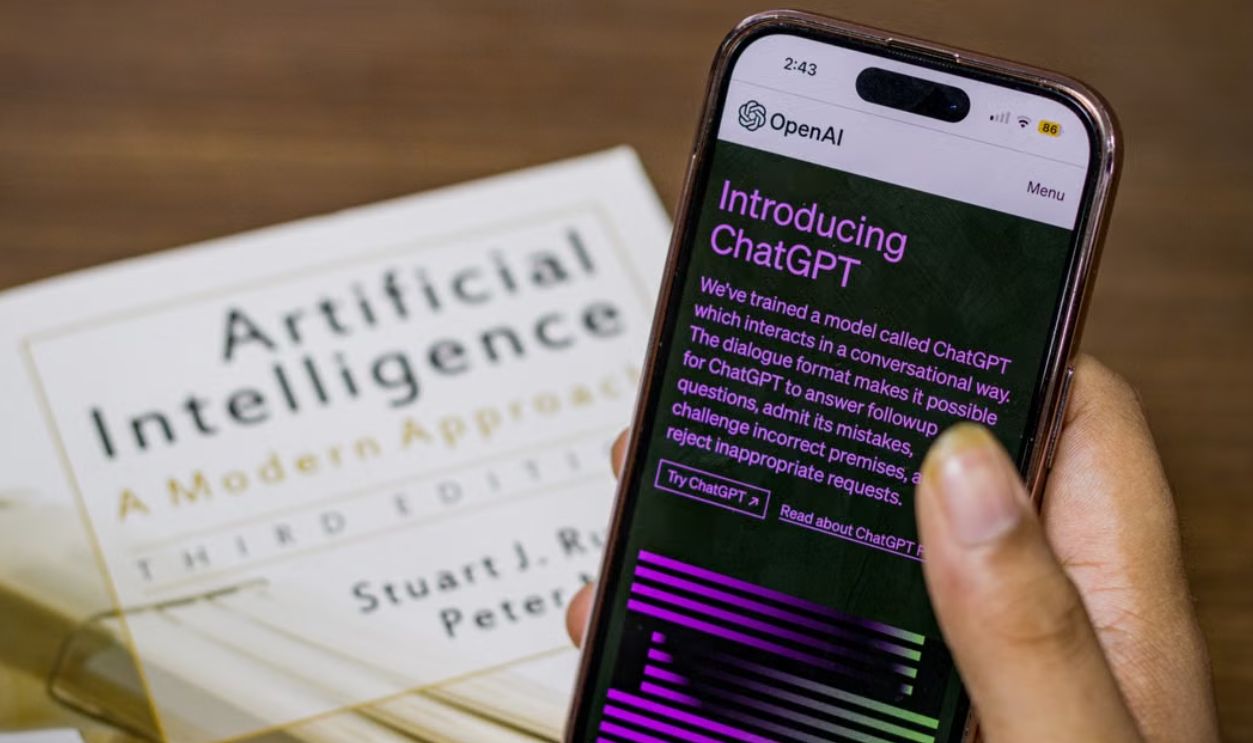
Some employers are going in the opposite direction and covering AI centrally. In January 2024, OpenAI announced ChatGPT Team, a workplace plan with admin controls and a promise that business data would not be used to train models by default. That matters because it shows vendors themselves expect employer-managed subscriptions to be the standard business setup.

Microsoft Is Selling AI As A Company Purchase
Microsoft has also pushed Copilot as an enterprise product tied to workplace software. In November 2023, the company announced that Microsoft 365 Copilot would become generally available for enterprise customers. That matters because the biggest software companies are packaging AI as an organizational expense, not as a personal add-on workers should quietly absorb.
Workers Still Reach For Consumer Plans First
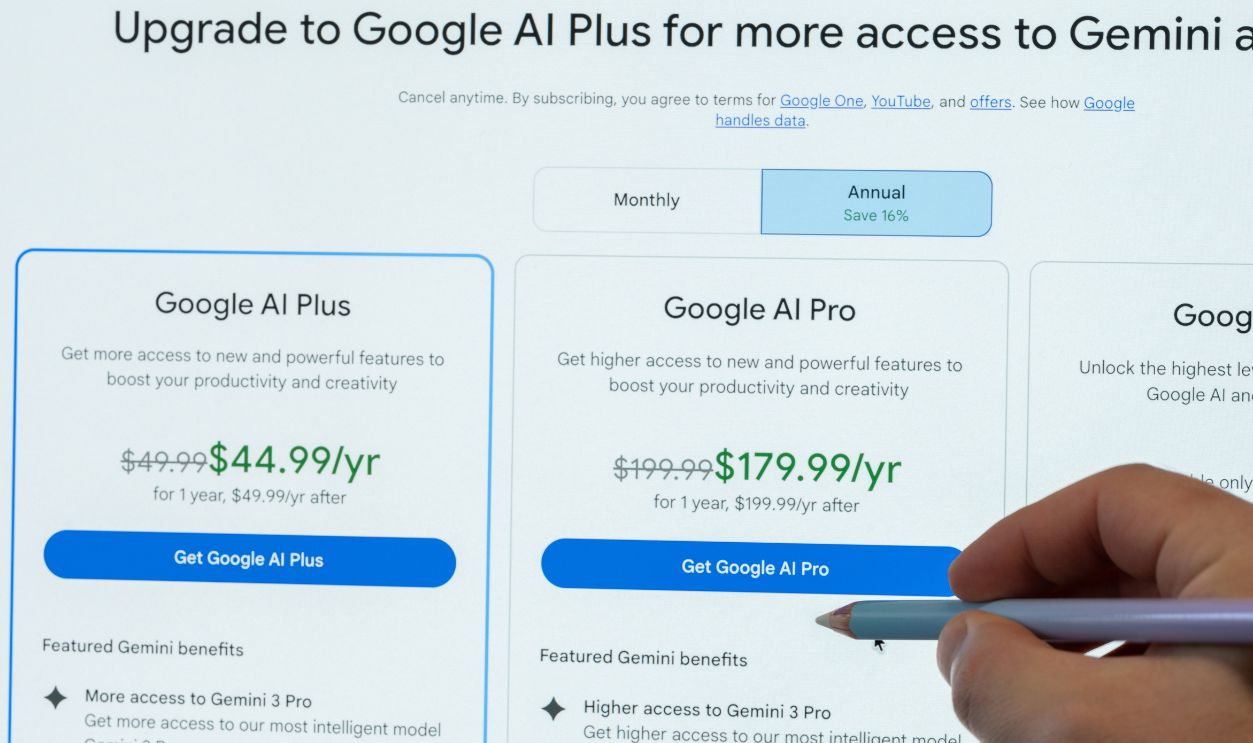
Consumer subscriptions are easy. You put them on a credit card and start using them in minutes. Company purchasing processes can take weeks or months. That helps explain why someone may end up paying $20 a month personally even while the company talks big about digital transformation.
The Cost Looks Small Until It Starts Stacking Up
One AI subscription may not seem like much. But add a chatbot, a writing assistant, a note-taking app, and a coding tool, and the monthly total can rise quickly. For lower-paid workers or contractors, those charges can turn into a real work expense rather than a harmless extra.

Hourly Workers Should Be Especially Careful
If you are nonexempt and your employer expects you to buy tools you need for the job, reimbursement is more than a workplace annoyance. Under U.S. labor rules, employers cannot shift business costs in a way that drops pay below minimum wage or cuts into overtime. The exact outcome depends on the facts, but this is not something workers should brush off.
 AI25.Studio AI GENERATIVE, Pexels
Salaried Workers Face More Gray Area
Exempt salaried employees often have less obvious federal protection on ordinary business expense reimbursement. That makes state law and company policy even more important. It also helps explain why many office workers end up in a murky situation where paying for AI feels unfair but not clearly illegal.

Remote Work Makes The Boundary Even Messier
Working from home already blurred the line between personal and business spending for internet, phones, and home office equipment. AI subscriptions are sliding into the same debate. The harder it is to separate personal tech from work tech, the easier it becomes for employers to let workers carry the cost by default.

Reimbursement Is Only Part Of The Issue
Even if a company pays workers back for an AI subscription, that does not solve everything. Businesses still need to decide which tools are approved, what data can be entered, and how much the outputs can be trusted. A reimbursement policy without clear AI rules can still leave workers guessing and companies exposed.
Accuracy Problems Have Not Gone Away
Generative AI can save time, but it can also confidently give false information. In 2023, lawyers were sanctioned after citing fake cases generated by ChatGPT in a federal court filing in New York, an incident that quickly became a warning sign for workplaces everywhere. If an employer expects AI-assisted speed, it should also expect to invest in training and review.

So Is Paying Out Of Pocket Becoming Normal
In one sense, yes. Surveys and workplace reports suggest many employees are already bringing their own AI to work, often through personal accounts. But in a more stable and sensible sense, the market seems to be moving toward employer-managed plans because businesses need security controls, predictable billing, and clear rules.

What To Ask Before You Put It On Your Card
Start with one basic question in writing: is this tool required, recommended, or completely optional? Then ask whether there is a reimbursement policy, an approved vendor list, and any rule about entering confidential information. Those answers can protect both your wallet and your job.

How To Make The Case To Your Boss
If you want reimbursement, frame the conversation around business value and business risk. Point to the monthly cost, the productivity boost, and the downside of unmanaged personal accounts. A manager may not want to pay for perks, but they may listen if the issue is security, compliance, and consistent work quality.

When A Personal Subscription Might Still Make Sense
Sometimes a worker chooses to pay because the tool also helps outside the current job. Freelancers, job seekers, and people building side projects may decide the flexibility is worth it. The important thing is making that choice on purpose, not just absorbing a cost because workplace expectations changed before policy caught up.

Red Flags That Suggest The Company Should Pay
If your manager expects faster turnaround because “everyone uses AI now,” that is a sign the tool may not really be optional. The same goes for requirements to use AI in core workflows, performance reviews, or team standards. When the employer benefits directly and consistently, the argument that the employer should pay gets much stronger.

The Bottom Line For Employees
Paying for AI yourself is becoming common, but common does not automatically mean fair or smart. The strongest trend in the market points toward companies buying and managing AI centrally, even as workers keep improvising with personal subscriptions in the meantime. If your employer wants AI-level productivity, it is fair to ask whether the company is ready to treat AI like any other work tool and pay for it.