
The Family Jackpot Fight Starts Fast
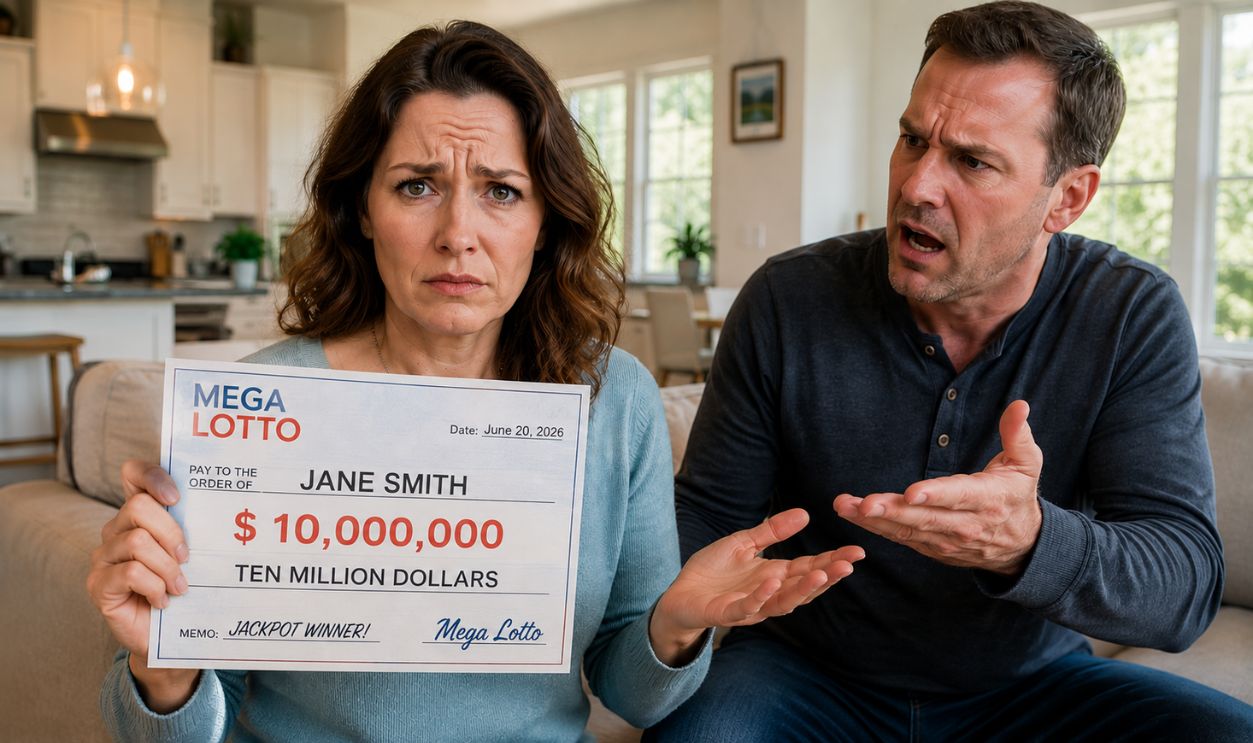
Winning the lottery can turn a normal family argument into a very expensive one. If your brother says you owe him a share because “it's in the family,” that may sound persuasive on an emotional level, but legal claims usually rest on something much more solid. The real issue is not whether he feels entitled. It is whether he has any actual legal right to the money.
The First Big Question Is Ownership
In most cases, lottery winnings belong to the person or people who own the winning ticket. That sounds straightforward, but it can get messy if more than one person paid for the ticket, agreed to play together, or regularly pooled money. Courts and lottery agencies usually care about proof, not family pressure.

The Ticket Itself Carries A Lot Of Weight
State lottery rules often treat the ticket as the heart of the claim. The Florida Lottery, for example, says prizes are paid to the holder of the ticket or according to its validated claim process, and it tells players to sign the back of the ticket right away. That does not settle every possible dispute, but it shows how much lotteries rely on possession and documentation.
 Nielsoncaetanosalmeron, Wikimedia Commons
Group Play Can Change The Whole Case
Your brother may have a stronger argument if the ticket was bought as part of a pool, office group, or family arrangement. Powerball’s group play guidance notes that shared wins should be backed by clear agreements and records. If several people contributed money, a court may see that as evidence of shared ownership.

Verbal Deals Can Still Cause Trouble
People often think nothing counts unless it is in writing. That is not always true. A verbal agreement to share lottery winnings can still lead to a lawsuit, even though proving the exact terms may be hard and depend heavily on the facts.

Courts Have Seen How Messy Shared Money Can Get
One well-known Canadian case, Kerr v. Baranow, showed how a lottery win can become tangled up with personal relationships and shared expectations. The larger point is simple: once people act as if money or assets are shared, courts may take a close look at that behavior.

A Recent Pool Dispute Drove The Point Home
In 2024, CBC reported on a Canadian lottery pool fight in which a man was awarded millions after a judge found he had been wrongly left out of a group win. The case underscored a basic lesson. Courts can and do enforce lottery pool agreements when the evidence shows a real deal existed.

American Courts Deal With The Same Kind Of Fights
Courts in the United States have also handled lottery disputes involving relatives, friends, and informal groups. These cases usually come down to plain contract and property questions: who paid, what was promised, and what proof exists. The drama may be intense, but the legal analysis is often pretty basic.
 LightField Studios, Shutterstock
If You Bought The Ticket Alone, That Helps Your Case
If you bought the ticket yourself with your own money and there was no prior agreement to share it, your brother usually does not have an automatic legal claim. Being related to the winner does not by itself create ownership. Family expectation and legal entitlement are not the same thing.

If He Put Money In, The Story Changes
If your brother contributed even a small amount toward the ticket, he may argue that he owns part of the winnings. That does not mean he automatically wins, but it gives him a real basis for a claim. Receipts, payment app records, text messages, and witness statements can suddenly matter a lot.

Texts Can Matter More Than Family Speeches
In modern money disputes, text threads can be powerful evidence. A message saying “buy our usual tickets” or “I sent my $10 for tonight” could help support a claim that the ticket was jointly bought. On the other hand, vague talk about generosity or family loyalty may not carry much weight.

A Pattern Of Behavior Can Help Build A Claim
Even without a written agreement, a history of shared play can matter. If you and your brother routinely split ticket costs and winnings, that pattern may support his argument that this ticket was part of the same setup. Courts often look at what people actually did over time, not just what they say after the jackpot hits.

State Rules Add Another Layer
Lottery claims are also shaped by state administrative rules. The California Lottery, for example, has detailed instructions for claiming prizes, including guidance for multiple owners. So even if family members work things out privately, the actual payout process may still require careful paperwork.

Privacy Rules Depend On The State
Another issue many winners care about is privacy. Some states let certain winners stay anonymous, while others release names and prize details under public records laws. The Texas Lottery and other state lotteries publish their own rules, so timing matters if you are trying to protect both your money and your identity.

Lottery Rules Are Not Inheritance Rules
Some people assume family members automatically share in a windfall the way heirs may inherit property after someone dies. That is not how lottery winnings usually work while the winner is still alive. Unless there is joint ownership, a valid agreement, marriage-related property rights, or some other legal basis, siblings do not automatically get a cut.

Spouses Usually Stand On Different Ground
If a spouse were making the claim, the analysis could look very different because marital property laws may come into play depending on the state and when the ticket was bought. A brother usually starts from a much weaker position. The law will usually ask whether he can prove ownership or an agreement, not whether he is close family.

Trusts And Transfers Do Not Erase Earlier Claims
Some winners use trusts or other planning tools after a big win. But those steps usually happen only after ownership is sorted out. You generally cannot make a family dispute disappear by moving the money later, especially if someone else already has a plausible claim to part of it.

The IRS Still Takes Its Share
Federal tax law does not decide who owns the ticket, but it absolutely affects how much money remains after the win. The IRS treats lottery winnings as taxable income, and federal withholding rules apply to certain gambling winnings. If multiple people truly own the prize, the tax reporting should reflect that.

A Gift Is Not The Same As A Legal Obligation
You might decide to give your brother some of the money for personal reasons. That would be a gift, not proof that he had a legal right to it all along. That distinction matters because choosing to be generous does not automatically validate a legal claim.

What Judges Usually Look For
Judges tend to focus on evidence they can test. They want to know who paid for the ticket, who had possession of it, whether there was a clear agreement to share, and whether the parties acted like co-owners before the winning numbers were drawn. A dramatic story by itself is usually not enough.

What Lottery Officials Usually Focus On
Lottery agencies care about validated tickets, filing deadlines, and compliance with official rules. They are not there to untangle every promise made around a kitchen table. If a dispute breaks out, the lottery may follow its own procedures while leaving the private legal fight to the courts.

The Biggest Mistake Winners Make
One common mistake is saying too much too soon. A winner who casually tells relatives “we’ll all share” may create confusion or even feed later claims about promises. Another mistake is signing documents or moving money before getting advice from a lawyer and a tax professional.

The Smart Move Is To Pause The Chaos
If there is any real dispute, stop and document everything. Save texts, payment records, photos of the ticket, and notes about who was involved and when. Then talk to a lawyer in the state where the ticket was bought before making promises or handing over money.

How A Lawyer Will Probably Size It Up
An attorney will usually start with the basics: who bought the ticket, whose money paid for it, whether there was a pooling agreement, and what your state’s lottery rules say about claims and payouts. That fact-driven review matters far more than broad statements about family loyalty.

So Does Your Brother Actually Have A Claim
Maybe, but only if he has something stronger than “family shares everything.” If he helped buy the ticket, was part of an established pool, or can show proof of an agreement to split winnings, his claim becomes more serious. If you bought it yourself with no agreement to share, he probably has no automatic legal right to the prize.

The Bottom Line On Jackpot Fights
A lottery win can expose every loose family understanding that never seemed important until suddenly it was worth millions. Legally, the money usually follows ownership, contribution, and provable agreement, not guilt or pressure. If the jackpot is real and the relatives are circling, solid records and quick legal advice can be nearly as valuable as the ticket itself.