A Family Deal Can Still Be A Bad Deal
Your brother wants the house, you want your share, and keeping the property in the family sounds much easier than putting it on the market. Then he names a price that feels suspiciously low, and suddenly a simple solution starts looking a lot more complicated. Fortunately, neither sibling has to guess what the house is worth because there are fairly objective ways to establish a reasonable starting point.
 FaceStock / Shutterstock
Start With The House, Not His Offer
The first mistake is treating your brother's offer as the number that needs to be debated. Instead, start by determining what the entire property would reasonably be worth in today's market, then calculate what your share represents. Once you have that number, you can start discussing mortgages, expenses, repairs, and other possible adjustments.

The Old Estate Value Is A Different Number
If the estate had the house appraised after your parent died, that number can be important for taxes. Inherited property generally gets a tax basis tied to its fair market value when the owner died, although exceptions apply. But if your brother is buying you out months or years later, an old estate appraisal does not automatically tell you what the house is worth today.

Today's Value Is Usually What Matters
Suppose the house has risen substantially in value since you inherited it. Using the old estate value for a current buyout could leave you without the benefit of that appreciation. The opposite can happen in a falling market, which is why both siblings should agree that they are trying to establish the home's value now, not at some convenient point in the past.

An Appraisal Gives You A Neutral Starting Point
A professional appraisal is one of the cleanest ways to move the discussion away from sibling opinions. An appraiser examines the property and relevant market information to produce an opinion of its value. If neither sibling controls the number, it becomes much harder to argue that somebody simply picked the price that helped them most.

Let The Comparable Sales Do The Talking
Appraisers usually look closely at sales of similar homes, but the house that sold last month is not automatically the best comparison. Size, condition, style, location, and other differences can make an older sale more useful than a newer one. That is why a few neighborhood prices pulled from the internet do not always settle the argument.

Online Estimates Are Better As A Clue
An online home-value estimate can be useful for a quick reality check, especially if your brother's offer seems wildly low. But different valuation methods can produce different results, and an automated estimate should not automatically become the family settlement price. When a meaningful amount of money is at stake, a closer look at the actual property and comparable sales can be much more useful.

A Local Agent Can Add Another View
You can also ask an experienced local real estate agent what the property might sell for based on nearby sales and current market conditions. That can be a useful second opinion, especially from someone who knows the neighborhood. But when two siblings have money on opposite sides of the deal, an independent appraisal gives you a cleaner neutral starting point.
Decide How You Will Settle A Disagreement
The smartest time to agree on the valuation process is before anybody sees the number. You could jointly choose one independent appraiser, or each get an appraisal and decide beforehand what happens if the results are far apart. Agreeing to use an average or obtain a third appraisal keeps either sibling from changing the rules just because the result was disappointing.

Now Calculate What Is Actually Left
The home's market value is not necessarily the amount available to divide. If there is an outstanding mortgage or another valid lien against the property, that debt needs to be considered when figuring out how much value the owners actually have. A $500,000 house with a large mortgage attached is a very different inheritance from a debt-free $500,000 house.

Confirm How Much You Actually Own
Next, confirm exactly what percentage of the house belongs to each sibling rather than simply assuming everyone received equal shares. The will, trust, probate documents, deed, or other estate records should help establish ownership. Once that is clear, you have the basic pieces needed to calculate your starting number.

Here Is What The Math Might Look Like
Say the house is appraised at $400,000 and still has a $100,000 mortgage. That leaves $300,000 in value for the owners, so two siblings with equal shares would start at $150,000 each. Only after establishing that basic number should you start debating repairs, expenses, or other adjustments.

Selling Costs Are A Fair Discussion
Your brother may point out that you would not necessarily pocket your full mathematical share if the property were sold to an outside buyer. A normal sale can involve commissions, closing expenses, and other costs. That is a reasonable subject for negotiation, but it does not automatically mean every hypothetical selling expense should simply be deducted from your share.

A Private Buyout Saves Him Money Too
Keeping the transaction within the family can save both sides time and expense. Your brother may avoid competing against outside buyers, while you may avoid the hassle and uncertainty of preparing and listing the house. If you decide to share some of those savings through the buyout price, make it an actual negotiation rather than assuming the sibling keeping the property deserves an automatic discount.

There Is No Automatic Family Discount
Your brother might argue that he should pay less because the house is staying in the family. You are free to agree to that if preserving the home matters to you, but sentimental reasons do not automatically change its market value. First determine what your share is worth, then decide whether you personally want to accept less.

Value The House As It Actually Exists
A fair valuation should reflect the home's real condition. A house needing a new roof and major plumbing work should not automatically be valued like the beautifully renovated home around the corner. Appraisers can account for meaningful differences in condition when comparing properties, which is another reason a professional valuation can help.

Do Not Count The Same Problem Twice
Suppose the appraisal already took the old kitchen, worn floors, and damaged roof into account when valuing the house. Your brother should not automatically get to subtract the full cost of replacing everything again from an already reduced value. Before accepting a repair deduction, ask whether that problem has effectively already been reflected in the appraisal.

Improvements Can Complicate The Math
Things get messier if one sibling spent significant money improving the house after the inheritance. A new roof or major repair is different from casually buying paint or replacing a light fixture, and the treatment of those expenses can depend on the circumstances and state law. Keep receipts and records rather than trying to reconstruct years of spending from memory.

So Can Ongoing House Expenses
Property taxes, insurance, mortgage payments, utilities, and necessary maintenance may have been paid unevenly while the siblings owned the house together. Those payments should at least be documented before the final buyout number is settled. If the amounts are significant and the siblings disagree about who should bear them, a local attorney can explain how your state's rules apply.

Living There Can Make It More Complicated
The situation becomes particularly sensitive if your brother has been living in the inherited house while you have not. Questions can arise over expenses, the value of living there, and whether either sibling should receive a credit for certain payments. The rules vary by state and situation, so neither side should simply invent a rent bill or reimbursement amount and treat it as settled fact.

Sentimental Value Is Not Market Value
Your brother may desperately want to keep the house because he grew up there. You may feel that selling your share means permanently giving up something that belonged to your parents. Those feelings can affect what either person is willing to accept, but they are separate from what the property itself is worth.

What He Can Afford Is A Separate Question
Your brother may genuinely be unable to afford half of the home's current value. That can determine whether the buyout happens, but it does not determine what your share is worth. First establish a fair value, then figure out whether financing or another arrangement can make the deal work.

Ask Him To Show His Math
Rather than arguing over one big dollar figure, ask your brother to show exactly how he calculated his offer. The breakdown should identify the property value he used, the remaining mortgage or liens, your ownership percentage, and every deduction or credit he wants included. You may discover that the entire disagreement comes down to one questionable assumption.

Compare The Offer With The Alternative
If the siblings cannot agree on a buyout, one alternative may eventually be selling the house and letting outside buyers establish what the market will pay. That does not mean a private buyout has to perfectly match an imagined public sale because listing the property brings costs and inconvenience of its own. But remembering that another option exists can keep either sibling from treating the other as though they have no choice but to accept the proposed price.

A Big Family Discount Can Have Tax Consequences
You are free to accept less than full market value if that is what you want to do. But if part of the deal is intentionally meant as a gift to your brother, IRS rules can treat a below-market transaction as partly a sale and partly a gift. If the discount is substantial, have a tax professional review the arrangement before you sign anything.

Do Not Forget Your Tax Basis
Selling an inherited share can also have tax consequences if the property has risen in value since you inherited it. Your starting tax basis is generally tied to the property's fair market value when the previous owner died, although exceptions and special rules can apply. Keep the estate appraisal and related records because they may be important when figuring out whether the sale produces a taxable gain.

Your Brother May Need A New Loan
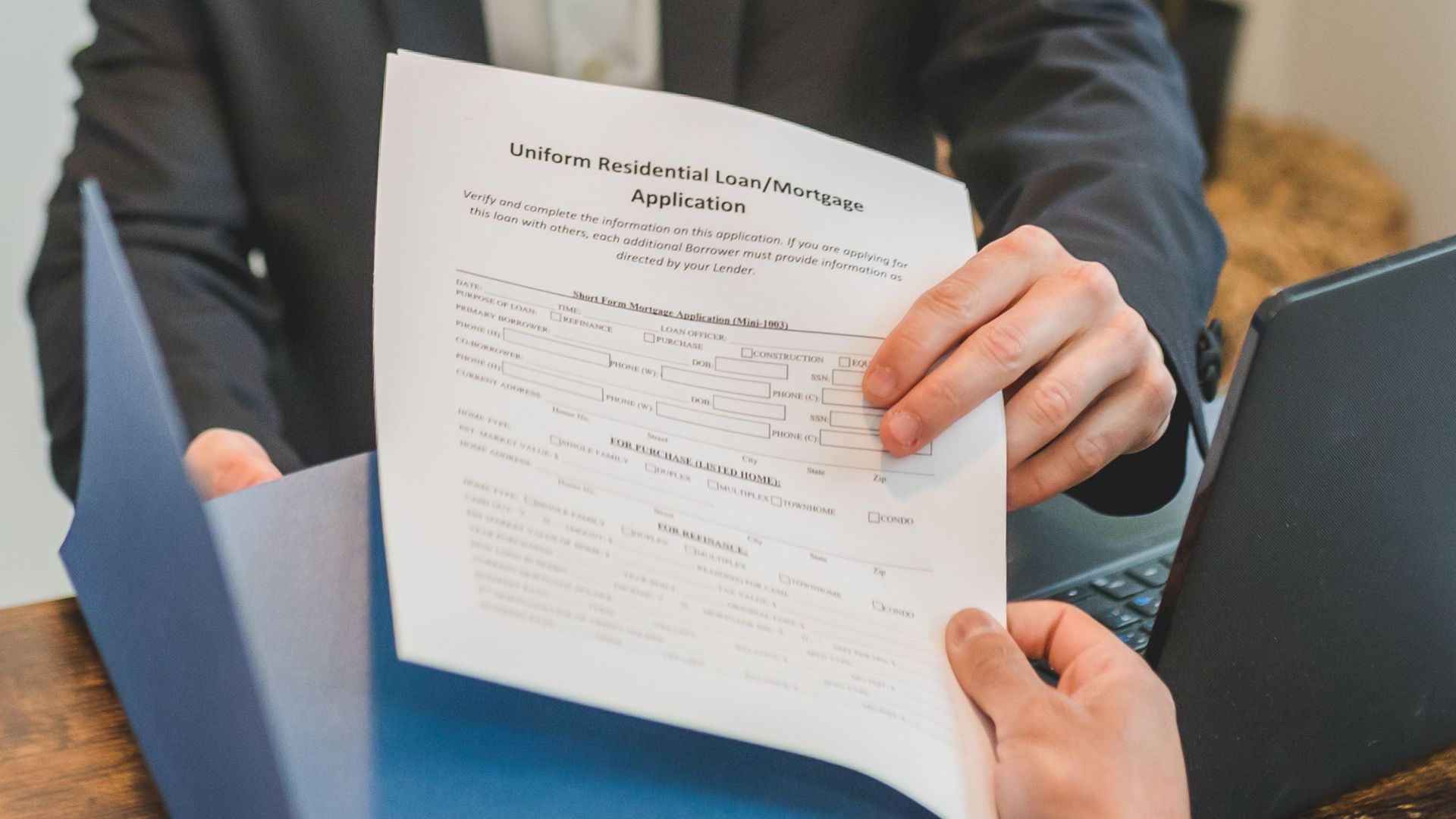
Even after you settle on a price, your brother still has to come up with the money. Mortgage rules can allow an owner to refinance a jointly owned property and use the proceeds to buy out another owner's share, including in some recent inheritance situations. He will still have to meet the lender's requirements, so talking to a lender early can reveal whether the proposed buyout is actually realistic.
An Existing Mortgage May Not Disappear
If the inherited house still has a mortgage, do not assume your brother automatically needs an entirely new loan just to keep the property. CFPB guidance says heirs who already have title can sometimes take over an existing mortgage without first going through the normal ability-to-repay evaluation for a new borrower. The mortgage servicer should be contacted early because it may require documents proving the inheritance.

Court Is The Expensive Backup Plan
If co-owners absolutely cannot agree, state law generally provides ways to ask a court to divide or sell jointly owned property. Some states also have special protections intended to prevent certain inherited family properties from being sold unfairly cheaply. Those rules vary considerably, so a local real estate or probate attorney should come before anybody starts threatening a court fight.

Fair Does Not Have To Mean Complicated
A sibling buyout does not need a clever formula. Establish what the house is worth today, subtract legitimate property debt, confirm each person's share, and then openly negotiate any expenses or other adjustments. Your brother can absolutely keep the family home, but keeping it in the family should not require you to guess what your inheritance is worth.

You May Also Like: