When Family Offers a Real Estate Deal
It can sound like the perfect setup—to your parents, at least. Your brother gets help buying a home, and you get a chance to build equity together. But if he has a history of missing payments, this isn't just a favor for your family. It's also a serious risk to your financial future.

Why This Question Matters So Much
Buying a house with family mixes money and emotion in a way that can go bad fast. A missed dinner is easy to get past. A missed mortgage payment can hurt your credit, pile on fees, and damage the relationship. That is why this choice deserves the same careful review as any business deal. Family trust does not erase financial risk.

What Joint Homeownership Really Means
When two people buy a home together, both names can be on the deed, the mortgage, or both. If you are on the mortgage, the lender expects you to pay if the other person does not. The Consumer Financial Protection Bureau says each borrower is responsible for the mortgage debt. In simple terms, your brother’s missed payment can become your problem right away.

The Mortgage Company Will Not Care About Side Promises
You can make private agreements about who pays what, but they do not override the loan contract. If the mortgage is late, the lender can report it to the credit bureaus. The CFPB notes that payment history is a major part of your credit score. So even if you paid your share, your credit can still take the hit.

Missed Payments Can Stick Around for Years
A late payment is not just a short-term problem. The CFPB says delinquencies can stay on credit reports for years, which can make future borrowing harder or more expensive. That could affect your own plans to buy another home, refinance, or get better loan rates later. One bad partnership can cast a long shadow.

His Track Record Matters More Than His Promises
If your brother has missed payments before, that is not old news. It is a warning sign. Lenders and consumer agencies look closely at payment history because past behavior can point to future risk. Good intentions are not enough when a mortgage is on the line.

Start With the Credit Report Talk
Before you talk about houses or down payments, ask for full financial transparency. That means credit reports, proof of income, current debts, and any past delinquencies or collections. Under federal law, consumers can get free weekly credit reports through AnnualCreditReport.com, the official site authorized by federal law. If your brother does not want to show the numbers, that tells you something too.

Look Past the Credit Score
A credit score only shows part of the picture. You also need to know whether missed payments were one-time mistakes, how recent they were, and whether there is a pattern across credit cards, car loans, or rent. The Federal Trade Commission says credit reports can help you spot negative items and see what lenders may notice. A decent score can still hide a messy history.
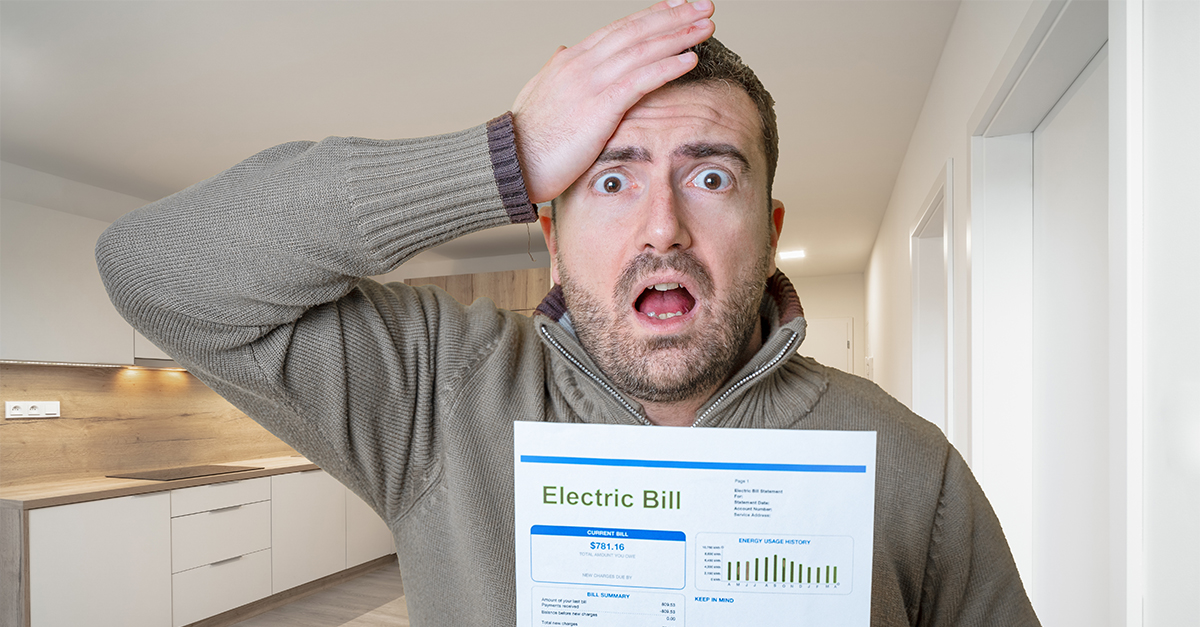
 LIGHTFIELD STUDIOS, Adobe Stock
Debt-to-Income Ratio Can Sink the Deal
Lenders do not just ask whether someone pays on time. They also look at debt-to-income ratio, which compares monthly debt payments to monthly income. The CFPB says lenders use this to measure repayment ability. If your brother is already stretched thin, a mortgage could push the budget past its limit.

Ask the Hard Questions Early
Why were the payments missed. Was it a job loss, poor organization, overspending, or something else. Has the problem actually been fixed, and what is different now. Those answers matter because you are not only buying property. You are tying yourself to someone else’s money habits.

One House Can Mean Two Different Goals
You may want stable housing and slow, steady wealth building. Your brother may just want to get into a house as quickly as possible, even if the budget is tight. Those are not the same goal, and that gap can create problems later. Shared ownership works best when both people agree in advance on budget, timeline, upkeep, and how to get out if needed.

Title and Mortgage Are Not the Same
Many buyers do not realize these are separate things. The deed controls ownership, while the mortgage controls who owes the loan. The CFPB explains that being on the deed does not automatically mean being on the loan, and the reverse is also true. You need to know exactly what you are signing up for before moving ahead.

How You Hold Title Matters
There is more than one way for co-owners to hold title, and the legal impact can be very different. Nolo explains common setups like joint tenancy and tenancy in common, including how ownership shares and inheritance can work. This is where a real estate attorney can be worth every dollar. Small wording changes can lead to big consequences later.

Put Every Agreement in Writing
If you move forward, do not rely on family trust or verbal promises. A written co-ownership agreement can spell out who pays what, how repairs get handled, what happens if one person wants out, and how disputes will be settled. Nolo and many real estate attorneys recommend written agreements for shared ownership. It may feel awkward now, but that is a lot cheaper than a legal fight later.

Figure Out Who Pays if One Person Cannot
This is the question that tells you whether the plan is realistic. If your brother misses a payment, can you cover the full mortgage, taxes, insurance, and maintenance without wrecking your own finances. If the answer is no, that is a serious red flag. Shared ownership only works when there is a real backup plan.

Repairs Can Turn Into Family Fights
Roofs leak, water heaters fail, and appliances break at the worst time. If one owner wants to delay repairs because money is tight, the house can suffer and tensions can rise fast. Setting up a repair reserve fund in writing can help avoid that. Without one, every home problem can turn into a personal argument.

Do Not Forget Taxes and Insurance
The mortgage is only part of the cost. Property taxes, homeowners insurance, utilities, and maintenance also need clear rules. The CFPB advises borrowers to understand the full monthly housing cost, not just principal and interest. A house that looks affordable on paper can get expensive in a hurry once the real bills show up.

Think About the Exit Before You Buy
What happens if one of you wants to sell in two years and the other does not. What if someone gets married, moves away, loses a job, or wants to buy another home. A co-ownership agreement should cover buyout terms, sale triggers, and how the home will be valued. An exit plan is not negative. It is just smart.

Refinancing Is Not a Sure Way Out
Some people assume they can remove the weaker borrower later by refinancing. That only works if the remaining borrower qualifies at that time based on income, credit, and home value. Rates could also be much higher later than they are now. Counting on a future refinance is a gamble.

Your Credit Can Get Dragged Down Fast
Joint borrowing ties your financial reputation to someone else’s behavior. The FTC warns that creditors can go after any co-signer or co-borrower if the debt is not paid as agreed. Even when family members mean well, the legal obligation is still there. A generous move can turn into a collection problem very quickly.

There Are Safer Ways to Help
If you want to support your brother without buying a house together, you still have options. You could help him save for a down payment, pay for a session with a HUD-approved housing counselor, or encourage him to rebuild credit before applying on his own. HUD offers counseling resources that can help buyers understand affordability and mortgage readiness. Helping does not have to mean sharing debt.

Try a Smaller Test First
If the goal is to see whether he is financially reliable, there are safer ways to do that. You might split a smaller expense for a while, like part of a rental household budget, and see whether bills get paid on time over many months. That will not remove all risk, but it can reveal habits before a 30-year loan is involved. A steady pattern matters more than a persuasive pitch.

A Neutral Third Party Can Help
Money talks with siblings can get heated fast. A housing counselor, attorney, or financial planner can help both of you focus on facts instead of pressure, guilt, or old family dynamics. HUD keeps a directory of approved housing counseling agencies. Sometimes the best way to protect a family relationship is to bring in someone outside the family.

Watch for Emotional Pressure
If the conversation starts leaning on loyalty, urgency, or fear of missing out, slow down. A solid home purchase should hold up under careful review and a little time. Pressure often signals that the numbers are weaker than the sales pitch. A good deal does not need guilt to close it.

When the Answer Is Probably No
If your brother still misses payments, avoids transparency, has little savings, or expects you to save the deal if things go wrong, those are major warning signs. In that case, mixing family and real estate is more likely to create stress than wealth. Saying no may feel rough now, but it can prevent a much bigger mess later. Not every family opportunity is a good financial one.
 Henri Mathieu-Saint-Laurent, Pexels
When a Careful Yes Might Work
There are cases where buying with family can work. Usually that means stable income, a clear improvement in payment history, solid emergency savings, written legal agreements, and total honesty about expectations. It also helps if both people can comfortably afford the home, not just barely. The deal should make sense on paper before it feels right emotionally.

The Bottom Line on Family and Real Estate
Can family and real estate mix. Yes, but only when trust is backed by proof, paperwork, and a plan for when life gets messy. If your brother has a history of missed payments, the numbers need to show that the pattern has really changed. When it comes to a mortgage, caring matters, but verification matters more.