

The Refund That Never Arrived
You paid your child's tuition, but now the college owes a refund. Unfortunately, the money was sent to a bank account you closed last year. The university says it issued the payment, but your bank account shows nothing, leaving you wondering who must recover it.

The Money Usually Isn't Gone
A direct deposit sent to a closed account will ordinarily be rejected and returned to the sender. The University of California, Merced confirms that its bank returns such tuition refunds and the university issues a replacement check. However, recovering the payment can take additional processing time.

Who Is Actually Responsible?
Responsibility is divided among the institution, the bank, and the person receiving the refund. The receiving bank handles rejected deposits, while the university or its payment processor must investigate the payment and arrange an appropriate replacement. The account holder must also correct outdated banking information.

Why The College Says It Already Paid
A university's accounting system may show that a refund was issued before the recipient successfully receives it. The University of Cincinnati specifically addresses refunds sent to closed accounts and explains its reissuance process. An issued payment is therefore not necessarily a completed refund.

How The Money Moves Between Banks
Most American universities use the Automated Clearing House network for electronic refunds. The ACH system transfers payment instructions between financial institutions using account and routing numbers. When a university initiates a refund, its bank sends payment information through the network to the designated receiving bank.

The Return Code That Explains Everything
Banks use standardized codes to identify unsuccessful ACH transactions. One important code is R02, which means the account has been closed. Nacha, the organization governing the ACH network, specifically identifies R02 among the codes used when financial institutions return payments.

How Long Does The Return Take?
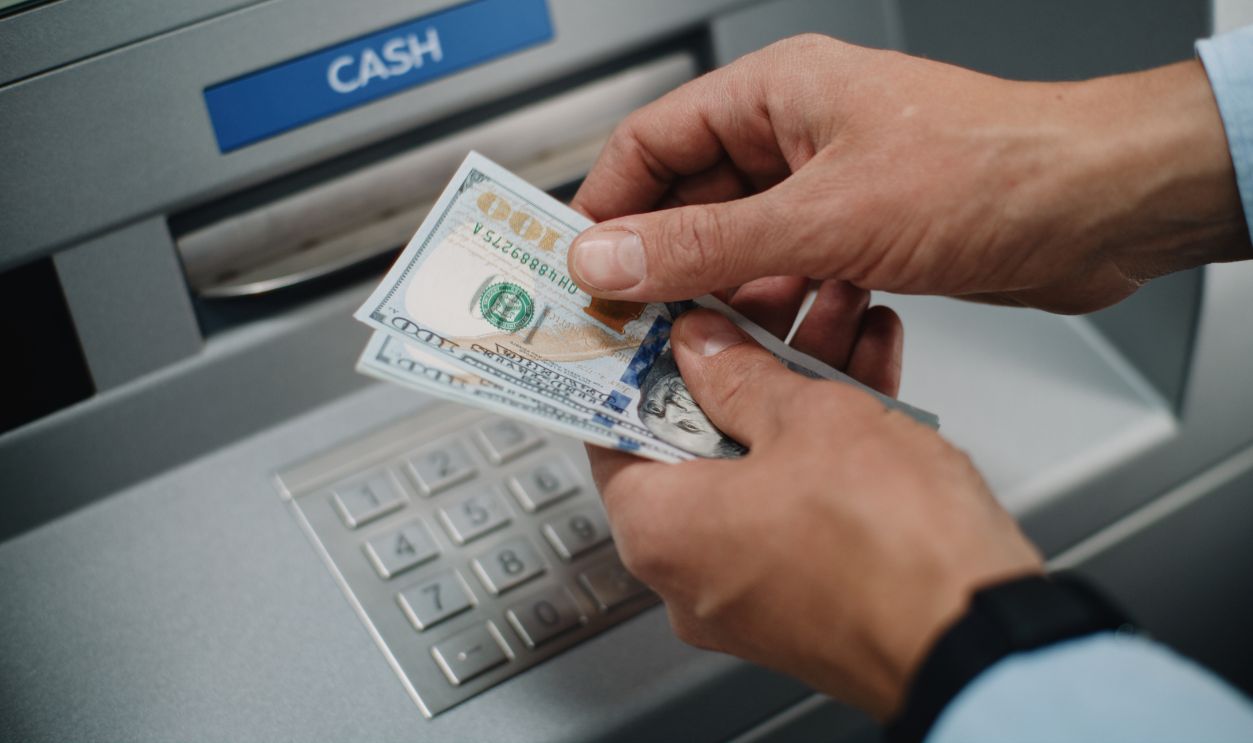
The time needed to recover a rejected refund varies by institution. The University of Cincinnati says funds sent to a closed account are returned within 14 days before being reissued. That is the university's stated process, not a universal deadline covering every college.
 Frame Stock Footage, Shutterstock
What If The Bank Reopened Your Account?
A closed bank account does not always remain closed when a new deposit arrives. The Consumer Financial Protection Bureau has documented cases of banks reopening accounts without customers' permission. Federal regulators warn that this practice can be unfair, particularly when it creates unexpected fees or exposes deposited money.
 Alex Proimos from Sydney, Australia, Wikimedia Commons
Unexpected Bank Charges Are Another Concern
The CFPB has identified cases where reopened accounts generated maintenance charges, overdrafts, or insufficient-funds fees. Customers may encounter these expenses despite believing their banking relationship ended. If the former bank accepted the refund, request a transaction history and investigate whether any unexpected charges affected the balance.

Start With Your Old Account Records
Before contacting the college, locate the confirmation that your previous bank account was closed. Record the closure date and retrieve the account's identifying information from your old statements. Having these details available should make it easier to identify the disputed payment when speaking with your former bank.

Check Your Child's Student Account
Next, examine the student account maintained by the college. Universities such as UC Merced record processed refunds in their student billing systems. Look for the payment amount, transaction date, and refund method, then compare those details with the original tuition payment.
 https://kaboompics.com/, Pexels
Update The Direct Deposit Instructions
Correcting the old bank details should be an immediate priority. The University of Cincinnati instructs students to register their current bank account before a returned refund can be reissued. Verify the account and routing numbers directly with the receiving bank before submitting the replacement information.

The Bursar's Office Is Your Starting Point
Once the banking information is corrected, contact the college's bursar or student accounts office. Nacha advises consumers with missing direct deposits to contact the organization that initiated the payment. Ask the university to investigate the original transfer rather than simply confirming that it was issued.

Put Your Request In Writing
Follow any telephone conversation with an email describing the missing refund. Include the payment amount, transaction date, and information identifying the student account. Ask the school to confirm whether the deposit was rejected, whether funds have been returned, and what happens next.

Ask For The Actual Payment Details
A refund confirmation is useful, but it may not explain what happened after the payment was initiated. Request the transaction date, payment method, receiving institution, and available ACH reference information. These details can help the school's payment team distinguish the original transfer from any subsequent return.

Request A Trace Of The Transfer
If the refund cannot be located, ask the originating institution to investigate the ACH transaction through its payment provider. Nacha explains that the originating bank and receiving bank have separate roles in processing transfers. The organization that sent the direct deposit is generally best positioned to locate it.

A Third-Party Processor May Be Involved
Some universities outsource student refund processing to specialized financial service companies. Southern Methodist University, for example, uses Heartland ECSI RefundSelect for eligible student refunds. Ask whether your child's college uses an outside processor and which office is coordinating the investigation with that company.

When To Contact The Former Bank
If the college reports that the refund has not returned, contact your former bank's deposit operations department. Provide the available payment details and ask whether the transaction was accepted or rejected. You should also request confirmation of any return sent through the banking network.
 https://kaboompics.com/, Pexels
What If The Bank Says It Accepted The Money?
An accepted deposit changes the investigation because the funds may not have returned to the university. Ask the bank to explain where the credit was recorded and how it can be recovered. If the institution reopened a closed account without authorization, the CFPB's guidance on unfair account reopening practices becomes relevant.

Paying Tuition Doesn't Always Mean Receiving The Refund
Parents often assume that whoever paid the original bill automatically receives any reimbursement. University policies can work differently because refunds may be issued to the student or returned through the original payment method. Confirm who is legally entitled to receive the particular refund before requesting its replacement.
 LightField Studios, Shutterstock
Credit Card Payments Follow Different Procedures
If tuition was originally paid by credit card, the refund might be directed back to that card instead. Southern Methodist University generally refunds credit card payments to the original card regardless of who paid. Check the payment history before assuming every refund should arrive through direct deposit.

Parent PLUS Loans Have Special Rules
Refunds arising from Parent PLUS Loans require particular attention because the parent is the borrower. Federal Student Aid guidance generally requires excess PLUS funds to be returned to the parent. However, the parent can authorize the school to transfer that credit balance to the student instead.
 Gustavo Fring, Pexels, Modified
Your Child May Need To Authorize The Conversation
Even when parents pay tuition, federal student privacy protections can limit what colleges disclose to them. Under FERPA, record-access rights generally transfer to students when they enter postsecondary education. Parents of tax-dependent students may qualify for disclosure exceptions, but schools are not universally required to provide access without consent.

Federal Financial Aid Changes The Rules
A refund of excess federal student aid is legally different from an ordinary tuition refund. Federal regulations classify excess eligible Title IV funds on a student account as a credit balance. Understanding the payment's source is essential because federal aid carries specific disbursement and return requirements.

The Federal Fourteen-Day Requirement
When federal Title IV aid creates a credit balance, schools generally must pay the eligible student or parent within 14 days. The starting date depends on when the credit balance arose relative to the beginning of classes. This requirement concerns the original payment and should not be confused with a universal replacement deadline.

Rejected Federal Aid Has Another Deadline
Federal Student Aid guidance also addresses electronic payments that are rejected by the receiving bank. Schools may attempt to disburse rejected Title IV funds again within 45 days of rejection, subject to applicable limits. Otherwise, the funds must be returned to the Department of Education within that period.

Don't Assume Every Delay Violates Federal Law
A delayed tuition refund does not automatically establish a federal student-aid violation. Colleges may have different processing procedures for personal payments, scholarships, and federal aid. Saint Xavier University, for example, distinguishes its responsibility for delays caused by rejected electronic transfers from its process for reissuing payments.

When To Escalate The Dispute
If the initial inquiries produce no explanation, request a supervisor or manager in student financial services. For unresolved banking problems, the CFPB accepts consumer complaints and forwards them to appropriate companies. Companies generally respond within 15 days, although some cases require additional time.

There Are Separate Channels For Student Aid Complaints
When the dispute involves federal student aid, the Department of Education's Feedback Center is an appropriate complaint channel. Problems involving private student loans or financial service providers may fall under CFPB oversight. The CFPB also identifies state approval agencies and school accreditors as possible avenues for institutional complaints.

Could The Refund Eventually Become Unclaimed Property?
Money that remains unclaimed can sometimes be transferred to a state's unclaimed-property program, depending on its source and applicable rules. The National Association of Unclaimed Property Administrators provides access to official state searches. These searches are free, making them worthwhile when an older refund remains unresolved.

The Best Way To Get Your Money Back
Start by verifying the closed account and correcting the refund instructions with the college. Then ask the school to trace the original payment while confirming its status with the former bank. Keep written records of each response until the refund is located and properly reissued.

Sources: 1, 2, 3, 4, 5, 6, 7, 8, 9, 10, 11, 12, 13, 14, 15, 16