The Cash-Only Dream
Your dad’s advice has a certain swagger to it: if you cannot afford to buy a house in cash, maybe you cannot really afford it. It sounds disciplined, old-school, and immune to debt-fueled mistakes. In a world where people finance everything from couches to coffee, paying cash for a house can seem like the ultimate financial power move.

Why Paying Cash Sounds So Smart
There are real benefits to buying a home outright. No mortgage payment means lower monthly expenses. No mortgage interest means you keep more of your money over time. You also avoid some lender fees, underwriting headaches, and the stress of owing a bank for 15 or 30 years.

The Emotional Appeal Of Owning It All
Cash ownership also feels clean. The house is yours. No lender has a claim on it. If the economy gets shaky or your job situation changes, your housing costs are far easier to manage. That kind of peace of mind is not nothing.

Where Dad’s Advice Starts To Break Down
The problem is that this advice works best for people who already have a huge pile of money. Most buyers do not have enough cash sitting around to buy a home outright. For them, “always pay cash” is less practical wisdom and more financial fantasy.

What Your Advisor Is Really Saying
Your financial advisor is not saying credit cards are magical wealth-building tools. They are saying mortgage lenders usually want to see a credit history. If you want to borrow a large amount of money for a house, lenders want proof that you can handle borrowed money responsibly.

Why Mortgage Lenders Care About Credit
From the lender’s point of view, a mortgage is a giant risk. They are potentially lending you hundreds of thousands of dollars and trusting you to pay it back over decades. They do not know your dad. They do not care that you are “good for it.” They want documentation, patterns, and evidence.
Credit History Is Your Financial Report Card
Your credit profile gives lenders a snapshot of how you have managed debt in the past. Have you paid on time? Do you carry large balances? Have you borrowed before and handled it well? The stronger your answers, the more comfortable a lender feels approving your mortgage.

So Do You Need A Credit Card
Not always in the strictest sense. You do not need a credit card the way you need a roof or a pulse. But in practice, a credit card is one of the easiest and most common ways to build a credit history. That is why advisors often bring it up.
Why Credit Cards Get Recommended So Often
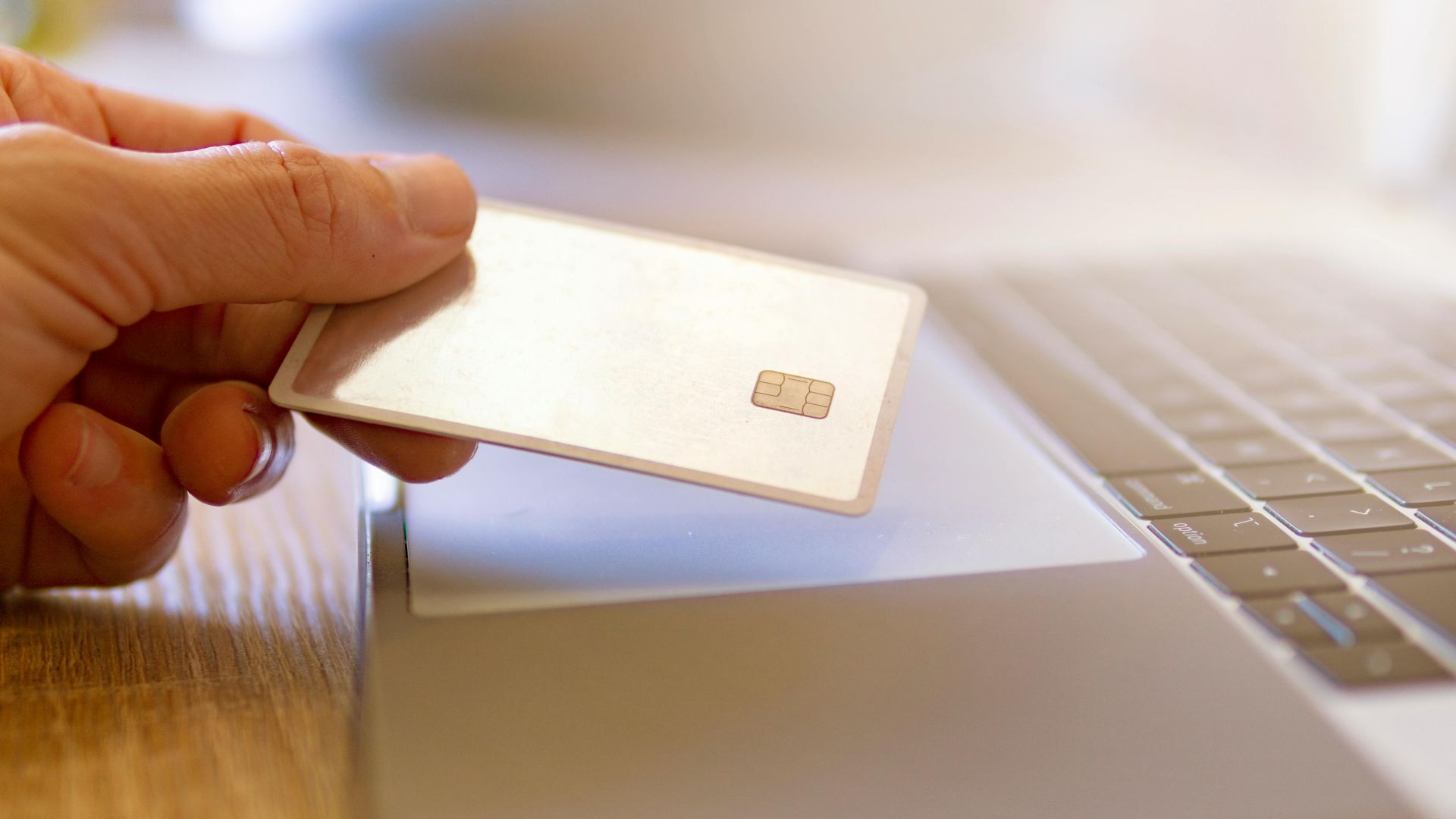
A credit card can help create the consistent payment history lenders like to see. Use it for a small recurring expense, pay it in full every month, and it can quietly do its job in the background. It is less about spending more and more about proving reliability.

The Big Misunderstanding About Credit Cards
A lot of people hear “get a credit card” and assume that means “go into debt to look attractive to banks.” That is not the goal. You do not need to pay interest to build credit. In fact, paying your balance in full each month is usually the smarter move.

You Do Not Have To Carry A Balance
This point trips people up all the time. Carrying a balance does not make you look more responsible. It mostly makes the card company money. If you use the card lightly and pay it off on time, you can still build credit without turning your wallet into a crime scene.

Why No Credit Can Be A Problem
Having no credit history can sometimes be almost as frustrating as having bad credit. To a lender, a blank file tells them very little. It is the financial version of applying for a job with no references and hoping everyone just vibes with your energy.

Can You Get A Mortgage Without A Credit Card
Yes, in some cases. Some lenders can use alternative credit data, like rent, utility, or insurance payment history. There are also manual underwriting situations where a lender looks beyond a traditional credit score. But this route can be slower, stricter, and less common.

Why The Advisor Is Usually More Right
If your actual plan is to apply for a mortgage in the real world, your advisor is generally giving the more practical advice. Building credit makes the process smoother. It can improve your odds of approval and may help you qualify for a better interest rate.

Why Better Credit Matters So Much
A stronger credit profile does not just help you get approved. It can also affect how expensive the mortgage becomes. A small difference in your rate can translate into a huge difference in total interest paid over the life of the loan. That is not pocket change. That is vacation-home money.

Paying Cash Still Has A Place
Your dad is not wrong to value debt avoidance. If someone truly can buy a house in cash without draining emergency savings, retirement accounts, or every ounce of financial flexibility, that can be a fantastic option. It eliminates risk in one area of life and simplifies everything.

The Risk Of Going House-Rich And Cash-Poor
But there is a catch. Using every available dollar to buy a house in cash can leave you with a beautiful home and a very ugly bank balance. Houses come with repairs, taxes, insurance, and endless opportunities to discover that something expensive is leaking.

Why Liquidity Matters
Keeping some money accessible matters. A home is valuable, but it is not a checking account. You cannot easily peel off a piece of your kitchen and use it to cover an emergency. Sometimes taking a manageable mortgage while preserving cash reserves is the more balanced choice.

The Real Question To Ask
Instead of asking, “Who is right?” ask, “What am I trying to do?” If the goal is to avoid debt forever and you can truly buy in cash, dad’s plan makes sense. If the goal is to buy a home with financing, then building credit is usually part of the grown-up homework.

The Safest Way To Use A Credit Card
If you decide to open a card, keep it boring. Put one or two regular expenses on it, like gas or a streaming subscription. Pay the balance on time and in full every month. Set up autopay if needed. This is not the moment to discover your inner points-chasing travel hacker.

What Mortgage Lenders Also Want To See
Credit is only part of the picture. Lenders also look at your income, employment history, debt-to-income ratio, down payment, cash reserves, and overall financial stability. A credit card alone will not rescue a shaky application, but it can strengthen a solid one.

Do Not Build Credit By Playing With Fire
There is a difference between using credit strategically and using it recklessly. If you tend to overspend, a credit card can create more problems than it solves. In that case, it may be smarter to work with a financial professional on alternative ways to prepare for homeownership.

A Good Rule For First-Time Buyers
Think of credit as a tool, not a lifestyle. You do not need to become someone who finances every gadget and dinner out. You just need enough healthy credit behavior to show lenders that you can handle borrowing responsibly.

What Dad Is Protecting You From
To be fair, your dad may be reacting to a real danger. Debt can spiral. Monthly payments can trap people. Plenty of buyers stretch too far, buy too much house, and spend years stressed out. His instinct is trying to protect you from that outcome, even if the advice is too absolute.

What Your Advisor Is Preparing You For
Your advisor is focused on how the system actually works right now. Mortgage lending runs on documentation, scores, and risk models. You may not love that system, but if you want to borrow within it, you have to meet it where it is.

So Who’s Right
In theory, your dad is right: paying cash for a house is financially clean and can be a great move if you can truly afford it. In practice, your advisor is more right for most people: if you want a mortgage, building credit, often with a credit card, is one of the simplest ways to prepare.

The Bottom Line
This is not really a fight between wisdom and modern finance. It is a fight between two different situations. If you are rich enough to buy the house outright, skip the mortgage and enjoy your debt-free castle. If you are like most buyers and will need financing, then yes, establishing credit is usually part of the path to getting those house keys.

You May Also Like: