
The Debt Dilemma No One Warns You About
Imagine this: you’ve invested years of effort and a fair portion of your sanity into a family business you once shared with your spouse. Then the marriage ends, the papers are signed, the dust settles, and you attempt to move forward—only to have your ex suddenly insist that you alone are responsible for all the business debt. It’s a shocking accusation that leaves you questioning your memory, your contracts, and the universe in general. Before the panic spirals, let’s walk through this situation step-by-step.

Understanding What “Owning Half” Really Means
Ownership, despite how simple the word sounds, is rarely simple at all. When an ex-spouse owns half of a business, that usually means they also owned half the assets and half the liabilities. The legal world often treats equity and debt like an inseparable pair, even if the partners themselves did not always see it that way.

Divorce Doesn’t Erase Debt Responsibilities
A very common misconception is that a divorce settlement can erase or rearrange debt obligations with the wave of a judge’s gavel. In reality, a divorce decree affects only the relationship between you and your ex, not the contracts both of you (or even just one of you) signed with lenders. Banks remain impressively uninterested in marital drama. They focus solely on whose signature appears on their paperwork.

Equity vs. Liability: Two Very Different Things
It is possible—common, even—for someone to own half a business and yet owe none of its debt, depending entirely on how the company borrowed money. Liability stems from contractual agreements, not from ownership percentages. This is where many disputes begin and where many exes believe they have escaped more responsibility than the law actually allows.

Why Signatures Matter More Than Ownership
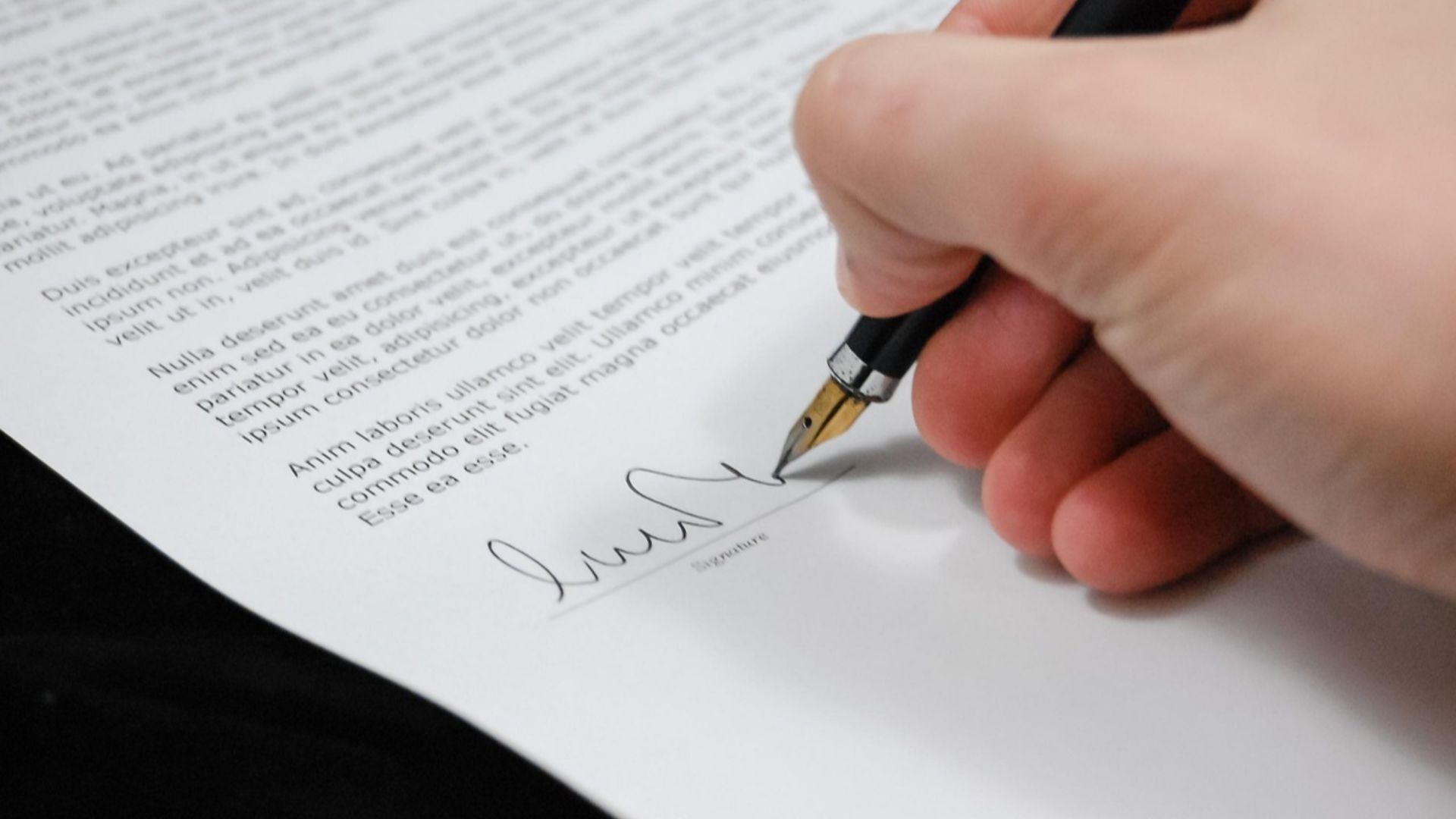
When lenders issue money, they do not inspect the emotional history of the business partners or study the fairness of their divorce settlement. They look at the names on the loan documents. If only your signature appears, the lender considers you the sole guarantor, even if your spouse actively ran the business with you or made half the decisions.

When Equal Partners Still Unequally Share Debt
Partnerships are sometimes structured in ways that place heavier financial burdens on one partner. One might be the primary borrower or guarantor, while the other legally avoids direct responsibility for the loans. It’s a setup that seems manageable during good times and becomes a tense courtroom phrase—“but we owned it together”—when things fall apart.

The Divorce Decree Trap
A divorce decree that states “each party is responsible for their share of the business” may feel conclusive, but lenders are not bound by it. Such agreements are between the two spouses alone. If the decree assigns half the debt to your ex but the bank only has your name on the loan, the bank will still pursue you. Your recourse, in that case, is not against the lender—it is against your ex.

Why Your Ex Might Believe You Owe Everything
Your ex may genuinely believe the divorce agreement wiped away her share of the obligation. She might think that her exit from the business also meant an exit from all of its financial burdens. In less charitable interpretations, she may simply be trying to distance herself from a liability she would rather not acknowledge.

How To Check Whether She’s Actually Liable
The truth is rarely found in verbal promises or emotional recollections. It lives in the documents: the loan contracts, the operating agreements, the personal guarantees, and the partnership records. These papers reveal, without ambiguity, whether she is legally tied to the debt or whether the burden falls solely on you.

When You’re Actually On The Hook for 100%
If you alone signed the loan or acted as the sole guarantor, then legally you may indeed be responsible for all of it. Even if the two of you were equal partners in the business, the lender recognizes only the name that appears on the dotted line. It is an unpleasant surprise for many borrowers but a reality the courts uphold consistently.

When She Actually Does Owe Half
If she signed any loan documents or acted as a guarantor, then she remains legally tied to the debt even if she has since left the business. She may insist that the divorce freed her from these obligations, but lenders and courts do not work on the honor system. Her liability remains intact regardless of how forcefully she denies it.
Why Lenders Chase One Party Before The Other
Lenders often pursue the person who appears to be the easiest to collect from. If you have more accessible assets or a more stable income stream, you may become their first and preferred target. That does not mean they lack the ability to pursue her; it merely indicates their strategic choice.

The Hidden Danger Of Verbal Agreements
Many ex-spouses have made the unfortunate mistake of relying on casual assurances such as “Don’t worry, I’ll cover my half.” These statements, while comforting at the time, have virtually no legal power. Debt responsibility cannot be established through friendly conversation.

What Happens If You Pay Her Half?
If she legally owes part of the debt and refuses to contribute, and you end up paying more than your fair share to protect your own credit or the business’s reputation, you may later have the right to seek reimbursement. Courts refer to this as contribution, and they hear cases like this regularly.

When To Bring In A Lawyer
The moment your ex makes claims that contradict the loan agreements is the moment you should consult an attorney. A business lawyer can explain your liability, a family law attorney can help enforce your divorce decree, and both can coordinate a strategy that protects your long-term financial well-being.

Don’t Forget To Talk To The Lender
Many people avoid contacting lenders because they fear the consequences, but proactive communication often leads to more favorable outcomes. Lenders may be willing to renegotiate payment schedules, restructure debt, or offer hardship relief—provided you approach them early and honestly.

If The Business Is Still Operating
If the business continues to generate revenue, you may have options that lighten the burden. You might be able to refinance, reorganize the ownership, renegotiate terms with creditors, or restructure operations to stabilize the finances. The business’s health will largely determine which strategies make sense.

If The Business Has Already Closed
Closing the doors of the business does not erase the outstanding debt. Creditors can and will pursue guarantors regardless of whether the company remains active. It is crucial not to assume that liquidation of assets or dissolution automatically ends your responsibility.

The Importance Of Tracking Every Payment
If you believe your ex owes part of the debt, it becomes essential to maintain rigorous records of every payment you make. Clear documentation offers both protection and leverage if you later pursue repayment through mediation or court action.

Why Mediation Might Save You Time and Stress
Mediation provides an opportunity for both parties to negotiate a resolution without diving into the financial and emotional chaos of a full legal battle. A neutral mediator can help the two of you reach an agreement that reflects the legal realities while preserving some semblance of peace.

Protecting Yourself From Future Fallout
Future business endeavors should always be structured with clear agreements that spell out debt responsibility, ownership changes, and financial obligations. Signatures should match liabilities, and every partner should understand exactly what they are committing to before the first loan is taken.

Lessons About Mixing Marriage & Business
Combining love and entrepreneurship often works beautifully until it spectacularly does not. If this experience teaches anything, it is that passion may fuel a business, but paperwork protects it.

The Emotional Side No One Talks About
There is a painful emotional layer to disputes like this—resentment, confusion, frustration, and the sense of reliving the marriage’s worst conflicts in a new form. It is perfectly normal to feel overwhelmed, and giving yourself space to process those feelings is part of navigating the fallout.

Bringing In A Neutral Accountant
A neutral financial professional can offer clarity where emotions cloud judgment. An accountant can determine who benefited from specific expenses, how debt was accumulated, and whether the story being told by either side matches the numerical truth.

Your Action Plan Moving Forward
The best approach begins with gathering every relevant document, reviewing who actually signed the loans, speaking with an attorney about your options, contacting the lender to understand their expectations, maintaining thorough financial records, and considering mediation before turning to litigation. Each of these steps brings structure to a situation that can otherwise feel chaotic.
 Andrii Iemelianenko, Shutterstock
You Don’t Have To Face This Alone
Debt disputes with an ex-spouse can feel uniquely heavy, combining financial risk with old emotional wounds. Whether your ex is right depends entirely on the loan documents and not on her confidence in insisting otherwise. With the right combination of legal advice, financial clarity, and emotional boundaries, you can navigate this challenge thoughtfully and regain a sense of control. This situation is difficult, but it is not insurmountable—and you do not have to face it alone.

You May Also Like: