The Fingers Are All Pointing At You
You trusted your roommate when you gave him permission to borrow your car, but now his pile of unpaid parking tickets is coming back to haunt you in the form of a major financial headache. The notices are all in your name, the fines and late fees are growing, and you’re suddenly facing a legal and financial mess that could jeopardize your registration and credit. Here’s what to do to straighten this out.
Confirm That You’re Legally Responsible
Start by checking the official citation details. Parking tickets generally follow the registered owner of the car, not the driver. This makes sense, since that’s what’s on record. If your name is on the registration, the city or state just assumes that you’re the one who owes them the fine. Don’t ignore this. Unpaid citations can spiral into late fees, collections, or even suspended registration in some states.
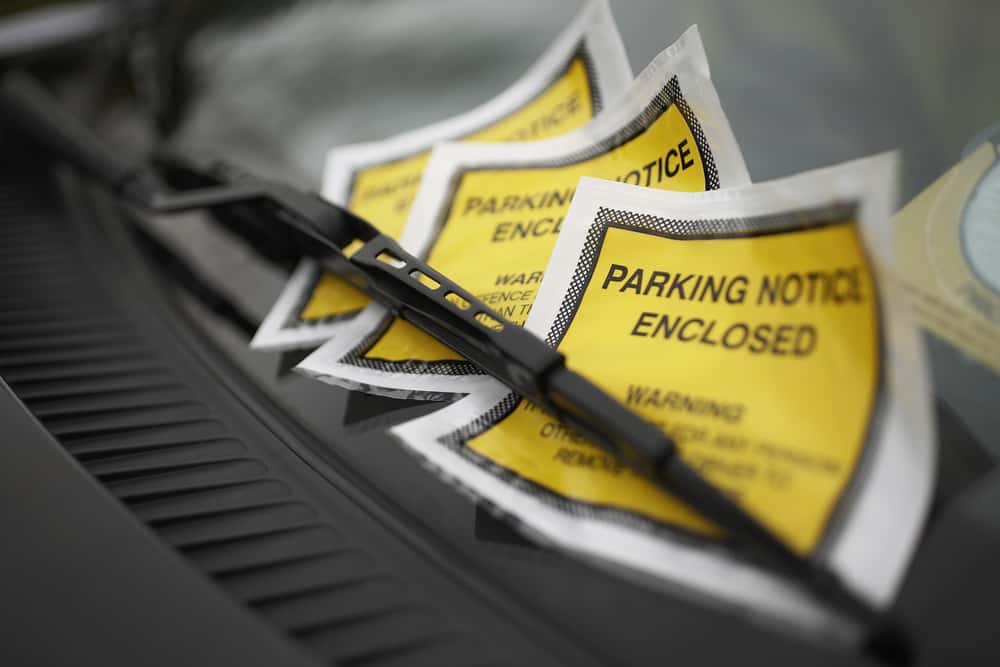
Gather Every Ticket And Notice In One Place
Every fine, warning letter, or notice should be documented and organized. Make a paper trail: the date issued, location, ticket number, and status. This is crucial to do if you later want to challenge the tickets or file a complaint. Public officials don’t want to hear long-winded explanations without supporting documents. A well-organized file makes it much easier to prove your timeline, your communications, and your roommate’s responsibility.
Talk With Your Roommate Immediately
This might be an awkward step, but you need to confront your friend fast. Explain the situation and ask them to reimburse the fines and penalties. Be specific and direct. Emotional arguments aren’t very useful here; just focus on the facts. Even if you think you shouldn’t be responsible, collection agencies don’t go after the driver. They chase the registered owner.

Demand Payment In Writing
A verbal promise is of little use in a dispute. Ask your roommate for payment in writing; this could be a text, email, or just a signed handwritten statement. This creates evidence that the debt is legally theirs and that they’ve agreed to pay it. If they refuse to do this, at least you now have a clearer view of the dispute and their intentions.
Check Your State’s Dispute Or Appeal Process
Many states let the registered owner appeal a citation if they weren’t driving the car. Look up your state’s laws: some allow you to submit a statement that identifies the responsible driver or transfer liability directly. As with most legal matters, it’s important to act quickly; appeal deadlines are strict and missing them could lock you out of getting any relief.

Talk To The Issuing Agency
If your roommate refuses to cooperate, reach out to the city or municipality. Ask how liability can be disputed, transferred, or appealed. Again, every state and city differs, but agencies often have online dispute tools or forms. Even if you still end up having to pay, you might be able to challenge the late fees or penalties at least.

Don’t Let It Go To Collections
Ignoring the fines won’t make them go away. If they go to collections, now you face a whole new set of problems: credit damage, escalating fees, and serious difficulty renewing your vehicle registration. Once a debt hits collections, settling the affair gets more complicated and expensive. Deal with the problem first, and then fight over reimbursement later.
Your Vehicle Registration Is At Risk
Some states suspend or deny vehicle registration renewal until all unpaid citations are settled. You could also lose your ability to legally drive the vehicle if the registration lapses. This reverberates through insurance, commuting, work, and liability if you’re ever pulled over. The consequences are bigger than just one fine.
You Could Pay The Fines To Protect Yourself
Even if it’s unfair, paying the fines upfront could stop the penalty process and prevent the damage from getting worse. Getting rid of the immediate legal risk protects your budget in the long run. You can still go after repayment later through small claims court or agreement. Don’t let your financial standing slide just to make a point of principle.

Keep Proof That Your Roommate Drove At The Time
Photos, texts, conversations, or even eyewitnesses can help you prove the roommate was the one responsible for this mess. If the vehicle was registered only to you, it’s normal for the burden to fall on you first. But if you can verify who was really driving, some cities will shift liability or dismiss your late fees. As we stressed above, documentation is your friend.

Stop Lending Your Car
Once fines show up under your name, the whole relationship has changed. We probably shouldn’t have to remind you of this, but remove your roommate from insurance, don’t lend your car, and don’t let them use it while this issue is unresolved. The risk is too high. Shared vehicles can wreck finances, friendships, and legal standing when the wrong person is behind the wheel.
Send A Formal Demand Letter
If your roommate still refuses to pay, send him a written demand letter that lays out the amount owed, due date, and all your supporting documents. This sends the signal that you’re serious and prepared to take legal action. Many people magically become cooperative once a formal message appears. This has the added benefit of giving you evidence if you go to court.
You Could File In Small Claims Court
Small claims court is specifically designed for situations just like this one: money disputes involving debts or reimbursement. Bring your documentation: receipts, texts, tickets, proof of driving, and repair of damages. Judges look for two things: proof of the debt and proof of responsibility. Your case will rest on solid legal underpinnings.

Pull Your Driving Record
Order or check your driving record to see if the tickets show up there. Insurance companies sometimes refer to these records when they set their premiums. If there’s any error in there, such as a ticket wrongly tied to you, you have to dispute it immediately. Mistakes on official driving records are a lot more common than most people think.

Look Out For Insurance Consequences
Your auto insurer can jack up the premiums or cancel their coverage over unpaid fines or suspended registration. Even if the tickets weren’t your fault, the insurer could still see you as a higher risk. Pay attention to notices or policy changes. Avoid unpleasant surprises by contacting your insurer proactively.
 Skrypnykov Dmytro, Shutterstock
Protect Your Credit Score
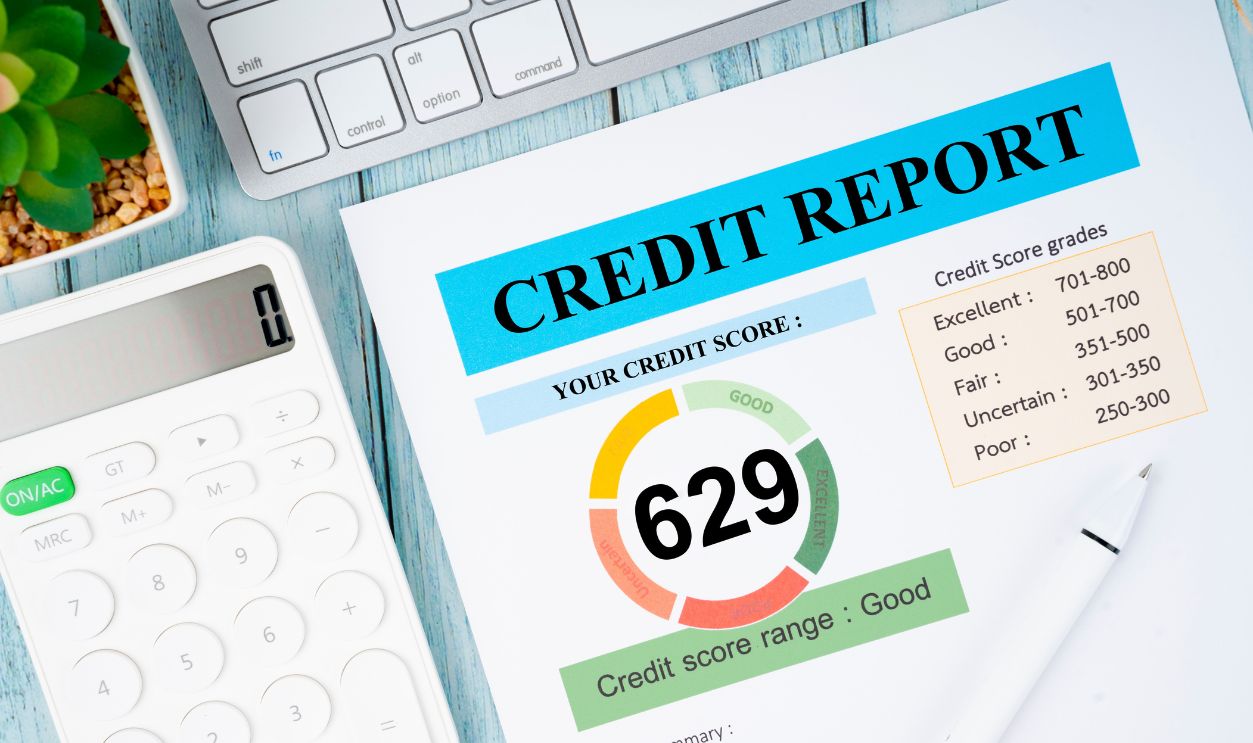
If the fines end up going to collections, your credit could take a serious hit. That in turn affects all kinds of other things including loan eligibility, car purchases, housing applications, and even employment in some industries. Paying early or contesting early stops this problem from haunting you for years.
Negotiate Or Ask For Penalty Relief
Some cities offer repayment plans, reductions, or forgiveness if you can demonstrate hardship or lack of liability. Anyway, it never hurts to ask. Municipalities often prefer partial payment over no payment at all. If you play your cards right, it could significantly reduce that total. Of course, all of this is assuming that your roommate never bothered to pay the outstanding tickets and fees.

Build A Financial Wall Around Yourself
This isn’t just about tickets; it’s also the story of a roommate brazenly violating your financial safety. From now on, block vehicle access, avoid shared bills, and formalize your expenses in writing. These situations can spiral quickly when someone else’s negligence becomes your financial burden.

Consider Getting A New Roommate
Roommate financial conflicts tend not to end with one incident. If the relationship is costing you money, stress, or legal problems, consider getting a new roommate or even moving out and getting a new place. Sometimes the best financial decision isn’t fixing the problem, but removing yourself from it.

You May Also Like:
I bought a $60K truck with a 9-year loan at 11% interest. Did I just wreck my finances?