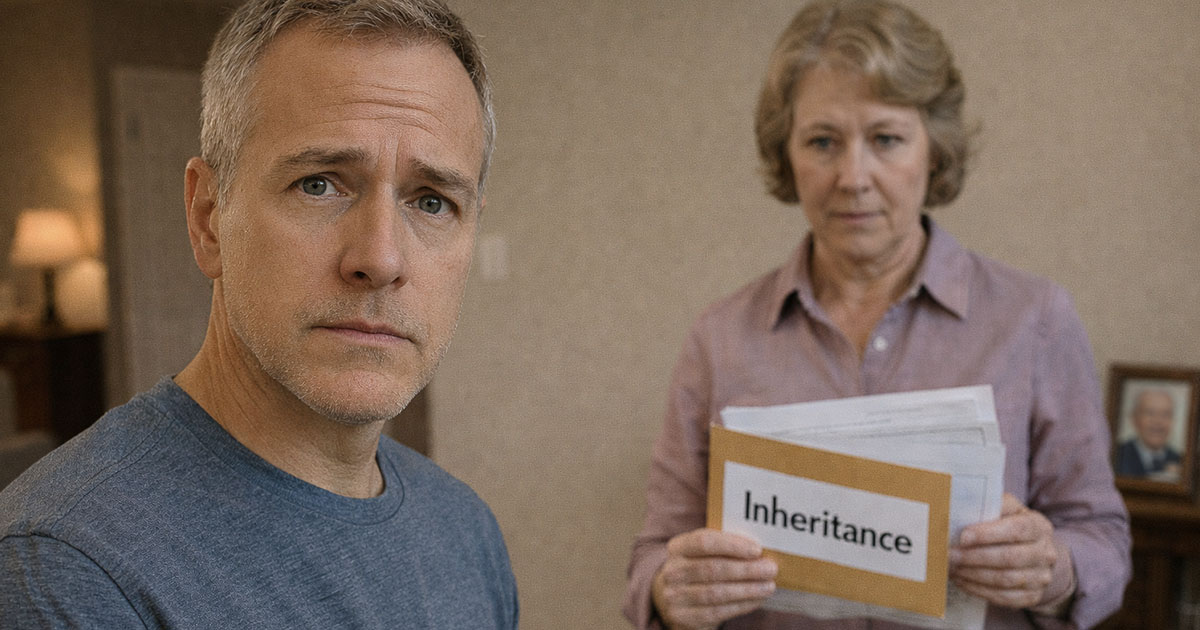
The 50 50 Fight That Starts Before The Wedding
Money fights usually don't start with one huge blowout. They tend to begin with one stubborn idea, like splitting every bill right down the middle even when one partner makes a lot more. It's one thing early in a relationship, but if your fiancé earns twice what you do and still wants a strict 50 50 budget, the real issue is not whether it is equal. It's about your partnership.

Equal And Fair Are Not Always The Same
Equal means each person pays the same amount. Fair usually means each person carries a share that feels reasonable and manageable. When two people earn very different incomes, those ideas can clash fast.

Why This Debate Feels So Personal
Money is never just numbers in a relationship. It is tied to power, freedom, stress, generosity, and each person’s idea of what a partnership should be. That is why a basic rent split can turn into a much bigger conversation about respect and long term fit.

What Therapists See Behind The Numbers
Financial therapist Lindsay Bryan-Podvin has written that money talks between couples are often shaped by values, emotions, and old beliefs, not just spreadsheets. That matters here. A demand for exact equality can sometimes be more about independence, control, or self-protection than fairness.

There Is A Real Income Gap Problem In Many Homes
This is not some rare issue. The U.S. Bureau of Labor Statistics reported in its 2023 Consumer Expenditures Survey, released in 2024, that housing is still one of the biggest expenses for households. When fixed costs take up a huge share of income, the lower earner usually feels the squeeze much sooner in a strict 50 50 setup.

What Researchers Mean By Financial Fairness
Research has long shown that couples care a lot about fairness, not just identical contributions. In a 2018 Pew Research Center report on unmarried parents and family finances, researchers noted that many modern couples work out roles based on real life needs instead of rigid formulas. The main point is simple. People are more likely to accept uneven contributions when the system feels open and justified.
 Mladen Mitrinovic, Shutterstock
One Rule Sounds Clean But Can Create A Mess
A 50 50 split sounds tidy because the math is easy. But neat math can hide ugly outcomes if one person has far less breathing room after paying their share. If your fiancé still has money for savings, trips, and fun while you are barely getting by, the setup may be equal on paper and deeply uneven in real life.

The Hidden Cost Is Not Just Stress
Splitting bills equally can also hurt your ability to build wealth. The lower earner may pay the same amount toward rent and utilities but have far less left for emergencies, retirement, or paying off debt. Over time, that gap can quietly turn into a power imbalance.

Why Financial Experts Often Recommend Proportional Splits
Many financial planners suggest dividing shared costs by income when earnings are uneven. If one partner brings in two thirds of the household income and the other brings in one third, each person pays that share of the joint bills. It is not about romance. It is about matching contribution to what each person can actually afford.

How A Proportional Split Works In Real Life
Say monthly shared expenses are $3,000. If your fiancé earns $8,000 a month and you earn $4,000, your combined income is $12,000. That means your fiancé brings in about 67 percent and you bring in about 33 percent. Under that setup, your fiancé would pay about $2,010 and you would pay about $990 instead of each paying $1,500.

The Math May Be Simple But The Emotions Are Not
Even a proportional split can stir things up. The higher earner may worry about being treated like an ATM. The lower earner may worry about being seen as less capable or less independent. Those fears are real, and they have to be talked through if any system is going to last.

What The Government Says About Financial Compatibility
The Consumer Financial Protection Bureau has repeatedly stressed the value of clear money talks and joint planning in household decisions. Its guidance on managing money focuses on setting goals, understanding obligations, and talking through tradeoffs. That matters because if a couple cannot get on the same page about basic bills before marriage, bigger financial choices later can get much harder.

There Is No Legal Fairy Tale Waiting After Marriage
Marriage does not suddenly fix different money habits or beliefs. If anything, it raises the stakes. Once couples share leases, loans, tax choices, or a home purchase, resentment over who pays what can get much harder to unwind.

Watch For Lifestyle Inflation By Proxy
Here is where the problem gets obvious. If the higher earner wants the nicer apartment, the more expensive dinners, or the pricier neighborhood, a 50 50 split can force the lower earner to help fund a lifestyle they would not have chosen on their own. That is one of the clearest signs that equal is no longer fair.

A Simple Question Can Expose The Problem
Ask this directly. Could both partners comfortably afford the shared lifestyle on their own income without constant stress? If the answer is no for one person, then the budget may really be built around the higher earner’s preferences while pretending to be equal.

Debt Changes The Fairness Conversation Too
Income is not the only number that counts. Student loans, credit card debt, child support, medical bills, or family obligations can change what each person can realistically handle. Two people can earn the same paycheck and still have very different room in the budget.

Savings Matter Just As Much As Bills
Couples sometimes get so focused on splitting expenses that they ignore something just as important: opportunity. If one partner can save 20 percent of their income every month while the other can barely save anything after paying their share, they are not building the same future. That is not just a personal budgeting issue.

Fairness Can Also Include Non Cash Contributions
Household work counts, even if it never shows up in a bank app. Cooking, cleaning, planning, errands, and the endless mental load all help keep a home running. Pew Research Center has found in surveys on marriage and cohabitation that couples still work out labor and money together, and tension often builds when one kind of contribution gets overlooked.

Cohabiting Couples Need Extra Clarity
Unmarried couples often share bills without the legal backup that comes with marriage. That makes clear expectations and written agreements even more important. Putting the plan in writing is not unromantic when real money is involved.

What To Say If You Want To Push Back
You do not have to call your fiancé selfish to challenge the setup. You can say something like this: I am open to sharing expenses, but I want a system that feels fair based on our incomes and still lets both of us save, breathe, and enjoy life.

Three Budget Models Couples Commonly Use
The first is a strict 50 50 split, which works best when incomes and lifestyle expectations are close. The second is a proportional split based on income, which many couples use when one person earns much more than the other. The third is a pooled system where both partners put money into a joint account for shared costs and keep some personal spending separate.

When 50 50 Can Actually Work
A strict split is not always a bad idea. It can work when both partners earn about the same, carry similar debt, and choose a lifestyle that fits comfortably within the lower earner’s budget. It can also work when both people strongly value financial independence and genuinely agree to keep shared costs modest.
 LightField Studios, Shutterstock
When 50 50 Is A Red Flag
Be careful if your fiancé insists on equal payment while brushing off what it does to your savings, debt, or stress level. That can point to a deeper problem: an unwillingness to think like a team. At that point, the issue is not just the bills. It is whether your future spouse sees marriage as mutual support or as two separate financial lives under one roof.

Premarital Money Talks Are Not Optional
Financial planners and relationship experts regularly tell couples to talk about debt, spending, savings goals, and bill splitting before marriage. This is one of those talks. If it feels awkward now, it will probably feel much worse after a wedding, a mortgage, or a baby.

Try A Fairness Test Before You Decide
Look at each person’s income, debt, savings goals, and job stability. Then compare how much spending room each partner has left after shared costs are paid. If one person still has options and the other is left anxious, the system is not working.
 Krakenimages.com, Shutterstock
The Best Arrangement Is The One Both People Can Defend
A healthy setup is one both partners can explain without resentment. It should reflect real finances, not just some abstract principle. If your fiancé’s only argument for 50 50 is that it is equal, that may not be enough for a shared life.

The Bottom Line On Equal Versus Fair
When incomes are far apart, a strict 50 50 split often helps the higher earner more than it helps the couple, even if it sounds neutral. Fairness usually looks more like proportional contributions, honest conversations, and shared sacrifice that does not crush one person’s future. Before you say yes to the wedding, make sure you can also say yes to the money system that comes with it.