
Buying A House Before Marriage Can Get Messy Fast
Buying a home together can seem like a smart next step before the wedding. But if only one partner is on the mortgage and the deed, things stop being equal pretty quickly, in both the financial and marital senses. In simple terms, yes, you could end up paying toward a home you do not legally own.
Maybe it won't be a problem. But for some people, that "maybe" could turn into something serious.

Mortgage And Deed Are Two Different Things
This is the first thing many couples miss. A mortgage is the loan used to buy the home. The deed is the legal document that says who owns it. The Consumer Financial Protection Bureau explains that the promissory note is the promise to repay, while the mortgage or deed of trust gives the lender a claim against the property.
 Jacob Wackerhausen, Getty Images
The Deed Is What Decides Ownership
If your name is not on the deed, you usually do not have legal ownership rights in the home. That means you may not have any automatic right to the home’s value, appreciation, or sale proceeds. Even if you help pay every month, those payments do not automatically give you ownership.

The Mortgage Decides Who Owes The Loan
If your name is not on the mortgage, the lender usually does not treat you as a borrower. That can sound like a good thing, but it also means your payments may look more like informal household help than an investment in the property unless you have a separate legal agreement.

Yes, You Really Could Be Paying For A Home You Do Not Own
This is the core issue. If your fiancé buys the house in his name alone and you help with the mortgage, taxes, insurance, repairs, or upgrades, you may be helping him build equity while getting little or nothing in return legally. Without your name on the title or a written contract, it can be very hard to get that money back if the relationship ends.

Why This Comes Up So Often
This is not some rare problem. Unmarried couples are a real part of the housing market. The National Association of Realtors said unmarried couples made up 9% of home buyers in its 2024 Home Buyers and Sellers Generational Trends report. More couples are making big real estate choices before marriage, which makes the legal details matter even more.
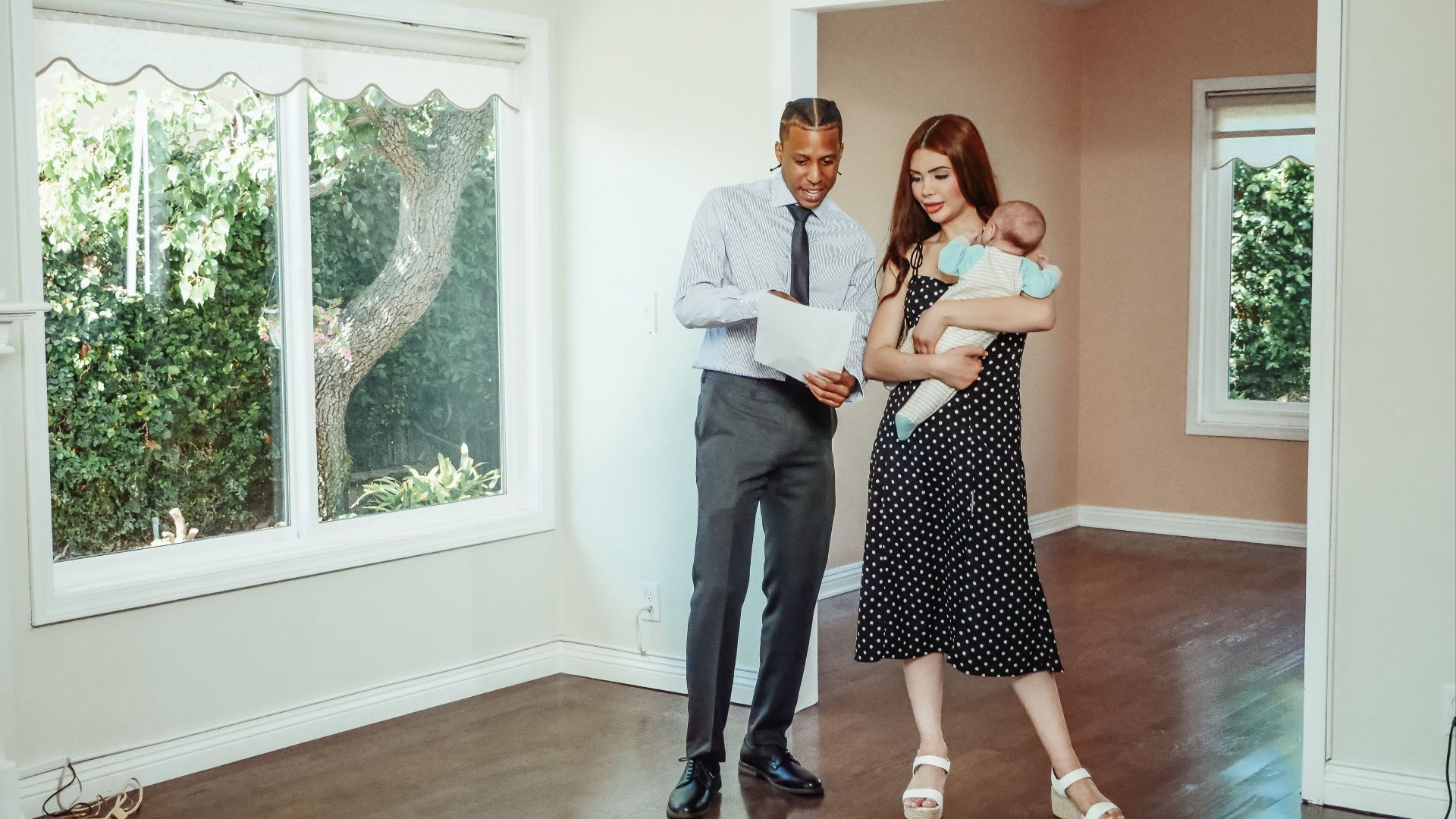
Love Does Not Change Property Law
It is easy to think a serious relationship creates automatic rights, especially when both people are sharing bills and making plans. In most states, that is not how it works. Property rights usually come from title, contracts, and state law, not from good intentions or years spent acting like a team.

What The Deed Actually Does
The deed shows who owns the property and how that ownership is set up. Nolo explains that a deed can list one owner or more than one owner, and it can show different kinds of co-ownership, like joint tenancy or tenancy in common. If your name is not there, the law often starts from the view that the house is not yours.

What The Mortgage Actually Does
The mortgage says who is responsible for paying back the home loan. Someone can be on the deed without being on the mortgage. In some cases, someone can also be tied to the mortgage without having real ownership rights if the title is set up another way. That is why both documents matter before anyone starts putting money into the house.

The Real Risk Builds Month By Month
The biggest danger is usually not one dramatic moment. It is the steady stream of normal-looking monthly payments. Mortgage help, utility money, repair costs, and renovation spending can add up to tens of thousands of dollars, all without giving you much legal protection.

Getting Married Later Does Not Always Fix Earlier Payments
Some people assume the wedding will sort everything out. It may improve your legal position going forward, but it does not always turn past contributions into ownership. State property rules are different, and what happens to a house bought before marriage often depends on whether it stays separate property, whether marital money is used on it, and whether the title changes later.

Community Property States Can Make Things More Complicated
In community property states, property bought during marriage is often treated differently from property bought before marriage. But a home purchased before marriage in one partner’s sole name can still start out as separate property. The exact rules depend on the state, which is why local legal advice matters when serious money is involved.

Paying For Renovations Can Be A Trap Too
Maybe you are not just helping with the mortgage. Maybe you are paying for a kitchen remodel, a new roof, or new floors. Those upgrades can raise the home’s value, but unless there is a written agreement about ownership or repayment, that added value may still belong to the person on the title.

A Verbal Promise Will Not Do Much In A Dispute
Many couples say things like, “We both know it’s ours.” That sounds reassuring until there is a breakup or a sale. In real estate disputes, written agreements, title records, and payment history usually matter a lot more than private promises.

There Are Better Ways To Set This Up
If both partners are contributing, one option is to put both names on the deed. Depending on income, credit, and lender rules, both names might also go on the mortgage. Another option is for one person to own the home but sign a separate legal agreement explaining exactly how the other person’s payments will be treated.

A Cohabitation Agreement Can Spell It Out
Nolo notes that unmarried couples can use cohabitation agreements to lay out finances and property rights. That can include whether monthly payments count as rent, whether one partner earns a share of equity, and what happens if the home is sold or the relationship ends. It may not feel romantic, but it can prevent a costly fight later.

If It Is Rent, Call It Rent
There is nothing wrong with paying toward housing costs in a place you do not own. Plenty of couples do that. But if that is the setup, it should be described clearly as rent or shared living costs, not as ownership-building unless there is paperwork to back that up.

If It Is Supposed To Build Equity, Put That In Writing
If your fiancé wants to keep sole title but also wants your help buying the home, the two of you should talk about a contract that says how much equity, reimbursement, or sale money you would get. A lawyer can draft terms covering contributions, buyout rights, and what happens if the relationship ends. Without that, the default legal result may favor the person on the deed.

Ask The Hard Question Up Front
Ask this clearly: if the relationship ended in two years, what exactly would I leave with. If the answer is fuzzy, delayed, or based only on trust, that is a warning sign. Big financial commitments need clear terms before the money starts moving.

His Reasons May Be Practical, But Your Risk Is Still Real
There may be practical reasons he wants to buy alone. Maybe your credit score is lower, your debt is higher, or your income is harder for a lender to count. Even so, your risk does not disappear if you are putting serious money into the property without getting ownership rights or a clear repayment plan.

Do Not Mistake Living There For Owning It
Living in the house, decorating it, and helping take care of it do not make you an owner by themselves. Many people do not find that out until a breakup, refinance, or sale forces the issue. By then, fixing the problem can be hard and expensive.

Your Name Can Be Added Later, But That Takes Real Action
Your fiancé could add you to the deed after closing, but it does not happen on its own. It requires a separate legal transfer, and sometimes there can be tax, lender, or liability issues tied to that step. If adding you later is part of the plan, ask for a real timeline and a real legal process, not a loose promise.

State Law Can Change Everything
Property law, contract law, and family law all depend on the state. Some states may allow certain reimbursement or unjust enrichment claims in limited situations, but those cases can be uncertain and very fact-specific. That uncertainty is exactly why it is risky to assume a court will sort it out later.

Smart Protections To Think About Before You Pay
Before contributing a large amount of money, consider asking for one of four things: co-ownership on the deed, co-borrower status on the mortgage if that makes sense, a cohabitation or reimbursement agreement, or a rental agreement that clearly explains your role. It also helps to keep records of every payment you make. Good documentation can matter a lot later.
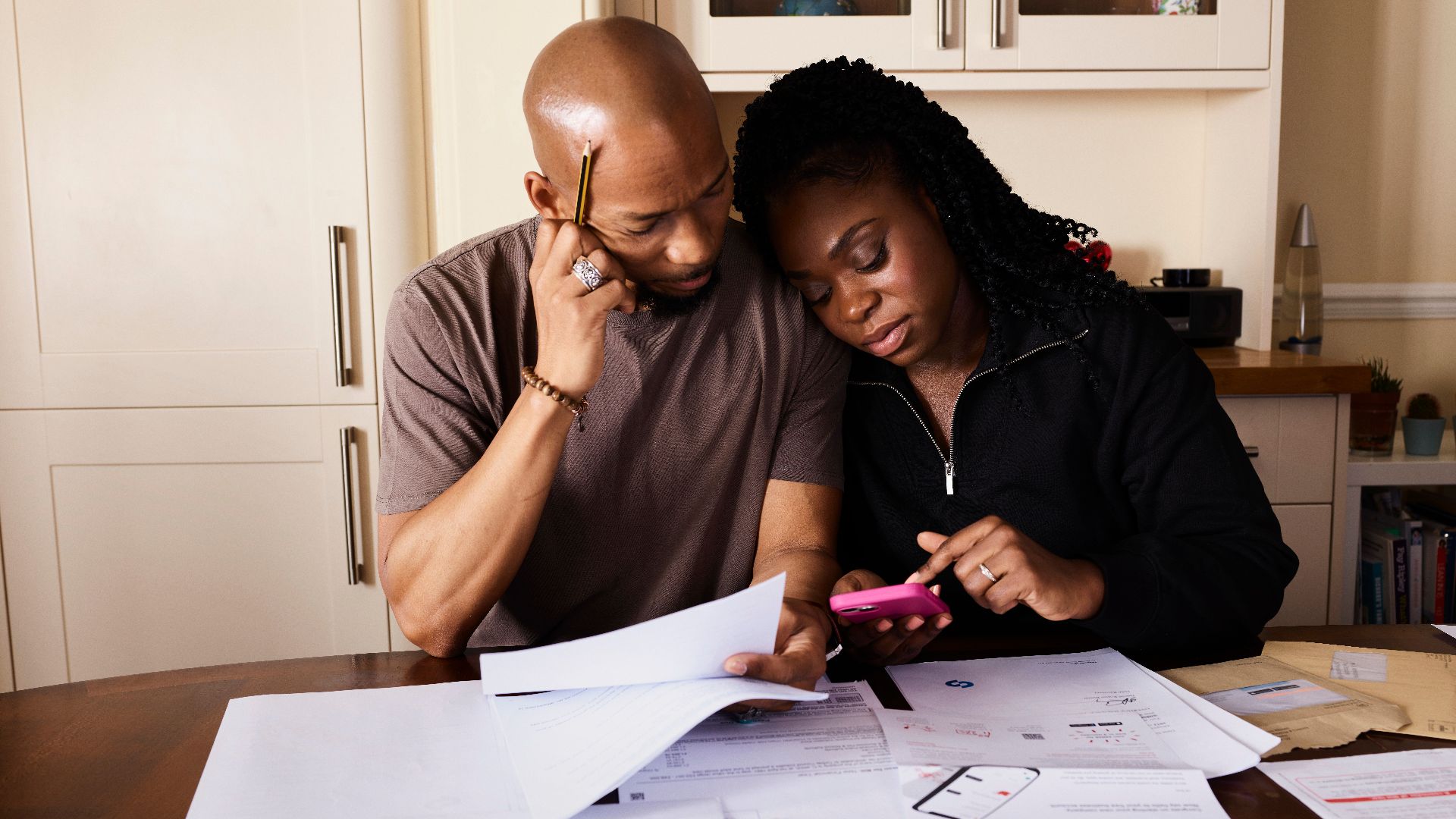 Vodafone x Rankin everyone.connected, Pexels
A Lawyer And Financial Planner Can Be Worth It
This is one of those situations where professional advice can save you money. A real estate attorney can review title and contract options, and a financial planner can help you decide whether putting your cash into someone else’s property makes sense for your own future. A short meeting now can prevent a much bigger problem later.

The Bottom Line
If only his name is going on the mortgage and the deed, you should assume the house legally belongs to him unless formal documents say something different. That means you absolutely could be paying toward a home you do not own. Before you mix your relationship with real estate, make sure the paperwork is just as clear as the promises.