
When PTO Disappears, It Feels Like A Rip-Off
Absolutely nobody wants to hear their employer say unused vacation days vanish on December 31. But if the reason you have leftover days is that the company was too short-staffed to let you go? Then you could have a case. But whether they can legally wipe out your vacation days will comes down to where you work, what the official policy says, and most importantly, whether your state treats vacation as earned wages.

First, The Big Federal Reality Check
There is no federal law that requires private employers to offer paid vacation at all. The U.S. Department of Labor says vacation benefits are usually a matter of agreement between the employer and employee. So in most cases, federal law does not stop a company from using a use-it-or-lose-it policy unless state law or a contract says otherwise.
 G. Edward Johnson, Wikimedia Commons
Why State Law Is The Real Story
This is one of those job issues where state law does most of the heavy lifting. Some states let employers use use-it-or-lose-it vacation policies as long as workers are told clearly ahead of time. Other states treat earned vacation like wages, which makes it much harder for employers to wipe it out at the end of the year.

California Is The Most Famous Exception
California has some of the strongest worker protections on this issue. The California Department of Industrial Relations says use-it-or-lose-it policies are not legal when it comes to vested vacation time. In California, earned vacation counts as wages, and once you accrue it, it generally cannot be taken away.
 Mx. Granger, Wikimedia Commons
What California Employers Can Still Do
That does not mean workers in California can build up endless vacation forever. State guidance says employers can set a reasonable cap on future accrual. In other words, vacation can stop building once you hit a set limit. The key difference is that time you already earned cannot just disappear at year-end.

Illinois Also Pushes Back On Forfeiture
Illinois takes a similar view. The Illinois Department of Labor says earned vacation time counts as wages under the Illinois Wage Payment and Collection Act. Employers can set the rules for vacation policies, but they cannot force workers to give up earned vacation under a use-it-or-lose-it rule.
 https://kaboompics.com/, Pexels
Montana Also Limits These Policies
Montana is another state where employers have less room to erase earned time. Guidance from the Montana Department of Labor and Industry says that once vacation is earned under company policy, it generally cannot be forfeited. That makes a year-end wipeout much harder to defend there.
 G. Edward Johnson, Wikimedia Commons
Nebraska Treats Earned Vacation Like Wages Too
Nebraska also stands out. The Nebraska Department of Labor says employers can decide how vacation accrues, but once it is earned, it cannot be taken away through a use-it-or-lose-it policy. For workers there, the name of the policy matters less than the fact that accrued time is protected once earned.
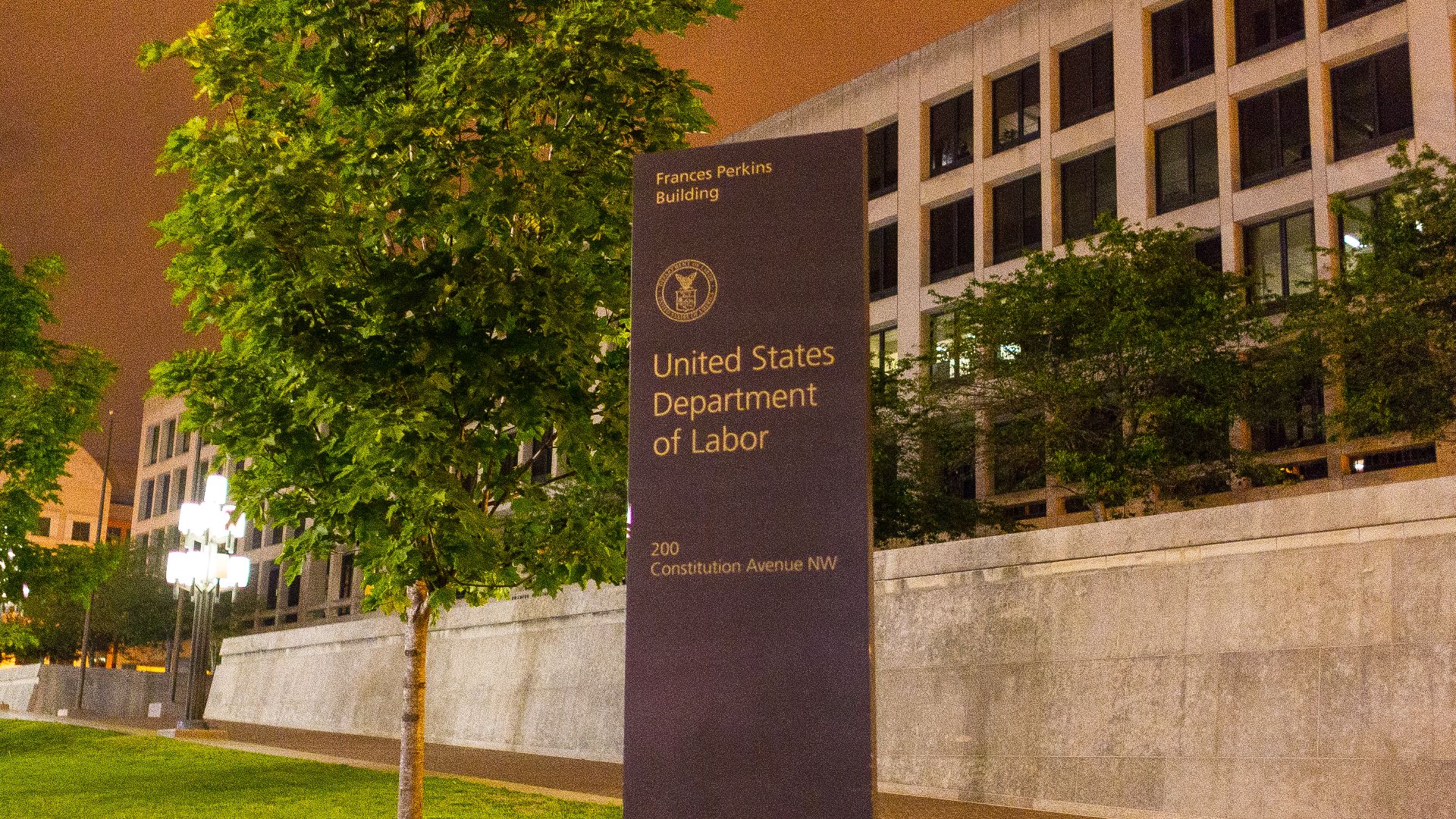 US Department of Labor, Wikimedia Commons
In Many Other States, Employers Have More Freedom
Across much of the country, employers have more room to set strict deadlines. If the company clearly says vacation must be used by a certain date or it is lost, that policy may be legal. The catch is that it still has to follow state wage laws and be applied the same way to everyone.

Understaffing Does Not Automatically Make It Illegal
This is the part many workers hate hearing. In states that allow use-it-or-lose-it policies, the fact that your team was understaffed does not automatically make the policy unlawful. It may feel unfair and terrible for morale, but the legal answer usually turns on the written policy and state law, not on whether it was realistically possible to take leave.

The Policy Is Your First Piece Of Evidence
Before you assume the company broke the law, pull the employee handbook, your offer letter, and any PTO policy updates. Look for the exact wording on accrual, carryover, payout, deadlines, and whether managers can deny requests because of business needs. Small wording changes can matter a lot if you end up challenging the decision.

Vacation And PTO Are Not Always The Same Thing
Some employers keep vacation, sick leave, and personal days separate. Others roll everything into one PTO bank. State law may treat those categories differently, so do not assume the rules for vacation apply in exactly the same way to every kind of paid time off.

Earned Time And Future Accrual Are Different Things
A lot of these disputes come down to one key difference. Some states protect time you have already earned but still let employers limit how much more you can build up going forward. That is why an accrual cap may be legal in a state like California even though straight forfeiture is not.

Notice Matters More Than People Think
Even in states that allow use-it-or-lose-it policies, employers usually need to spell out the rule clearly. Surprise policy reversals at the end of the year can create legal problems if workers were never properly told. If the company recently changed the policy, save emails, screenshots, and handbook updates showing when that happened.

A Verbal Promise From Your Boss May Not Save You
Managers often say things like, “Don’t worry, we’ll figure it out later.” That may calm people down in the moment, but it may not override a written policy unless the company formally changes it. If you were told to keep working through the holidays because the team was slammed, ask for that in writing.

Union Contracts Can Change Everything
If you are covered by a collective bargaining agreement, the contract may give you more protection than state law alone. Vacation scheduling, carryover rights, and payout rules are often written directly into union contracts. In that case, the handbook is only part of the story.

Individual Employment Contracts Matter Too
The same goes for individual contracts, especially for executives or specialized employees. If your offer letter or contract promises a certain amount of paid vacation or a payout when you leave, that language may be enforceable. A company-wide policy cannot always wipe out a specific contract promise.

Final Payout Rules Are A Separate Issue
Even where year-end forfeiture is allowed, states may have separate rules about whether unused vacation must be paid out when employment ends. That question is not always handled the same way as carryover. So if you are thinking about quitting over this, check your state's final pay rules first.

If You Were Blocked From Taking Time Off, Document It
Understaffing may not automatically make the policy illegal, but it can still help your case in an internal complaint or appeal. Save denied time-off requests, staffing messages, and emails asking workers to delay leave because of workload. A paper trail helps show that losing the time was not really your choice.

Ask HR One Direct Question
Try this: “Can you show me the written policy and explain whether state law allows forfeiture of already-accrued vacation in my state?” That does two useful things. It shows you are paying attention, and it forces the company to ground its answer in something more solid than office rumor.

If You Work In California
If your employer in California says accrued vacation will disappear at year-end, that is a serious red flag. State guidance is clear that vested vacation cannot be forfeited under a use-it-or-lose-it policy. You can raise the issue internally and, if needed, contact the California Labor Commissioner’s Office.
 Quintin Soloviev, Wikimedia Commons
If You Work In Illinois
Illinois workers have real leverage here too. The Illinois Department of Labor says earned vacation is wages and cannot be forfeited once accrued. If your company still insists on a year-end wipeout, you may want to file a wage claim or talk to an employment attorney.

If Your State Allows Use-It-Or-Lose-It
If your state generally allows these policies, your best move may be practical instead of legal. Ask whether the company will allow an exception, temporary carryover, or a one-time payout because staffing shortages kept you from taking leave. Employers sometimes bend when enough workers raise the same problem and the paper trail looks bad.

This Is Also A Retention Problem
Employers may treat this like a policy detail. Workers see it as lost pay. When a company denies time off because it is understaffed and then erases the benefit anyway, it sends a message people do not forget.

How To Protect Yourself Before Year-End
Do not wait until the last week of December. Put in leave requests early, keep copies, and ask what happens if business needs force a denial. If your policy has a cap or a deadline, track your own balance instead of assuming HR or payroll will warn you in time.

The Bottom Line
Yes, in many states a company can legally make unused vacation disappear at year-end if the policy is clear and state law allows it. But in states like California, Illinois, Montana, and Nebraska, already-earned vacation is much harder or impossible to forfeit under a use-it-or-lose-it rule. If your employer blocked you from taking time off because of understaffing, that may not always decide the legal issue, but it is exactly the kind of fact you should document before your PTO disappears.