
The Claim Sounds Wild Until You Look At History
To be fair, your friend isn't completely making this up. Governments really can change retirement account rules, and Congress has done it many times. But the better question for someone planning their financial future is whether that makes retirement accounts a scam, or an effective tool that comes with some inevitable political risk.

What A Scam Actually Means
A scam usually involves lies, hidden motives, or someone taking your money under false pretenses. Retirement accounts are created by law, explained in the tax code and agency guidance, and run by regulated financial firms. That does not make them risk free, but it does make them very different from fraud.

Retirement Accounts Were Built By Congress In Plain Sight
The modern Individual Retirement Account was created in the Employee Retirement Income Security Act of 1974, better known as ERISA. Congress set the basic framework in law, not in fine print nobody could find. That matters because the rules have always been public, even when they later changed.

The 401(k) Was Not Born As A Grand Plan
One of the more interesting facts in retirement history is that the 401(k) was not originally launched as the giant retirement vehicle we know today. Section 401(k) was added to the Internal Revenue Code by the Revenue Act of 1978. The provision allowed certain deferred compensation arrangements, and employers later built entire plans around it.

One Consultant Helped Turn A Tax Clause Into A Revolution
Benefits consultant Ted Benna is widely credited with realizing in 1980 that the new 401(k) language could be used to create a salary deferral retirement plan. He helped put one of the first such plans in place soon after. That story matters because it shows retirement accounts are products of tax law and regulation, which means future lawmakers can revise them too.

The IRS Confirmed The Path In 1981
The IRS proposed regulations in 1981 that helped confirm how 401(k) salary reduction plans could work. Once the agency gave practical guidance, employers started adopting these plans much more broadly. This was not a hidden trap. It was a legal framework developing in public through statutes and regulations.
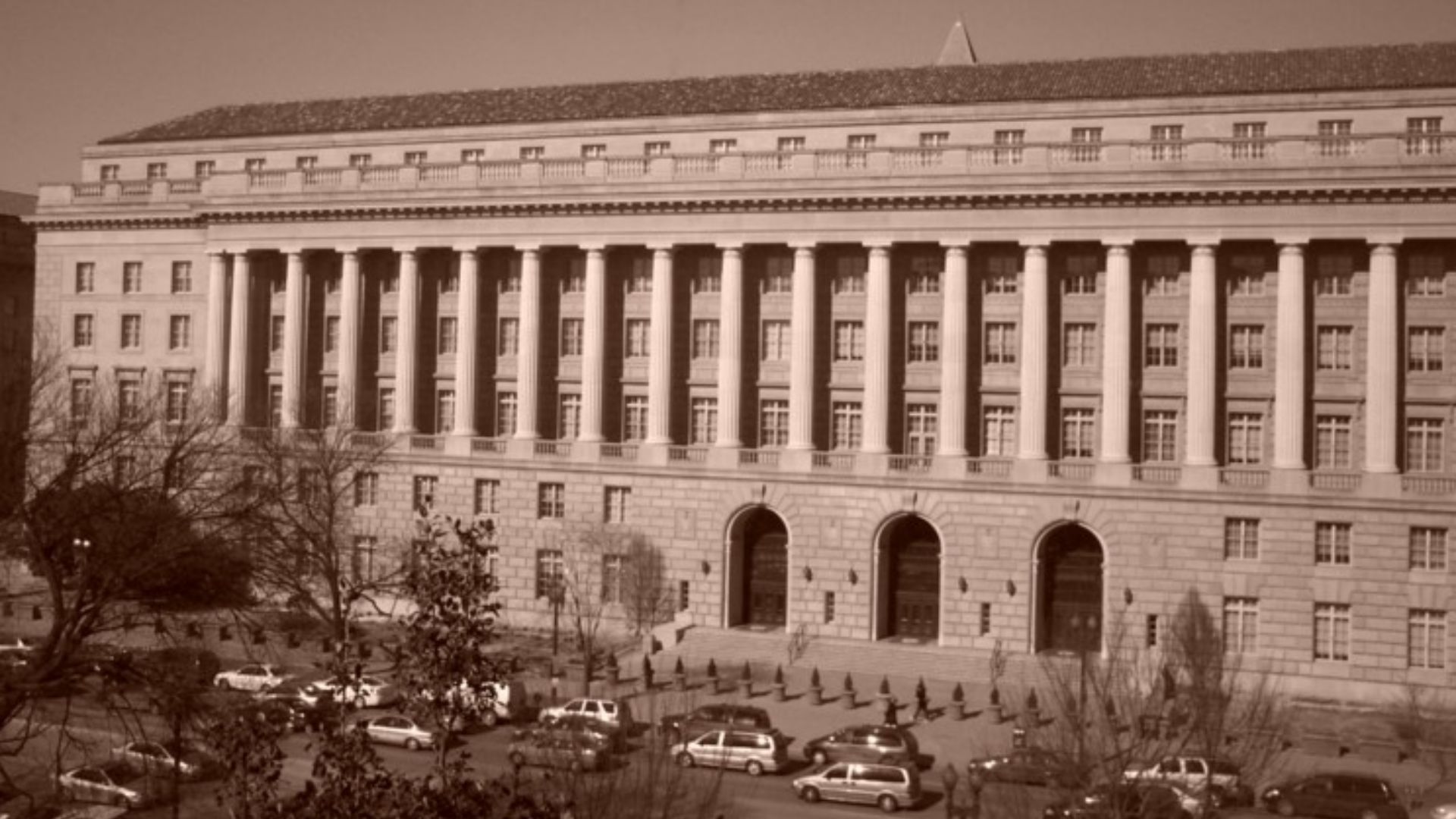 Wallstreethotrod at English Wikipedia, Wikimedia Commons
Yes, The Rules Have Changed Repeatedly
If your friend’s point is that retirement account rules do not stay frozen forever, history backs him up. Contribution limits, withdrawal rules, required distributions, rollover rules, and income thresholds have all changed over time. Congress changes tax law because tax policy is one of its main economic tools.

A Big Early Example Came In 1981
The Economic Recovery Tax Act of 1981 expanded access to IRAs, including for many workers covered by employer plans. That was a major pro-saver change. It shows rule changes can cut both ways, because lawmakers sometimes make retirement accounts more appealing, not less.
 Karl Schumacher (official White House photographer), Wikimedia Commons
Then Congress Tightened Some IRA Tax Breaks In 1986
The Tax Reform Act of 1986 limited the deductibility of IRA contributions for some higher-income taxpayers who were also covered by workplace plans. This is exactly the kind of change skeptics point to. The government did not seize anyone’s IRA, but it did change the tax treatment for future contributions.
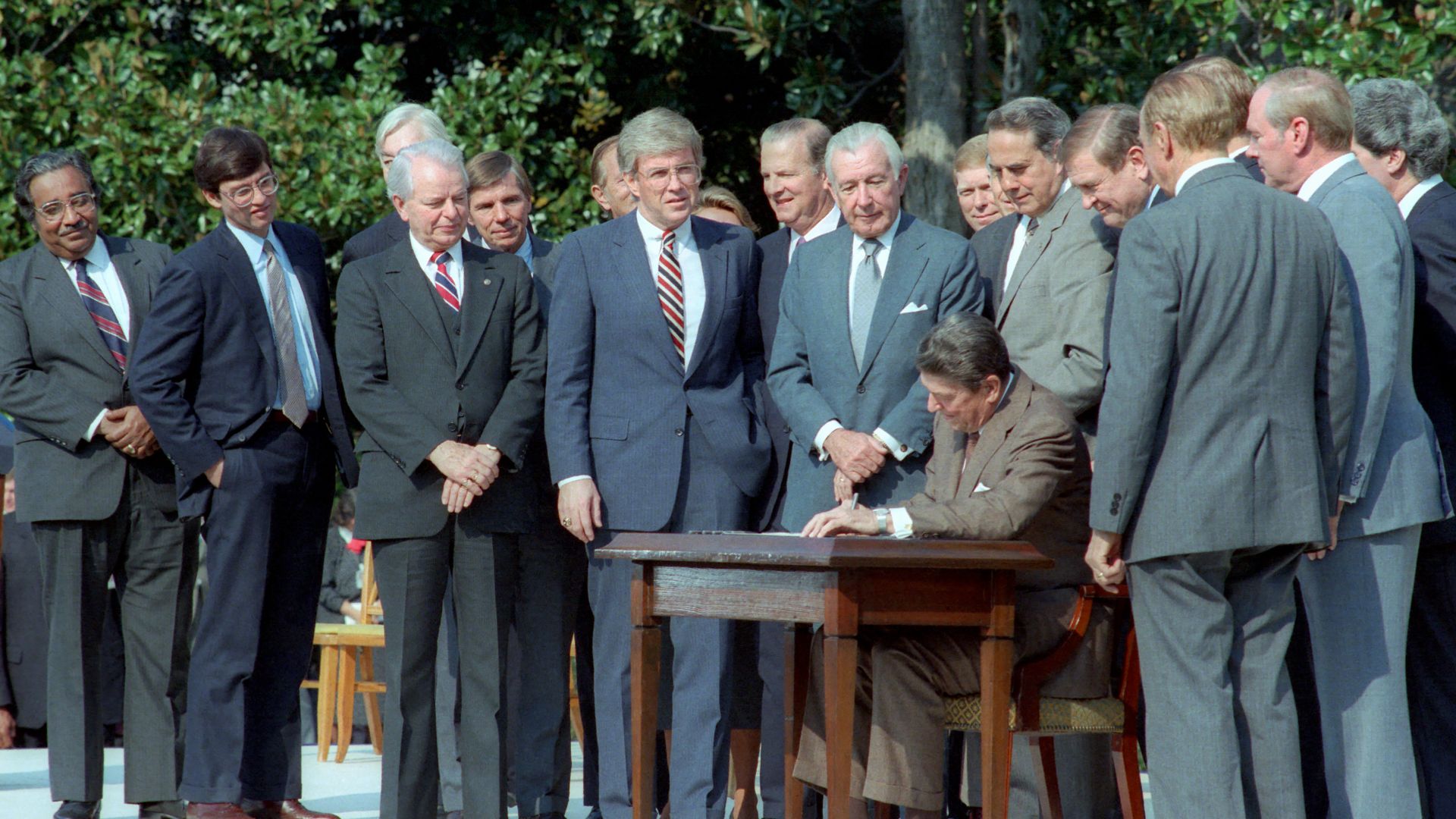 President (1981-1989 : Reagan). White House Photographic Office. 1981-1989, Wikimedia Commons
The Roth IRA Arrived In 1997
The Taxpayer Relief Act of 1997 created the Roth IRA. That was a big shift because it offered tax-free qualified withdrawals in exchange for after-tax contributions. Instead of proving retirement accounts are a trap, this is another example of Congress adding a new and often valuable option.
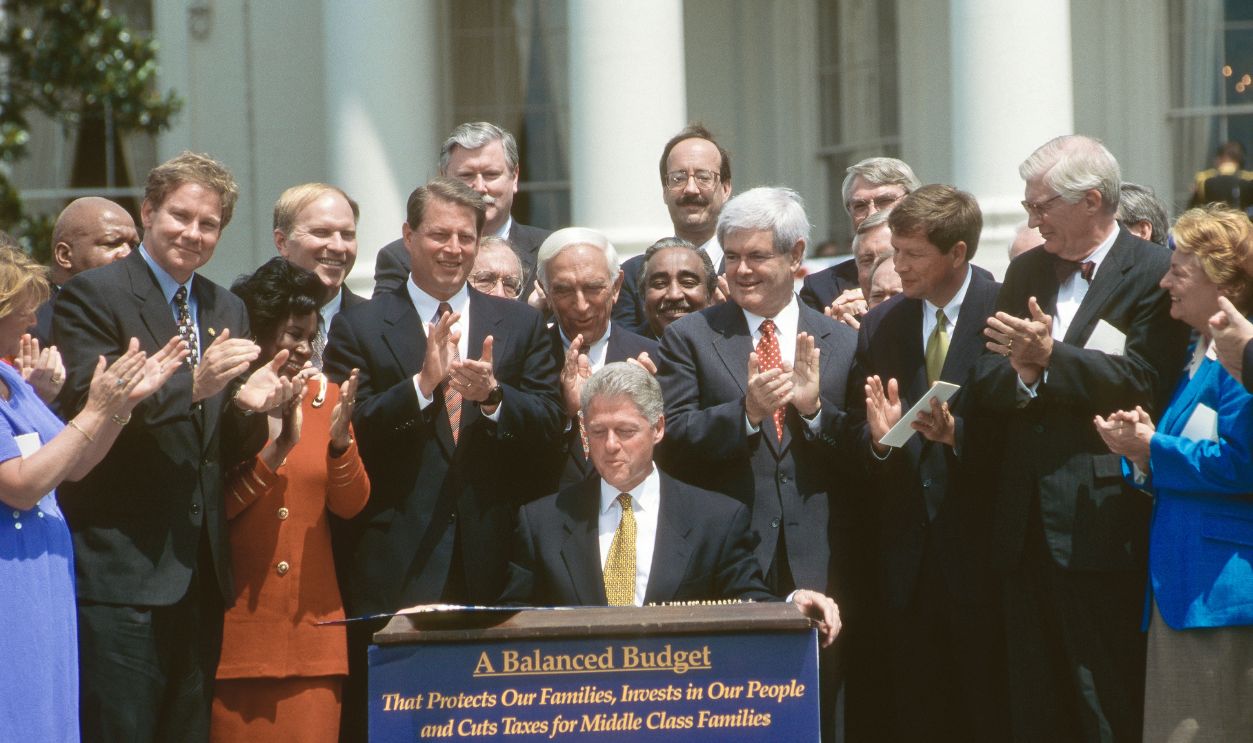
Contribution Limits Did Not Stay Tiny Forever
Rules on how much people could put into retirement accounts have changed many times. The Economic Growth and Tax Relief Reconciliation Act of 2001 increased contribution limits and added catch-up contributions for older savers. For many workers, those changes made retirement accounts much more useful.
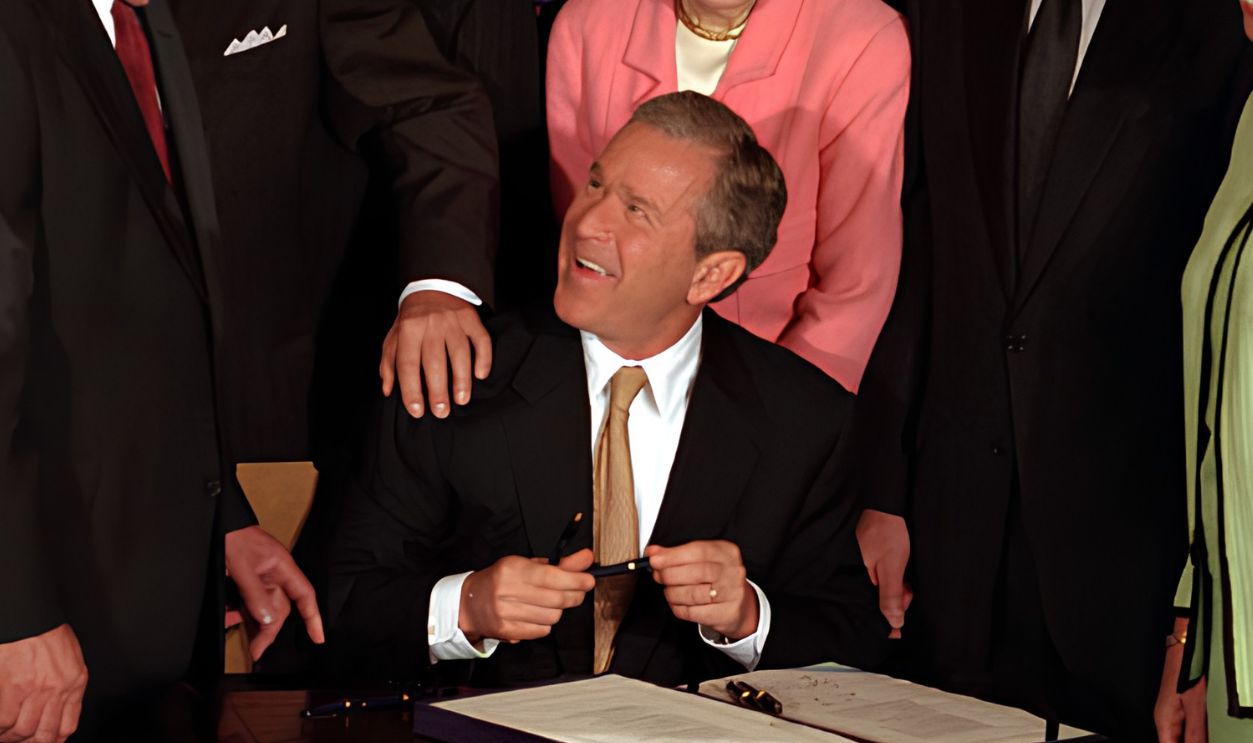 Paul Morse, Wikimedia Commons, enhanced
The Pension Protection Act Nudged Behavior In 2006
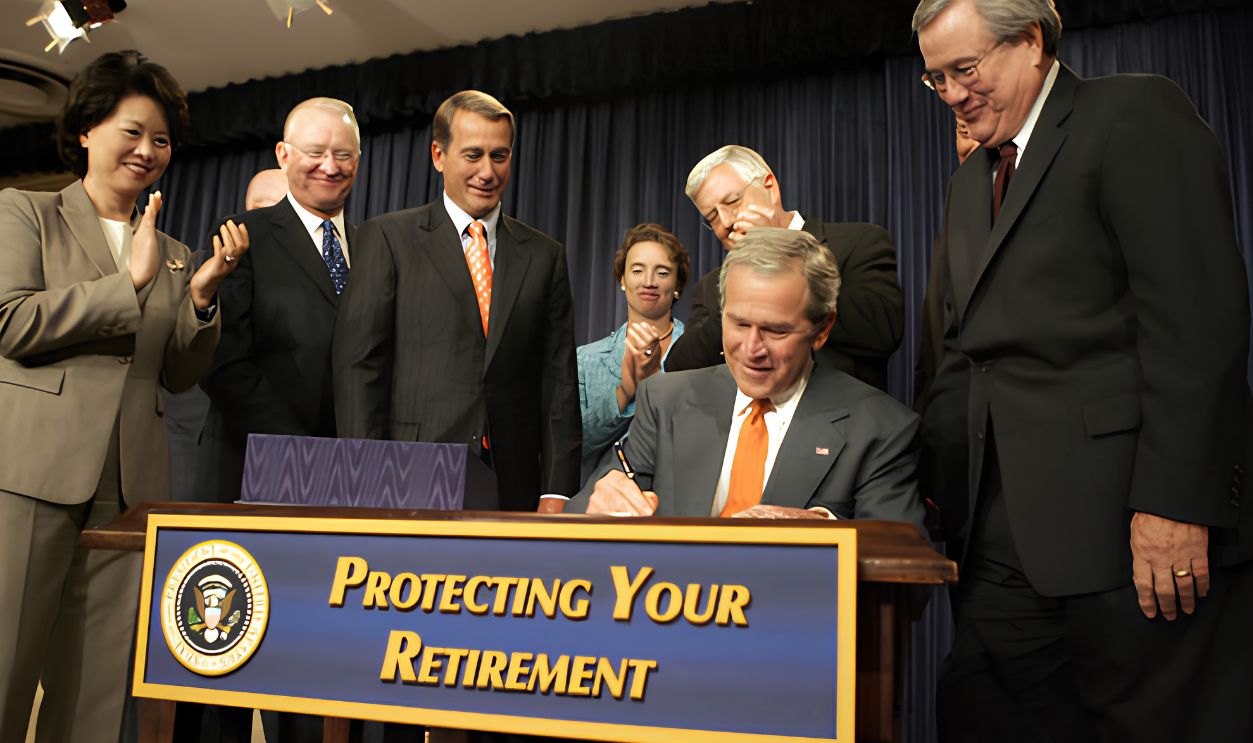
The Pension Protection Act of 2006 encouraged automatic enrollment and automatic escalation features in workplace retirement plans. Those design changes mattered because they made saving easier and more likely. Again, the government changed the rules, but in a way that often improved participation.
 White House photo by Kimberlee Hewitt, Wikimedia Commons, enhanced
The SECURE Act Reset The Inheritance Playbook
Now we get to one of the biggest modern examples. The SECURE Act, enacted in December 2019, raised the age for required minimum distributions from 70 and a half to 72 and changed rules for inherited retirement accounts. Many nonspouse beneficiaries lost the ability to stretch distributions over a lifetime and instead generally faced a 10-year window.

The SECURE 2.0 Law Changed Things Again In 2022
Congress was not done. SECURE 2.0, enacted in December 2022, raised the required minimum distribution age to 73 starting in 2023, with a move to 75 scheduled for some people in 2033. It also expanded catch-up opportunities and added several other plan design changes.

Required Minimum Distribution Rules Prove The Point
If you want the clearest example that governments can rewrite the playbook, required minimum distributions are it. The age has moved over time because Congress decided to adjust the balance between tax deferral and tax collection. That is a real policy risk, but it is not proof that the accounts themselves are fake.

Inflation Adjustments Also Change The Math
Every year, the IRS updates many contribution limits and thresholds for inflation. In 2024 and 2025, retirement savers saw revised limits across several account types. These changes are rule changes too, but they are usually helpful because they let people shield more money over time.

Can The Government Tax Retirement Withdrawals More Heavily Later
Yes, for traditional accounts, that risk is real because future tax rates are unknown. A traditional IRA or 401(k) gives you a deduction now in exchange for taxation later under whatever laws apply at that time. That uncertainty is one reason some investors spread savings across traditional and Roth accounts.

Roth Accounts Reduce One Kind Of Political Risk
Roth IRAs and Roth 401(k)s are funded with after-tax dollars, and qualified withdrawals are generally tax free under current law. That does not make them immune to legislative change, because Congress can rewrite tax rules broadly. But they reduce the specific risk of paying higher ordinary income tax rates on those withdrawals later.

Could Congress Just Confiscate Retirement Accounts
People sometimes talk as if lawmakers could wake up tomorrow and simply take everyone’s 401(k). In practical and political terms, that would be extraordinarily difficult and explosive. There is no mainstream evidence that current law is moving toward broad confiscation of ordinary Americans’ retirement accounts.

What Governments Usually Change Is Tax Treatment
Historically, Congress has mostly changed contribution rules, deduction limits, distribution timing, and inherited account rules. Those are meaningful changes, and they can affect financial plans. But they are different from calling the whole system a con designed to strip savers of their assets.
 Office of Congressman Paul Ryan, Wikimedia Commons
There Is Another Risk People Ignore More Often
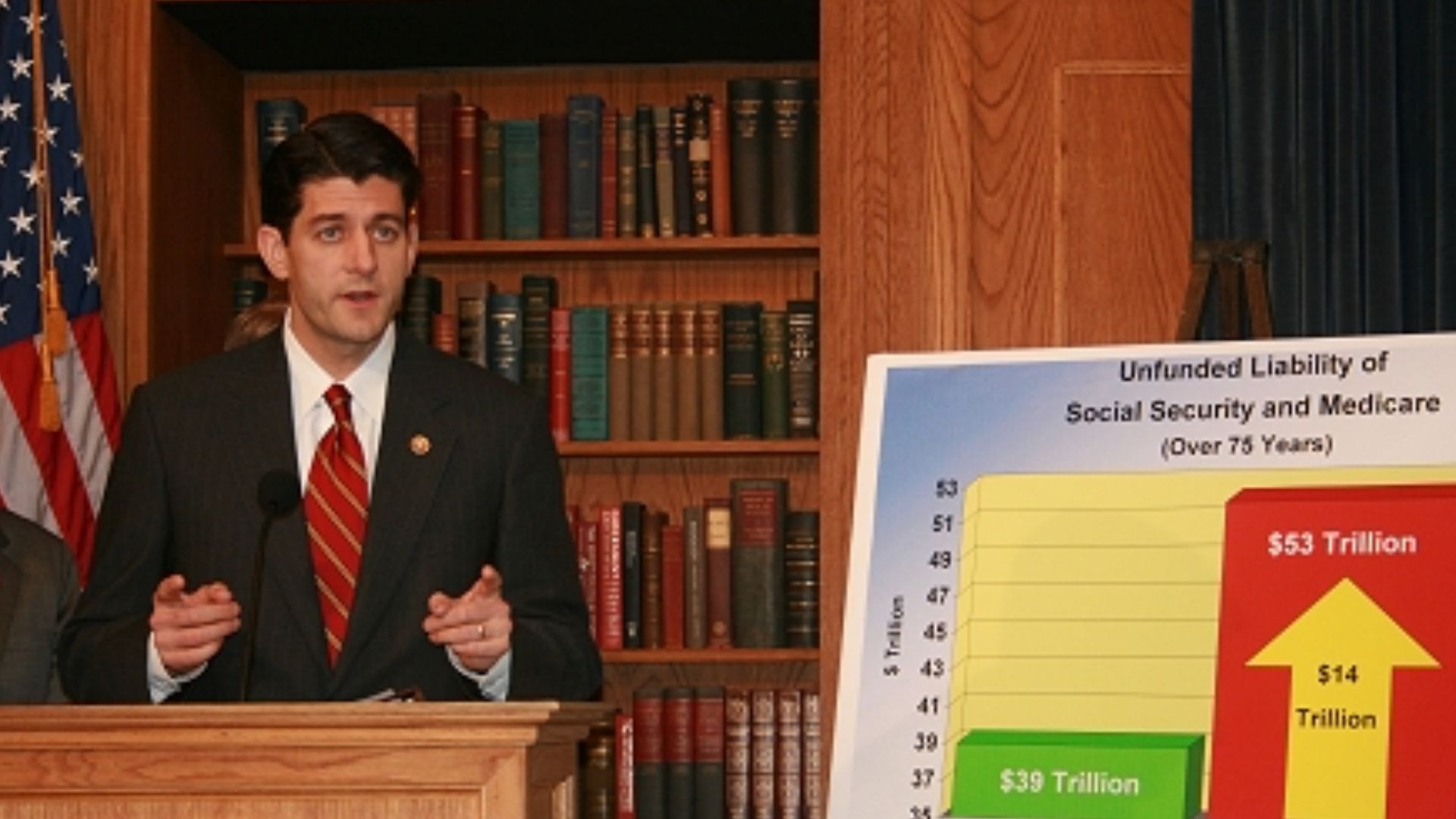
The bigger danger for many households is not legislative change. It is failing to save enough, missing employer matches, or holding too much money in cash for decades while inflation eats away at purchasing power. Political risk is real, but so is the cost of sitting on the sidelines.

The Employer Match Is Hard To Ignore
If your workplace offers a 401(k) match, turning it down can mean refusing part of your compensation. That benefit is available under the current rules and can materially boost long-term savings. Even people who worry about future policy changes often still take the match because the immediate value is so strong.

Tax Deferral Still Has Concrete Value
With traditional accounts, investments can compound without annual taxes on dividends, interest, and realized gains inside the account. That tax deferral can be powerful over long periods. Even if future rules shift somewhat, years of sheltered compounding can still leave you ahead of a fully taxable account.

Account Rules Are Public, Not Secret
One reason the scam label misses the mark is transparency. The IRS publishes contribution limits, distribution rules, rollover guidance, and much more, while Congress debates major changes in public legislation. You may not like every new rule, but the system is not running on hidden tricks.

Smart Savers Build Around Rule Risk
You do not need blind faith to use retirement accounts wisely. Many planners suggest tax diversification, which means holding some money in traditional accounts, some in Roth accounts, and sometimes some in taxable brokerage accounts. That way, one future policy change is less likely to wreck the entire plan.

Flexibility Matters More Than Winning The Argument
Your friend is right about one narrow point. Governments can and do change retirement account rules whenever legislation passes and agencies update guidance. But the practical takeaway is not to avoid retirement accounts entirely. It is to use them with open eyes and a backup plan.

So Does He Have A Point
Yes, but only partly. Retirement accounts are not a scam, yet they are absolutely subject to political and tax law risk. For most savers, the sensible move is to use the clear advantages available now, especially employer matches and tax benefits, while diversifying enough that future rule changes do not control your whole retirement.