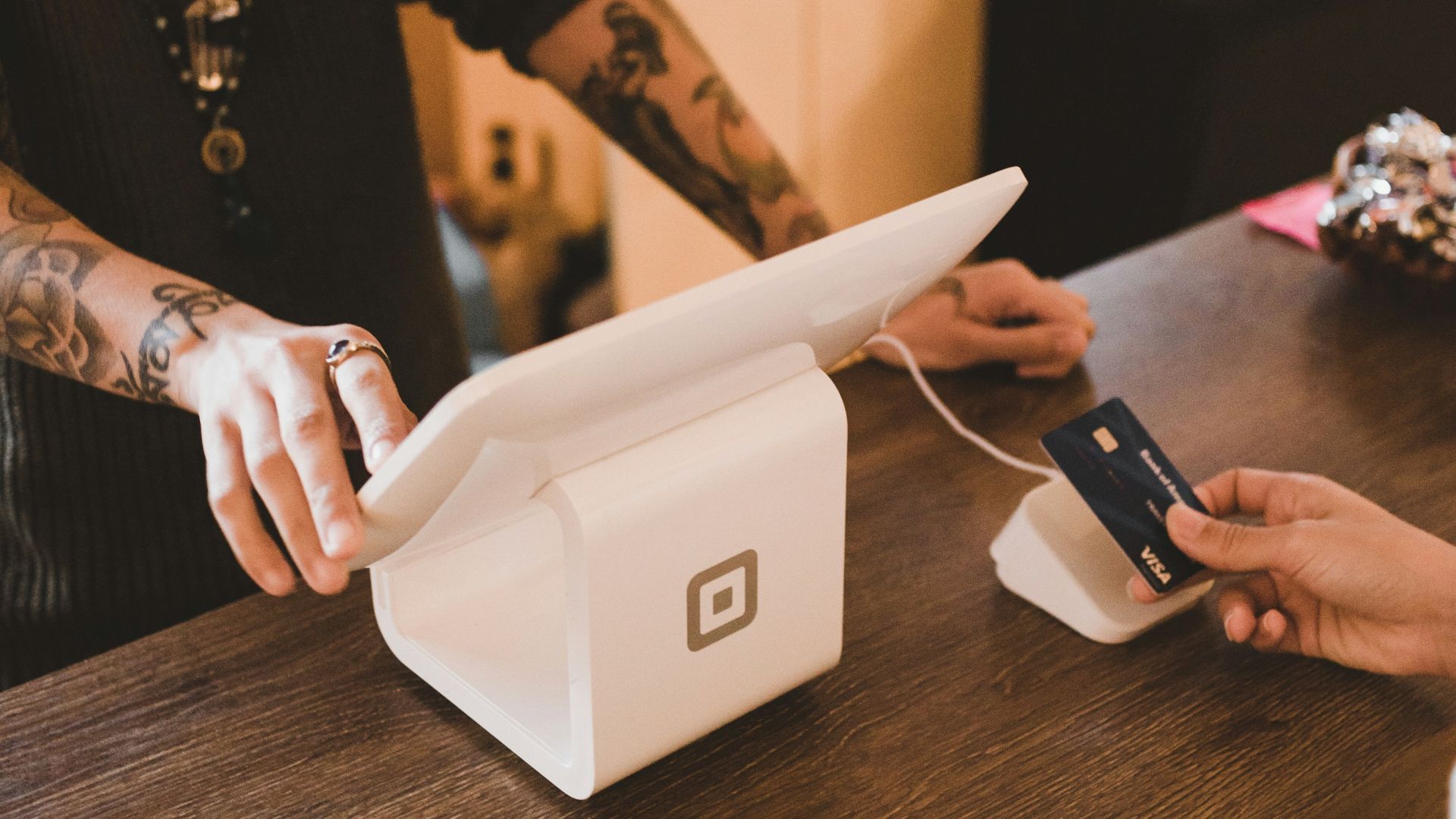
The Debit Card Fear Is Not Totally Wrong
Your friend is pointing to a real risk. When debit card fraud happens, the money can leave your checking account first, which can create an immediate cash crunch while the bank investigates. That does not mean everyone should stop using debit cards, but it does mean the rules matter.

Why This Debate Keeps Coming Up
Credit cards and debit cards work in a lot of the same places, so they can seem basically the same. The big difference shows up after fraud, not before it. With credit, a fake charge usually hits the card issuer's money first. With debit, it can tie up your own bank balance.
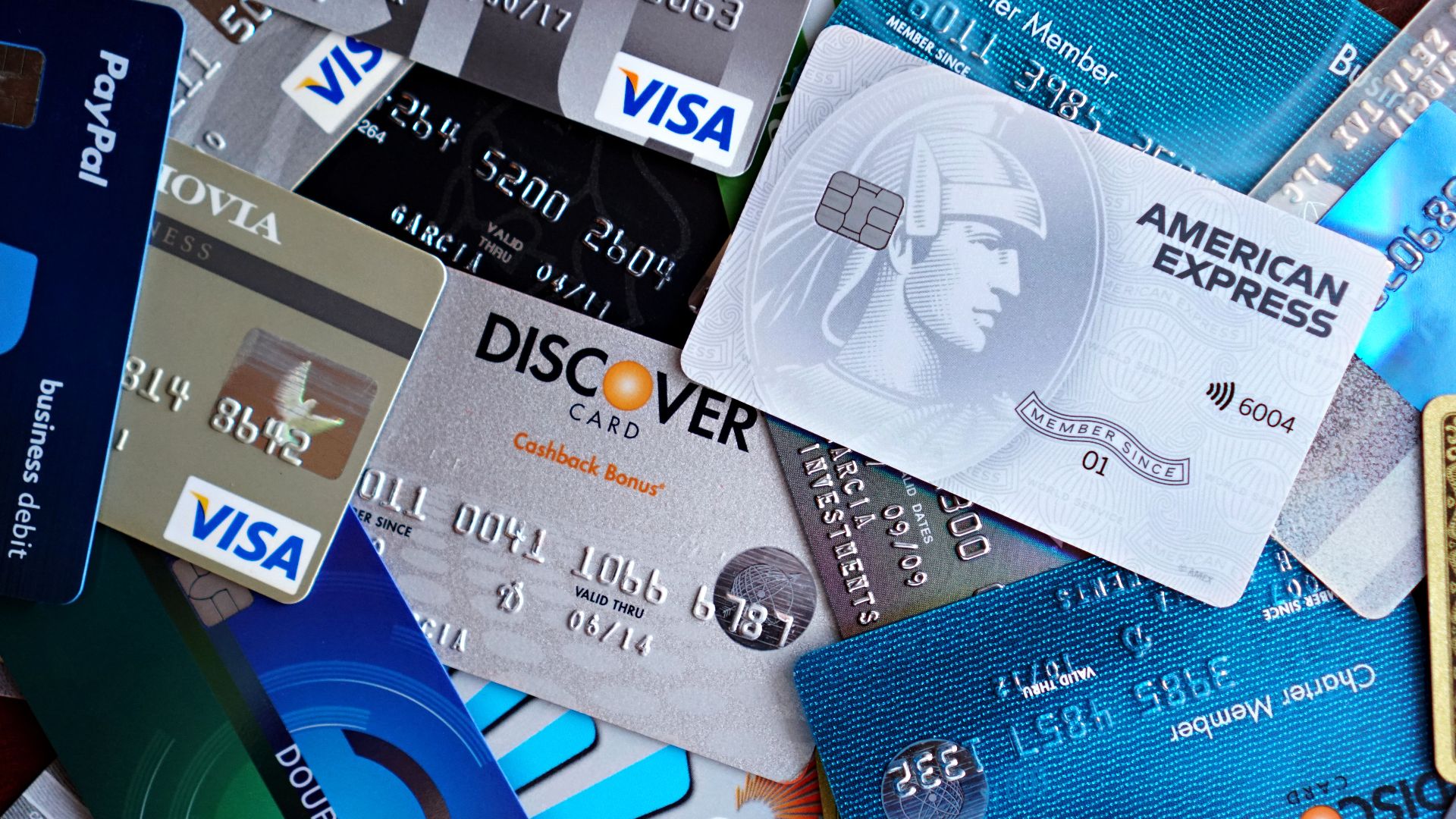
The Key Law Behind Debit Card Fraud
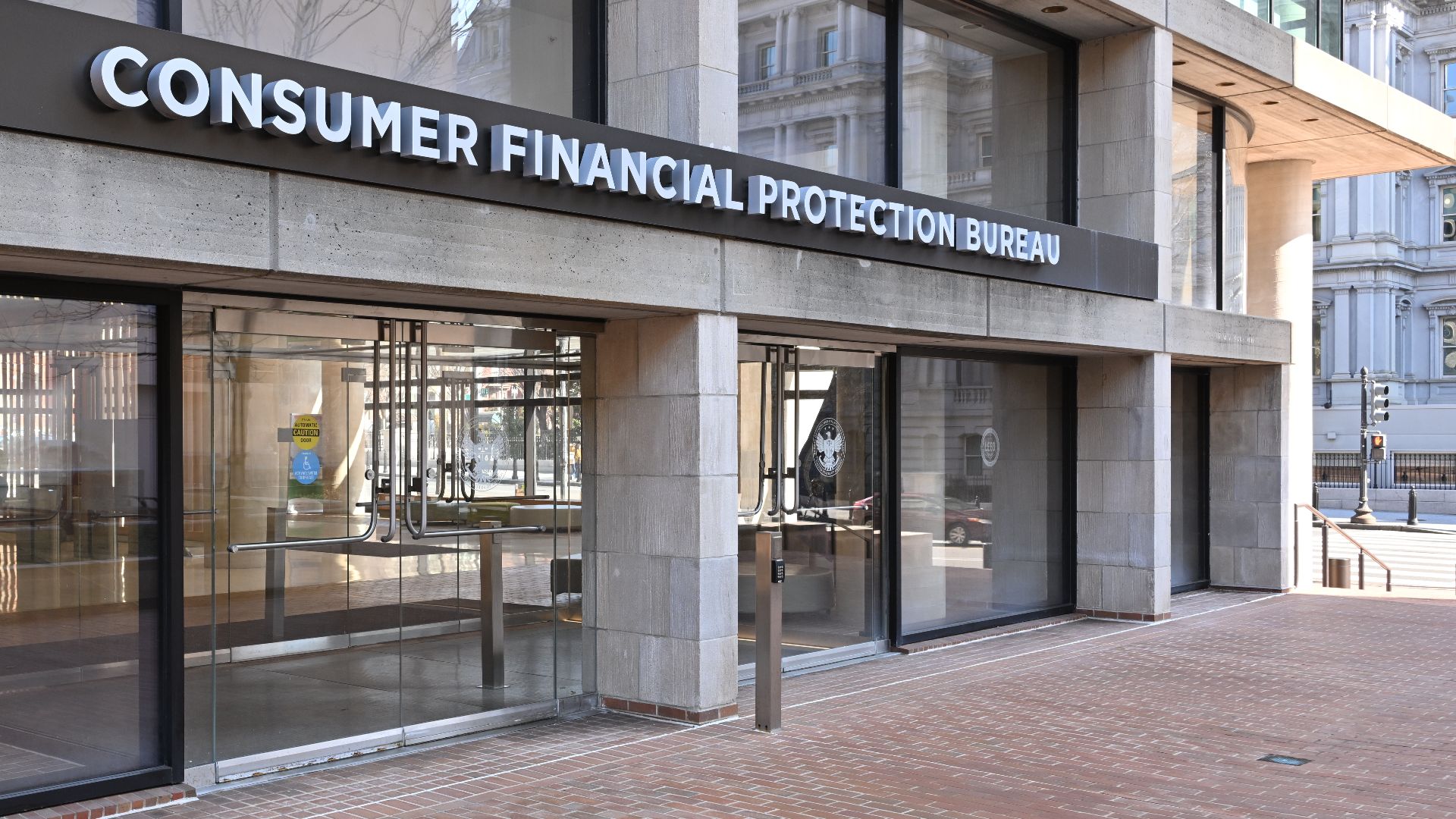
The main federal law for debit card fraud is the Electronic Fund Transfer Act, or EFTA. The Consumer Financial Protection Bureau says your liability depends a lot on how quickly you report a lost card or unauthorized transfer. In other words, speed matters.
 G. Edward Johnson, Wikimedia Commons
The Two-Day Rule Matters A Lot
If you report a lost or stolen debit card within two business days after learning it is missing, your maximum loss is generally $50 under federal rules. Wait longer than two business days, and your possible liability can jump to $500. That is a big reason debit card critics sound so worried.

The Sixty-Day Deadline Is The Real Trap
There is an even bigger problem once your bank sends the statement showing an unauthorized transfer. If you do not report it within 60 days, you could lose all the money taken after that 60-day period if the bank can show those losses would not have happened had you reported sooner. That is the part many people do not learn until it is too late.

Credit Cards Usually Give You More Breathing Room
Credit card protections mainly come from the Fair Credit Billing Act. The Federal Trade Commission says your liability for unauthorized credit card charges is limited to $50, and many card issuers go further with zero-liability policies. Just as important, fake charges usually do not drain your checking account while the dispute gets sorted out.
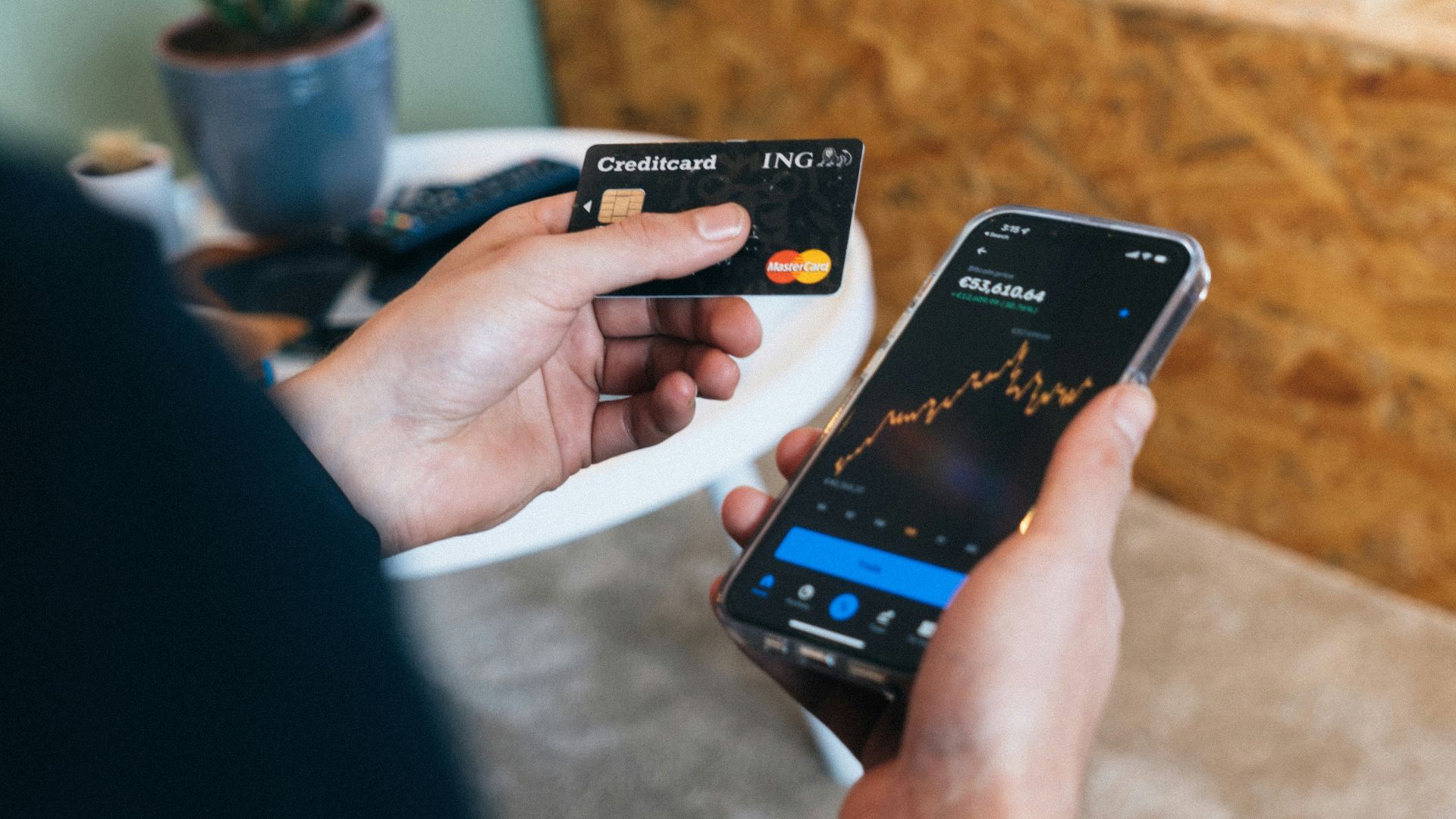
Zero Liability Sounds Great, But Read Closely
Visa and Mastercard both promote zero-liability protection for unauthorized transactions, with some conditions and exceptions. Those network policies can go beyond the federal minimum, but they are still separate from your rights under federal law. It helps to know both the legal baseline and the card network promises.
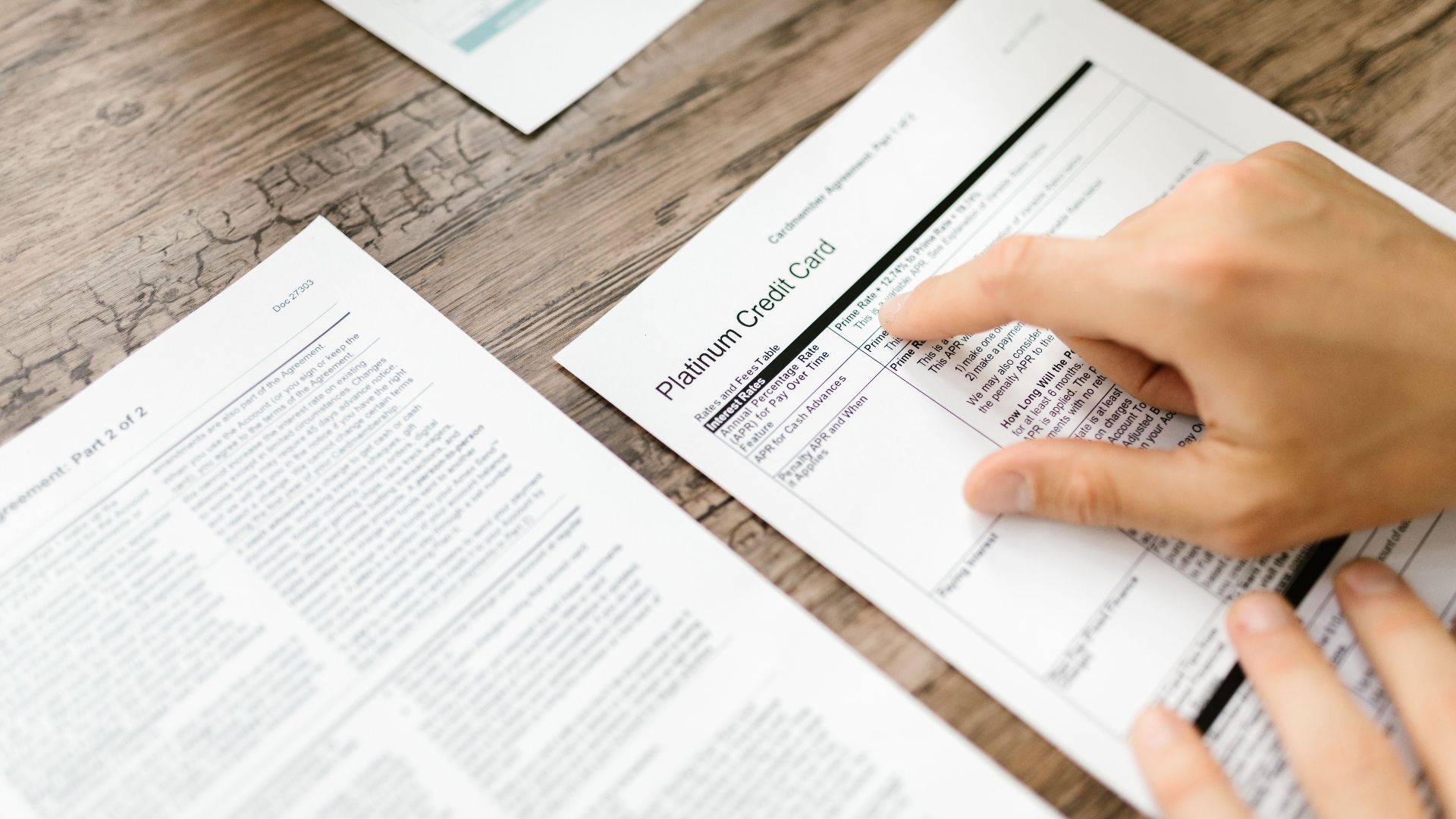
What Banks Must Do When You Report Debit Fraud
The CFPB says banks generally have 10 business days to investigate alleged unauthorized electronic fund transfers. If they need more time, they may take up to 45 days in many cases, but they generally must provisionally credit your account after 10 business days while the investigation continues. That temporary credit can help, but it still may not feel as smooth as a credit card dispute.

Why Timing Feels More Brutal With Debit
Picture rent coming due while a fraudulent debit transaction has tied up hundreds of dollars in your account. Even if the bank eventually fixes it, the short-term hit can lead to overdrafts, bounced payments, or a scramble to cover basics. That practical headache is the strongest case for using credit when you can.

Fraud Is Not A Rare Edge Case
The Federal Trade Commission received 2.6 million fraud reports in 2024, according to its annual data book. Consumers reported losing more than $12.5 billion to fraud that year, up from 2023. Not every case involved cards, but the numbers show this is not some far-off problem.
Card Fraud Complaints Keep Showing Up In The Data
The FTC data book lists credit card fraud as one of the most commonly reported forms of identity theft. Debit card fraud is often grouped into bank fraud and electronic transfer complaints instead of getting its own headline category. Even so, the pattern is clear: payment fraud is still a major consumer problem.

Credit Cards Have Another Consumer Advantage
Credit cards often come with chargeback rights for billing disputes involving goods or services that were not delivered as promised. The FTC notes that the Fair Credit Billing Act provides protections for billing errors and unauthorized charges. That can make credit a stronger tool not just for fraud, but also for bad purchases.

Debit Cards Can Still Be Perfectly Reasonable
Saying debit is reckless goes too far. A lot of people prefer debit because it helps them avoid debt, interest charges, and overspending. If you keep a close eye on your accounts and leave some cushion in checking, debit can still be a practical choice.
The Biggest Risk Is Not The Card Alone
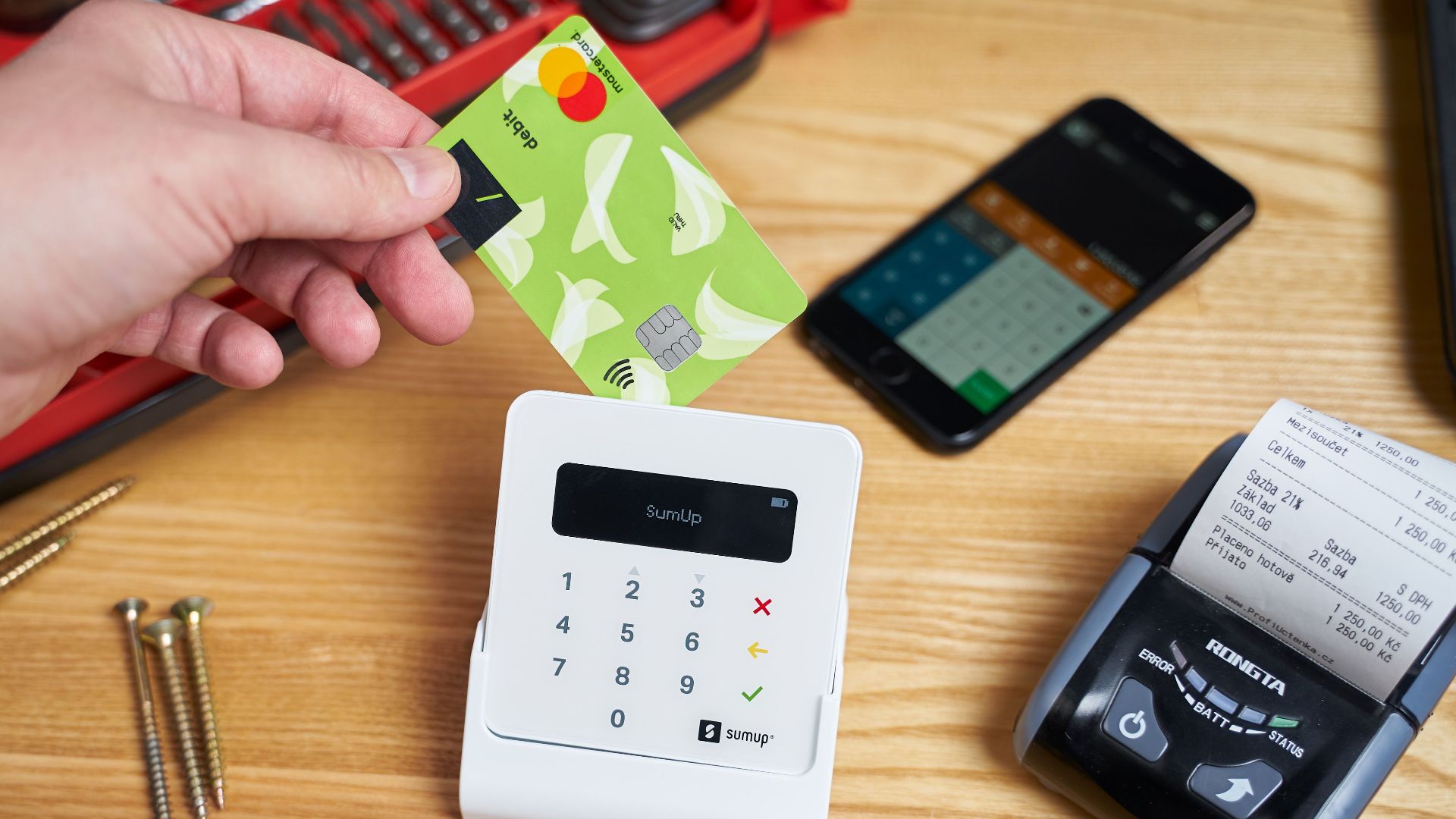
The bigger risk is using debit casually without alerts, account reviews, or a backup plan. A debit card linked to the account where your paycheck lands can create more trouble than one tied to a separate spending account with a limited balance. How you set up your banking matters almost as much as the card itself.
There Is A Smart Middle Ground
Many personal finance experts recommend using a credit card for most purchases and paying it off in full every month. That can reduce the cash-flow pain that comes with fraud while helping you avoid interest. Then you can save debit for ATM withdrawals or places that do not take credit.

But Credit Is Not Automatically Safer For Everyone
If carrying a credit card leads you to overspend or carry a balance, the cost of interest can wipe out the fraud-protection advantage fast. The Consumer Financial Protection Bureau has repeatedly warned about the cost of revolving debt and minimum payments. Financial safety is not just about fraud rules. It is also about behavior.
Interest Can Turn Convenience Into A Money Leak
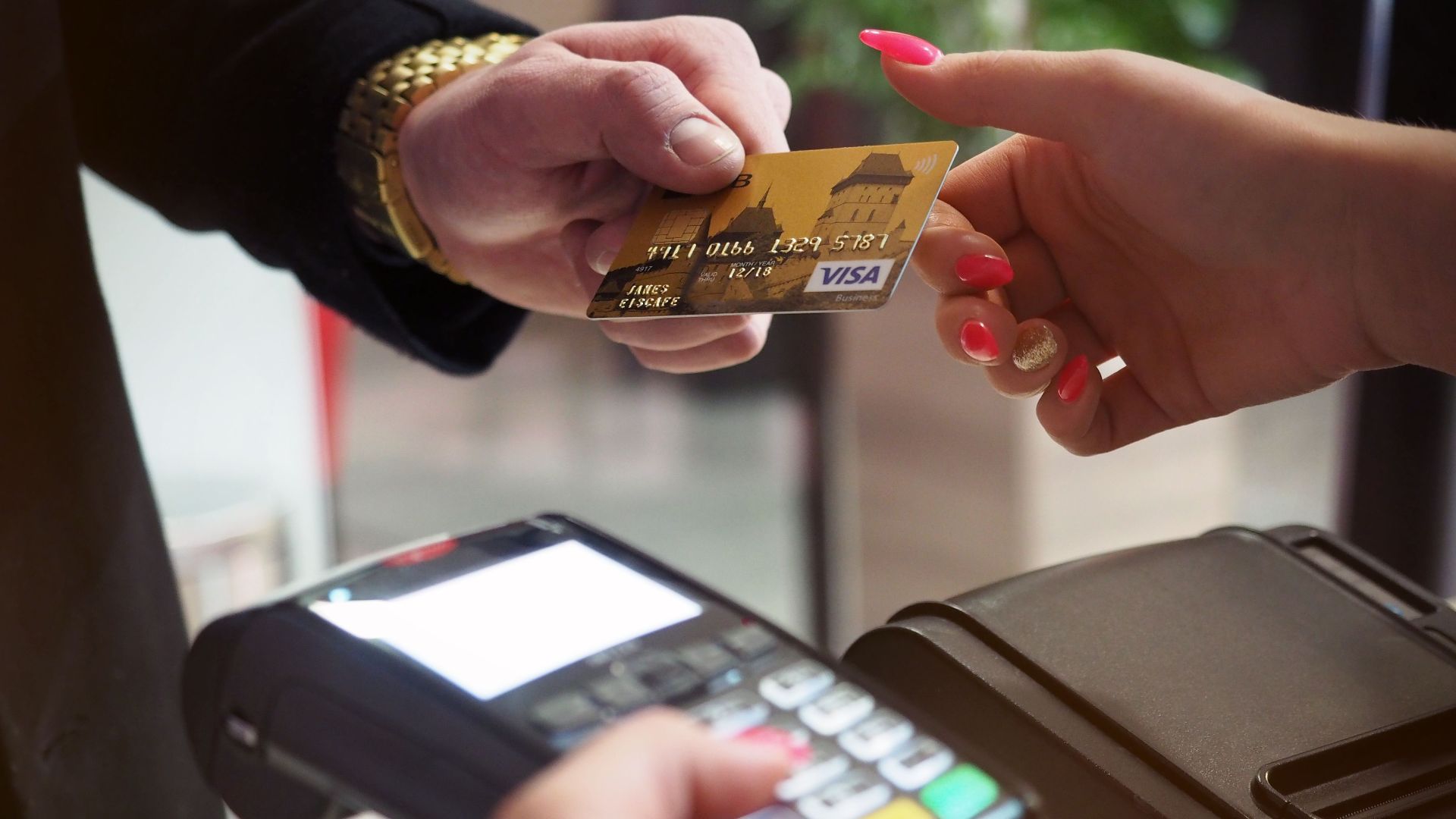
Credit cards are useful, but they are also expensive if balances stick around. The Federal Reserve has shown that credit card interest rates have stayed very high by historical standards in recent years. If using credit means debt you cannot pay off each month, debit may be the cheaper option despite the fraud tradeoff.
Set Alerts Or Pay The Price Later
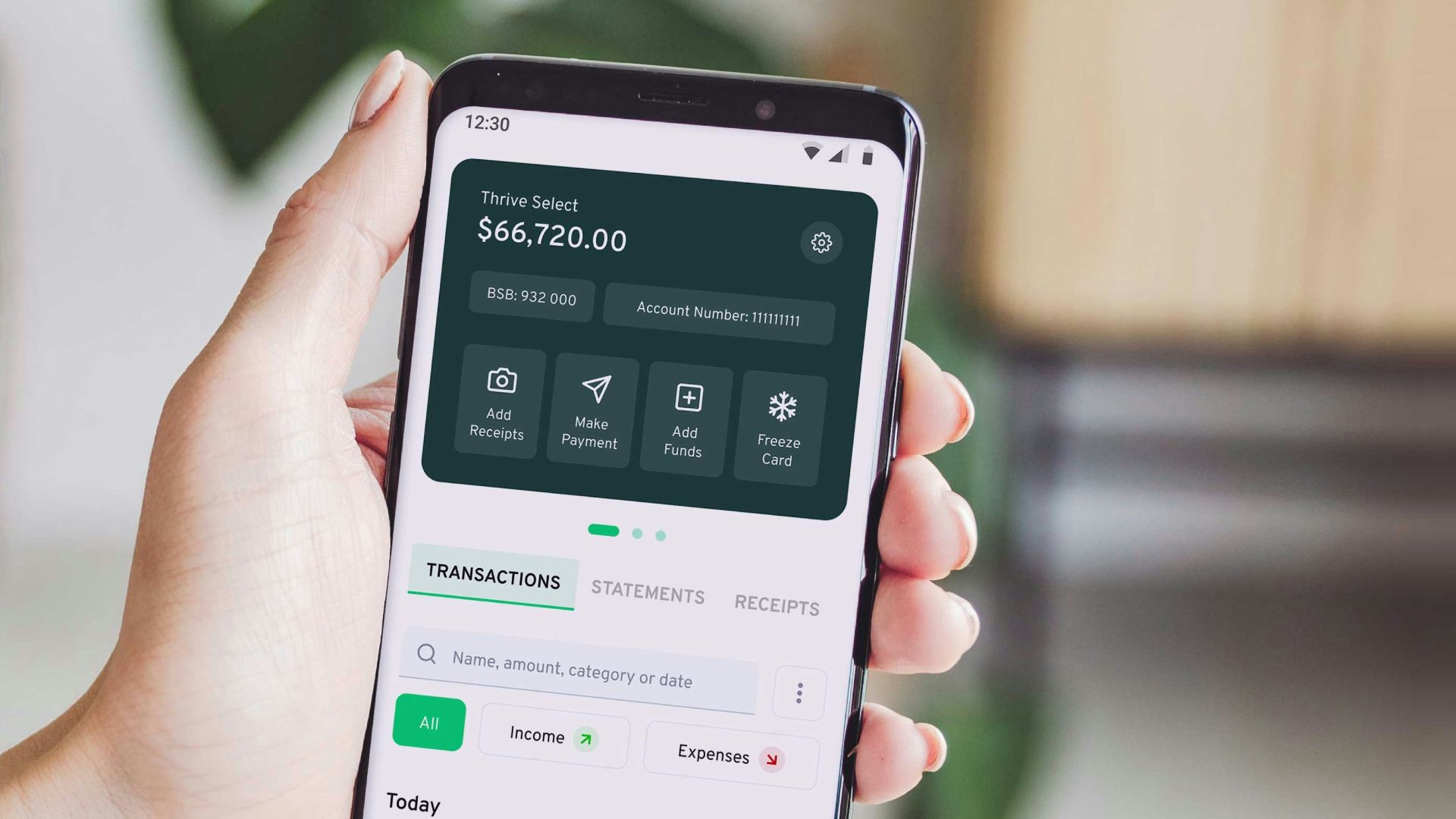
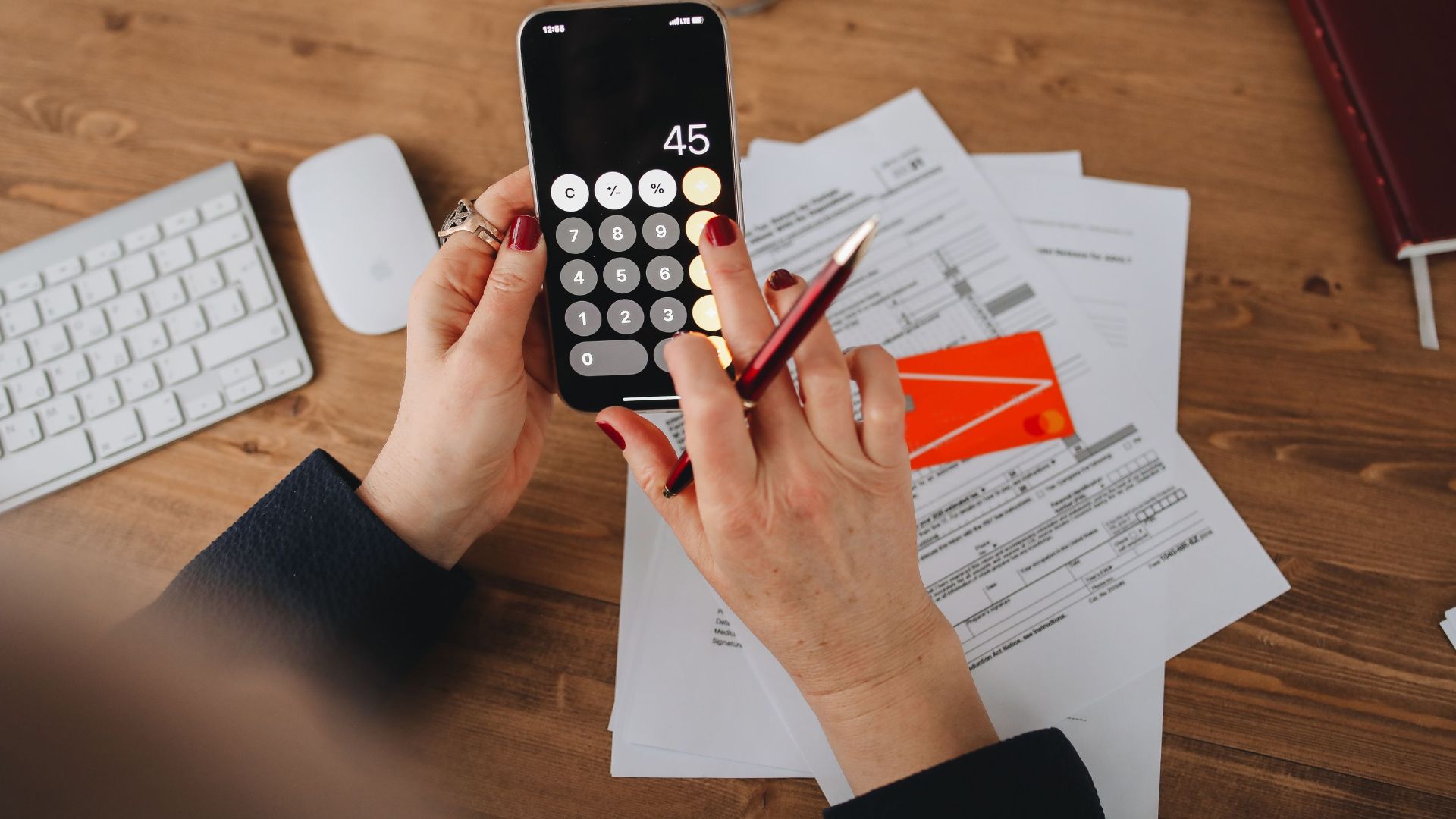
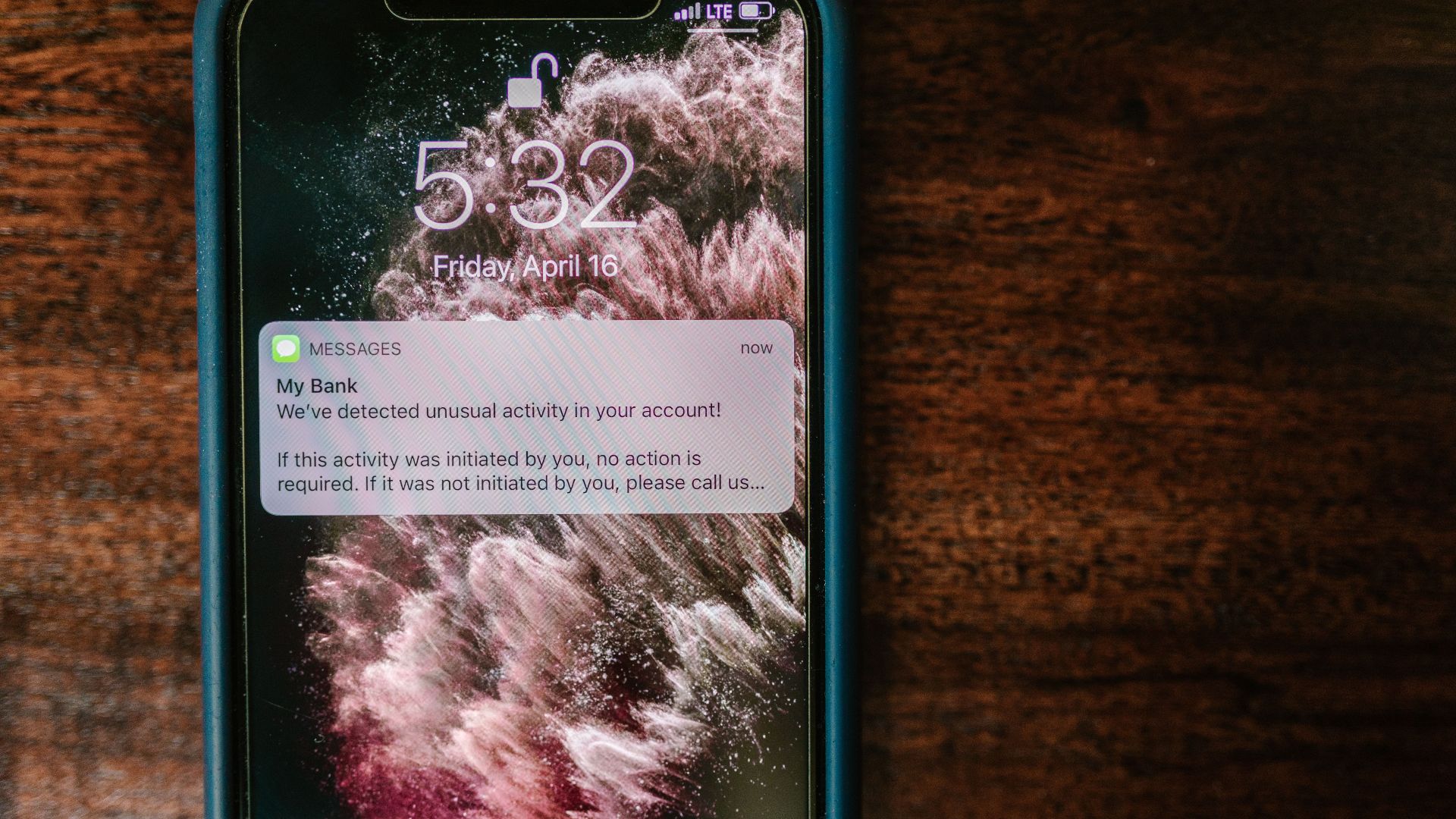
One of the easiest ways to lower debit card risk is to turn on transaction alerts through your bank. Real-time notifications help you catch unauthorized transfers quickly, which matters because EFTA liability rules depend on fast reporting. A five-minute setup can protect a lot more than people think.
Checking Statements Is Not Old-School, It Is Essential
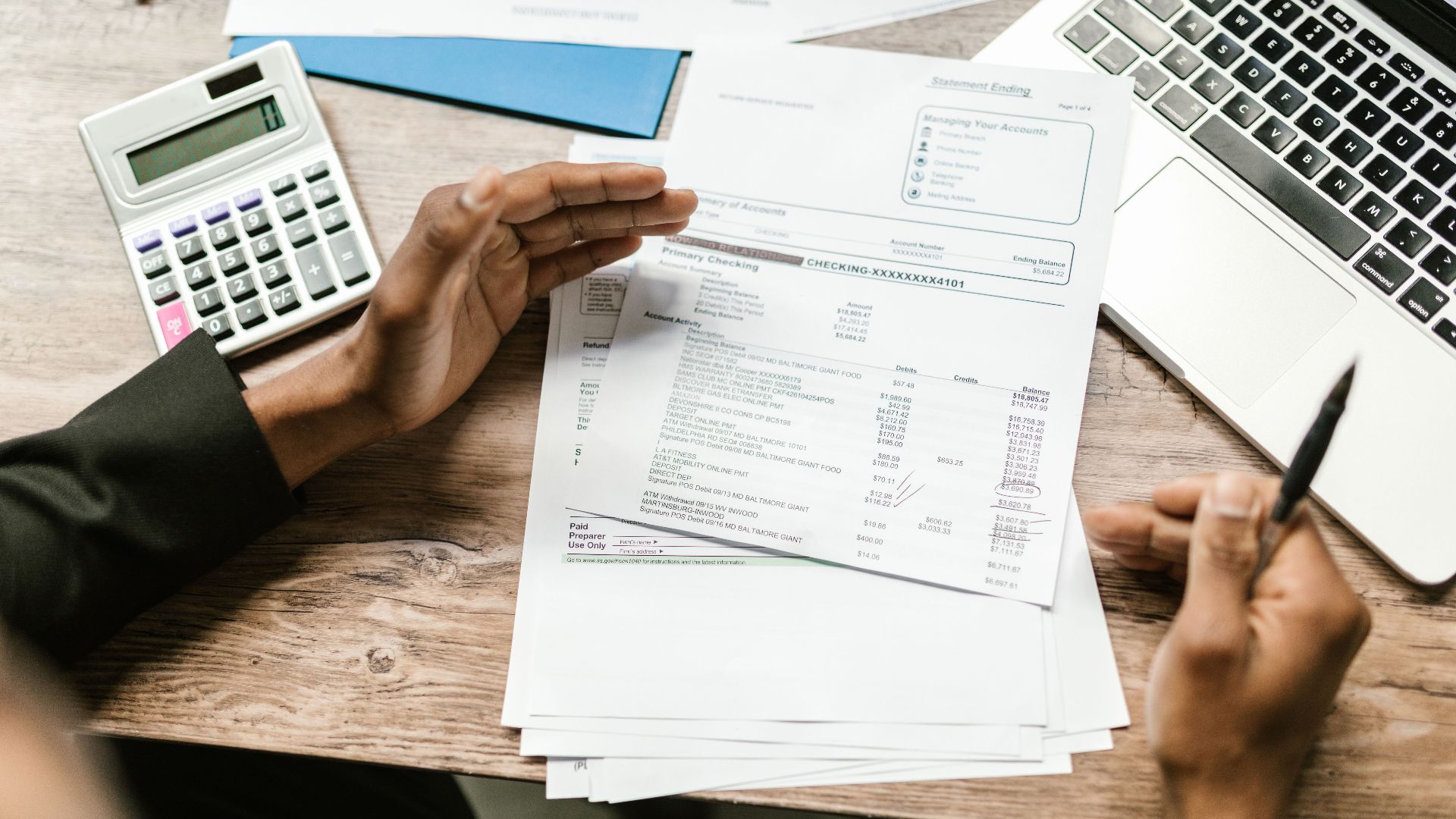
The 60-day clock for reporting unauthorized transfers after a statement is sent is a huge reason to review statements every month. People who rely only on memory or occasional app checks can miss charges that need quick action. A fast review can protect your legal rights.

Use A Buffer If You Rely On Debit
If debit is your main payment method, think about keeping extra cash in checking or linking overdraft protection carefully if your bank offers it on terms you understand. The point is not to accept fraud losses. It is to soften the blow from a temporary freeze or withdrawal while a claim is being handled.
A Separate Spending Account Can Lower The Stakes
Some people use a checking account just for everyday card spending and keep most of their savings somewhere else. If fraud hits, the thief does not get access to the account holding most of the household's cash. This setup does not replace legal protections, but it can limit the damage.
Digital Wallets Add Another Layer
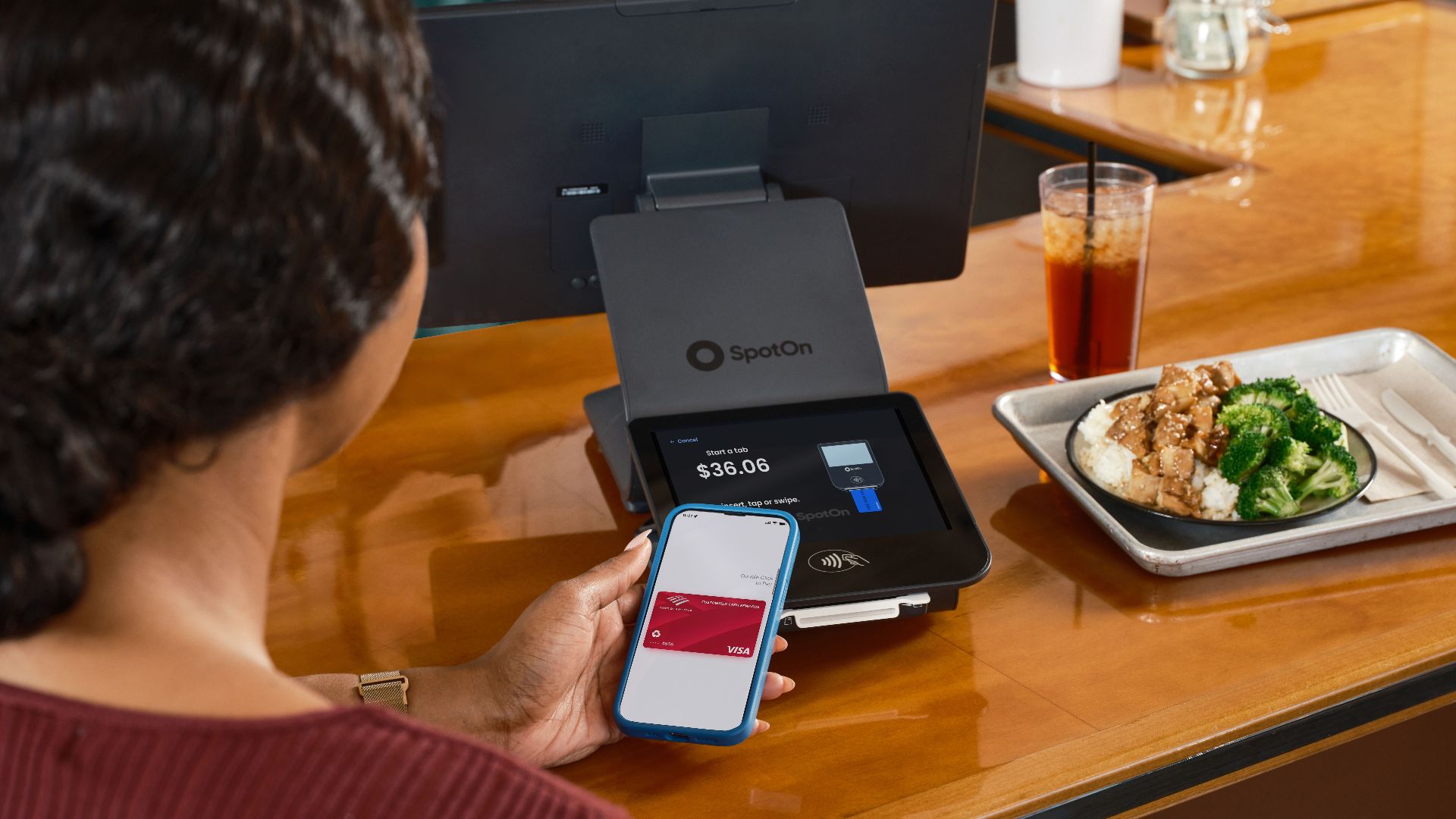
Using Apple Pay, Google Pay, or other tokenized digital wallets can reduce exposure of your actual card number during in-person purchases. The payment token is different from your card number, which can make stolen card data less useful. It does not remove fraud risk, but it can shut down one common path.
Public Wi-Fi And Sketchy Sites Still Deserve Suspicion
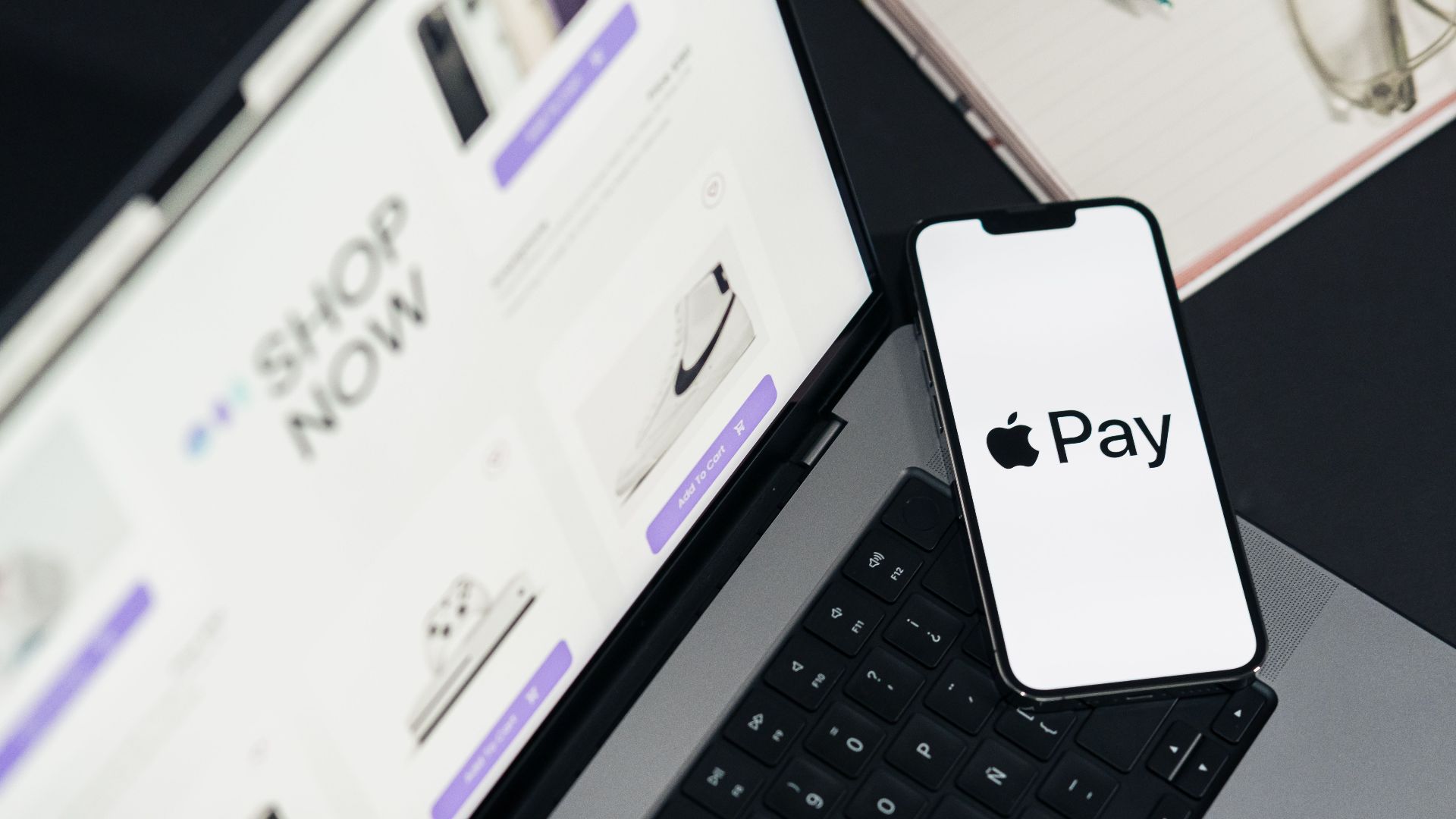
No matter which card you use, avoid entering payment details on unsecured or suspicious websites. The FTC regularly warns consumers about phishing, fake invoices, and impersonation scams that can lead to unauthorized transactions. Good payment habits matter just as much as card choice.

ATM Use Requires Extra Care
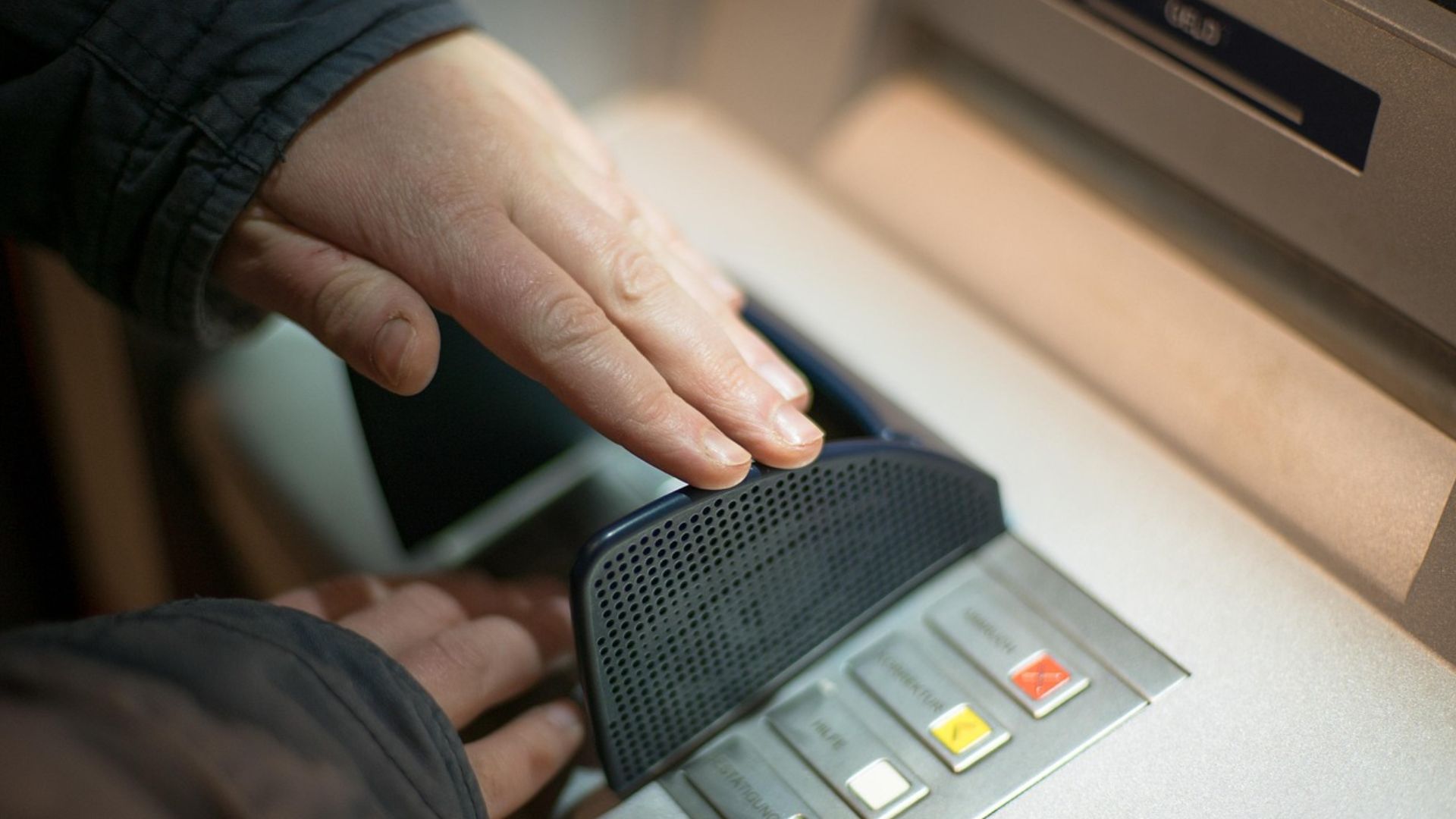
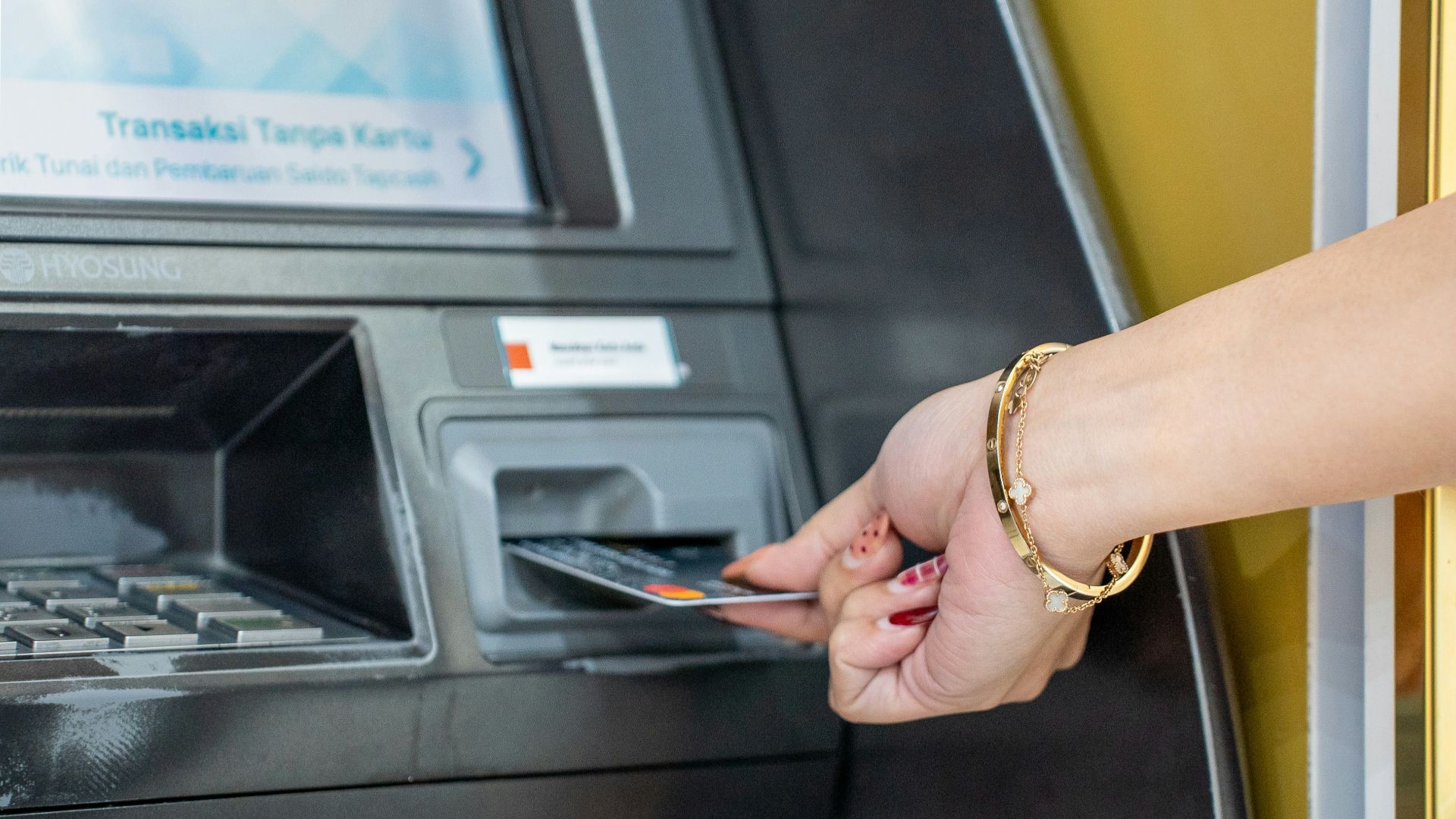
Debit cards are still often necessary for ATM access, but skimming is a real threat. The FBI has warned consumers to inspect card readers, shield PIN entry, and use well-lit bank-operated ATMs when possible. This is one place where debit users need to stay especially sharp.
What To Do The Moment Fraud Appears
Contact your bank or card issuer right away, freeze or lock the card if that feature is available, and note the date and time of your report. Then review recent transactions and change any related passwords or PINs. With debit cards especially, moving fast can directly affect your liability.

So Should Everyone Switch To Credit
Not necessarily. For many adults who pay their balances in full, credit is the better everyday tool because it usually causes less cash-flow disruption after fraud. But for people who tend to carry balances, a debit-first approach with strong account monitoring may still be the healthier financial move.
The Best Answer Is More Nuanced Than Your Friend Thinks
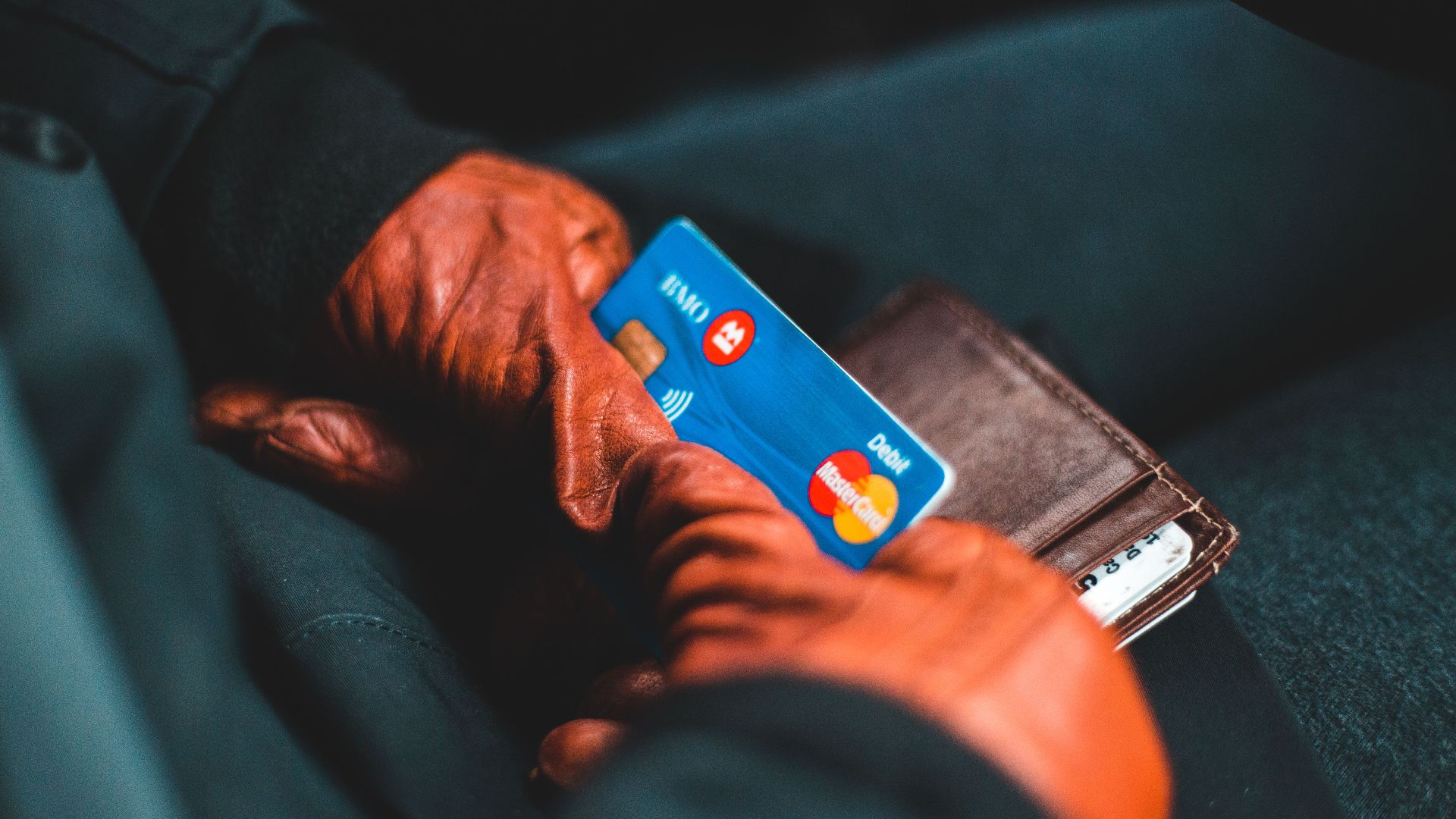
Using a debit card is not reckless by default, but it does come with tighter deadlines and more short-term pain when fraud happens. Credit cards usually offer stronger practical protection because your bank account is not hit first. For most people, the smartest move is to use credit carefully, pay it in full, and treat debit like a tool that needs extra attention.