Hidden Treasure In The Floorboards
When families clean out an old house, they usually expect dust, photo albums, and maybe a few mystery keys. They do not expect a jackpot in singles. But that is exactly the kind of surprise that can leave you staring at a battered box under a floorboard and wondering whether Grandma’s lifetime stash is still good money. The happy news is that in most cases, yes, those $1 bills can still be deposited.
Why This Discovery Feels So Wild
There is something wonderfully dramatic about finding more than $5,000 in cash tucked away in a secret spot. It sounds like the opening scene of a movie, except this one comes with real-life banking questions. Old cash discoveries feel exciting, but they also trigger instant worry: Is it too old, too damaged, or too strange-looking for a bank to accept?

The Short Answer Is Usually Yes
If the bills are genuine U.S. currency, they generally do not expire just because they are old. A dollar bill from decades ago is still worth one dollar today. Banks can usually accept older notes for deposit, especially if they are recognizable and in decent shape, so Grandma’s floorboard savings are probably not just a sentimental find but a perfectly usable one too.
U.S. Paper Money Does Not Simply Time Out
A lot of people assume cash works like coupons or gift cards and can somehow become outdated. It does not work that way. U.S. currency remains legal tender regardless of when it was printed, which means a pile of old $1 bills does not lose value just because it sat hidden for years in a wooden box under the floor.
Age Is Not The Problem
The age of the bills is usually the least important detail. Banks see older notes more often than people think, especially from inherited estates, safe deposit boxes, and home stashes. A note from the 1960s, 1970s, or earlier may look unusual compared with newer bills, but that alone is not a reason for rejection.

Condition Matters More Than Birthday
What really matters is condition. If the bills are intact, readable, and still clearly identifiable as genuine currency, they are often deposit-ready. Wrinkles, fading, and that unmistakable old-paper smell are not major issues. Trouble starts only when notes are badly torn, moldy, stuck together, or missing major pieces.

Banks May Still Take Worn Bills
Even if the bills look rough, do not panic. Banks routinely handle worn or old notes and send them through the normal system, where unfit currency gets removed from circulation. That means your local branch may accept bills that look ugly but are still whole enough to count and verify, saving you a lot of stress.
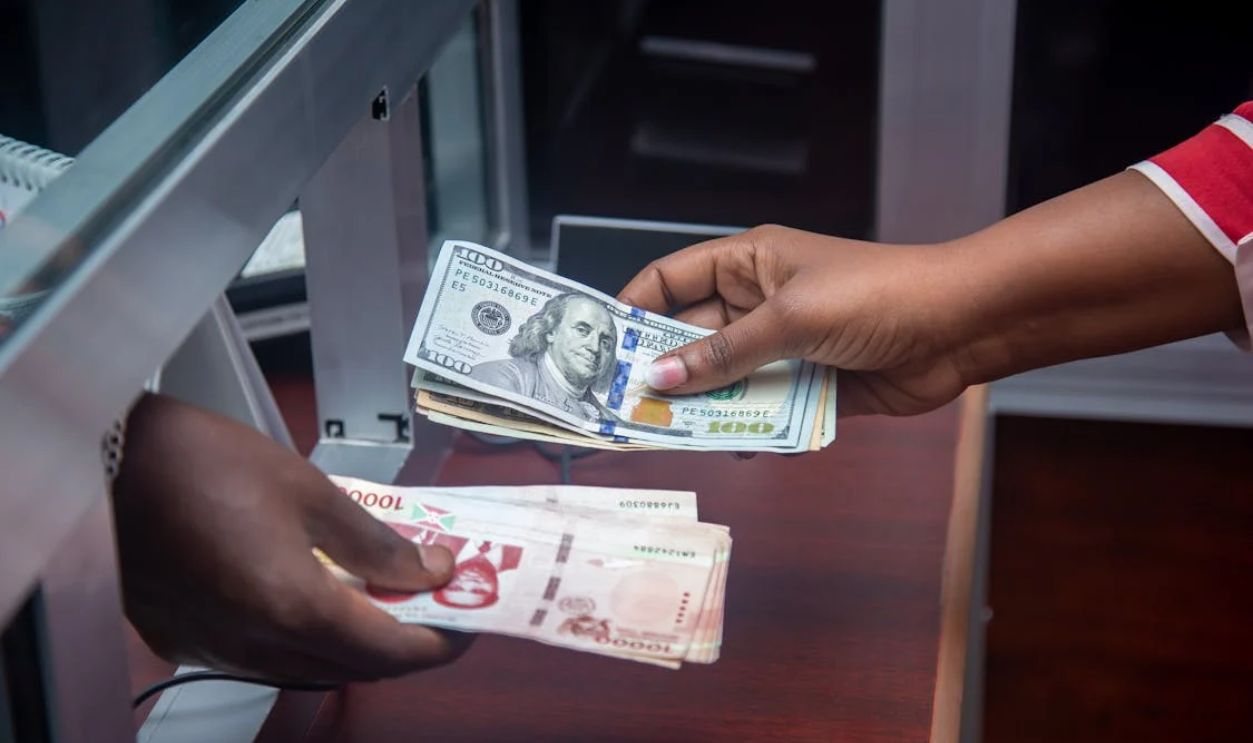
Damaged Bills Need A Closer Look
If some of the notes were exposed to moisture, insects, mildew, or rot under the floorboards, you may need to be more careful. Bills that crumble when touched or have portions missing can be harder to deposit at a regular teller window. At that point, the issue is not whether the money is old, but whether enough of each note remains.

What Counts As Mutilated Currency
There is a big difference between worn currency and mutilated currency. Worn notes are ugly but usable. Mutilated notes are badly damaged, perhaps burned, buried, shredded, or stuck together in a way that makes them hard to identify. If Grandma’s box was damp or dirty, some bills might fall into that second category and need special handling.
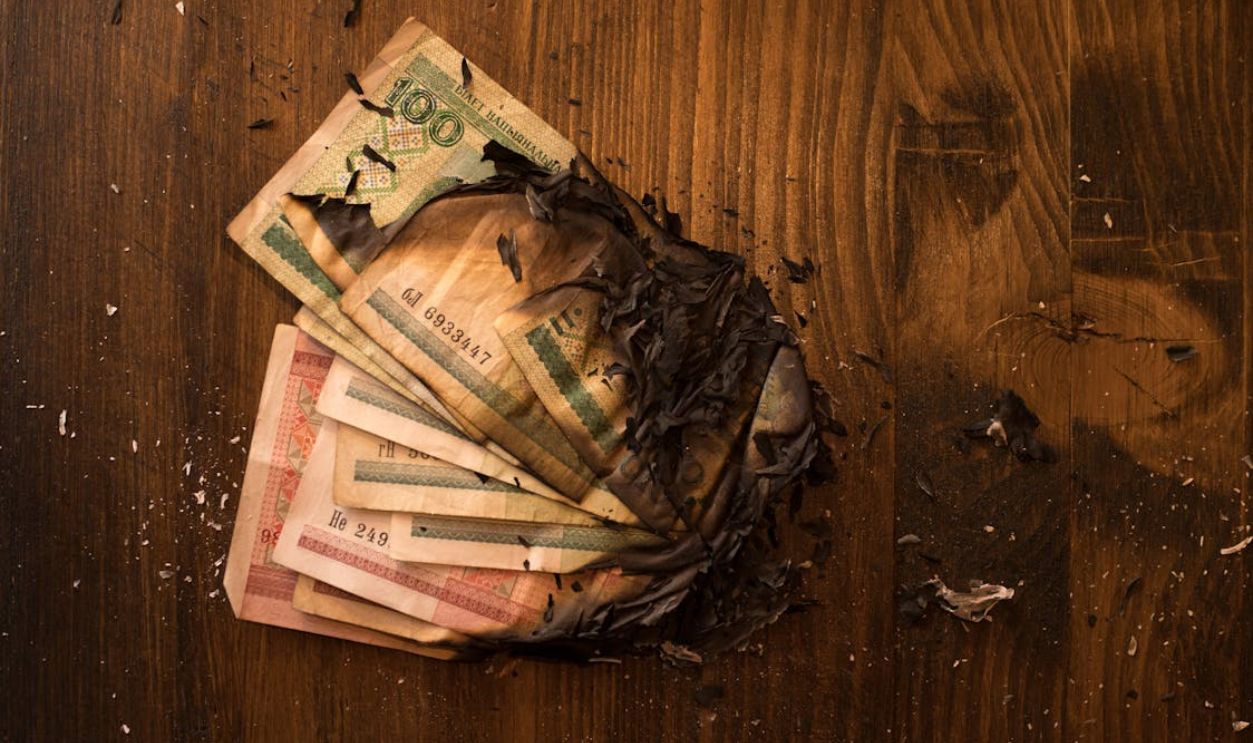
Do Not Clean Them Like Antique Furniture
This is one of those moments when good intentions can backfire. Do not wash, iron, scrub, tape, laminate, or blow-dry the bills in an attempt to make them “bank ready.” That can damage them further and make them harder to evaluate. Old currency is not a DIY restoration project, no matter how tempting it is to tidy it up.

Handle The Cash Gently
If the bills are fragile, treat them like old documents, not pocket change. Use clean, dry hands and separate the notes slowly. Keep them flat if possible, and avoid folding them again. The less you fuss with damaged cash, the better chance it has of being accepted either by your bank or through a formal currency review process.

Start By Sorting The Bills
Before marching into a bank, take inventory. Separate bills that are clearly usable from any that are badly damaged. Count the total, make a rough list, and note whether any notes are stuck together or partly destroyed. This step keeps the deposit process smoother and helps you explain the situation calmly instead of dumping a mystery box on the counter.

A Quick Photo Session Is Smart
Take clear photos before you do anything else. Photograph the box, the condition of the bills, and the total piles after sorting. That is helpful for family records, estate tracking, and plain old peace of mind. If anything goes missing or gets disputed later, you will be glad you documented the find before the money left your hands.
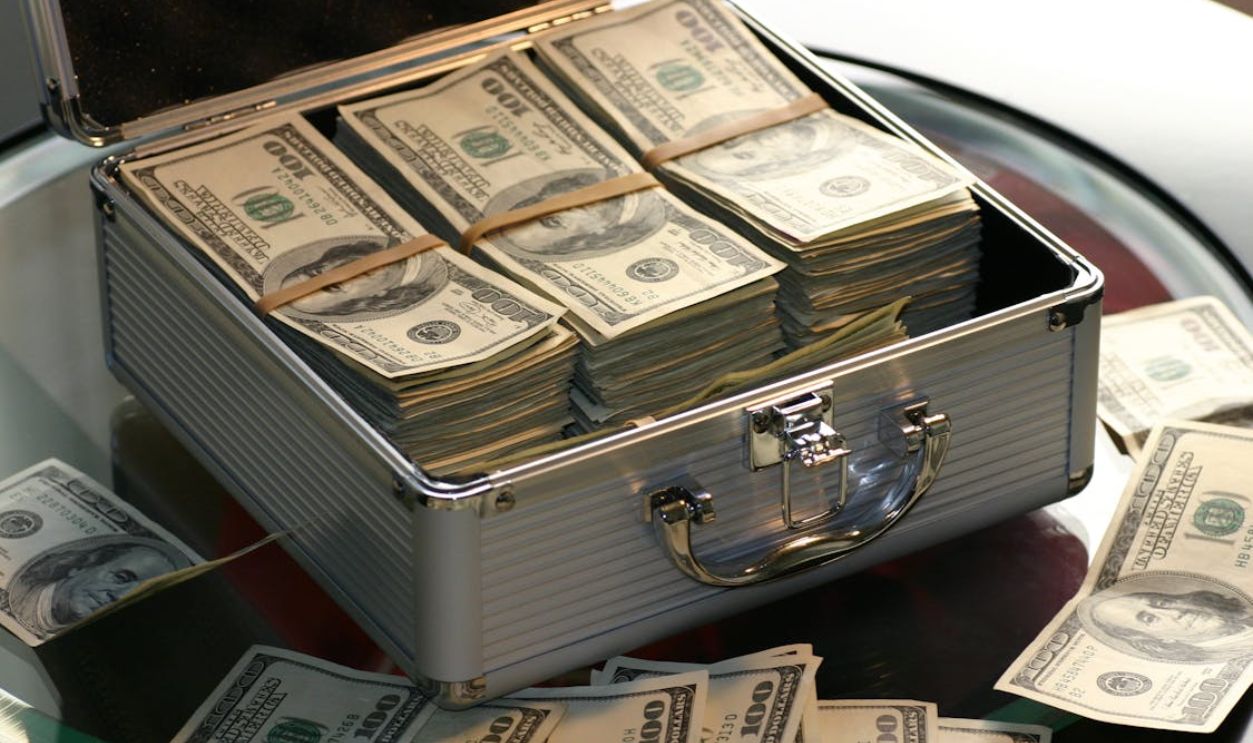
Expect Questions At The Bank
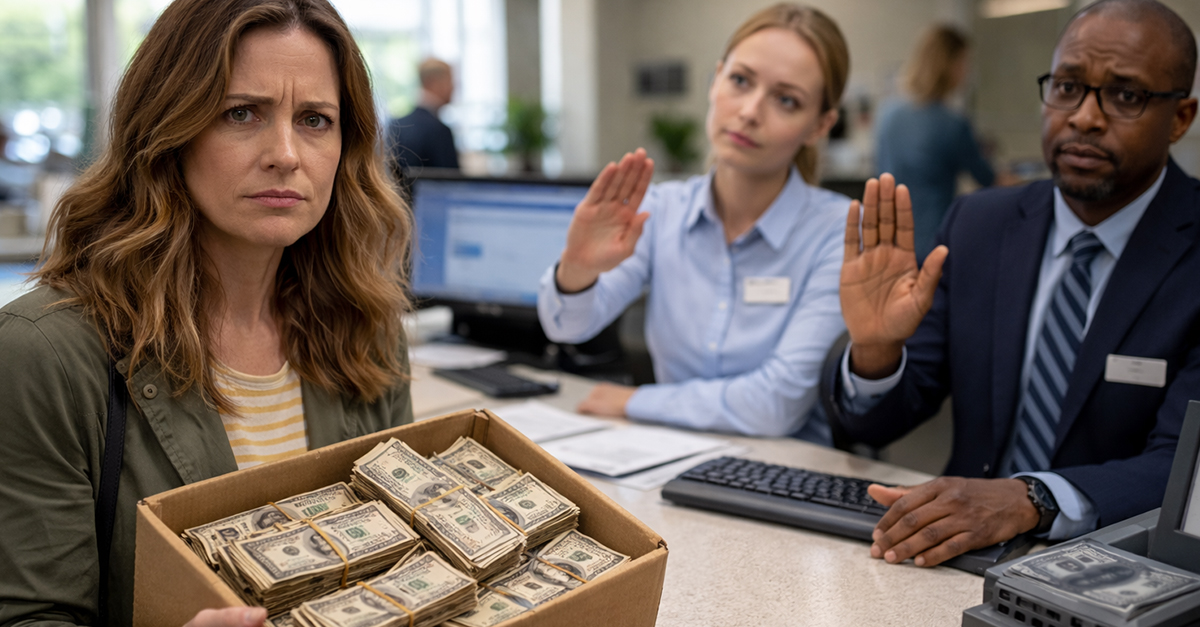
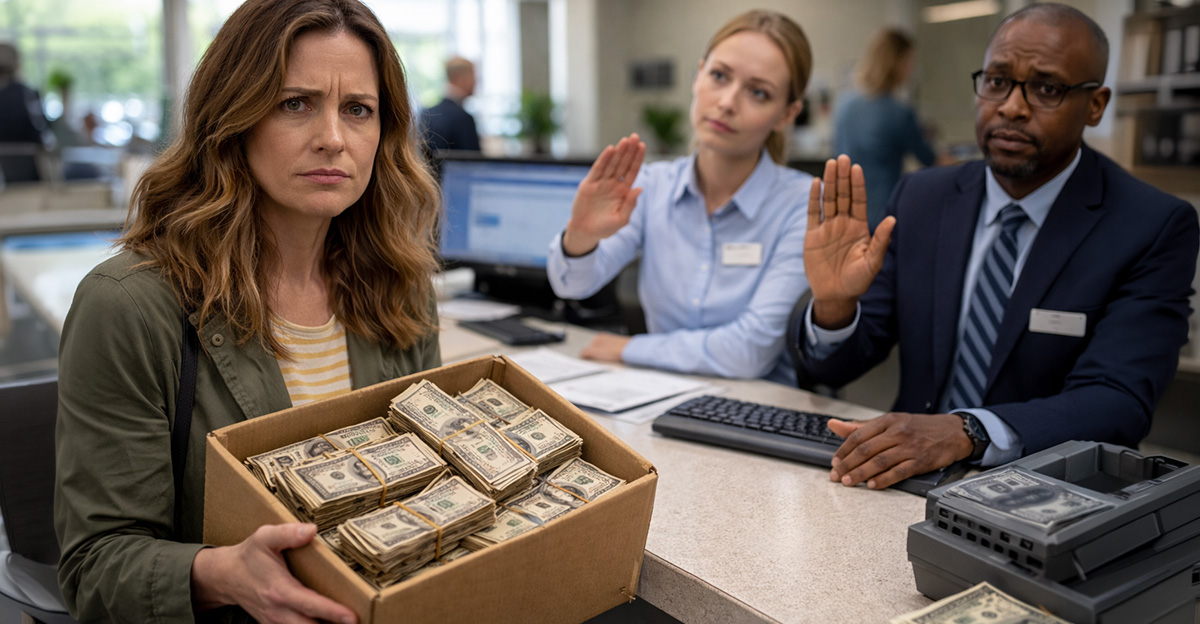
Walking into a branch with thousands of old $1 bills is unusual, so a teller may ask where the cash came from. That is normal. “We found this in our late grandmother’s house during cleanout” is a perfectly ordinary explanation. Odd discoveries happen more often than people think, and banks are used to asking questions when cash deposits are out of the ordinary.

Depositing It All At Once Is Usually Fine
A lot of people get nervous about making one large cash deposit, but a legitimate inheritance-style discovery is not automatically suspicious. If the money is real and the story is straightforward, depositing it all at once is usually easier than dragging the process out. The key is being honest, organized, and prepared to answer simple questions.

The Bills Might Need To Be Counted Manually
Because these are $1 bills and possibly older ones at that, do not expect a machine to zip through the stack without complaint. The bank may count them by hand or recheck them if they are worn. That can make the visit slower than a normal deposit, so bring patience and maybe avoid showing up five minutes before closing time.

Some Banks May Be Better Than Others
Not every branch handles unusual cash deposits with the same level of comfort. A larger branch or the bank where you already have an account may be more helpful than a tiny office with one teller and a long lunch line. If the first branch seems unsure, that does not mean the money is no good; it may just mean you need a more experienced location.
You May Want To Call Ahead
A quick phone call can save a lot of awkward standing around. Tell the bank you found several thousand dollars in older $1 bills in an estate cleanout and ask whether they can handle the deposit at your branch. That gives them a heads-up and lets you know whether they recommend bringing the cash in person or speaking with a manager first.

If Bills Are Too Damaged, There Is Still Hope
Even badly damaged U.S. currency is not necessarily lost. There is a process for evaluating mutilated notes and determining whether they still have value. If enough of each bill remains, it may still be redeemable. In other words, a stained, crusty, half-stuck stack is annoying, but it is not automatically worthless just because it looks like it survived a basement disaster.
This Is Where The Treasury Steps In
When regular bank deposit becomes difficult, damaged currency can be submitted for official examination. Specialists can review notes that are burned, decayed, or otherwise mutilated and decide how much value can be recovered. That process is slower than walking into a bank, but it exists for exactly the kind of strange cash story families uncover after someone passes away.
Watch Out For Rare Bills
Before you deposit every last note, take a moment to see whether any bills look unusual. Some older notes, interesting serial numbers, star notes, or collectible print varieties can be worth more than face value. Most found cash is just cash, but it never hurts to pause before depositing everything blindly, especially when the stash has clearly been sitting untouched for decades.

Sentimental Value Counts Too
Not every decision here has to be purely financial. A stash of carefully saved $1 bills says something about your grandmother’s habits, caution, and maybe even her private little rituals. Keeping one bill, the box, or a photo of the hiding spot can be a nice way to honor that story, even if the rest of the cash goes straight into the bank.

Estate Issues Can Matter
If this money was found after a death, the cash may technically be part of the estate. That does not usually prevent deposit, but it can affect whose account it should go into and how it gets reported among family members. When in doubt, the smartest move is to make sure whoever is handling the estate is part of the decision before the money is spent.

Do Not Try To Get Clever With The Deposit
This is not the moment for secrecy, weird splitting strategies, or making a dozen tiny trips to avoid attention. That just creates confusion where none is needed. You found cash, you have a simple explanation, and the money is legitimate. Being straightforward is easier, cleaner, and far less stressful than acting like you are starring in a low-budget crime drama.
The Best First Move
The simplest first move is this: sort the bills, photograph them, set aside any badly damaged notes, and contact your bank. For most families, that solves the question quickly. The bank can tell you what it will accept immediately and what may need special review, turning a floorboard surprise into an ordinary deposit with a very unusual backstory.

So, Can You Still Deposit Them?
Yes, in most cases you can. Old $1 bills do not lose value just because they are old, and banks can usually accept them as long as they are genuine and not too damaged. The only real complication is condition, not age. So unless Grandma’s secret savings were reduced to mush, that hidden box is probably still very much worth $5,000.

A Final Word On Grandma’s Secret Savings
This kind of discovery is equal parts family legend and financial errand, which is a pretty great combination. The practical answer is reassuring: old bills are usually still depositable, damaged ones may still be recoverable, and the smartest next step is simply to handle them carefully and talk to your bank. Grandma may have hidden the cash for safekeeping, but she did not hide it from the future forever.

You May Also Like: