
The Short Answer: Usually, Yes
If you allowed substitutions, major grocery-delivery services generally say your final bill can reflect the actual price of the replacement you receive. A higher-priced substitute can therefore raise the total, provided the substitution followed the service’s rules and your selected preferences.

Your Checkout Total May Be Only An Estimate
Online grocery totals can change after checkout. Instacart says replacements, added items and weighted goods can alter the final amount, while Kroger describes the checkout total as an estimate that may change because of substitutions, coupons, taxes and price updates.

Permission To Substitute Matters
The key question is whether you allowed substitutions, selected a specific replacement, chose a “best match” option, or asked for a refund. Those settings determine how much freedom the shopper has when your first choice is unavailable.

Instacart Charges The Price Difference
Instacart says that when a replacement costs a different amount, it will either refund or charge the difference. Customers can choose a specific replacement, let the shopper select a best match, or request a refund.
 Paul Sableman, Wikimedia Commons
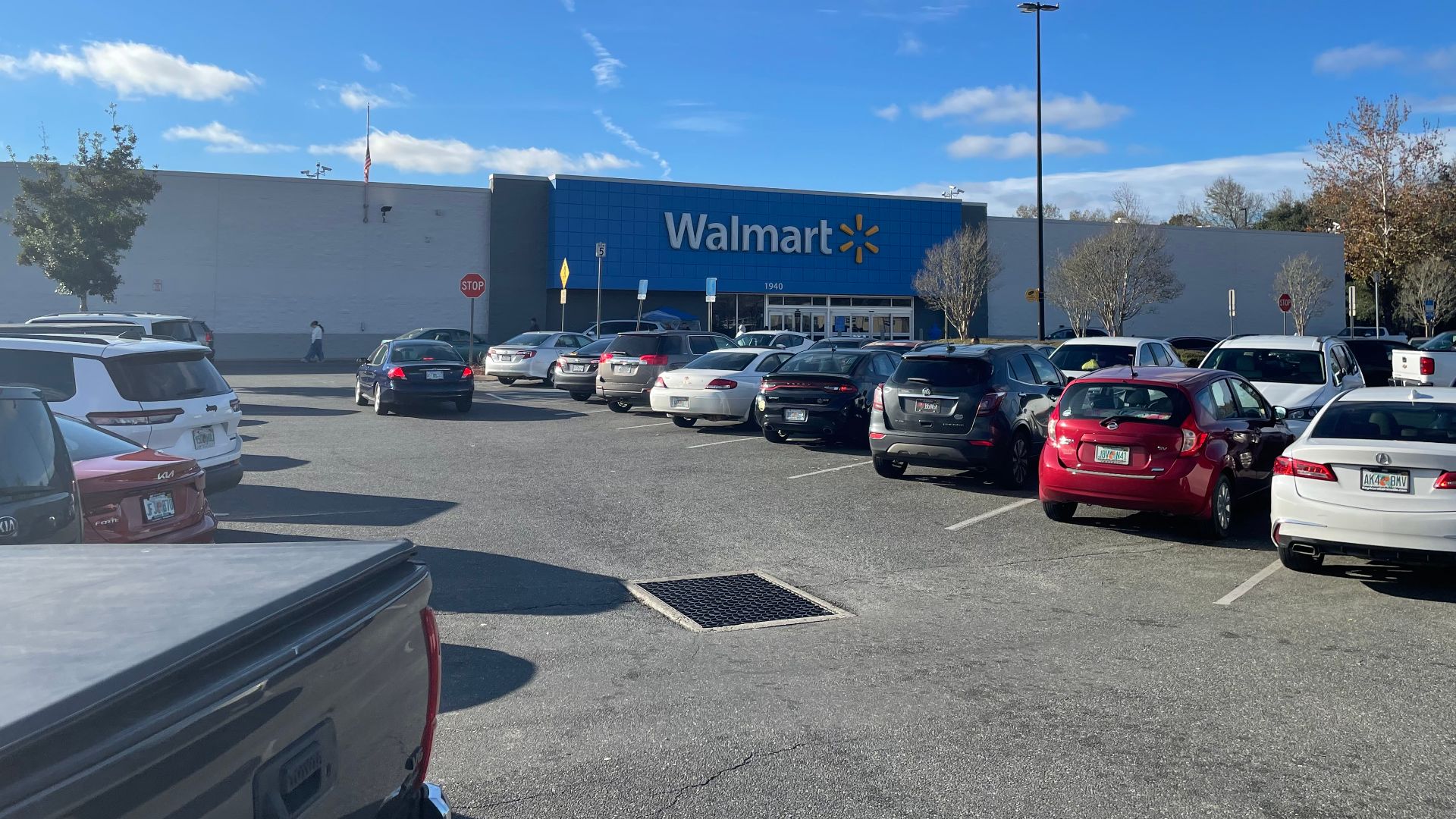
Walmart Can Charge More, Too
Walmart says customers are charged the price of substituted items they receive. It lets customers accept or decline proposed substitutions and mark items as “do not substitute.” If no response is made in time, Walmart says it may still make the replacement.
Shipt Uses The Final Basket Price
Shipt says the final charge reflects the cost of the items actually received. If an out-of-stock product is replaced, the customer is charged the substitute’s price. Shipt may also authorize a little extra initially to cover substitutions or special requests.

Target Follows A Similar Rule
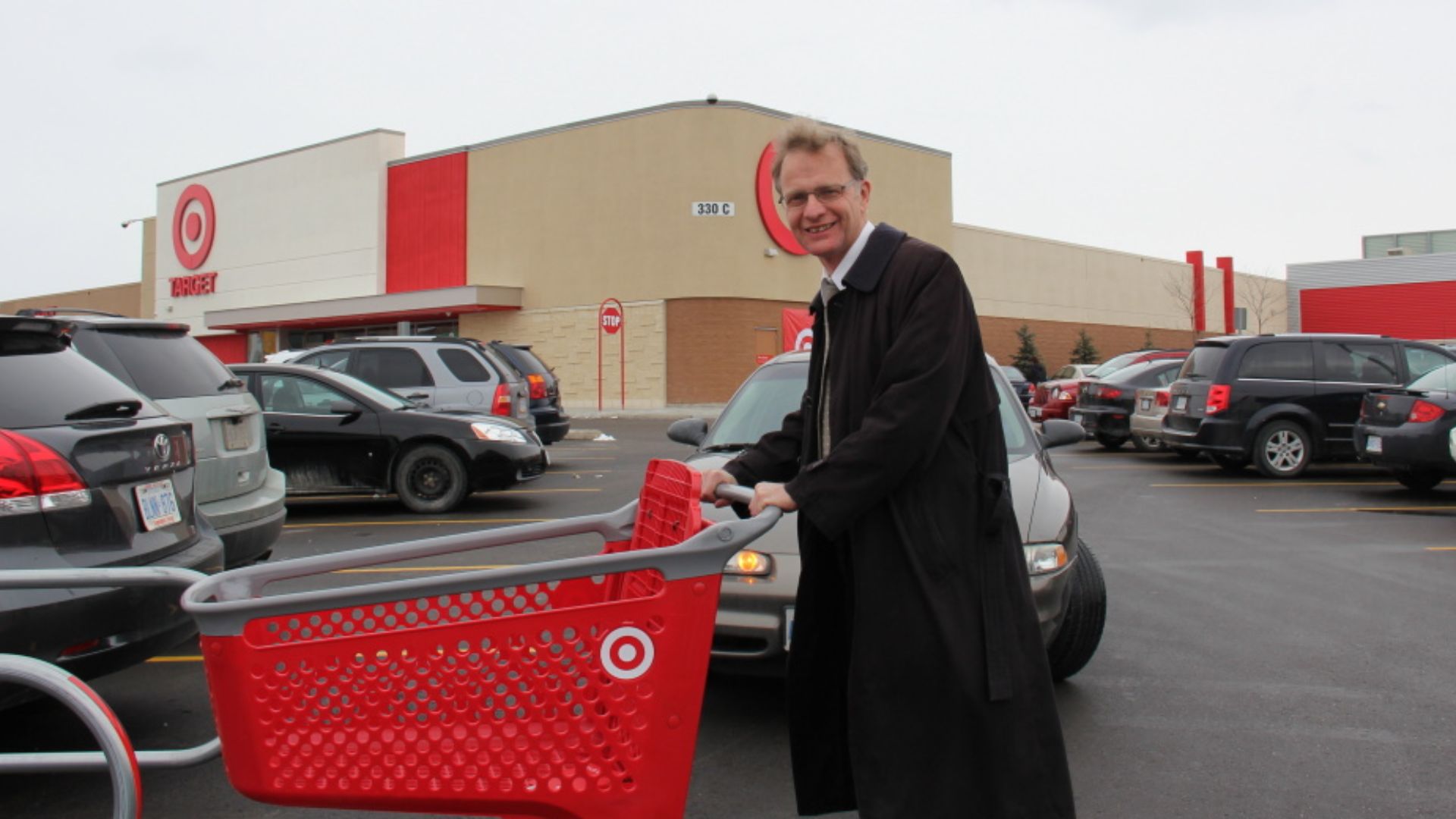
For Target Same Day Delivery, substitutions can change the total. Target says customers are charged the price of any substitute they receive, including a more expensive one. Customers can choose a specific substitute, request contact, let the shopper choose, or decline substitutions.
 Robert T Bell from Oshawa, Canada, Wikimedia Commons
Kroger Treats Accepted Substitutes As Purchases
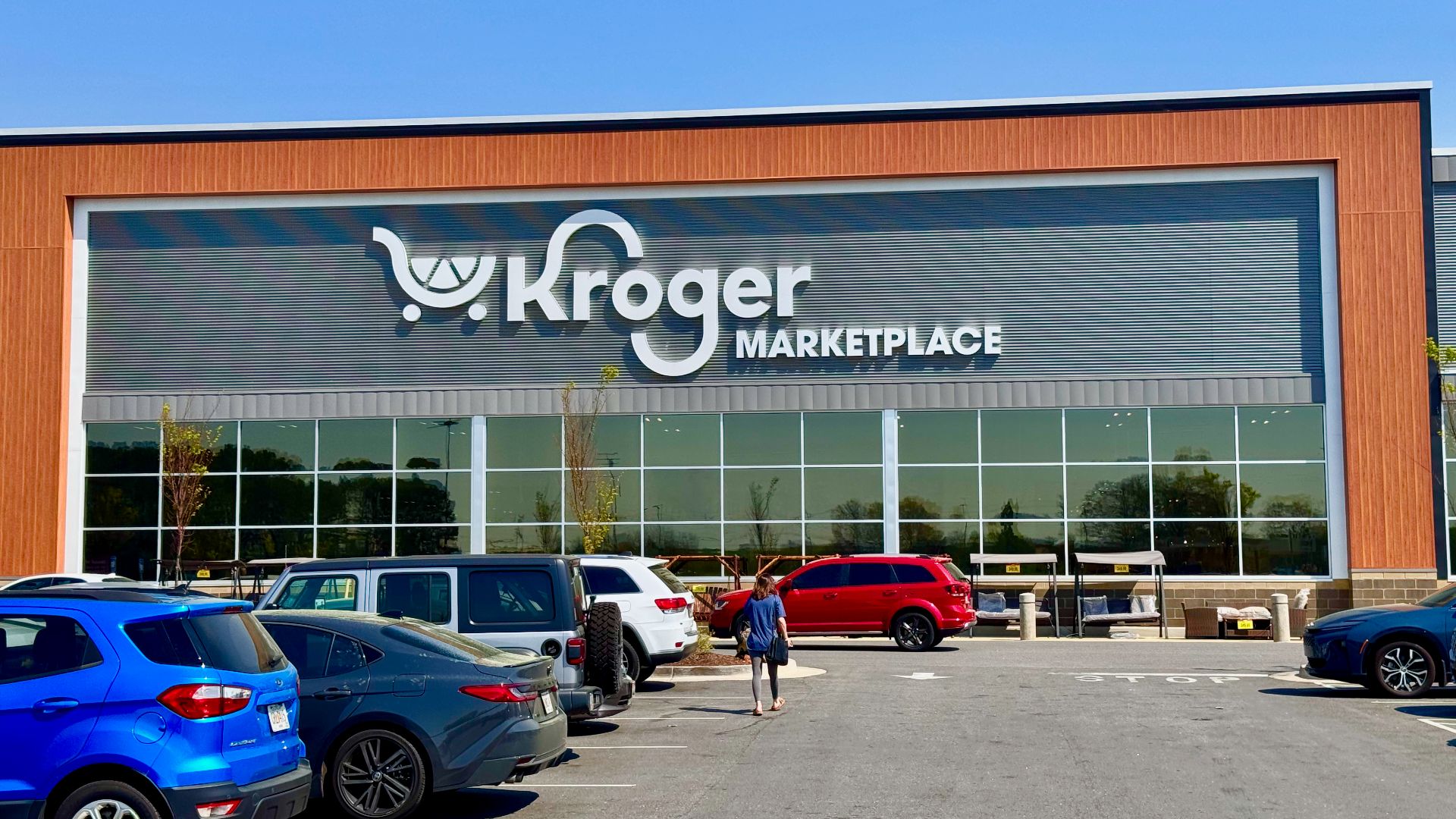
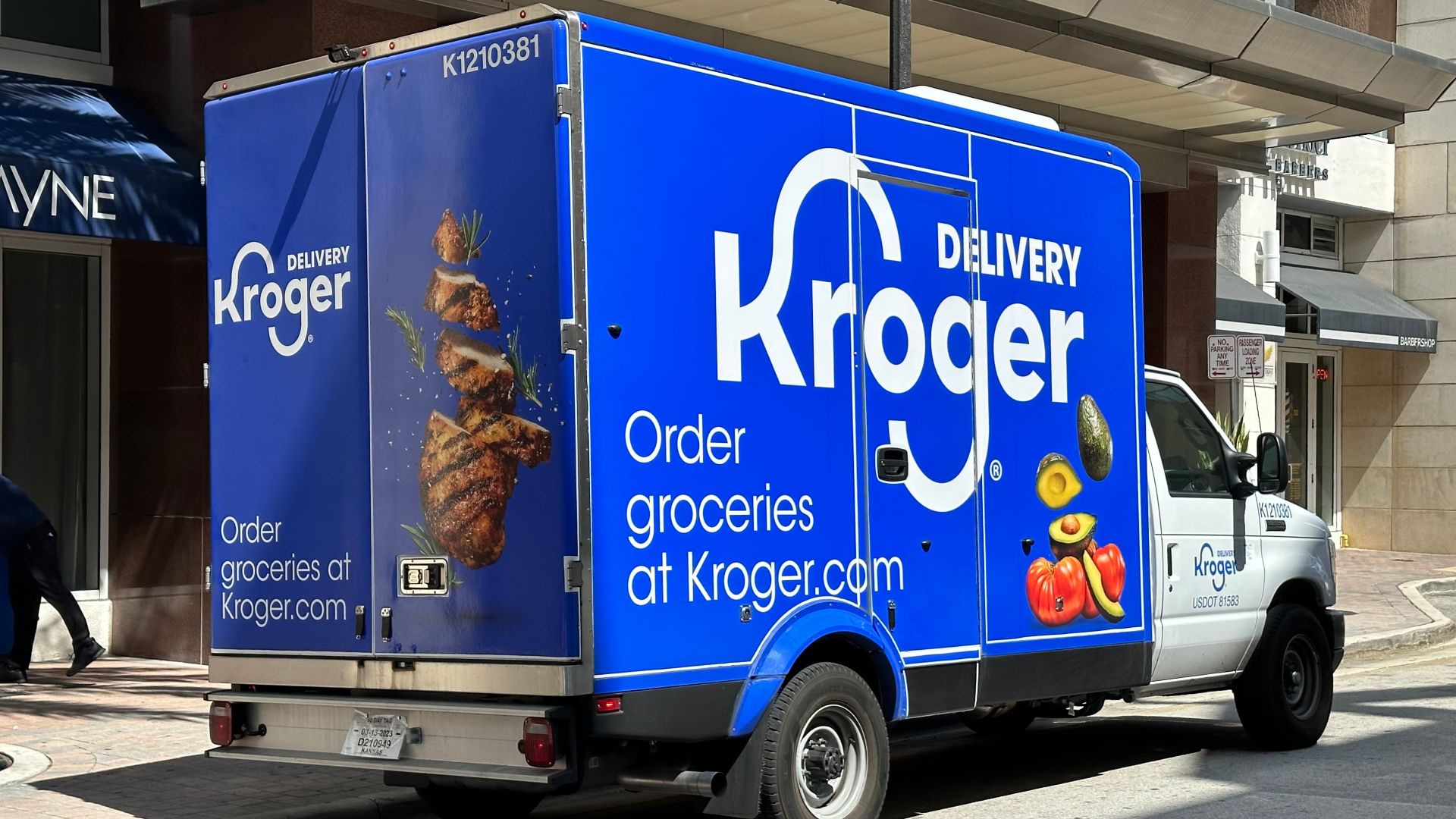
Kroger’s Pickup and Delivery terms say that if a customer accepts a substitution, the customer is charged the substitute’s price. Kroger also allows customers to reject substitutions at pickup and request a return or refund for an unwanted delivery substitute.
 Harrison Keely, Wikimedia Commons
DoorDash Shows Why Settings Matter
DoorDash lets grocery customers preselect replacements, request a refund, ask to be contacted, or allow a similar item. If a customer chooses “Contact Me” but does not respond, DoorDash says the shopper may select a suitable substitute or refund the item.
 The White House, Wikimedia Commons
A Higher Total Is Not Automatically An Error
A larger charge can be consistent with the service’s policy when you opted into substitutions and received a higher-priced product. Before assuming the bill is wrong, compare your original order, substitution setting, approval messages and final receipt.

Silence Can Have Consequences
Some services do not treat silence as a veto. Walmart says a substitution may be made if you do not accept or decline it in time, while DoorDash says an unresponsive customer who selected “Contact Me” may receive a substitute or refund.

That Pending Charge May Not Be Final
A temporary authorization hold can make the situation look worse. Instacart says it may hold more than the estimated total to cover replacements and weighted items. Shipt similarly authorizes the order total plus a small allowance before settling the final charge.

Weighted Groceries Can Change The Math
Produce, meat and other items sold by weight can also raise a total. Kroger says it charges based on actual weight packed, and Instacart lists actual item weight as another reason the final total can differ from checkout.
Discounts Can Shift Before Delivery
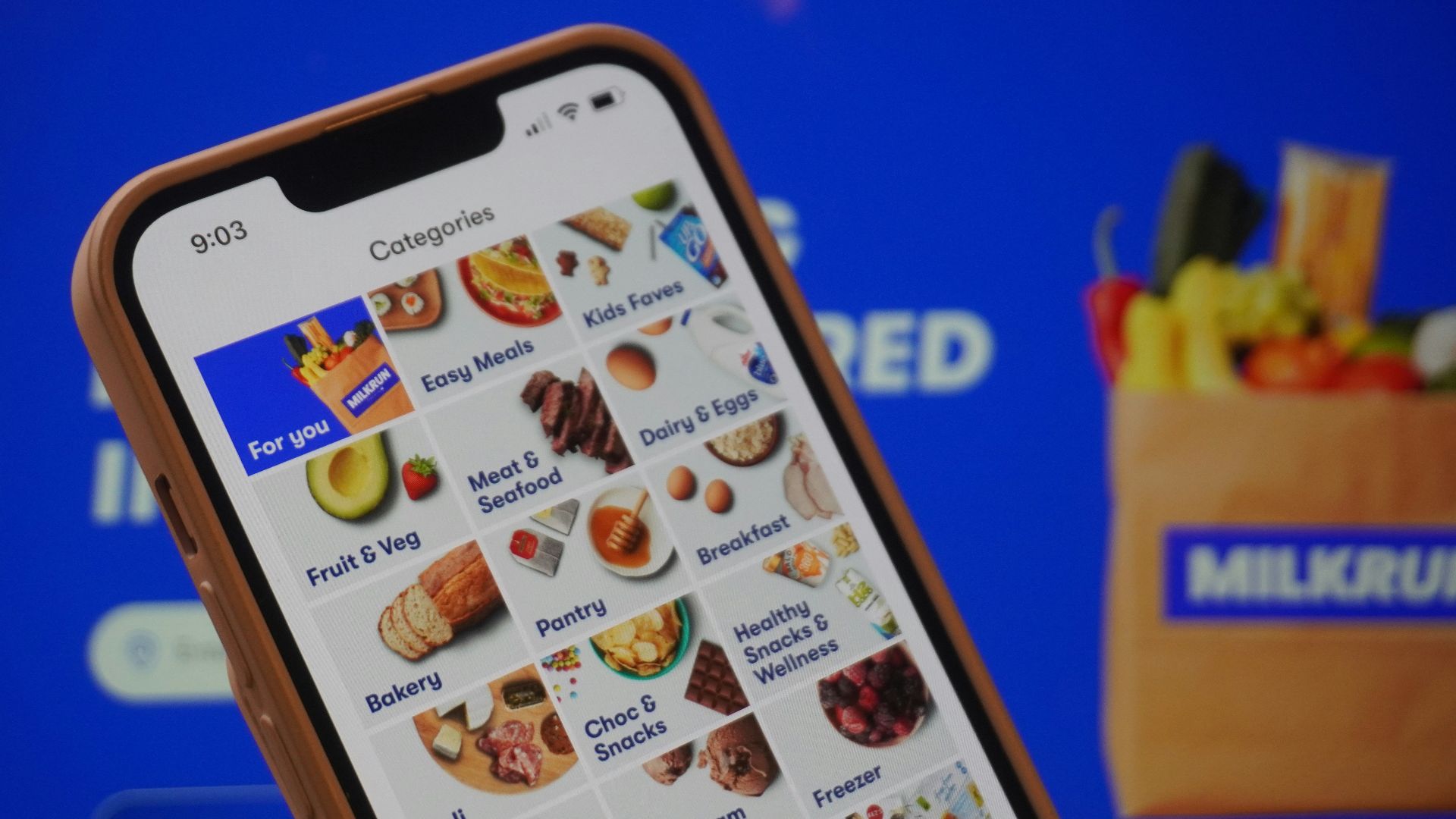
Kroger warns that prices and promotions can change between ordering and fulfillment. Its terms say a temporary sale that ends before fulfillment can result in the regular price being charged, while qualifying later sale prices can also apply.

Start With The Final Receipt
Focus on the settled, itemized total, not a temporary card hold. Instacart separates original charges, adjustment charges and refunds on receipts, while Kroger says its receipt details delivered items, discounts, fees, taxes and the total charged.
 Phillip Pessar, Wikimedia Commons
If You Did Not Approve The Replacement
If the app required approval and you rejected a substitute, or if you selected a refund or “do not substitute,” review the charge closely. Instacart, Walmart, Target and Kroger all provide controls that can limit or reject replacements.

“Do Not Substitute” Is A Strong Guardrail
If you cannot tolerate a higher replacement price, use the no-substitution or refund setting where available. Walmart, Target, Kroger and Instacart all let customers tell the service not to replace an unavailable item, although the wording differs.
 rawpixel.com rawpixel, Wikimedia Commons
Ask The Grocery Service To Fix It First
If the replacement violated your preference, was wrong, or was incorrectly priced, start with the retailer or delivery platform. The CFPB recommends contacting the seller first when something received was not what you ordered and asking for a refund or reversal.

Credit Cards Offer A Backup Dispute Route
If the merchant will not correct a genuine billing problem, credit-card protections may help. The CFPB says billing errors can include goods you did not accept or that were not delivered as agreed, and the FTC also lists wrong-amount charges.

The 60-Day Clock Matters
For a formal credit-card billing-error dispute, the CFPB says written notice should be sent within 60 calendar days after the disputed charge appears on your statement. It also recommends keeping records and following the billing-dispute instructions on your statement.

Debit Card Rules Are Different
Do not assume a debit-card dispute works like a credit-card dispute. The FTC notes that different protections apply to credit and debit card charges, and the CFPB has separate rules and timelines for unauthorized electronic fund transfers.

SNAP And EBT Can Work Differently
Rules for higher-priced substitutions can differ when SNAP benefits are involved. Walmart and Target say a secondary payment method may be needed to cover a higher-priced substitute, while Kroger describes separate treatment for EBT amounts and additional payment methods.

Set Replacement Rules Before Shopping Starts
To reduce surprises, use the app’s substitution controls before shopping begins. Instacart, Walmart, Target, Kroger and DoorDash offer combinations of specific replacements, shopper-selected alternatives, approval requests, refunds or no-substitution choices.

The Bottom Line
You often do have to pay the difference when you allowed substitutions and the service charges the actual replacement price. But challenge a charge that conflicts with your preferences, reflects the wrong amount, or covers an item you rejected or did not receive.

You May Also Like: