Why The Old Budget Can Stop Working
A budget can fail even when spending habits have not changed. In June 2026, US prices for food at home were 2.7% higher than a year earlier, while electricity was up 4.0% and natural gas 3.0%. Those increases do not affect every household equally, but they show why a previously workable budget can suddenly become too tight.

Build A Cash-Flow Snapshot
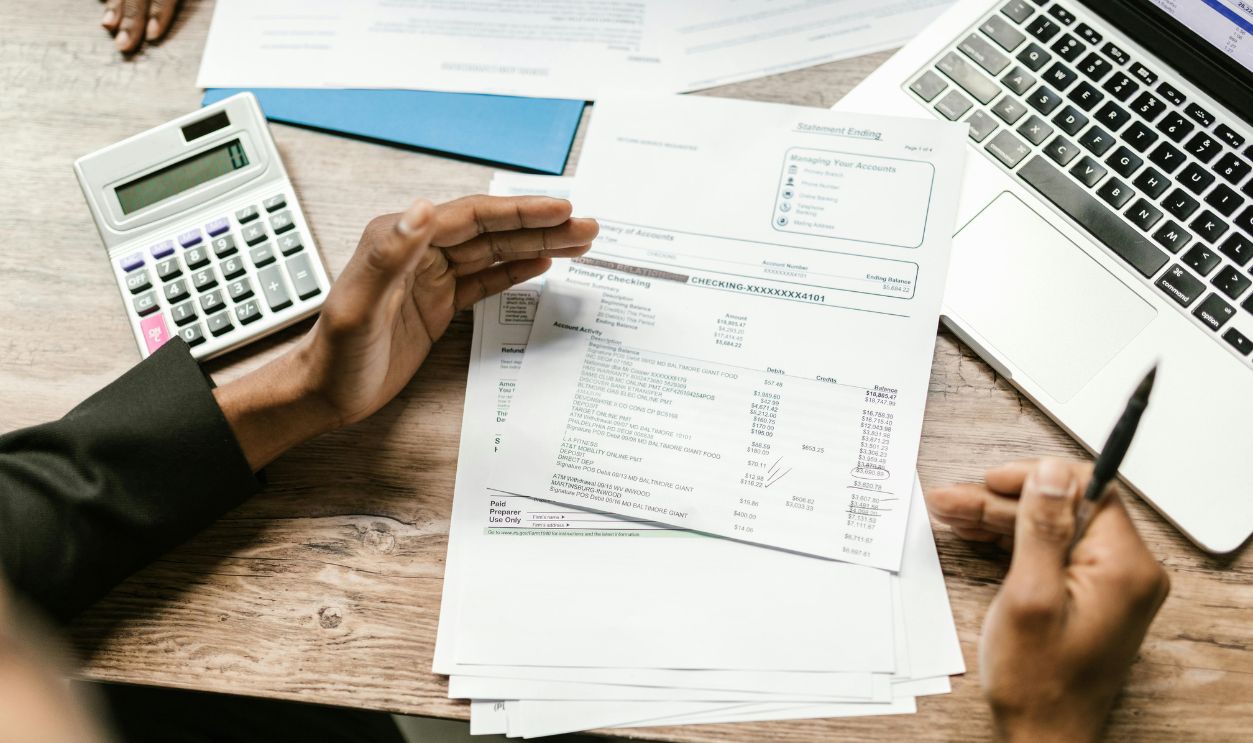
Before deciding which bill to skip, write down the money actually available between now and the next payday, then list every bill, its amount, and its due date. The CFPB recommends tracking income and expenses by week because the timing of money coming in and going out can create a shortfall even when the monthly totals appear manageable.

List Bills By Consequence, Not Emotion
If there is not enough money for everything, the CFPB recommends weighing the risks of falling behind on each obligation. Its guidance specifically identifies housing, utilities, insurance, transportation, and other debts as categories to consider, because missing different payments can produce very different consequences.The goal is not to declare one bill universally more important than another; it is to identify the damage each missed payment could cause. Nataliya Vaitkevich, Pexels
Keep Housing In The Protected Tier
Rent or a mortgage generally belongs near the top of a crisis budget because losing stable housing can create consequences that are difficult to reverse. CFPB guidance tells struggling renters to look for local assistance and talk with landlords, while homeowners should contact their mortgage servicer promptly because options can include forbearance, refinancing, or loan modification.

Check The Utility Shutoff Date
Do not treat a utility bill simply as another account balance. Find out whether your account has a pending disconnection date and what protections or payment arrangements are available in your state. USAGov notes that state policies governing utility disconnections vary and can depend on factors including weather, age, disability, and the utility provider.
 Cast of Thousands, Shutterstock
Call The Utility Before You Miss It
If the utility is going to be difficult to pay, contact the provider before the deadline and ask what assistance or payment arrangement is available. Federal consumer guidance encourages people facing financial strain to contact companies rather than simply stop paying. USAGov also directs consumers toward the Low Income Home Energy Assistance Program, or LIHEAP, for help with qualifying heating and cooling costs and certain energy emergencies.

Treat An Insurance Lapse As A Serious Risk
Insurance deserves special attention because simply allowing a policy to lapse can create problems beyond the missed premium. The National Association of Insurance Commissioners defines a lapse as termination of a policy because the required premium was not paid. For homeowners, the NAIC also notes that mortgage lenders commonly require insurance and may obtain force-placed coverage if a policy lapses.

Ask The Insurer What Options Exist
Before canceling coverage or allowing a payment to fail, call the insurer and ask about available payment arrangements, billing dates, discounts, or changes that are permitted under the policy and state rules. Do not assume that reducing or dropping coverage is harmless: the NAIC warns that a homeowners policy lapse can leave a lender-provided policy that may cost more and provide less coverage.

Protect The Grocery Budget, But Do Not Overspend
Food is an essential expense, but the answer is not necessarily to keep spending the old grocery amount while borrowing for everything else. A temporary food plan can focus available cash on necessary meals while other assistance reduces the amount that must come directly from the checking account. USDA describes SNAP as a program that supplements the grocery budgets of eligible low-income households.
 Zamrznuti tonovi, Shutterstock
Check SNAP Eligibility
If household income has fallen relative to expenses, check whether you qualify for SNAP rather than assuming you earn too much. For fiscal year 2026, USDA lists federal income standards and notes that states can have additional eligibility rules and options. Eligibility is determined by the state where you live, so an official application or state agency is the appropriate way to find out whether you qualify.

Know What SNAP Can Buy
SNAP benefits are designed for food rather than general household expenses. USDA says eligible purchases include fruits and vegetables, meat, poultry and fish, dairy products, breads and cereals, many snack foods and nonalcoholic beverages, and seeds or plants that produce food. Alcohol, tobacco, vitamins, medicines, cleaning supplies, paper products, and other nonfood items are generally excluded.

Use A Food Pantry As A Bridge
A food pantry can reduce immediate grocery spending while you stabilize the rest of the household budget. Feeding America says anyone who needs extra help affording food can visit a food pantry or meal program, although individual programs may have additional requirements. Its locator can identify participating food banks and local pantry services.

Cut Flexible Spending Temporarily
Once essentials are identified, look for expenses that can be reduced without creating a larger problem later. CFPB budgeting guidance recommends reviewing actual spending rather than what you think you “should” be spending, including less-frequent expenses such as insurance, medical costs, gifts, and seasonal expenses. A temporary reduction is different from assuming every cut can continue indefinitely.

Review Recurring Services
Subscriptions and memberships are often easier to change than essential bills, making them reasonable places to look during a short-term squeeze. CFPB guidance specifically suggests reviewing recurring services and identifying items that can be canceled or reduced. The point is not that every subscription is wasteful, but that flexible expenses can create breathing room while a household handles unavoidable costs.
Move Due Dates When Possible
If the problem is partly about timing, ask creditors and service providers whether a due date can be moved. CFPB guidance says some creditors may allow due dates to be shifted so they better match when income arrives. Changing timing does not reduce the amount owed, but it can prevent a temporary cash-flow mismatch from becoming a missed payment.

Stop Automatic Payments From Causing Overdrafts
Review scheduled automatic payments when money is unusually tight. CFPB warns that missed deadlines and automatic payments can contribute to overdraft fees and advises consumers to contact their bank or lender quickly if an automatic payment needs to be stopped or a payment will be missed. Any change should be made deliberately, because stopping an automatic debit does not erase the underlying bill.

Use Emergency Savings Deliberately
If you have emergency savings, this is the kind of situation for which a reserve can be useful. CFPB describes an emergency fund as money set aside for unplanned expenses or financial emergencies and notes that using savings for a genuine financial shock can help avoid turning the expense into interest-bearing debt. If savings are used, the next goal is rebuilding the reserve.
 Photo By: Kaboompics.com, Pexels
Avoid Turning A Shortfall Into Expensive Debt
When several essential bills rise together, putting every gap on a credit card can make the next month harder. CFPB guidance recommends contacting creditors when you cannot make payments and asking about more affordable arrangements. It also warns consumers to be cautious with debt-settlement companies that promise to make debts disappear or tell customers to stop communicating with creditors or making payments.

What To Do If You Still Cannot Cover Everything
If the numbers remain negative after assistance, cuts, and payment arrangements, make the shortfall explicit rather than trying to hide it. Write down what can be paid, what cannot, and the consequence of each decision; then contact the affected companies. CFPB guidance emphasizes making a plan, communicating with creditors, and weighing the consequences when there is not enough money to cover every bill.

Rebuild After The Crisis
Once the immediate shortage passes, rebuild the budget from actual spending rather than the old assumptions. Track expenses, account for irregular bills, and consider a dedicated emergency reserve. CFPB says even small emergency savings can provide some financial security, while its cash-flow tools emphasize watching the timing of income and expenses. The objective is not a perfect budget; it is a budget that survives real-world price changes and unexpected bills.
 eyecrave productions, Getty Images
You May Also Like:
My Credit Card Lowered My Spending Limit Without Warning. Why Would They Do That?
How To Save Money Without Sacrificing Your Social Life