
Is Daily Grocery Shopping Wrecking Your Budget?
If your husband pops into the grocery store every day and your food budget somehow disappears before the month is over, the two things may be connected. Daily shopping isn’t automatically bad, but more trips mean more chances to spend. Here’s why shopping frequency can matter more than you think.
More Trips Mean More Temptation
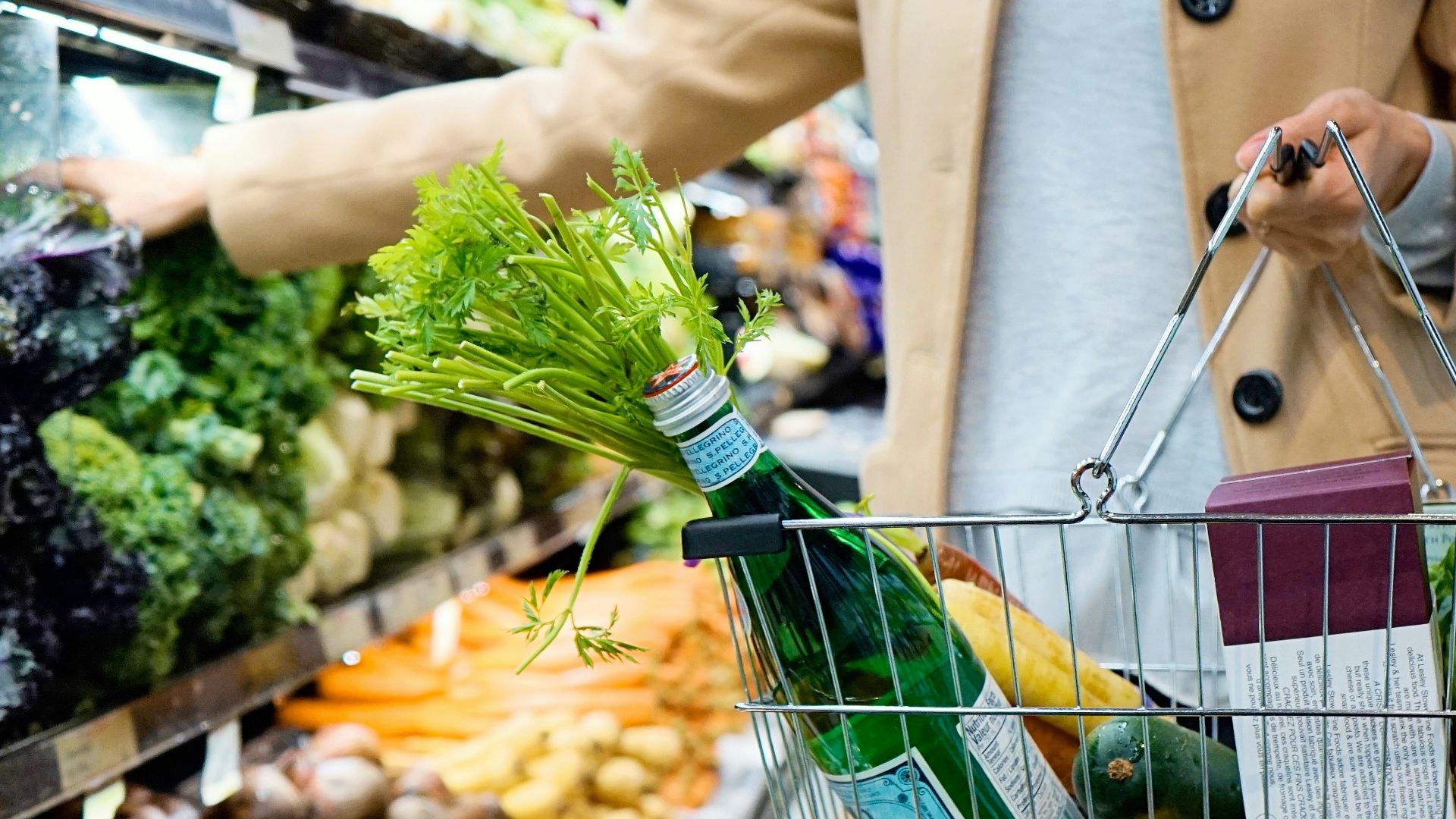
Every grocery trip puts you in front of snacks, sale displays, prepared meals, bakery treats, and countless other things you didn’t plan to buy. Even if each extra purchase is small, making seven trips a week instead of one gives impulse spending far more opportunities to creep into the budget.
The Five-Dollar Problem Adds Up
An extra $5 doesn’t feel dramatic when you’re standing at the checkout. Do that five times a week, however, and you’re spending another $100 or more each month. Frequent shoppers can easily underestimate these small purchases because no individual trip feels particularly expensive.

Grocery Stores Are Built For Browsing
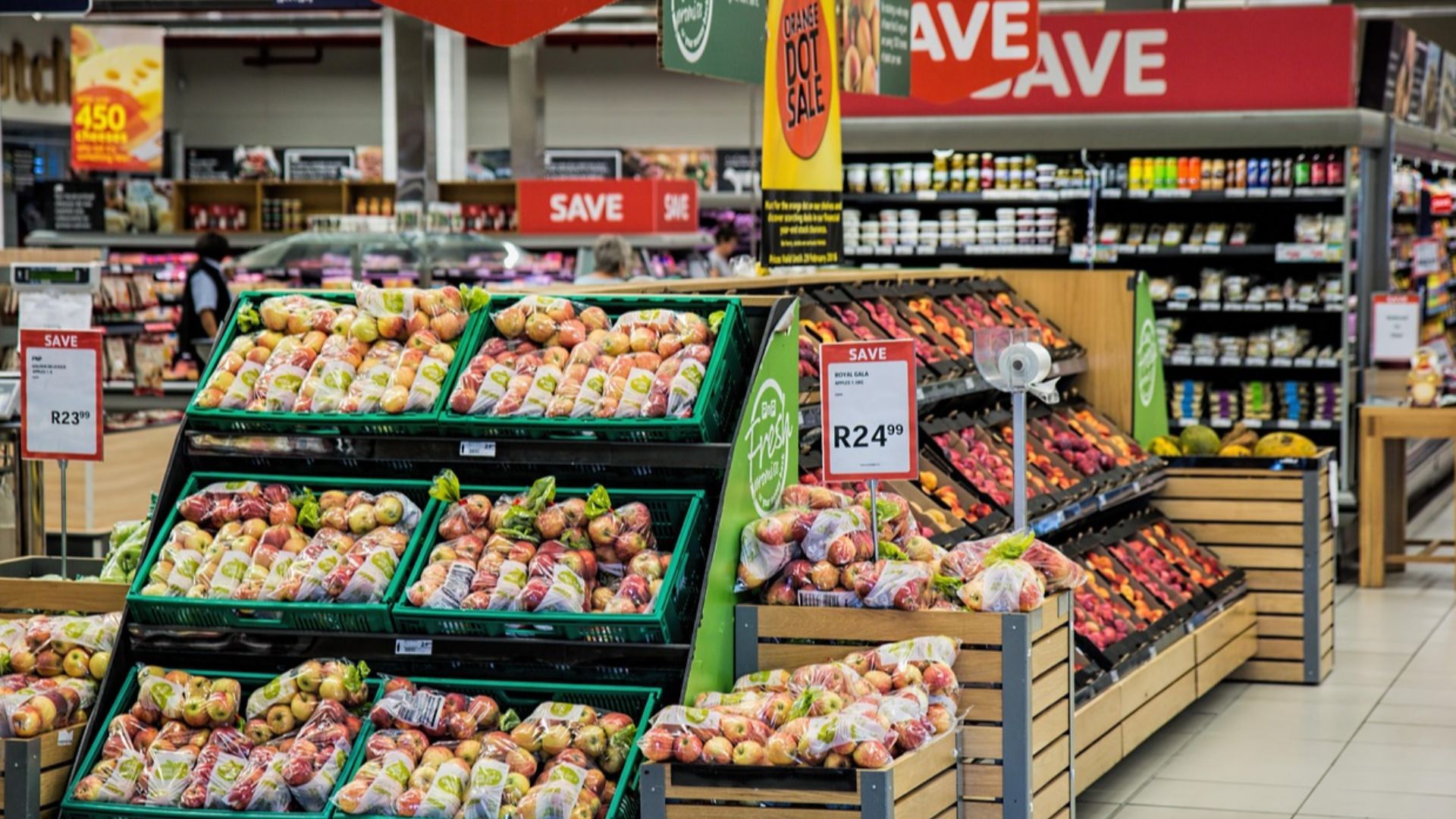
Supermarkets would rather you wander than march directly toward the milk and leave. Attractive endcaps, bakery smells, colorful displays, and conveniently placed snacks encourage shoppers to slow down and notice things. The more often you enter the store, the more often those little temptations get another shot at your wallet.

A Shopping List Creates Boundaries
Weekly shoppers are more likely to make a list covering several meals, household staples, and upcoming needs. That list creates a basic spending plan before they enter the store. Daily shoppers often shop based on whatever sounds good right now, which can make spending much harder to predict.
 Boxed Water Is Better, Unsplash
Hunger Is An Expensive Shopping Companion
Stopping for groceries on the way home from work sounds convenient—until you walk into the store hungry. Suddenly chips, frozen pizza, cookies, and a fancy ready-made dinner all look reasonable. Shopping after eating can make it much easier to stick with what you actually need.
Convenience Foods Can Sneak In
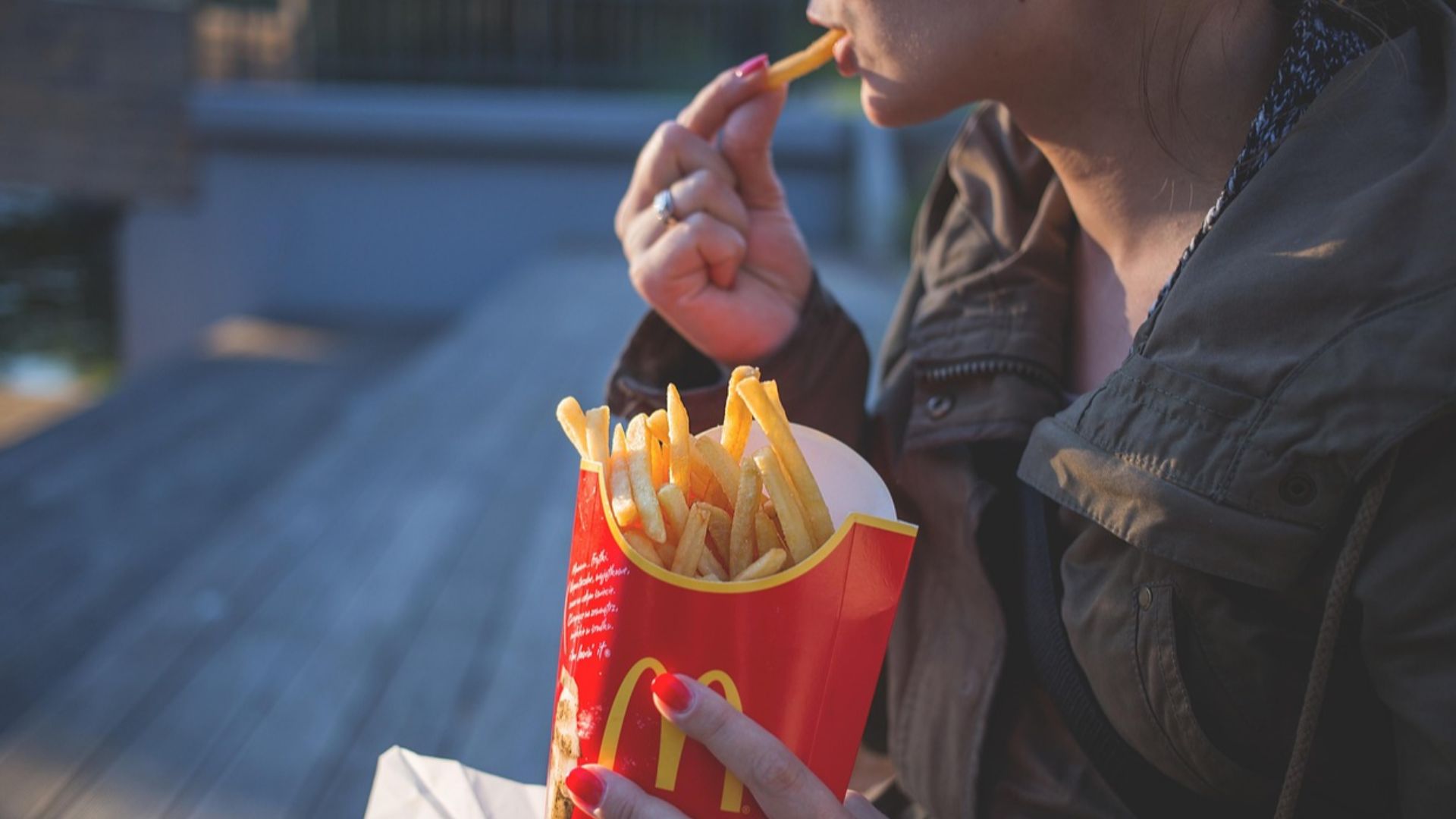
Daily shopping often goes hand in hand with buying food for tonight rather than planning several meals ahead. That can mean more prepared salads, deli meals, chopped produce, single-serving items, and other convenience foods. They save time, but their per-serving cost is often higher than cooking from basic ingredients.

Meal Planning Changes The Math
You don’t need a spreadsheet worthy of an accountant. Choosing four or five dinners before shopping can dramatically reduce random purchases. When you already know Tuesday is tacos and Wednesday is pasta, you’re less likely to stare into the refrigerator at 5:30 p.m. and head back to the store.

Bulk Sizes Can Cost Less
Weekly shopping makes it easier to buy larger packages when the unit price makes sense. Rice, pasta, meat, yogurt, cheese, and other staples may cost less per serving in bigger quantities. Daily shoppers may repeatedly buy smaller packages simply because they’re shopping for immediate needs.
But Bigger Is Not Always Better
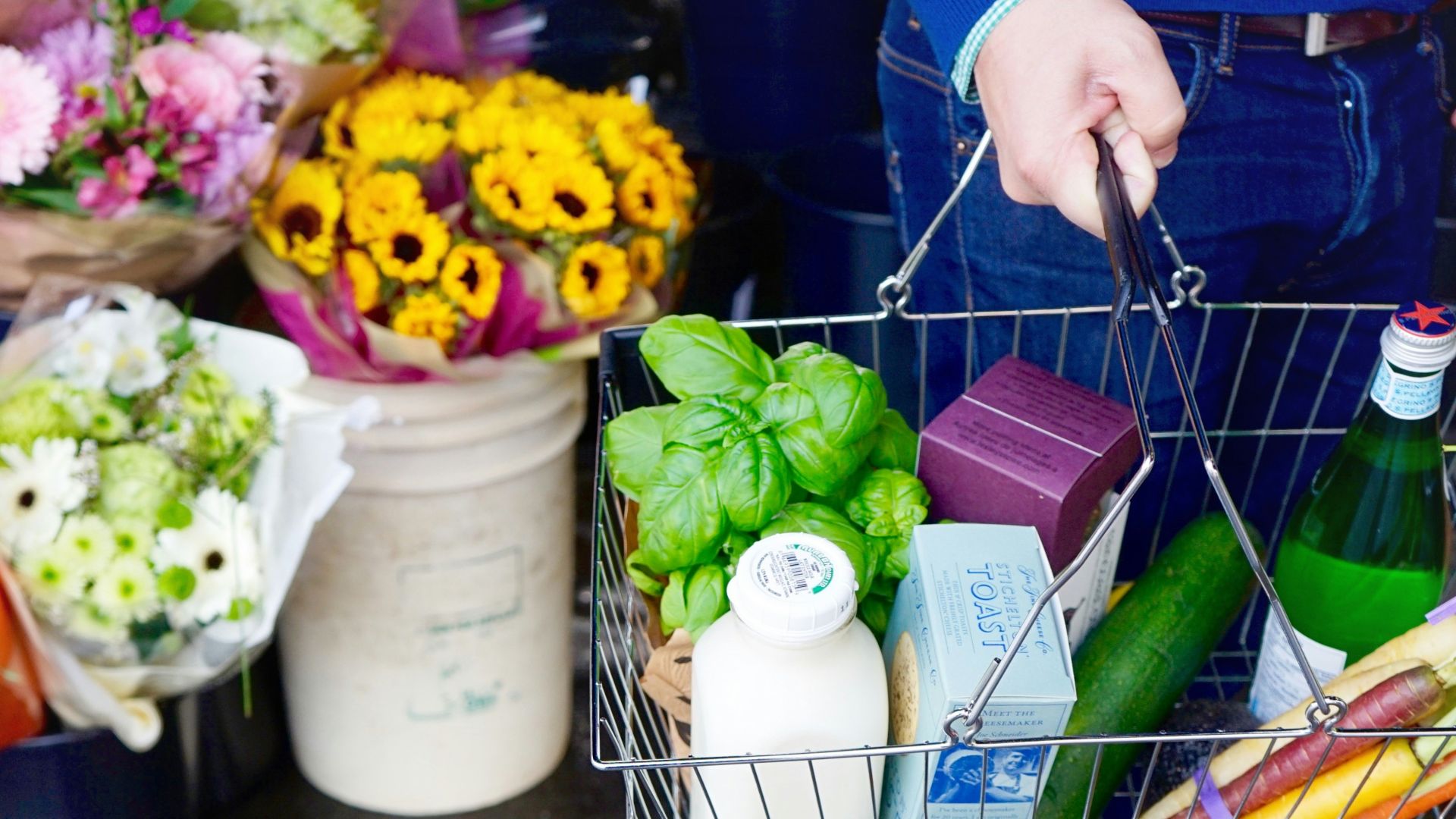
Buying the family-size bag isn’t a bargain if half of it ends up in the garbage. Weekly shopping only saves money when you actually use what you buy. For couples and smaller households, carefully chosen quantities matter more than blindly buying the biggest package available.

Daily Shopping Can Reduce Food Waste
There is one major argument in your husband’s favor: shopping frequently can mean buying only what you need. Fresh produce, bread, fish, and other perishables may be less likely to spoil. If weekly shopping causes your refrigerator to become a produce graveyard, daily shopping could actually prevent waste.

The Real Question Is What Gets Wasted
To figure out which method is cheaper, look at both sides of the equation. Weekly shoppers might waste unused food, while daily shoppers might waste money on impulse purchases. Your best schedule is the one that keeps both types of waste under control.
Receipts Tell The Real Story
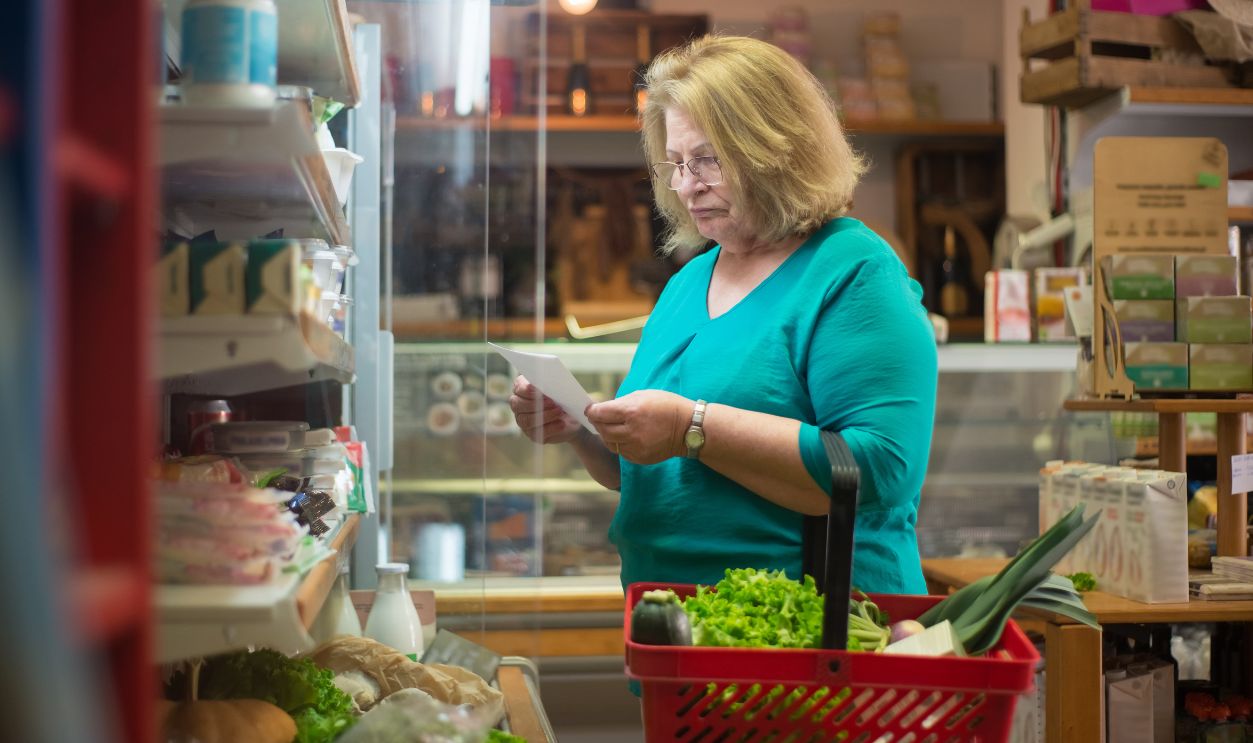
Instead of debating whether daily shopping “feels” expensive, save every grocery receipt for a month. Add them together at the end of each week. You may discover that frequent trips are costing far more than expected—or that your spending problem is coming from something completely different.

Watch The Non-Grocery Groceries
Supermarkets sell far more than dinner ingredients. A quick milk run can turn into shampoo, batteries, flowers, magazines, candles, sparkling water, and three kinds of chips. When analyzing grocery spending, separate actual food needs from all those extras that quietly land in the cart.

Small Baskets Can Be Deceptive
A nearly empty shopping basket feels harmless. That’s one reason frequent shopping can be misleading. Spending $28 on a small bag of groceries doesn’t seem outrageous, but spending $28 six times in one week suddenly becomes $168. Frequency can hide the bigger monthly picture.

Weekly Shopping Makes Budgeting Easier
If your monthly grocery target is $600, thinking of it as roughly $140 per week gives you a simple boundary. One main weekly shop makes that number easier to track. Daily shopping requires constantly remembering how much has already been spent, which is surprisingly difficult without an app or receipt pile.

Sales Can Encourage Extra Trips
A discount isn’t always a saving. Driving across town because chicken is $2 cheaper can backfire if you also buy $20 worth of things you weren’t planning to purchase. Shop sales strategically, but remember that getting you through the door is exactly what grocery promotions are designed to do.
Loyalty Programs Can Increase Spending Too
Points and member discounts can genuinely save money, but they can also encourage unnecessary purchases. “Buy two and earn bonus points” isn’t a deal if you only needed one. Treat loyalty rewards as a discount on planned spending rather than a reason to add something to your cart.
Transportation Costs Count
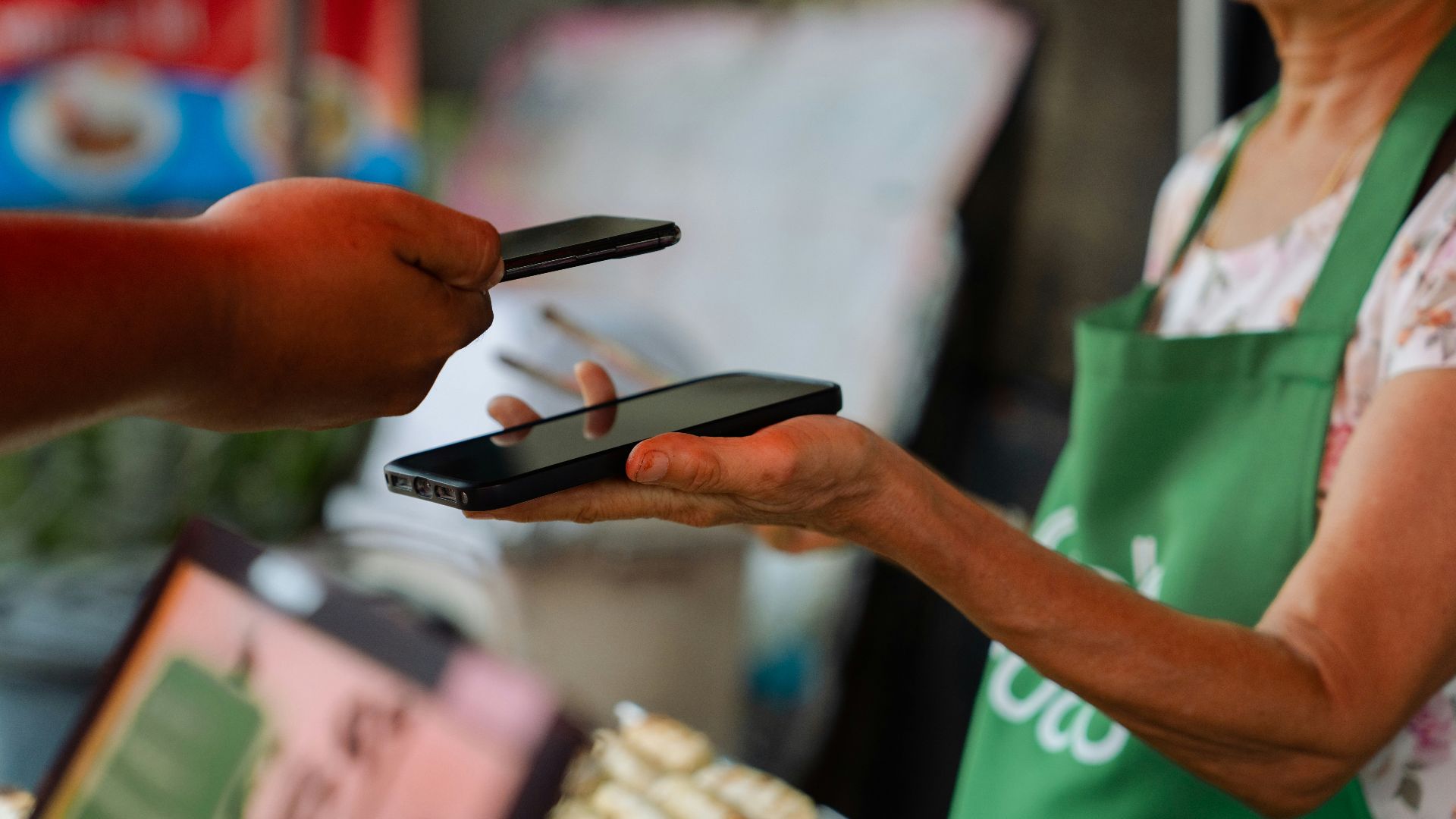
Frequent grocery trips also come with costs outside the checkout lane. If your husband drives to the store every day, fuel, vehicle wear, and parking can add to the true cost of groceries. Walking to a nearby supermarket obviously changes the equation, so location matters.

Time Has Value Too
Money isn’t the only thing being spent. Seven grocery trips can easily consume more time than one organized weekly trip. If daily shopping becomes a routine of driving, parking, browsing, waiting in line, and driving home, that convenience may not be quite as convenient as it first appears.
Try A Two-Trip Compromise
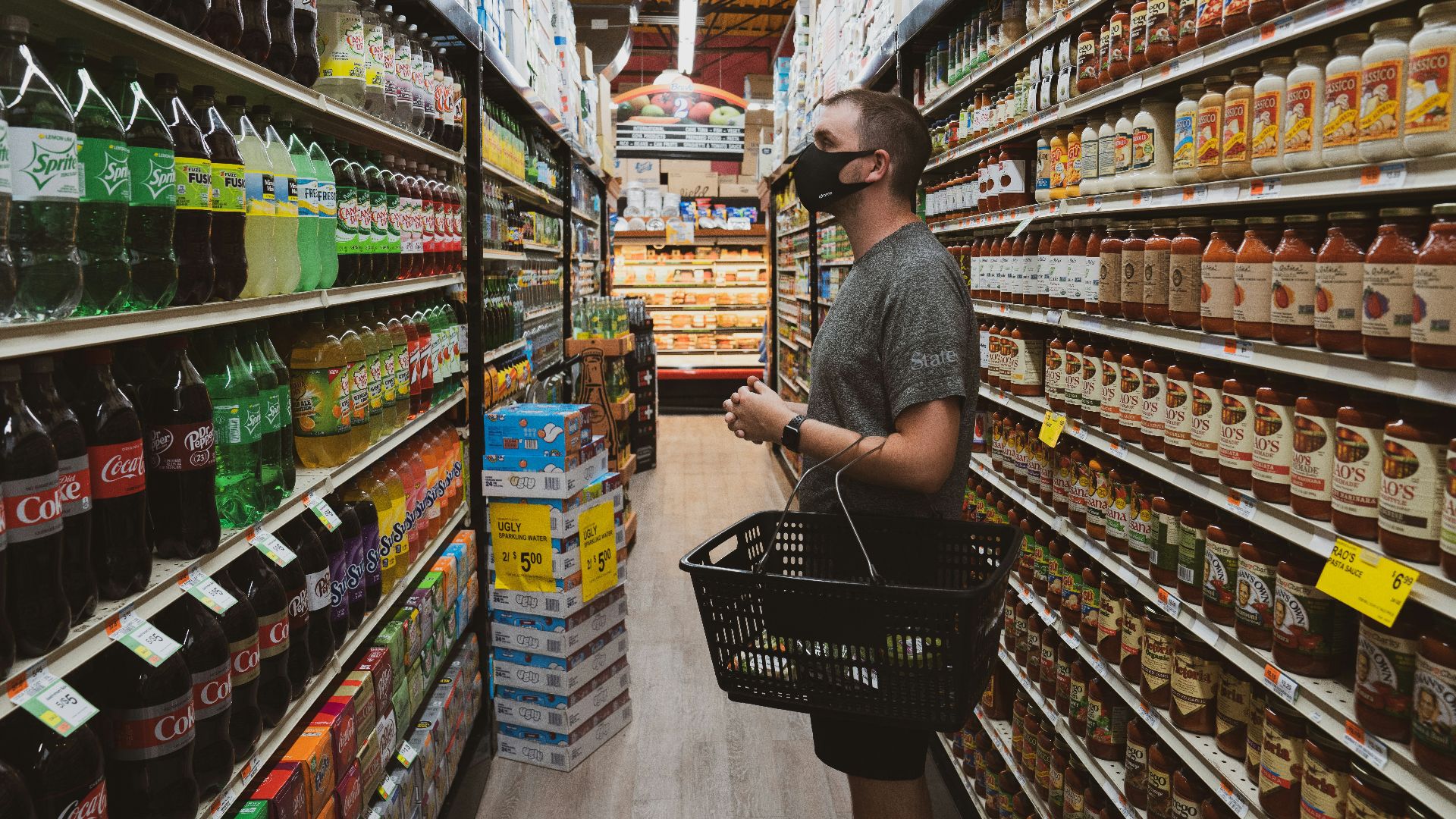
You don’t necessarily have to jump from shopping every day to one massive weekly expedition. Two planned trips per week can work beautifully. Do one larger shop for staples and meals, then one smaller midweek trip for fresh produce, bread, milk, or anything you genuinely forgot.

Create A Grocery Waiting Period
When someone wants to make an extra grocery run, ask one simple question: “Do we need this today?” If the answer is no, put it on the next shopping list. That tiny waiting period can stop boredom, cravings, and spur-of-the-moment dinner ideas from turning into another $30 receipt.

Give Daily Shopping A Limit
If your husband genuinely enjoys daily grocery shopping, banning it may create unnecessary tension. Instead, try a spending cap. Maybe extra trips are limited to $10 or $15 unless something essential is needed. A clear boundary lets him keep the routine without giving the grocery budget unlimited access to your bank account.

Separate Needs From Wants
Running out of eggs is different from suddenly wanting premium ice cream. Both purchases are perfectly fine, but they belong in different categories. Identifying what counts as a grocery necessity versus a treat can reveal whether daily trips are solving household needs or simply creating more opportunities to indulge.

Pay Attention To Meal Changes
Frequent shopping can also encourage constant changes to the dinner plan. You might already have ingredients for chicken and vegetables, but suddenly steak sounds better. The original food remains in the fridge while another meal gets purchased. Repeated enough, these changes can inflate costs and increase waste simultaneously.

Pick A System You Can Actually Follow
The cheapest theoretical grocery strategy is useless if your household hates it. Maybe one weekly trip works. Maybe you need two. Maybe your husband loves shopping daily but can stick to a strict list and budget. The goal isn’t grocery perfection. It’s creating predictable spending that both of you can live with.

Shopping Less Often Can Make A Big Difference
Yes, shopping frequency really can affect spending—mostly because every additional store visit creates another opportunity to buy something. But frequency isn’t the only factor. Track your receipts, plan meals, reduce impulse purchases, and experiment with fewer trips. Your budget will tell you which shopping schedule actually works.

You May Also Like:
Inflation Problems Boomers Faced In The 70s And 80s That Millennials Can’t Even Imagine
My Credit Card Lowered My Spending Limit Without Warning. Why Would They Do That?