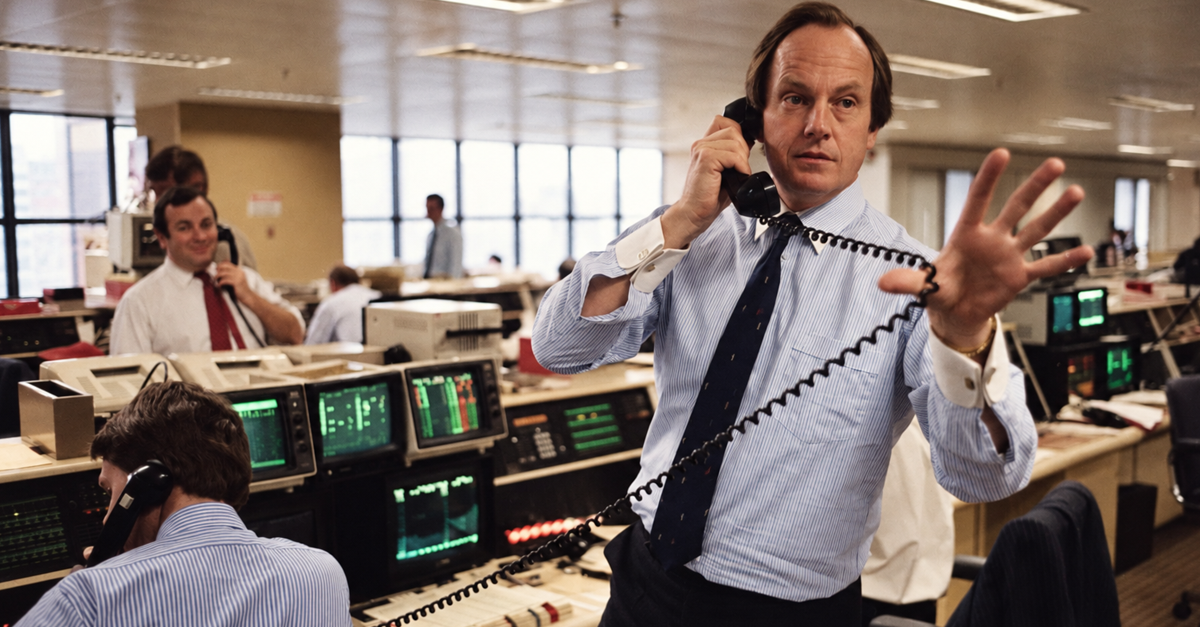
This Was Not Just Expensive Eggs
Sure, Millennials have lived through some nasty inflation. But this may be one of those rare times Boomers are allowed to yell “get off my lawn”—because the inflation they lived through in the late 60s, throughout the 70s and into the 80s was on another level.
This was inflation Millennials could never even imagine. Do you remember any of this?
Double-Digit Inflation Became Almost Normal
Inflation did not merely spike for a few months. It averaged 11.3% in 1979, 13.5% in 1980 and 10.3% in 1981. Three straight years of double-digit inflation meant a carefully planned family budget could feel outdated before the month was even over.
 The Oregon State University Collections and Archives, Unsplash
A Dollar Lost Nearly 60% of Its Buying Power
The average Consumer Price Index rose from 38.8 in 1970 to 96.5 in 1982. That means average prices became roughly two and a half times as high in just 12 years—and a dollar held since 1970 had lost nearly 60% of its purchasing power.
Food Prices Jumped 10% Two Years Running
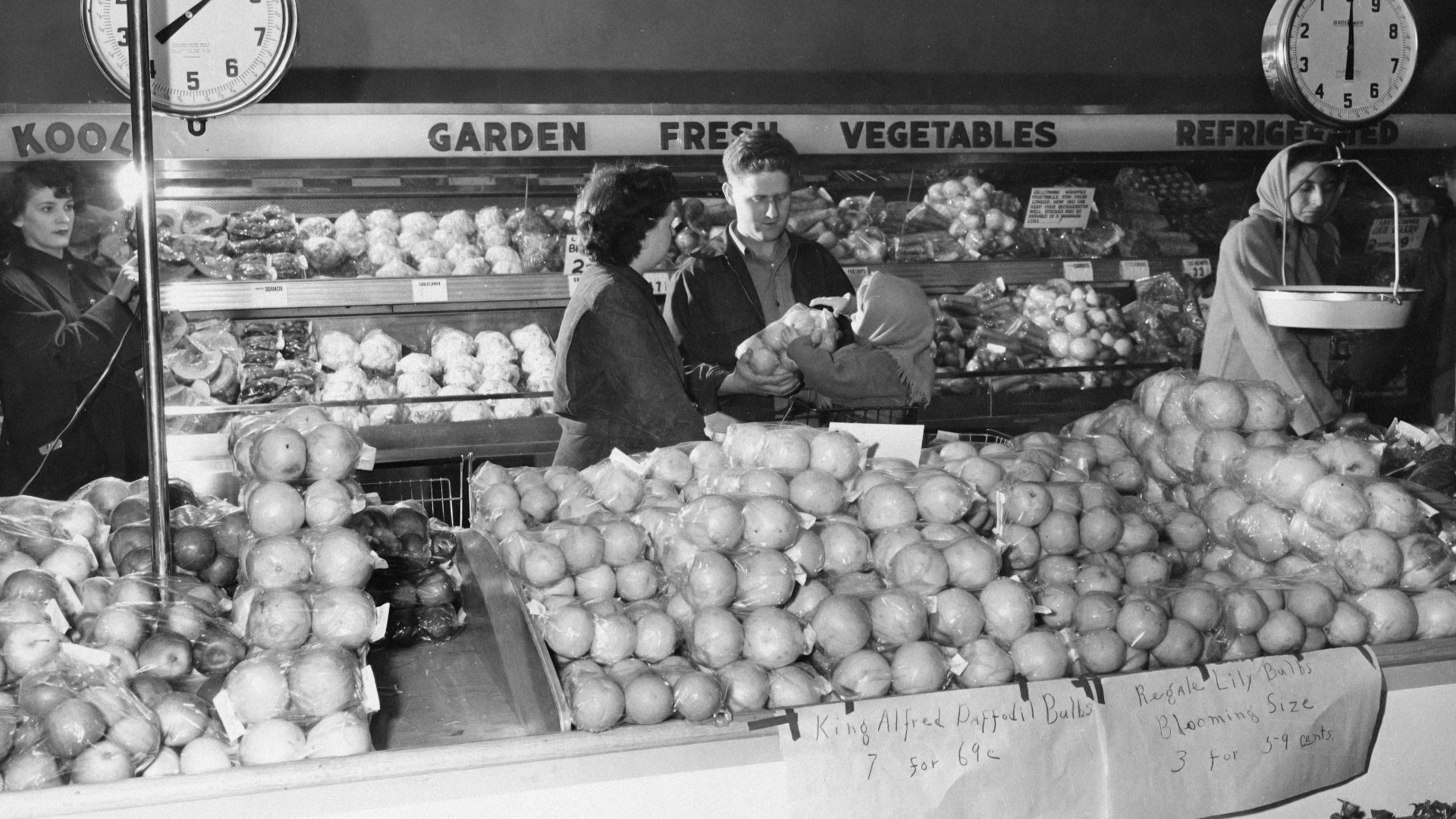
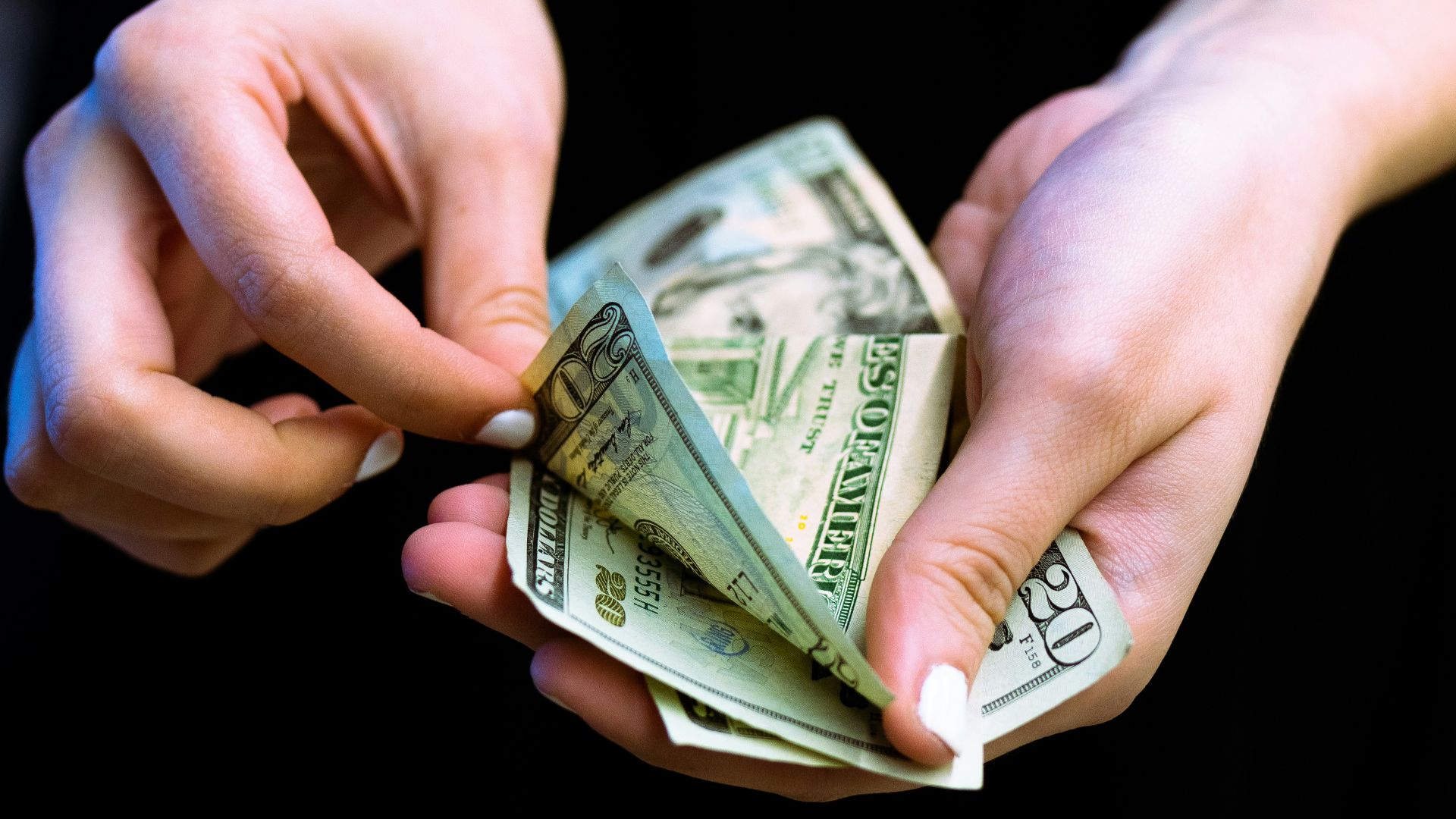
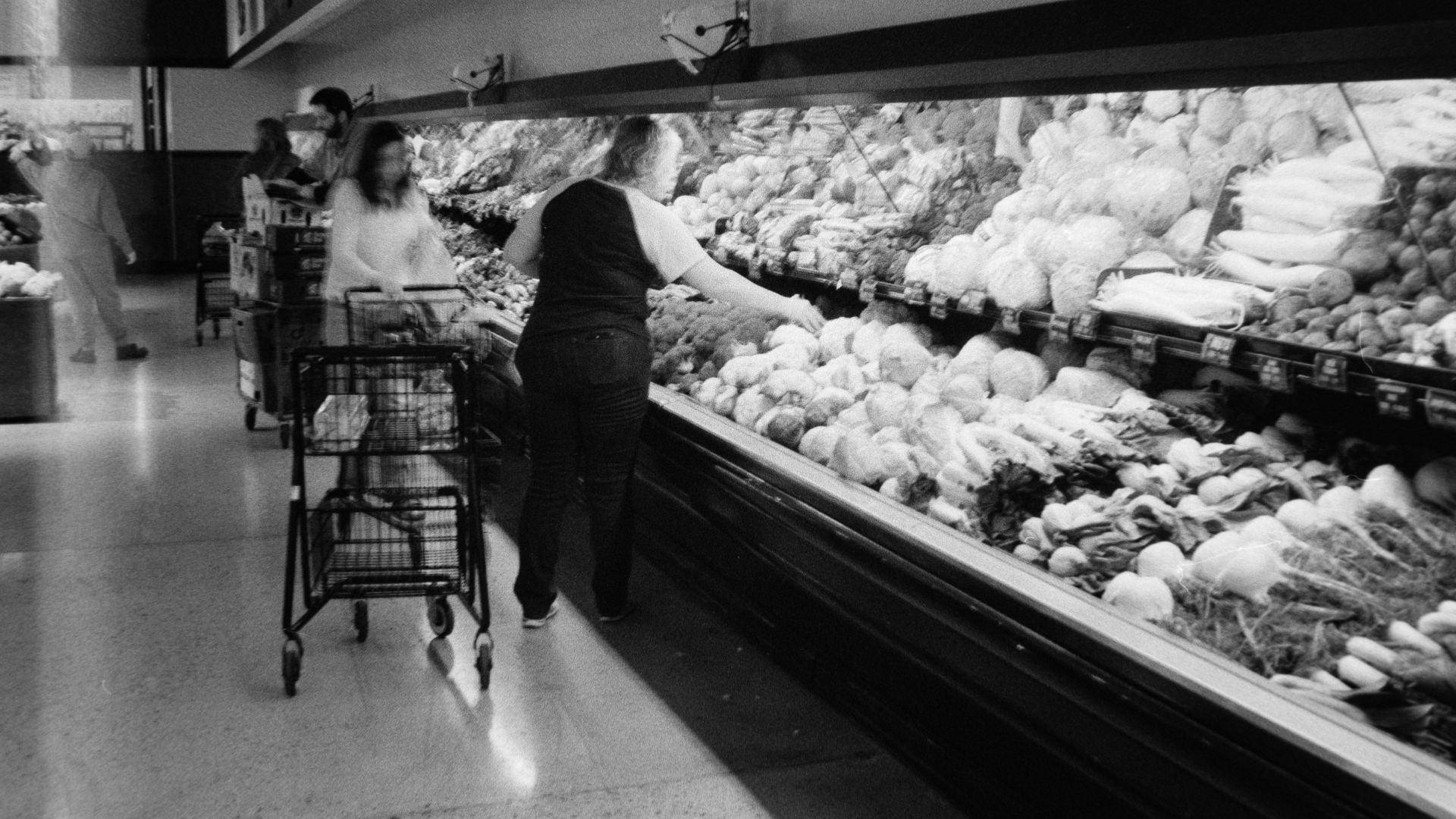
Food prices rose about 10% in both 1979 and 1980. Shoppers could switch brands, clip every coupon in the newspaper and remove anything remotely enjoyable from the cart—and still watch the total climb the next time they visited the store.

Americans Organized a Meat Boycott
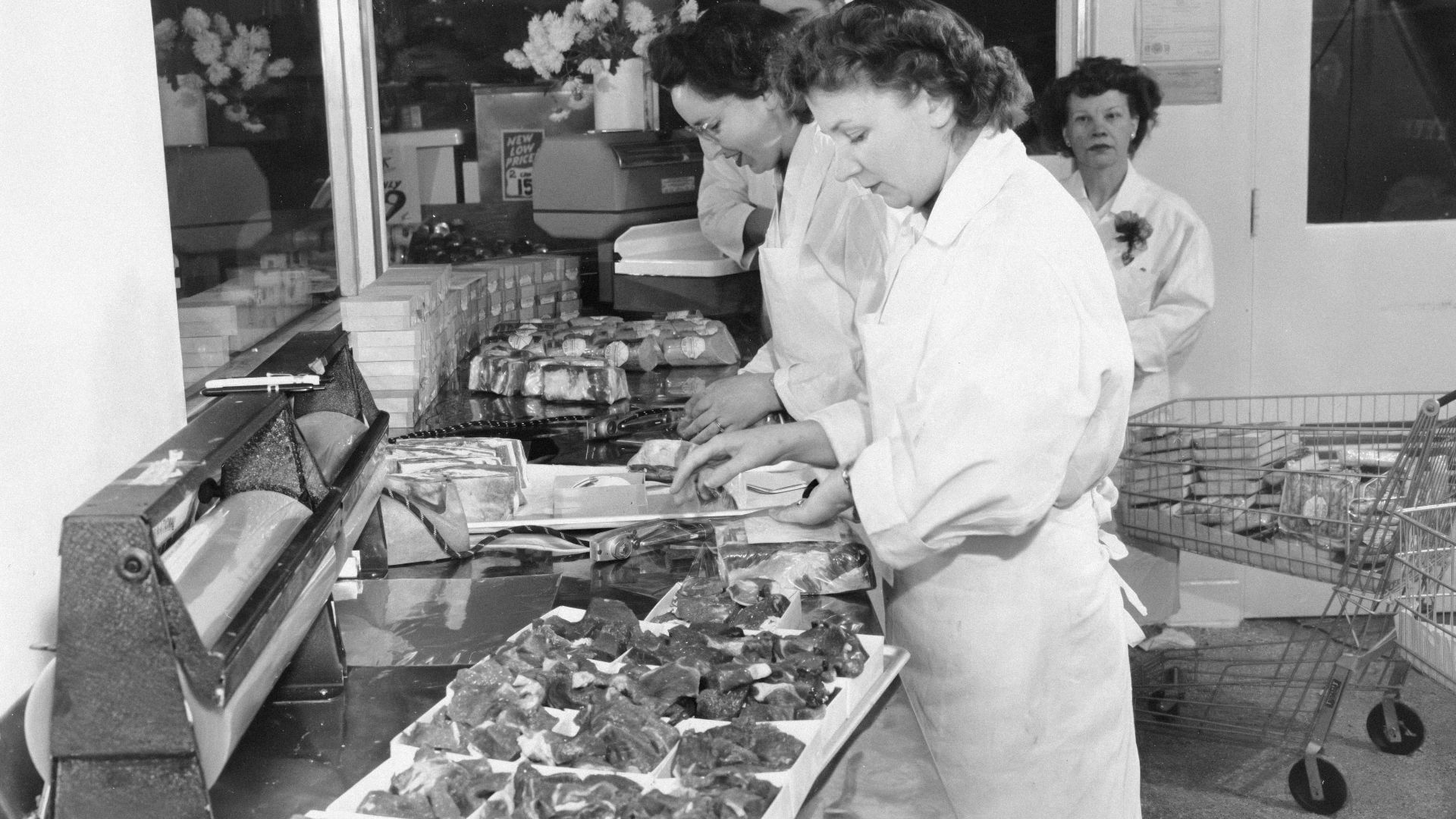
Meat became so expensive that consumers organized a boycott in April 1973. President Richard Nixon imposed ceilings on beef, pork and lamb prices, while the Department of Agriculture reported disrupted markets and uncertainty over future supplies. This was inflation with protest signs, federal price ceilings and a lot of very angry shoppers.
 The Oregon State University Collections and Archives, Unsplash
Getting Gas Became a Whole Ordeal
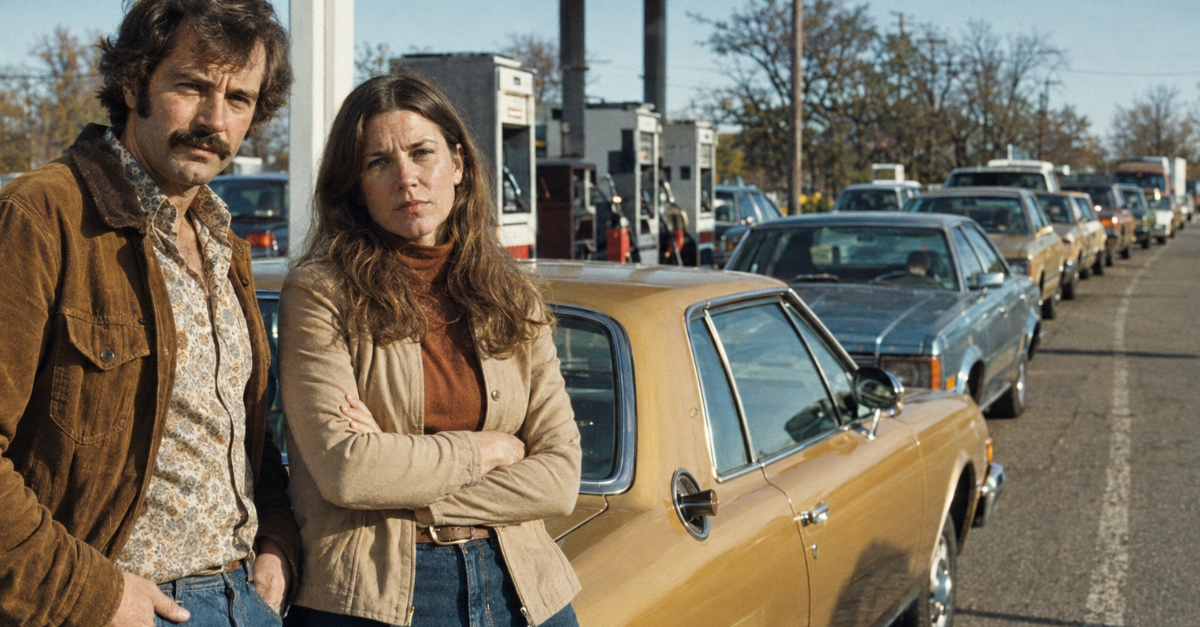
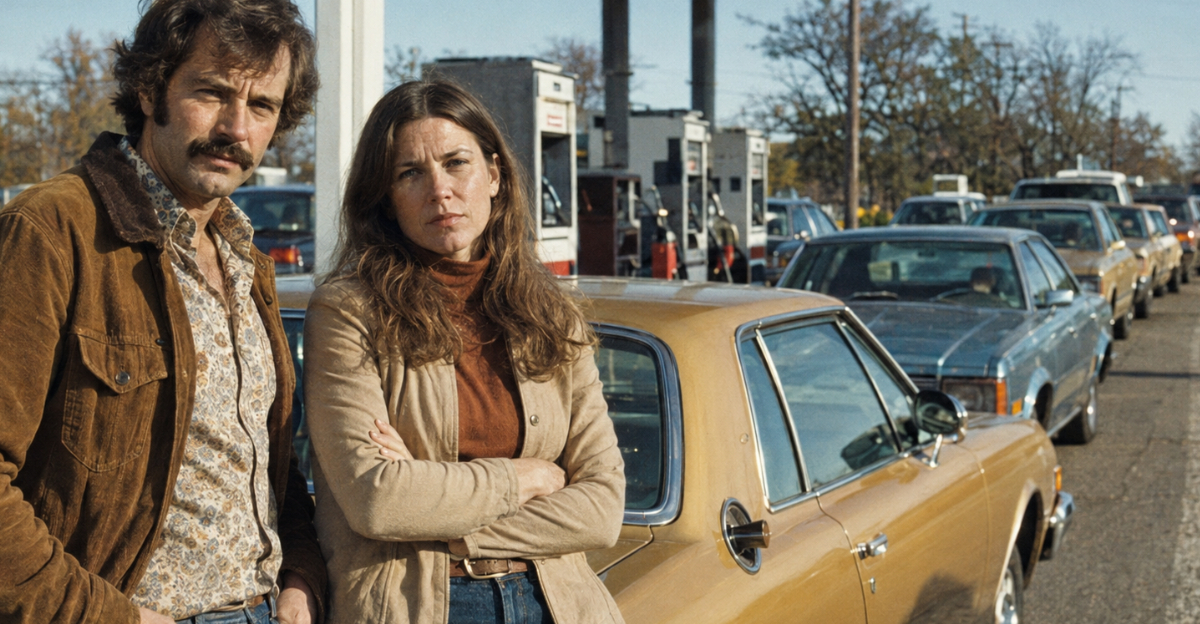
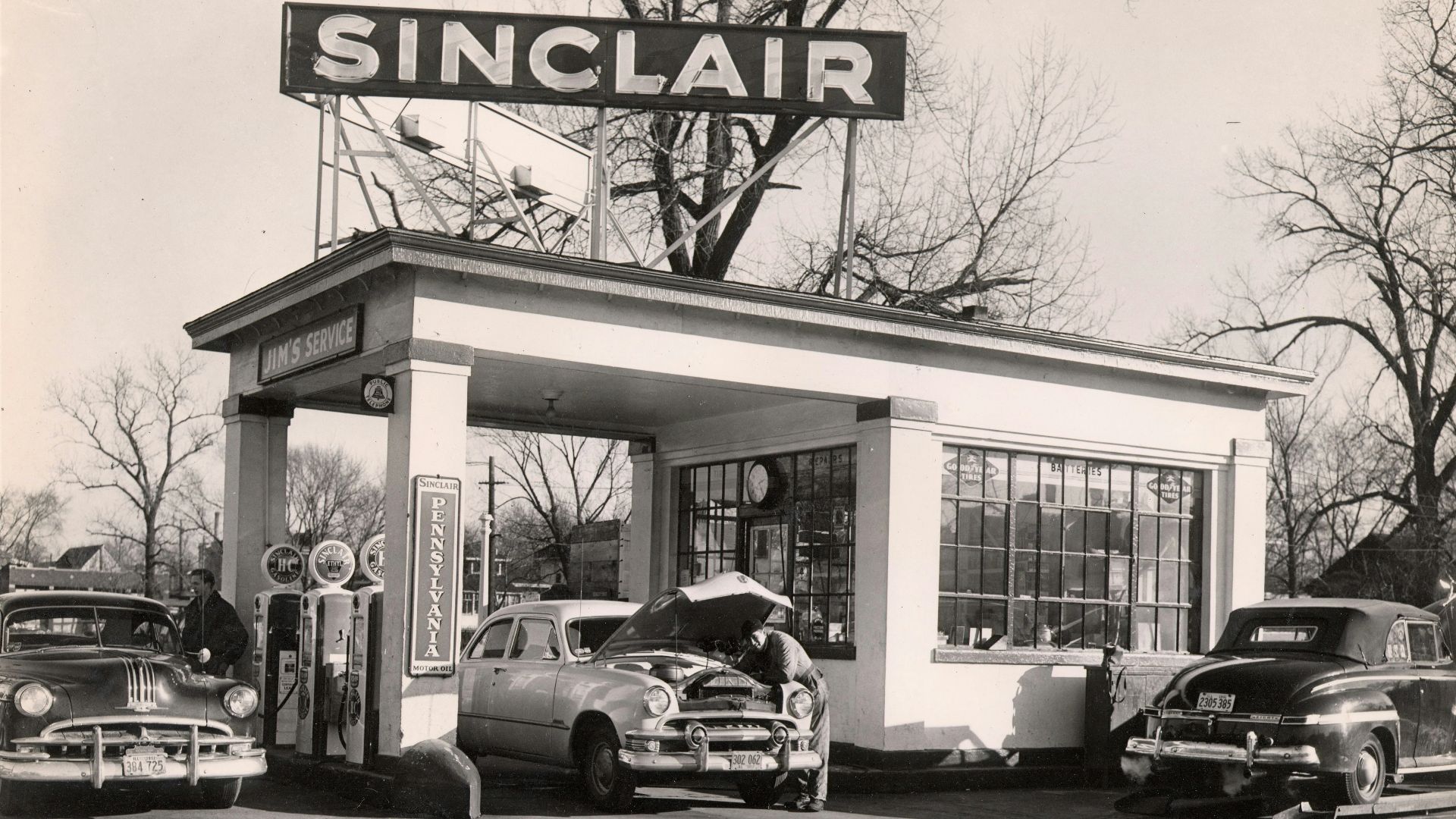
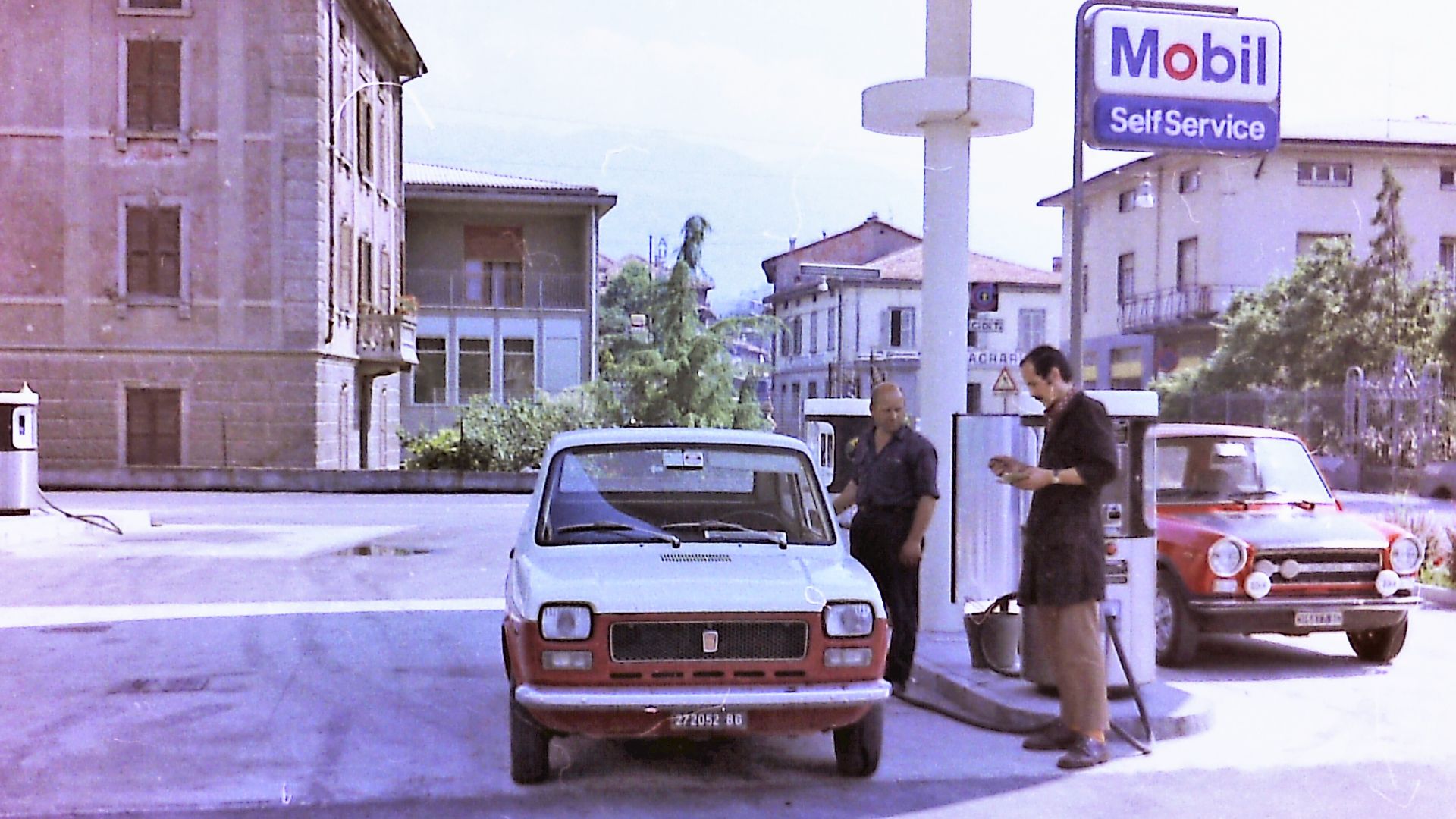
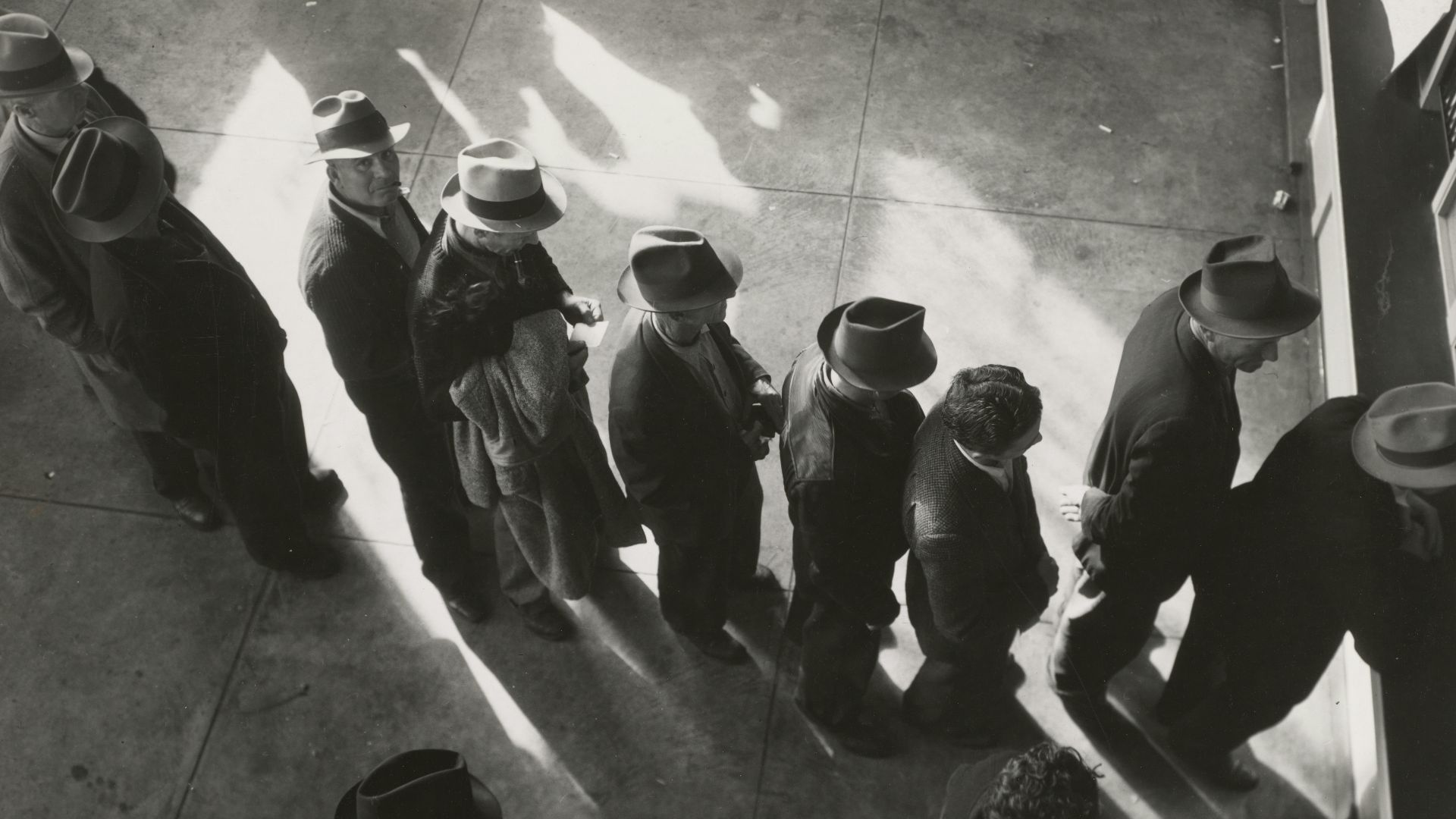
During the energy shortages, drivers waited in long lines without knowing whether the station would still have fuel when they reached the pump. And after the 1973 oil embargo, Sunday station closings became part of the government’s response. Filling the tank suddenly required strategy, patience and a calendar—not to mention a very forgiving boss.
The Day You Bought Gas Could Depend on Your License Plate
Odd-even purchasing rules were used in parts of the country during gasoline shortages. Depending on the final number of a license plate, a driver might only be permitted to buy fuel on certain days. Forget surge pricing. Imagine the pump telling you to come back tomorrow.
The Government Printed 4.8 Billion Gas Coupons
Officials prepared for possible nationwide rationing by printing billions of gasoline coupons. They were never distributed, and in 1984 the government prepared to destroy 4.8 billion of them. Somewhere in storage sat enough unused paperwork to make every printer in America nervous.

Heating the House Became a Budget Crisis
Consumer energy prices surged 37.4% in 1979, then climbed another 18.1% in 1980. Families were not only paying more to drive. They were paying much more for the energy used to heat their homes, run appliances and keep ordinary life functioning.

A Raise Could Still Be a Pay Cut
An 8% raise sounds wonderful until prices rise 13%. Workers could receive bigger paychecks, move into what looked like higher salaries and still afford less than they had the previous year. Inflation turned a congratulatory meeting with the boss into some deeply disappointing mathematics.

Inflation Could Raise Your Taxes Too
Federal income-tax brackets were not indexed for inflation until 1985. Before then, workers could receive raises that merely helped them keep up with prices, get pushed into higher tax brackets and owe more without becoming meaningfully richer. Inflation took the raise, and the tax code came back for seconds.
Savings Accounts Were Not Allowed to Keep Up
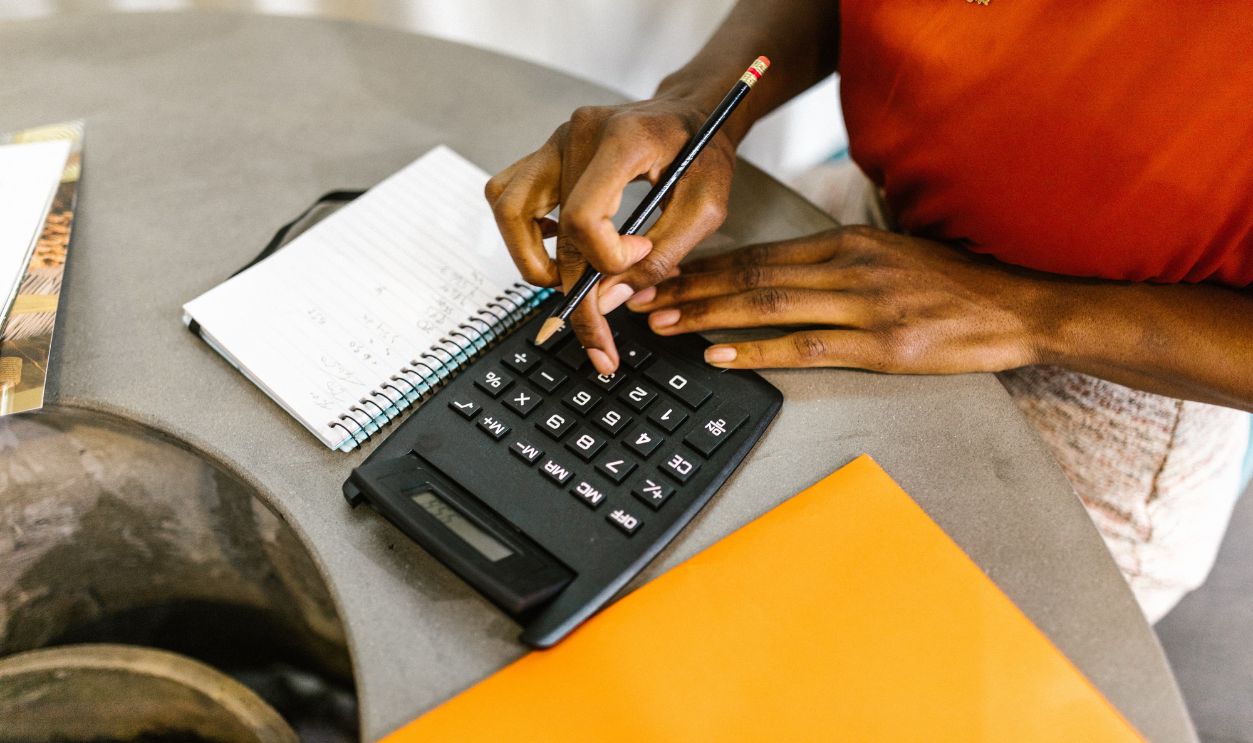
Federal Regulation Q limited the interest banks could pay depositors, even as market rates and inflation soared. Savers began moving money into new money-market mutual funds because those funds could offer returns that traditional bank accounts were legally unable to match.

Your Balance Could Rise While You Got Poorer
Even when savings accounts paid more interest, savers had to compare those gains with inflation running above 10%. The number printed in the passbook could increase while the account’s actual buying power quietly shrank. It looked like progress right up until someone tried spending it.

Mortgage Rates Hit 18.63%
The average 30-year fixed mortgage rate reached 18.63% in October 1981. Today’s buyers are perfectly entitled to hate rates around 6% or 7%, but some older Boomers signed home loans carrying interest rates that looked more appropriate for a credit card.

A Cheap House Could Still Be Unaffordable
Boomers had dramatically lower home prices, which is a major advantage younger buyers do not have today. But a modest sticker price did not guarantee an easy payment when mortgage rates approached 19%. Plenty of buyers could find an affordable house—and still have no affordable way to finance it.

The Prime Rate Hit 21.5%
The bank prime lending rate reached 21.5% in December 1980. That rate helped influence what businesses and many borrowers paid for credit. At that point, borrowing money was not simply expensive. It came with a number that looked like the lender was trying to scare you away.

The Government Tried to Restrain Credit Cards
In 1980, the Federal Reserve launched a program designed to slow consumer borrowing. It covered credit cards, overdraft credit and certain personal loans, with lenders required to place special deposits against increases in covered credit. Inflation had become so serious that Washington was trying to make shopping on credit harder.

Prices Rose While the Economy Struggled
Americans faced stagflation: high inflation mixed with slow growth and unemployment. Things cost more, businesses struggled and workers could not assume asking for a raise was remotely safe. The economy somehow found a way to deliver problems that were not supposed to happen at the same time.

Unemployment Reached 10.8%
The brutal 1981–82 recession pushed unemployment to 10.8% in late 1982. Millions of families had endured years of rapidly rising prices only to see jobs disappear when the Federal Reserve finally applied enough pressure to bring inflation under control.

The Government Froze Wages and Prices
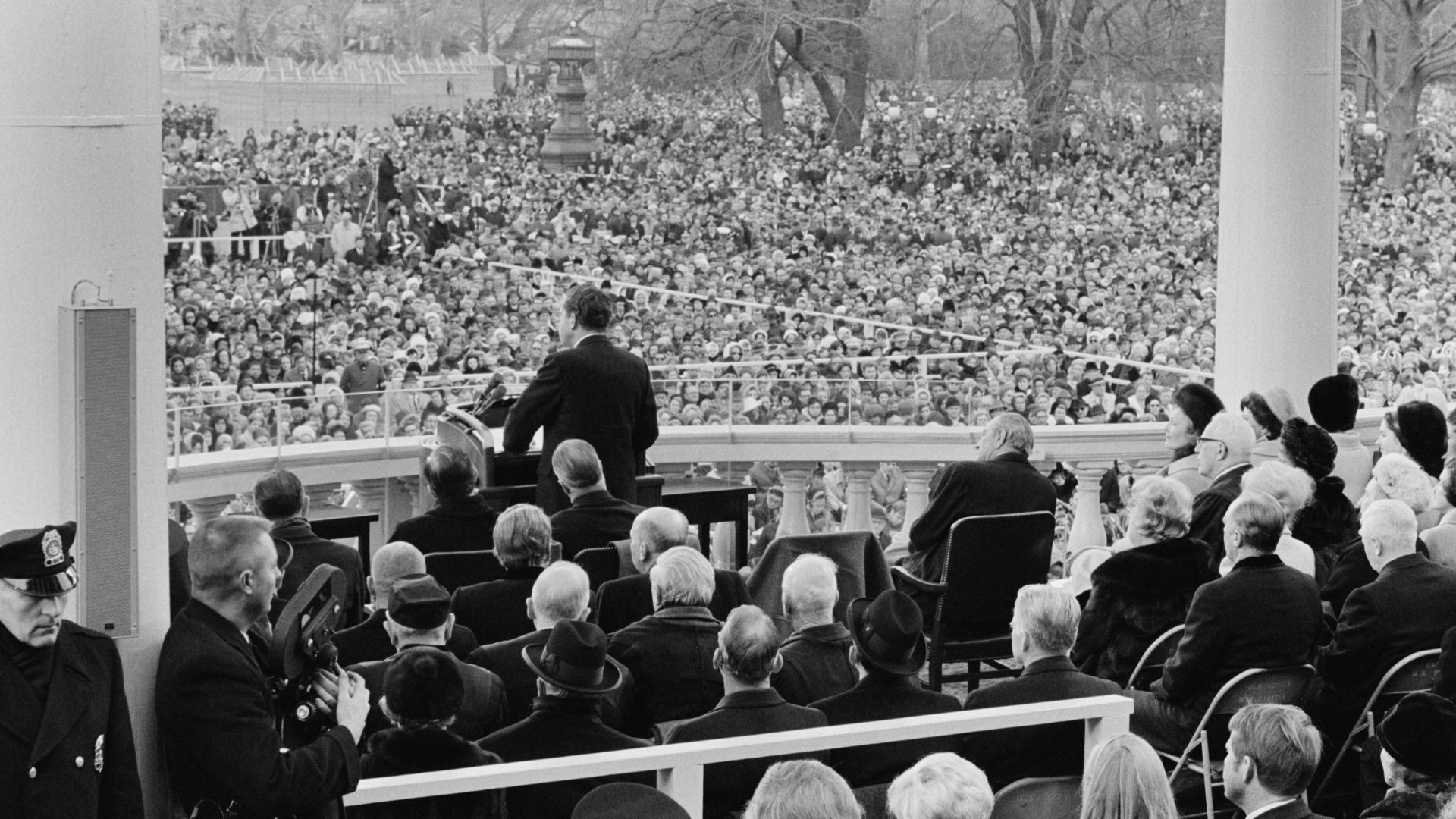
In August 1971, Nixon imposed a 90-day freeze covering prices, rents, wages and salaries. Businesses generally could not raise prices, but employers could not freely raise pay either. Imagine inflation becoming so serious that Washington tried pressing pause on almost the entire economy.
Then the Government Froze Prices Again
The first freeze did not solve the problem. In June 1973, Nixon ordered another temporary freeze on most prices, this time for up to 60 days. When the same emergency idea starts getting sequels, that is usually a sign the original did not exactly stick the landing.
Americans Were Told to Whip Inflation Now
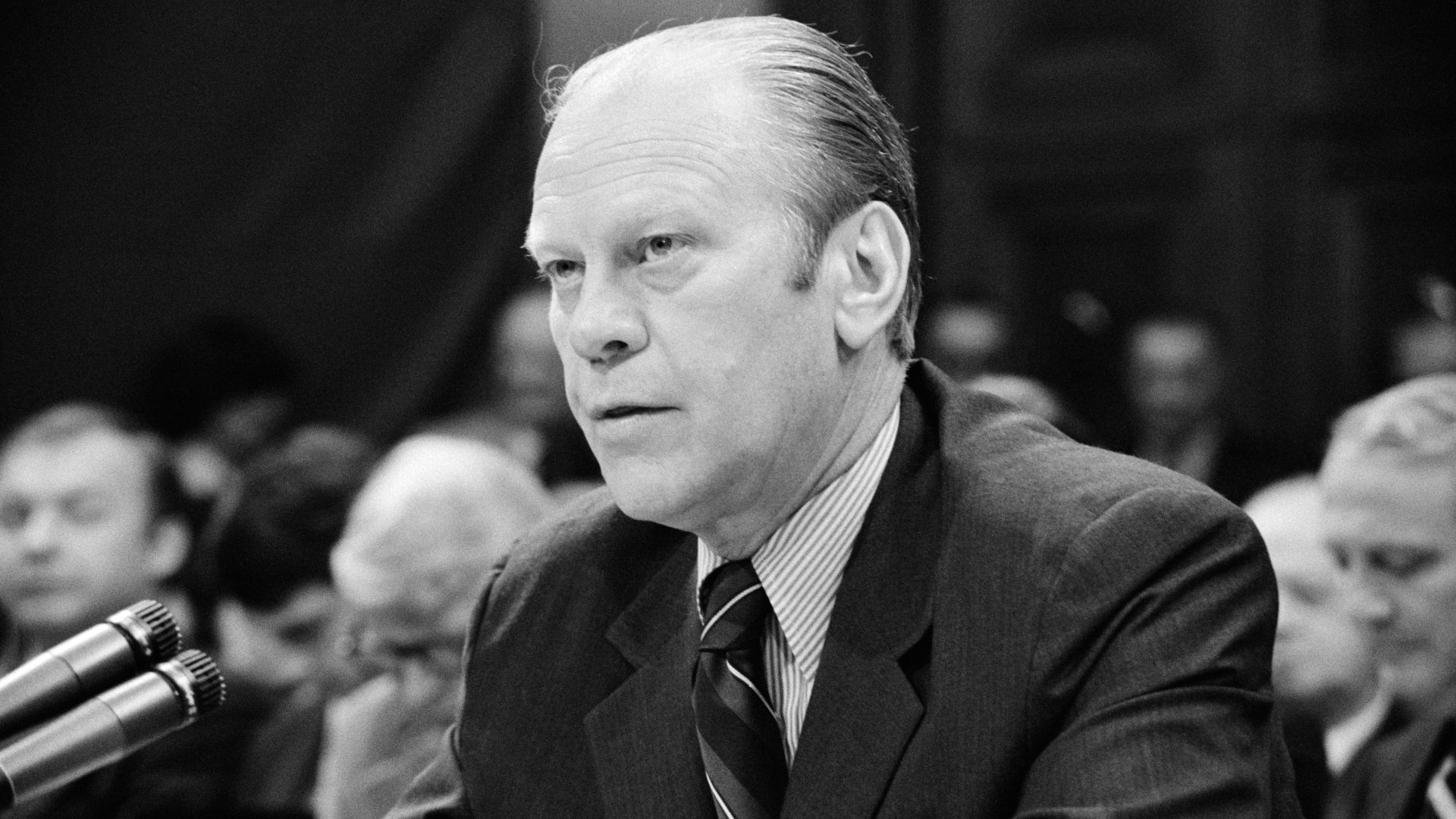
President Gerald Ford launched the Whip Inflation Now campaign and promoted red-and-white WIN buttons. Americans were encouraged to save more, borrow less, conserve energy and make economizing fashionable. Inflation was so entrenched that one official strategy involved asking everyone to spend less while wearing matching accessories.
 Thomas J. O'Halloran, photographer, Wikimedia Commons
Workers Wanted Inflation Written Into Their Contracts
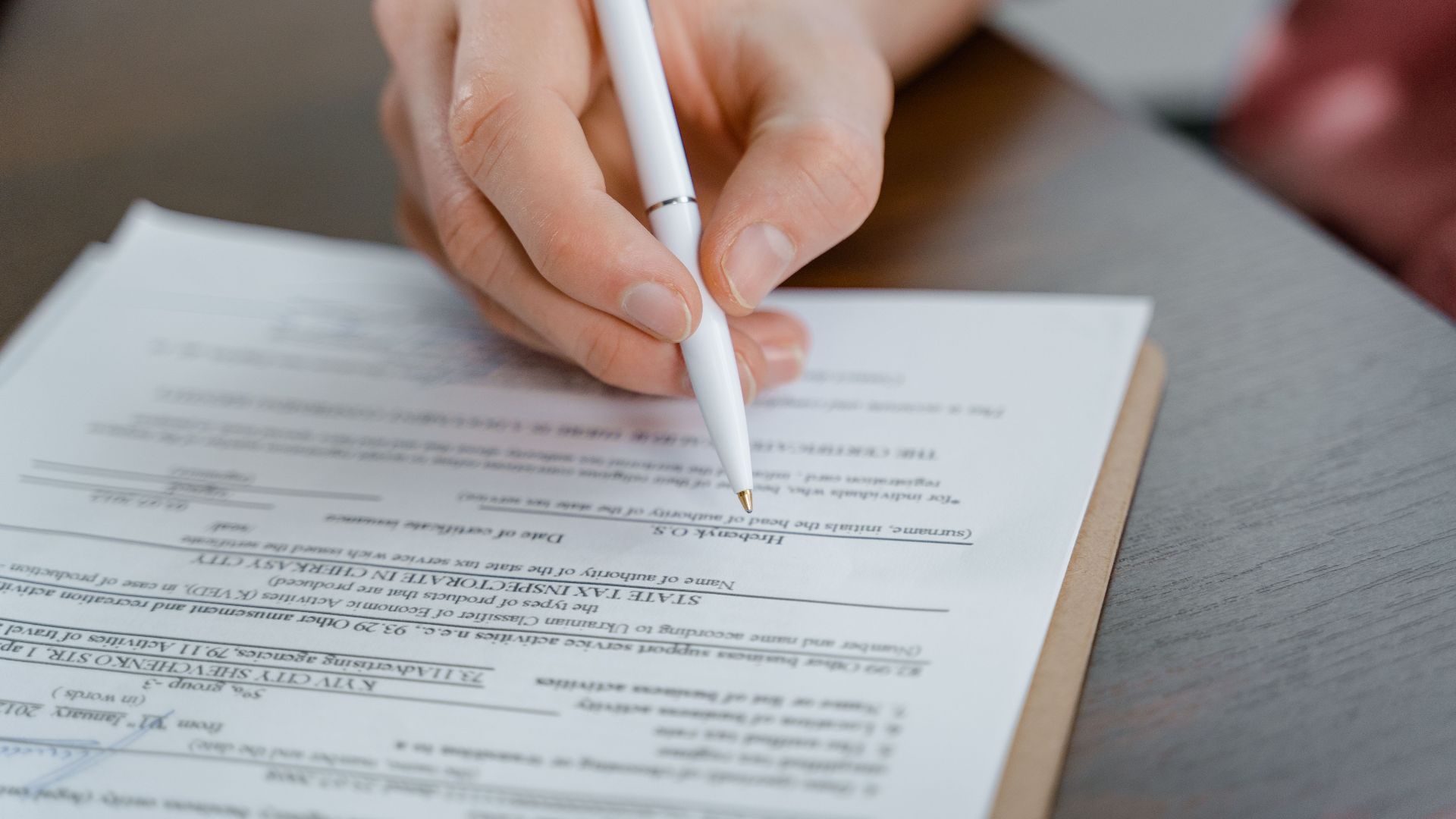
Cost-of-living adjustments became especially valuable because a normal raise could be swallowed before workers received it. Many union contracts and other long-term agreements tied payments to the Consumer Price Index, allowing wages or benefits to rise automatically when prices did.
Waiting Could Make Everything More Expensive
Once Americans became convinced prices would keep climbing, delaying a purchase felt risky. Expectations like that can push people to buy sooner, adding more demand and making inflation even harder to stop. Inflation was no longer just changing prices. It had gotten inside everyone’s head.

The Cure Was Almost as Painful as the Problem
Federal Reserve Chairman Paul Volcker aggressively tightened monetary policy to break inflation. It eventually worked, but it also helped trigger the severe 1981–82 recession. Housing weakened, factories cut jobs and unemployment soared. The medicine did its job. Almost nobody enjoyed taking it.
 The New York Public Library, Unsplash
Today’s Inflation Was Bad—Theirs Was Worse
The recent inflation surge peaked at 9.1% in June 2022, the largest 12-month increase since 1981. That was painful enough to rearrange household budgets, but it still did not match the Great Inflation’s peak above 14% or its three straight years of double-digit annual increases.

But Millennials Have Their Own Problem
Boomers endured worse inflation rates, but Millennials face home prices, tuition costs and other affordability problems that did not rise in exactly the same way. A Boomer could eventually refinance an 18% mortgage. A younger buyer cannot refinance the price they paid for the house.

Boomers Win This Round
Millennials do not need a lecture every time they complain about grocery prices. But when the argument is strictly about inflation, Boomers have some convincing receipts: double-digit price increases, meat boycotts, gas lines, ration coupons, government wage controls, 21.5% prime rates and a recession required to stop it all.

You Might Also Like:
If you own a one-million-dollar home, this is how much it will be worth in 10 years (in each state).