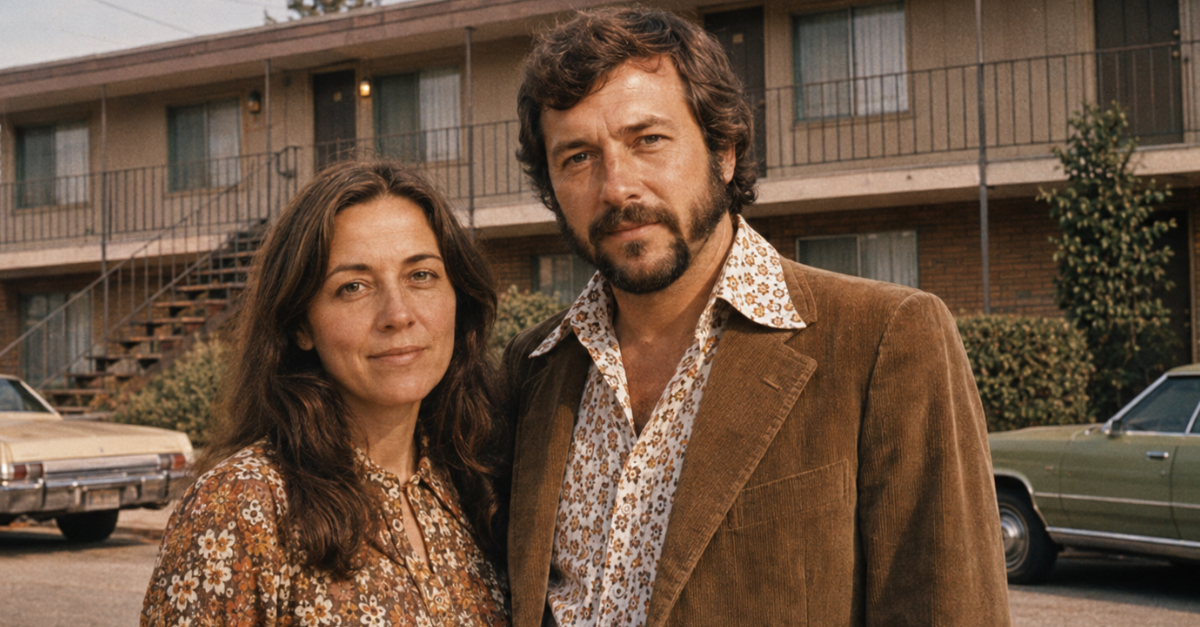
Rent Was Cheaper. The Rules Were Not Kinder.
People love to talk about how cheap rent was when Baby Boomers were young, which is fair, because the numbers can look ridiculous today. But the part that gets skipped is the rulebook. Renting back then could mean dealing with landlord behavior that would now send people straight to screenshots, housing complaints, and possibly a lawyer.
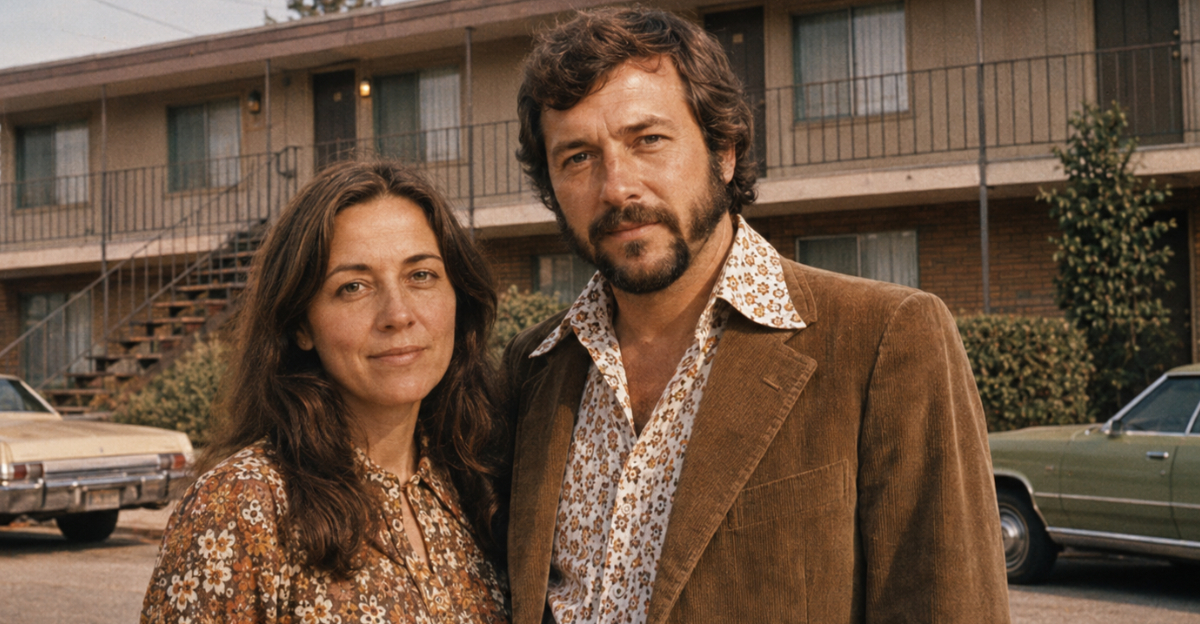
The Rental Market Was A Different Animal
This does not mean every landlord did all of this, or that every state had the same rules. Landlord-tenant law has always been a messy patchwork. But modern tenant protections were still being built when Baby Boomers were renting, and in many places, landlords had a lot more room to behave badly.

Refuse To Rent To Someone Because Of Race
For older Baby Boomers entering the rental market before the Fair Housing Act of 1968, federal housing law did not broadly ban racial discrimination in rentals the way it does now. In many situations, a landlord could openly reject someone because of race. Today, that sounds so obviously illegal that it barely feels real.
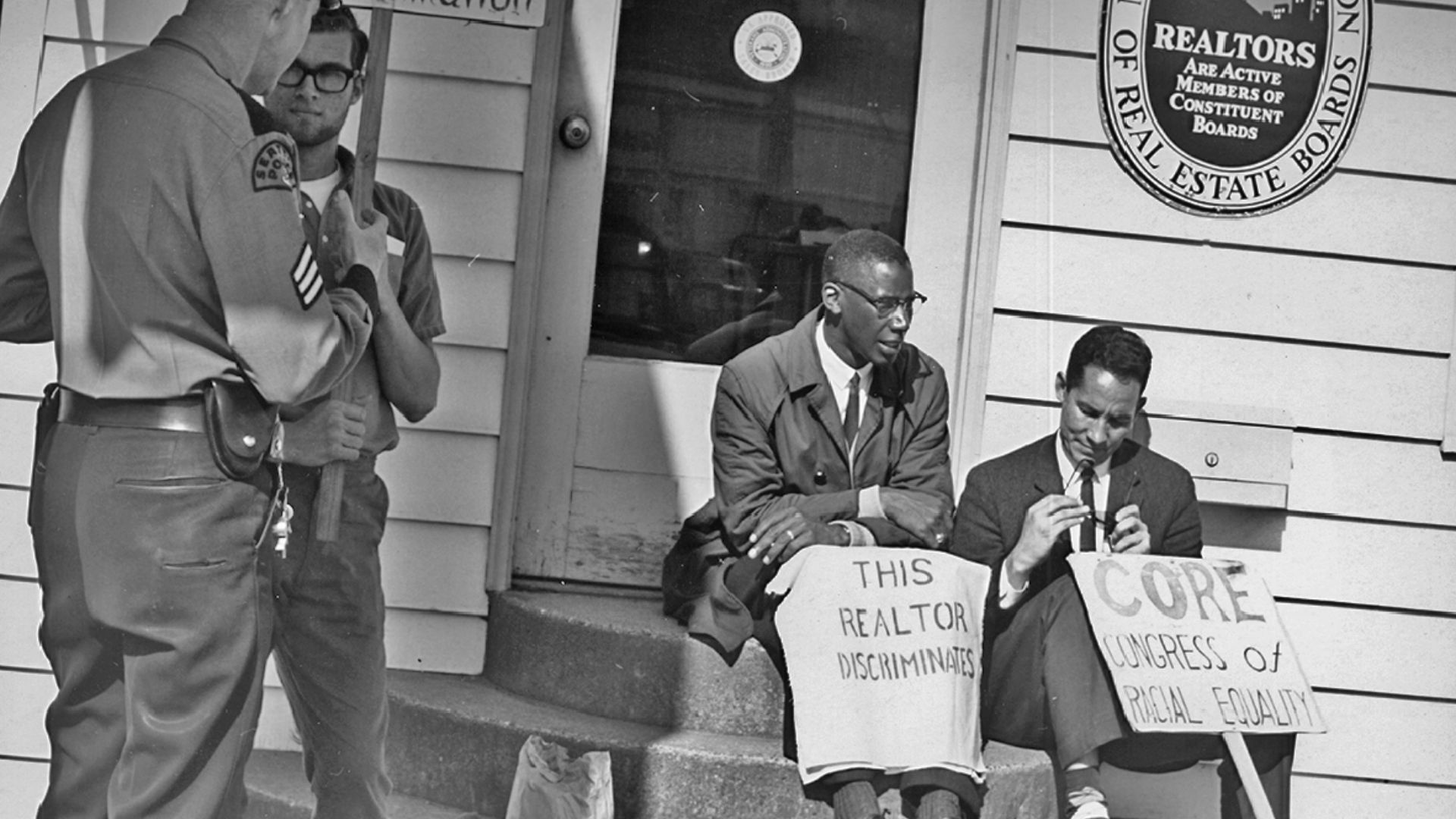 Seattle Municipal Archives from Seattle, WA, Wikimedia Commons
Rent Out Places That Would Fail Today’s Habitability Test
The idea that a rental has to be safe and livable sounds like the lowest possible bar. Congratulations, the apartment is not a medieval punishment chamber. But the modern implied warranty of habitability developed over time. In many places, tenants once had fewer tools when the apartment itself was the problem.

Put Discriminatory Ads Right In The Newspaper
A landlord did not always have to whisper the ugly part. Housing ads could say the quiet part in print, especially before certain protected classes were added. Today, discriminatory rental ads can violate federal law. Back then, many renters saw the problem before they even got to the address.
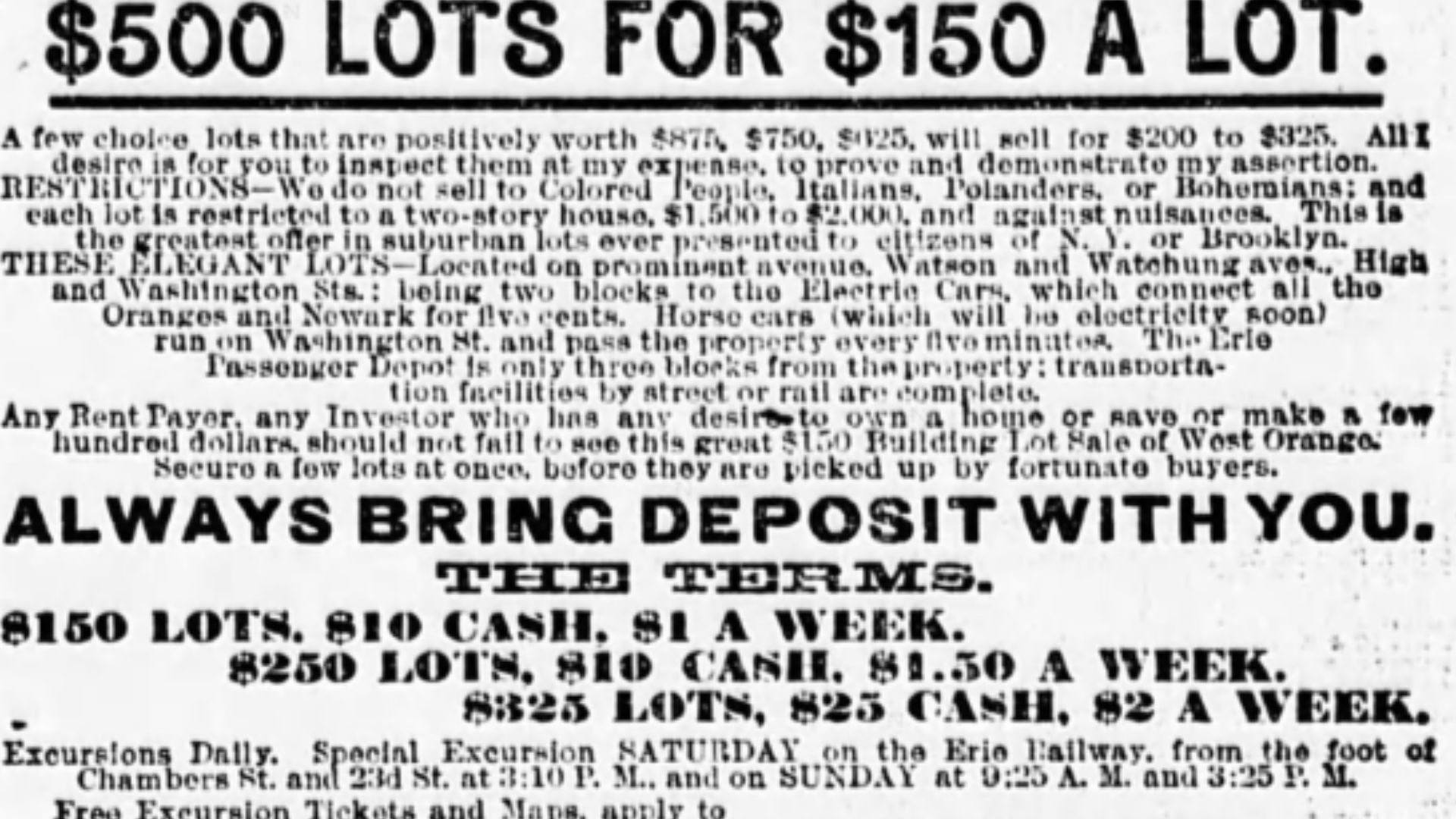 New York Herald, Wikimedia Commons
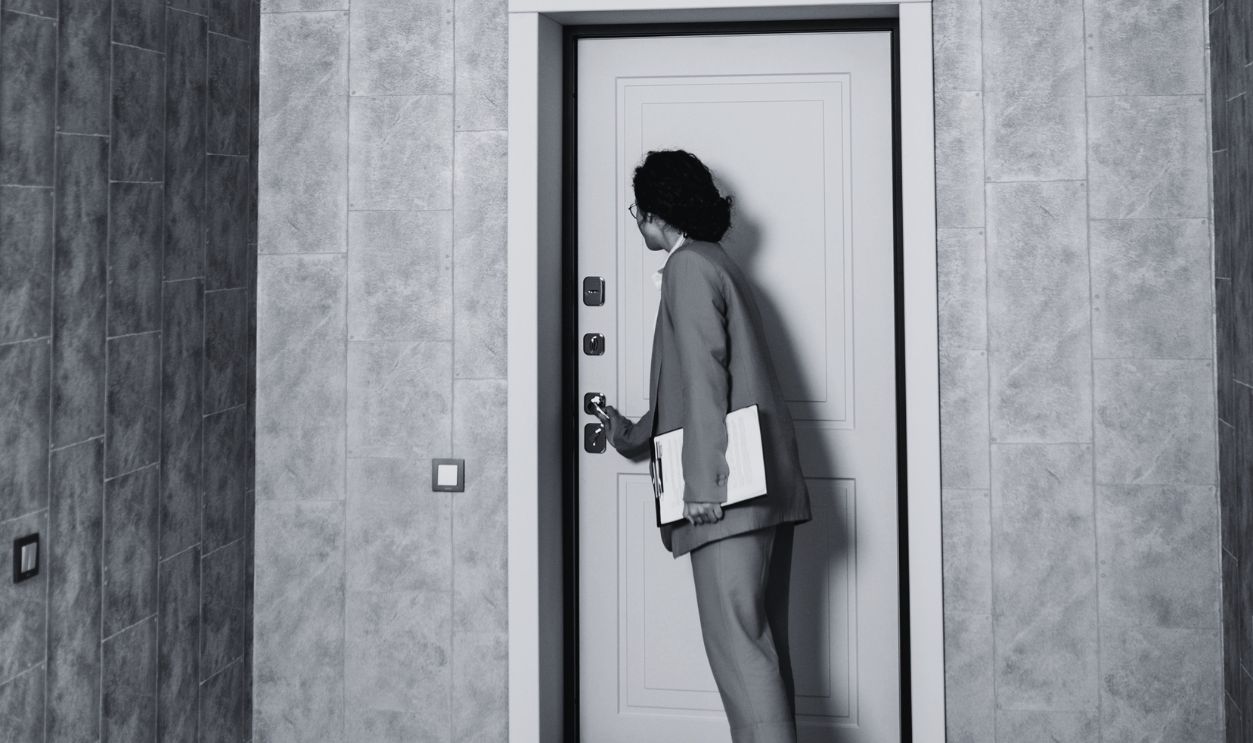
Enter The Apartment With Fewer Privacy Limits
A landlord having a key to your apartment is already unsettling if you think about it too long. Today, many states limit when landlords can enter, with rules around notice, emergencies, and reasonable hours. Earlier renters in many places had weaker privacy protections, which made that key feel a lot less theoretical.
 Alena Darmel, Pexels, Modified
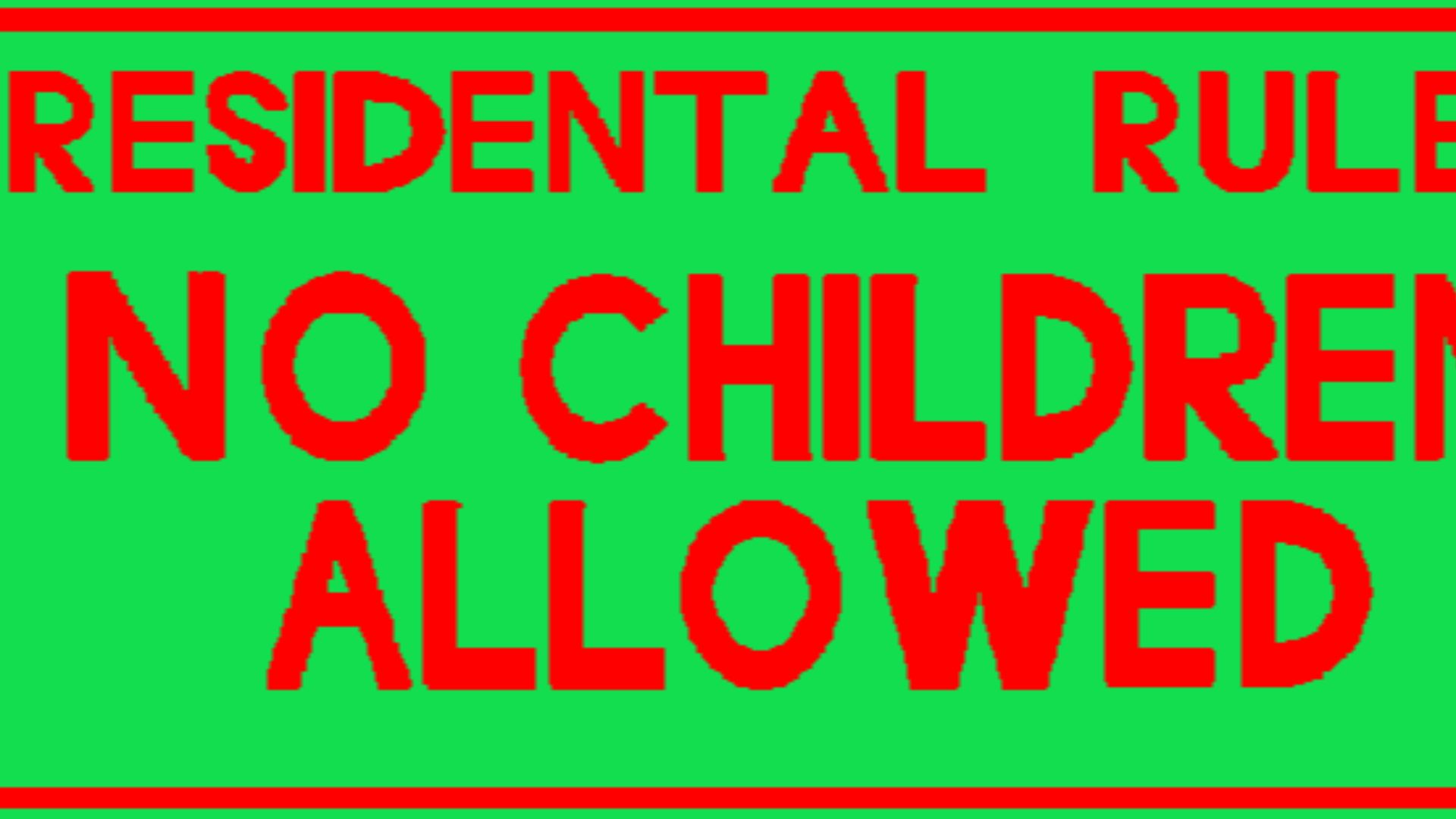
Say “Adults Only” For Ordinary Apartments
Before familial status became federally protected in 1988, ordinary landlords had far more room to keep children out of rental housing. So yes, “adults only” was not just a resort-pool vibe. It could be someone’s apartment search. Imagine being rejected because your kid existed. Or, as the next one shows, because the landlord thought one might be on the way.
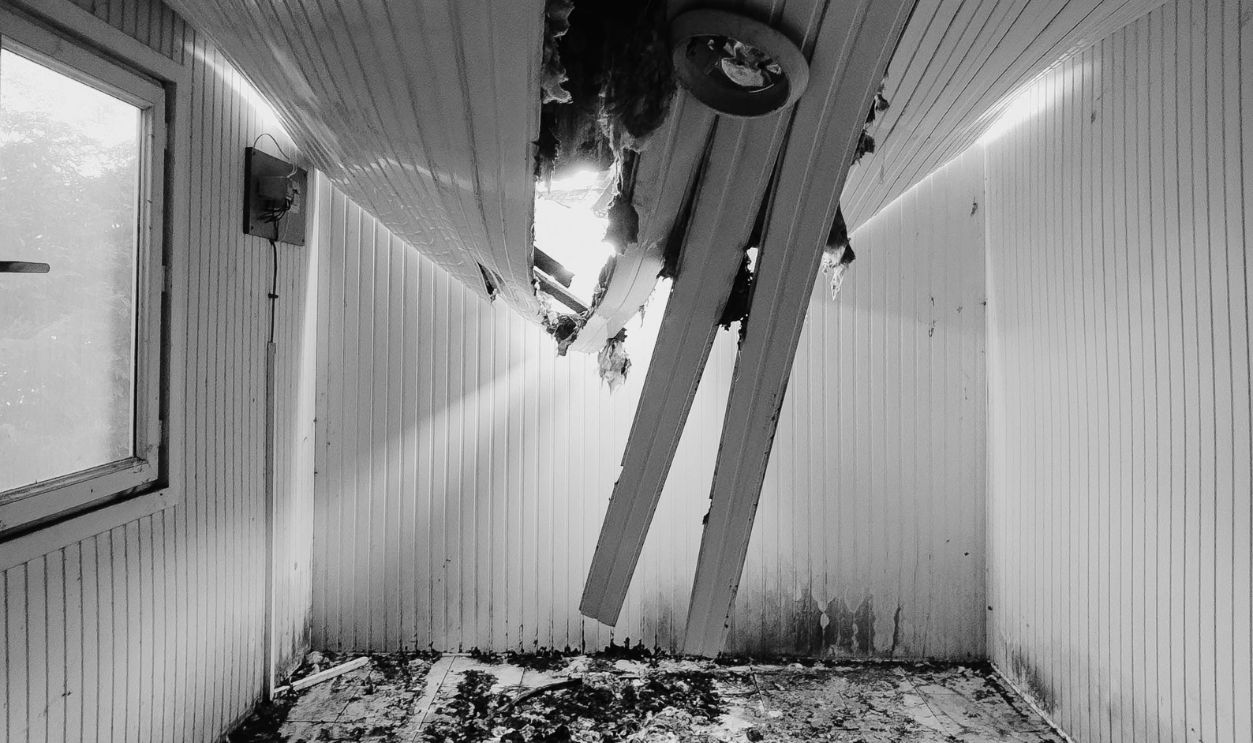
Treat Repairs Like A Tenant Problem
Today, renters usually expect landlords to handle basic repairs because that is the whole point of renting instead of owning. But older landlord-tenant law was not always so tenant-friendly. If the heat failed, the sink leaked, or the place was falling apart, forcing action could be much harder.
 Halil Ibrahim CETIN, Pexels, Modified
Treat A Pregnancy Like A Rental Problem
Imagine applying for an apartment while pregnant and having the landlord see not a tenant, but a future noise complaint. That sounds cartoonishly awful now. But before stronger familial-status protections, landlords had more room to discriminate against households that included—or were about to include—children.
 Alena Darmel, Pexels, Modified
Reject Women More Easily
Gender was not part of the original 1968 Fair Housing Act. It was added in 1974. So early Baby Boomer renters came into adulthood when federal fair housing law still did not offer the same gender-discrimination protection it does today. That is not exactly a charming little detail from the good old days.
 Kampus Production, Pexels, Modified
Demand Bigger Deposits With Fewer Limits
Today, security deposit rules vary by state, but renters are used to at least some limits, deadlines, and itemized deductions. Earlier renters in many places faced a looser system. A landlord holding your money hostage was not exactly a rare genre. It was practically a business model with carpeting.
 Pavel Danilyuk, Pexels, Modified
Act Like A Husband Was The Real Applicant
For younger renters, it sounds bizarre that a woman’s application could be treated as less serious unless a husband was attached. But the broader credit and screening world used to be much more comfortable with exactly that kind of thinking. The apartment was for her, but somehow the imaginary man still mattered.
 Anastasia Shuraeva, Pexels, Modified
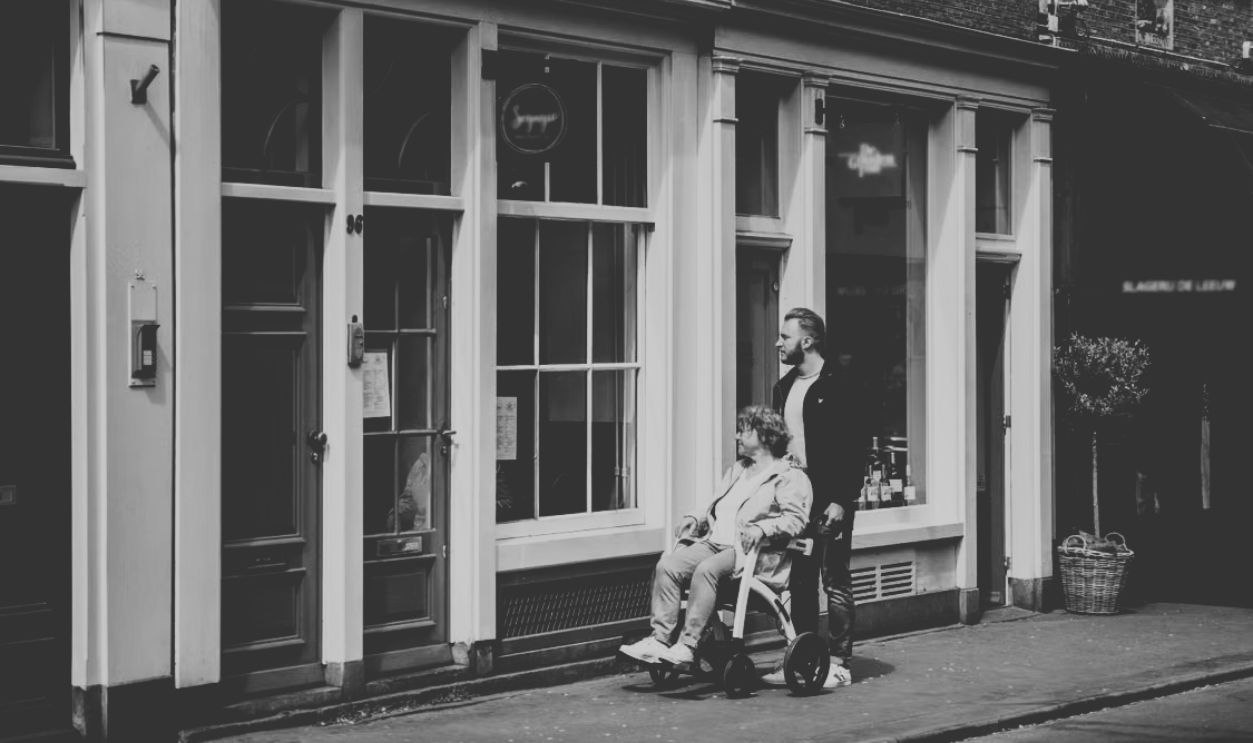
Refuse Disabled Renters With Far Fewer Consequences
Disability was not added to federal fair housing protections until 1988. Before that, landlords had much more room under federal law to reject disabled renters or treat accessibility needs as someone else’s problem. Today, that sounds like an obvious lawsuit. Back then, too often, it was just how the market worked.
 Rollz International, Pexels, Modified
Use Leases Packed With One-Sided Terms
Modern leases still have plenty of “wait, I signed what?” energy. But earlier renters often faced contracts with fewer standardized protections. Before reforms spread, a lease could feel less like an agreement and more like a trap with rent due on the first and all the exits marked “too bad.”
 RDNE Stock project, Pexels, Modified
Say No To Reasonable Accommodations
Today, a reasonable accommodation is not supposed to be treated like a strange personal favor. It is part of fair housing law. But before federal disability protections, many landlords had more ability to shrug and say the building was the building. Very helpful, in the way a screen door on a submarine is helpful.
Keep Deposits Without Clear Itemized Deductions
Today, many tenants know to ask for an itemized list if money is taken from the deposit. “Cleaning: all of it” is not supposed to be the entire accounting department. But older renters often had fewer clear statutory tools. If a landlord decided the deposit was magically gone, fighting it could be exhausting.
 RDNE Stock project, Pexels, Modified
Hide Behind Old “You Took It As Is” Thinking
A lot of old rental thinking was basically: you saw the place, you took the place, now enjoy the consequences. That may work for buying a weird antique chair. It is a terrible way to handle someone’s actual home, especially when rent is still due on the first.
Retaliate Against Complaining Tenants More Easily
Today, many places restrict landlords from retaliating when tenants complain or assert their rights. Earlier renters could be much more vulnerable to the classic landlord message: complain about the heat, and suddenly your lease renewal disappears like socks in a dryer. The law did not always give tenants much backup.
Screen Tenants With Less Transparency
Modern tenant screening is still messy, but renters now have more rights when consumer reports are used. Earlier renters had less transparency in that world. Secret files deciding where you lived were a serious problem long before the law fully caught up, which is comforting in absolutely no way.
 Gustavo Fring, Pexels, Modified
Refuse To Renew Without Much Explanation
A lot of renters born after 2000 already know housing can feel unstable. But older rules could make that instability even worse. Depending on the lease and location, landlords often had broad power to simply not renew. No dramatic villain monologue. Just a notice, a deadline, and the tenant scrambling.

Ask Questions That Would Set Off Alarms Today
Modern landlords still ask plenty of intrusive questions, but fair housing rules now make certain categories radioactive. Questions about kids, pregnancy, disability, religion, or whether someone is the “right kind” of tenant can create legal trouble. In earlier decades, those questions could be asked more casually, as if housing were a private club.
 Vitaly Gariev, Pexels, Modified
Steer Renters Toward Or Away From Certain Buildings
Steering sounds softer than it is. A landlord does not have to say “you cannot live here” if they simply guide certain renters somewhere else. Modern fair housing law recognizes that. Earlier renters had fewer tools to challenge it, especially when it came wrapped in a fake-friendly “you’d be happier over there.”
 Pavel Danilyuk, Pexels, Modified
Get Away With “That’s Just How We Do It”
That may be the biggest difference. Today, a tenant can screenshot the ad, search the law, file a complaint, call legal aid, or post the story. Baby Boomers renting in earlier decades often did not have the same legal structure, paper trail, or public pressure machine. Bad behavior had more places to hide.
 cottonbro studio, Pexels, Modified
The Shocking Part Is How Recent It Was
The wildest part is how recent some of this was. The Fair Housing Act passed in 1968. Gender was added in 1974. Disability and familial status came in 1988. A lot of modern renter rights were not handed down from ancient wisdom. They were built while Baby Boomers were already adults.
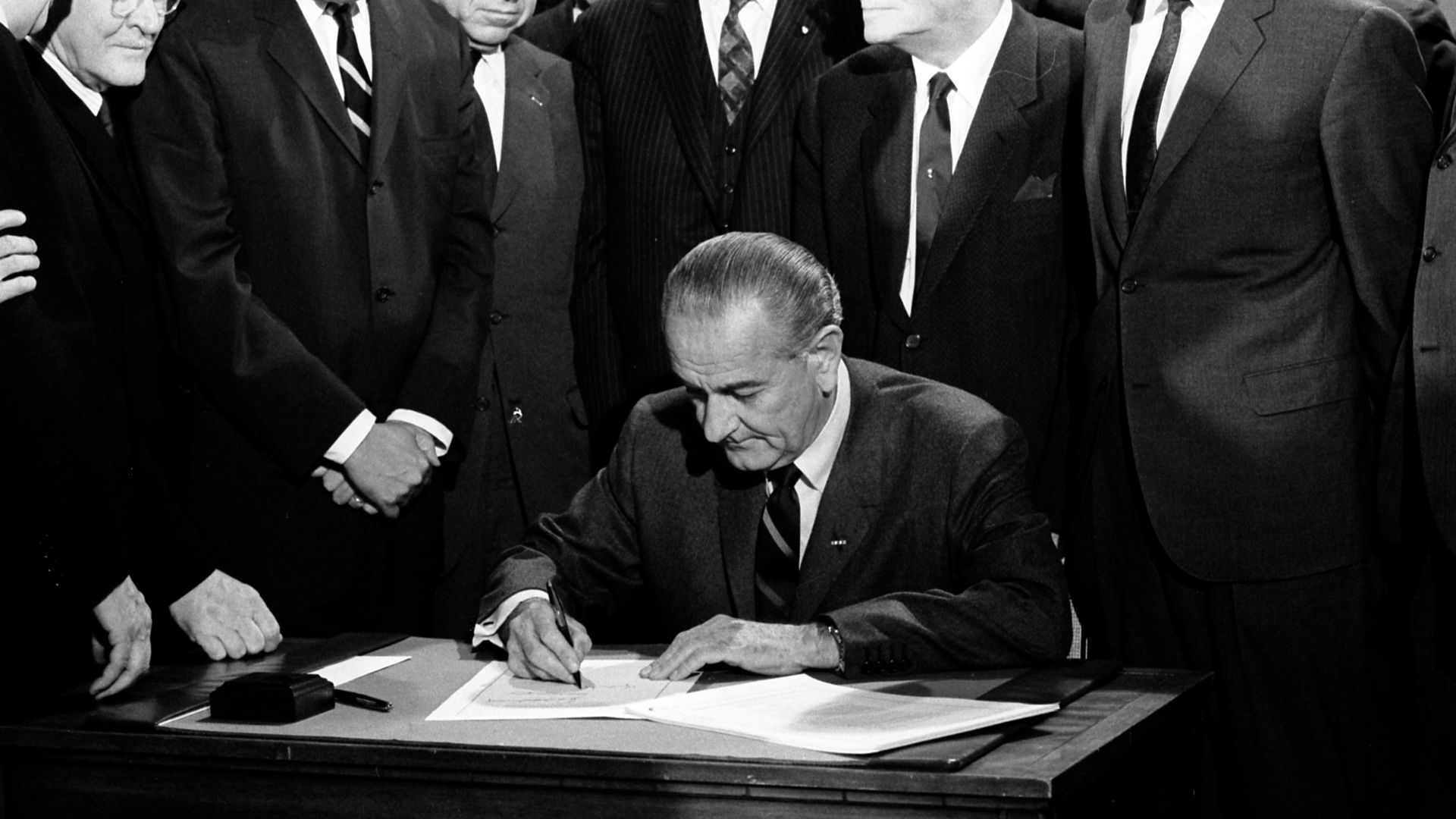 Warren K. Leffler, U.S. News & World Report, Wikimedia Commons
You Might Also Like: