
The Family Loan Nobody Wrote Down
Your father helped one child buy a house, apparently expecting the money back. The trouble is that nobody wrote “loan” on anything. Now he has died, siblings are looking at the estate, and everyone remembers the arrangement differently. Welcome to probate, where family memories suddenly become remarkably confident.
The Short Answer Is Maybe
An estate can potentially collect money that was genuinely owed to the deceased. But an executor generally cannot turn an old gift into a loan simply because doing so would make the inheritance seem fairer. The central question is whether a legally enforceable debt actually existed.
Start With What Dad Intended
The first issue is what your father intended when the money changed hands. Did he expect repayment, or was he helping his child get established? Calling something “help with the house” tells you surprisingly little. The circumstances surrounding the transfer become extremely important when formal paperwork is missing.

A Missing Promissory Note Hurts
A signed promissory note stating the principal, interest rate, payment schedule, and due date would make everyone's life easier. Without one, the estate has a much harder evidentiary job. Still, the absence of a formal note does not necessarily prove that the transfer was a gift in every state.
 Glenn Carstens-Peters, Unsplash
Hunt For The Paper Trail
Before anybody starts arguing around the Thanksgiving table, gather records. Look for checks, wire-transfer descriptions, emails, texts, letters, bookkeeping notes, mortgage paperwork, tax records, and bank statements. Even an old message saying, “I'll start paying you back next year,” could become significant evidence of the arrangement.

Repayments Can Be Powerful Evidence
Did the child ever send Dad $500 every month? Did those payments suddenly stop? A history of repayments makes the loan argument much stronger because the parties themselves behaved as though a debt existed. Regular payments are rather difficult to explain as spontaneous monthly presents to Dad.
Look For Interest Payments Too
Interest can also help establish that the transaction behaved like a real loan. Federal tax law recognizes intra-family loans and contains special rules for certain loans carrying little or no interest, including potential imputed-interest consequences. In other words, Uncle Sam already knows families lend each other money.

Dad's Tax Returns May Tell A Story
Ask the estate's accountant to review the relevant tax returns. If your father reported interest income connected with the transaction, that supports the loan theory. On the other hand, a federal gift-tax return identifying the house money as a gift could provide substantial evidence pointing in the opposite direction.
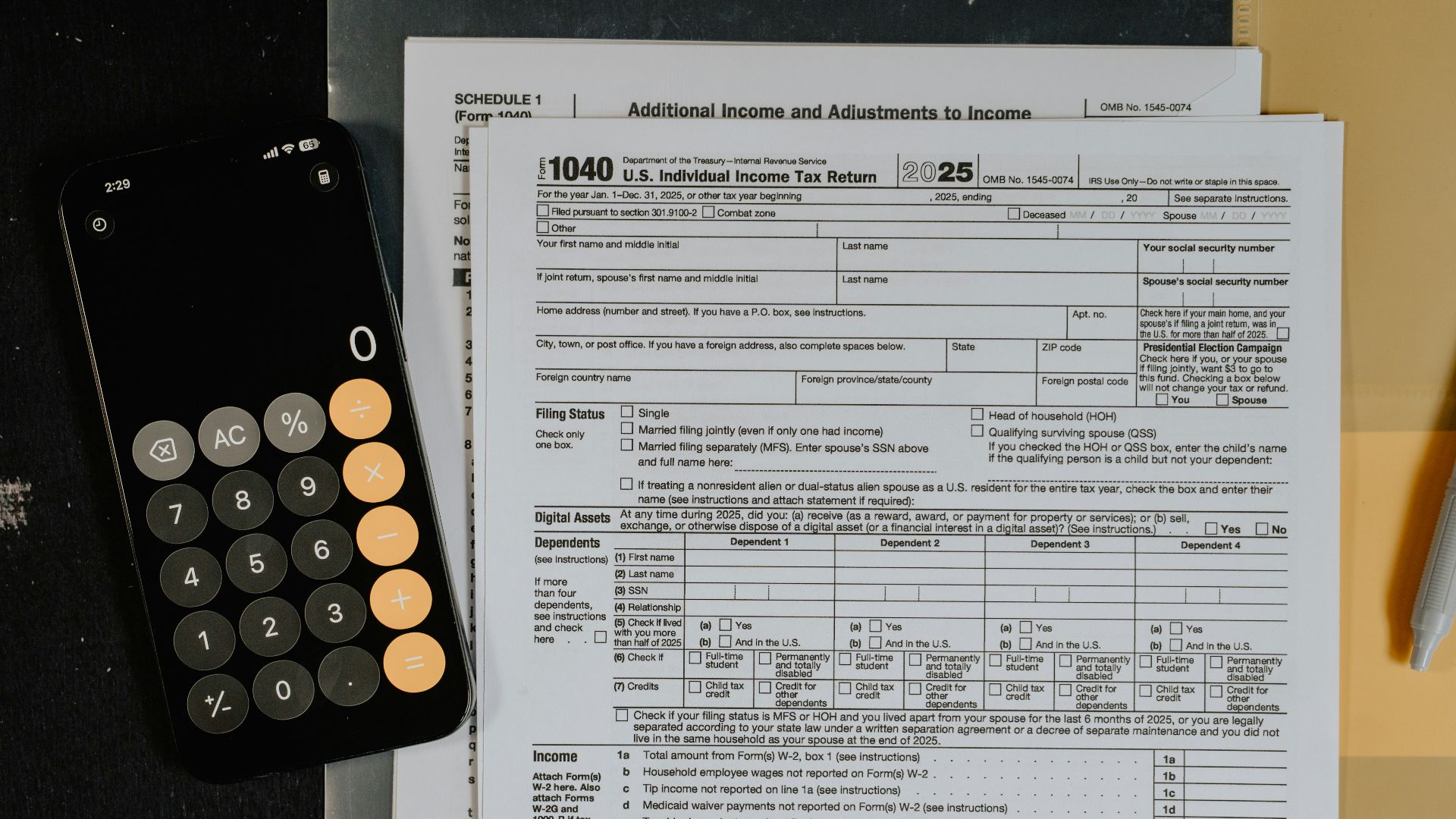
Check For Form 709
Large lifetime gifts sometimes require the donor to file federal Form 709 even when no gift tax is ultimately payable. The IRS says transfers for less than full consideration can constitute gifts, and the annual federal gift-tax exclusion is $19,000 per recipient for 2026.

Tax Treatment Is Not Everything
Don't assume a tax form automatically settles the probate dispute. Federal tax classification and state contract or probate law are separate legal questions. Still, what your father told the IRS can be compelling evidence of what he believed he was doing when he handed over the money.
Was The Money Secured?
Check the property's title records as well. A traditional family mortgage might have been recorded against the house even if nobody remembers the details. If your father held a mortgage, deed of trust, or other recorded lien, the estate's position becomes considerably clearer—and the discussion changes dramatically.

Do Not Confuse A Loan With An Advancement
Here is an important distinction. A genuine loan means the child owes money to Dad's estate. An “advancement,” meanwhile, generally means Dad made a lifetime gift that should count against that child's eventual inheritance. Those are two different legal theories with different requirements.

Advancements Can Require Writing
Under the Uniform Probate Code approach used by a number of states, a lifetime gift is treated as an advancement against an heir's intestate share only when the required written evidence exists—such as a contemporaneous writing from the deceased or a written acknowledgment from the heir.

That Rule Can Surprise Families
Imagine Dad gave one daughter $150,000 for a down payment and repeatedly told everyone, “She already got part of her inheritance.” If he never documented that intention, a state's advancement statute may prevent the executor from simply subtracting $150,000 from her intestate share later. Fairness and probate law are not always identical.

The Will Could Change Things
Next, read the actual will or trust carefully. Dad might have included language addressing loans, lifetime gifts, advances, or unequal distributions. A clause directing the executor to account for certain lifetime transfers could materially affect the result. Never analyze the house payment without first analyzing the estate documents.

Genuine Debts Are Different
Where an enforceable debt really exists, probate law can allow it to affect what the debtor-heir receives. The Uniform Probate Code, for example, specifically recognizes debts owed to a deceased person and provides that such a debt is charged against the debtor's intestate share rather than everybody else's.

But First You Need A Debt
That last point is crucial. A rule explaining how an heir's debt affects inheritance does not magically create the debt. The estate still needs enough evidence under applicable state law to establish that the original transfer was actually repayable rather than a completed gift.

Timing Could Cause Another Problem
Even a genuine loan can become difficult to collect if too much time has passed. Every state has limitation periods governing contract claims, and the applicable deadline can depend on whether an agreement was written or oral, when repayment became due, and whether later payments or acknowledgments affected the clock.

Do Not Invent Documents Afterward
The executor should never “clean things up” by creating paperwork that pretends Dad signed or agreed to terms he never actually approved. Instead, preserve the evidence exactly as it exists. Estate disputes are difficult enough without turning questionable documentation into an entirely new legal problem.
 Andrii Iemelianenko, Shutterstock
Talk To The Child Who Received It
Sometimes the fastest evidence comes from the recipient. Perhaps the child readily admits, “Yes, Dad lent me $100,000, and I still owe $70,000.” Get any acknowledgment handled properly through probate counsel. An admission may dramatically change the estate's options compared with three siblings merely remembering Dad's comments.

Avoid The Sibling Vote
The executor's job is not to ask which interpretation receives the most votes at the kitchen table. Executors have fiduciary duties and should administer the estate according to the governing documents and applicable law. If the transaction is disputed, professional legal advice becomes especially important.

Get A Probate Lawyer In Dad's State
Bring the lawyer the will, trust documents, transfer records, tax returns, communications, repayment history, and information about the house purchase. State law determines whether the evidence establishes a loan, whether collection remains timely, and what procedures the personal representative should follow.
 https://kaboompics.com/, Pexels
Settlement May Beat A Courtroom
When evidence points in both directions, negotiated settlement can sometimes make more economic sense than expensive probate litigation. The recipient might agree to a partial offset or repayment while the other heirs compromise their claims. Any settlement should be properly documented and, where necessary, approved through the probate process.

Do Not Make Equality The Legal Test
It may feel deeply unfair that one sibling received major housing help while everyone else receives equal shares of what's left. But the executor cannot correct every unequal decision a parent made during life. The legal question is what Dad actually arranged—not what distribution now feels most symmetrical.

The Best Answer Is In The Evidence
So, can the estate treat the house money as a loan? Possibly—but not merely because family members say Dad expected repayment. Build the documentary record first, distinguish a debt from an inheritance advancement, check the will and tax filings, and have local probate counsel determine what state law actually permits.

The Bigger Lesson For Families
Parents making major loans to children should put the arrangement in writing while everybody is alive and friendly. Record the amount, repayment terms, interest, and what happens at death. Five pages of paperwork today can prevent five years of siblings arguing over what Dad “definitely said” decades later.
 SALMONNEGRO-STOCK, Shutterstock
You May Also Like:
Grocery Items From The 2000s That Seemed Cheap Then But Feel Expensive Now
The Expenses That Actually Get More Expensive After You Retire