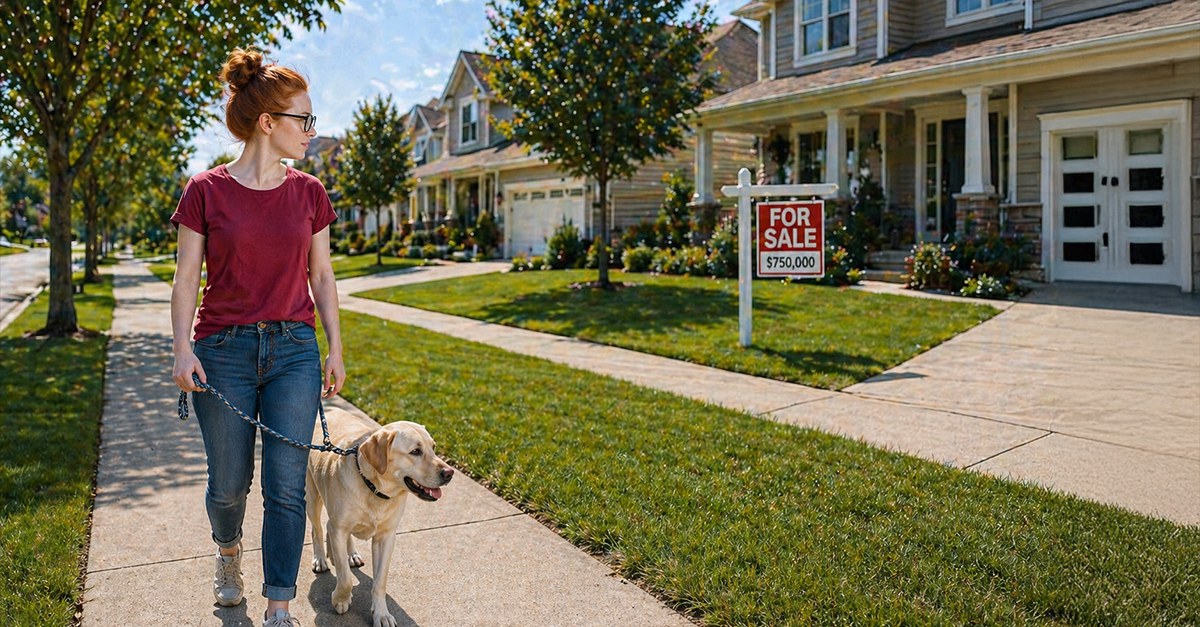
An Unexpected Coincidence
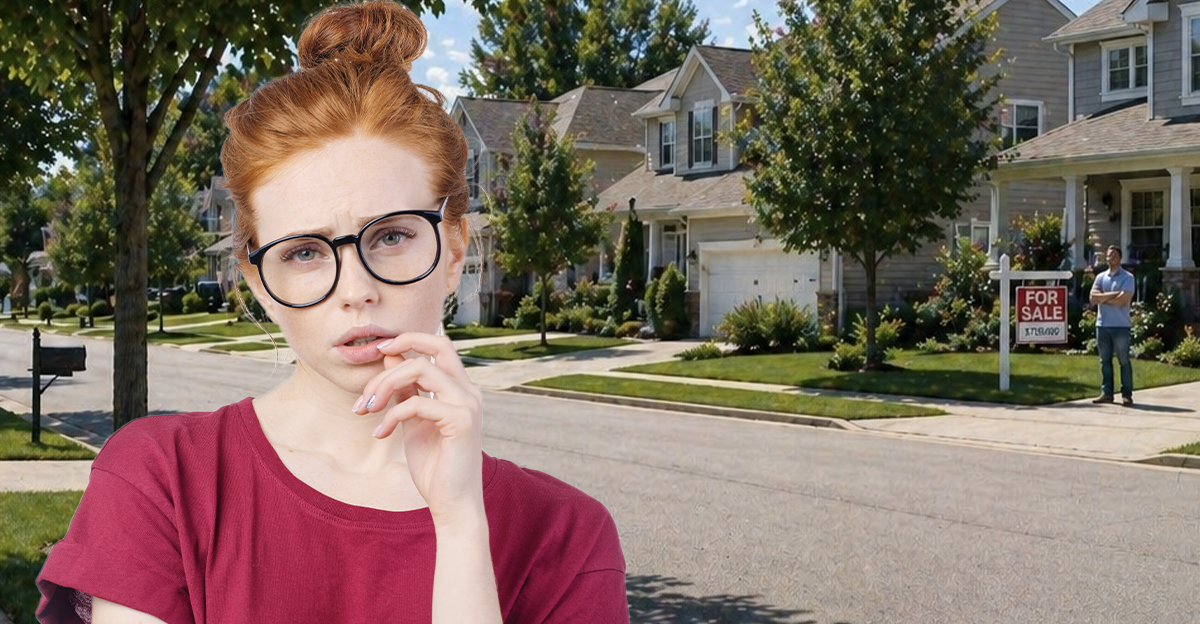
You listed your home at what you believed was the right price, only to see a neighbor list his very similar property at the exact same price as yours. Now you’re worried that buyers will compare the two and choose one over the other. This is a common scenario, and it shifts your focus from pricing alone to positioning and strategy.
 Shakirov Albert, Shutterstock; Factinate
Identical Pricing Causes Direct Competition
When two homes are priced exactly the same in the same neighborhood, buyers treat like interchangeable substitutes. That means they’ll compare features, condition, layout, and presentation closely. At that point, price stops being your advantage, and all the other features of your home become the deciding factor.
Start With A Calm Assessment
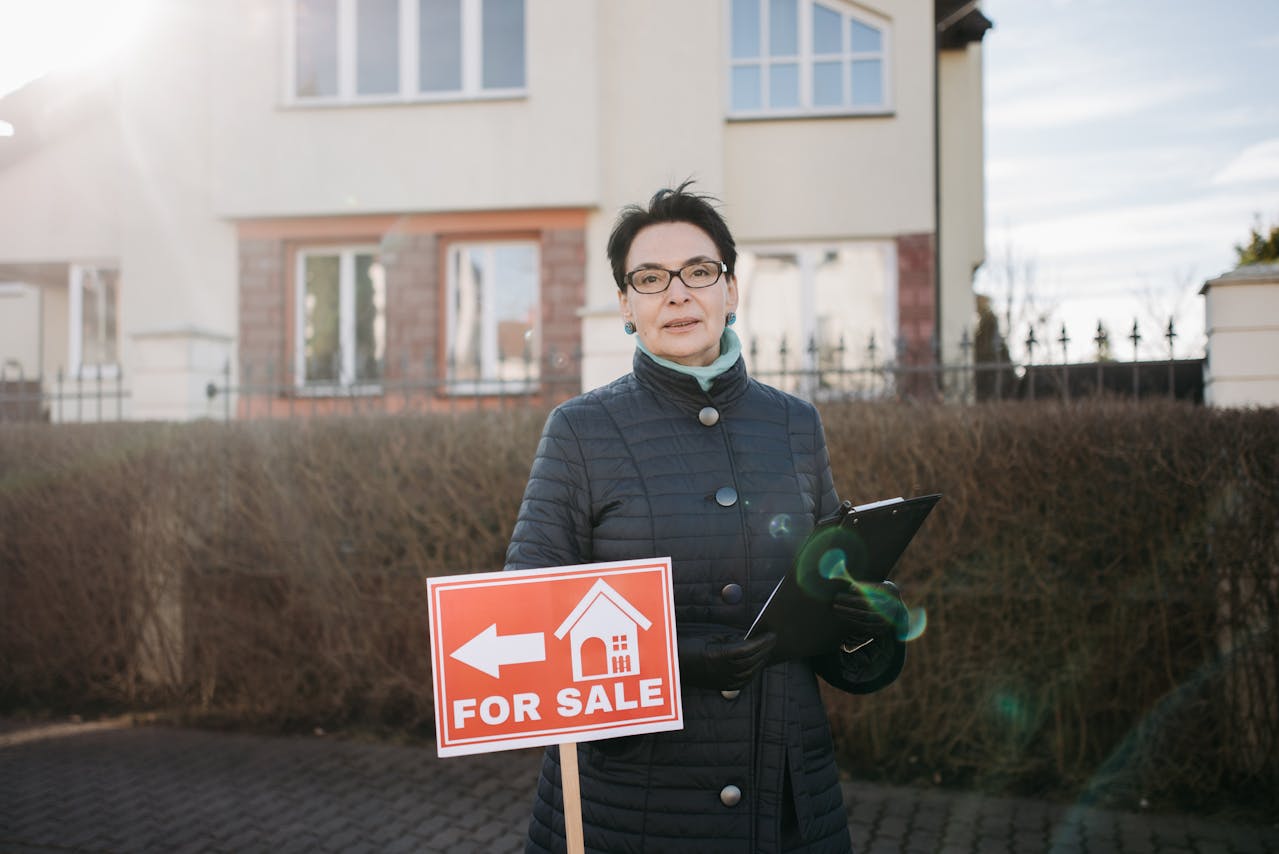
Before you fly off the handle and start barking rapid-fire orders at your realtor, take a deep breath and step back. Recognize that not every competing listing actually changes buyer behavior. Sometimes a new listing generates noise but doesn’t meaningfully impact demand. A good agent can help you determine whether the other home is attracting real interest or just attention.

Compare The Homes Objectively
You need to size up how your home stacks up against your neighbor’s. Buyers compare based on size, upgrades, condition, layout, and location within the neighborhood. These are known as comparables, and even small differences can be enough for a buyer to choose one home over another.

Identify Your Unique Advantages
Your home likely has strengths that the other one does not. It might be a better layout, more recent renovations, better natural light, or a more private lot. Your goal is to highlight those differences as clearly as possible so buyers see why your home deserves the same price or more.
Presentation Can Win The Battle
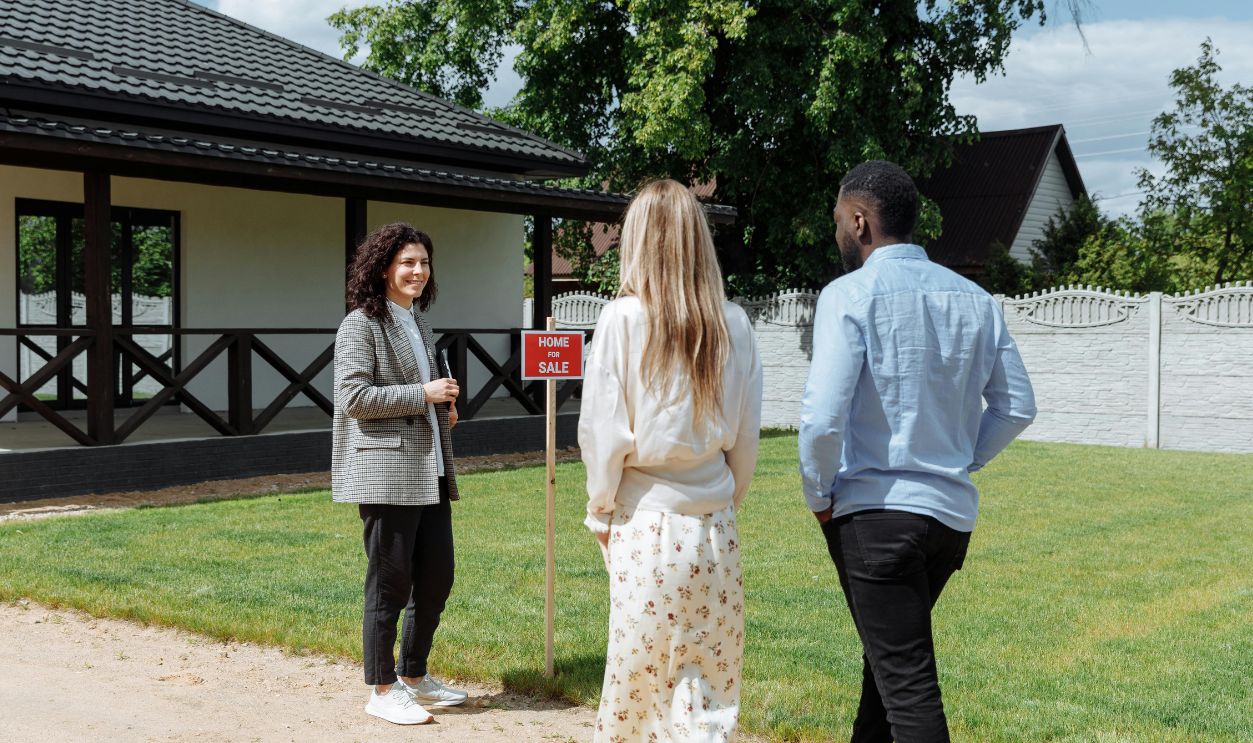
When prices are equal, presentation gets critical. Professional photos, staging, and cleanliness can make your home feel more appealing than your competitor’s. Sellers who invest in presentation often bring more interest and stronger offers, even in competitive situations.

Pricing Still Matters More Than You Think
Even though the prices are identical, you still have to make sure your number is correct. Overpricing leads to homes sitting on the market longer than anticipated, which often results in lower offers later. Buyers quickly notice when a property lingers and may try to negotiate aggressively.

Consider A Strategic Price Adjustment
You don’t always need a large price drop to stand out. Even a small adjustment can position your home more attractively in search results and buyer psychology. In some cases, pricing just slightly below your competitor can generate more interest and even multiple offers.

Timing Can Work In Your Favor
If your home was listed first, you may already have the early momentum. New listings often get attention simply because they are new, but that attention can fade quickly. If your home is already bringing interest, it may still have the advantage.
Marketing Can Tip The Scales
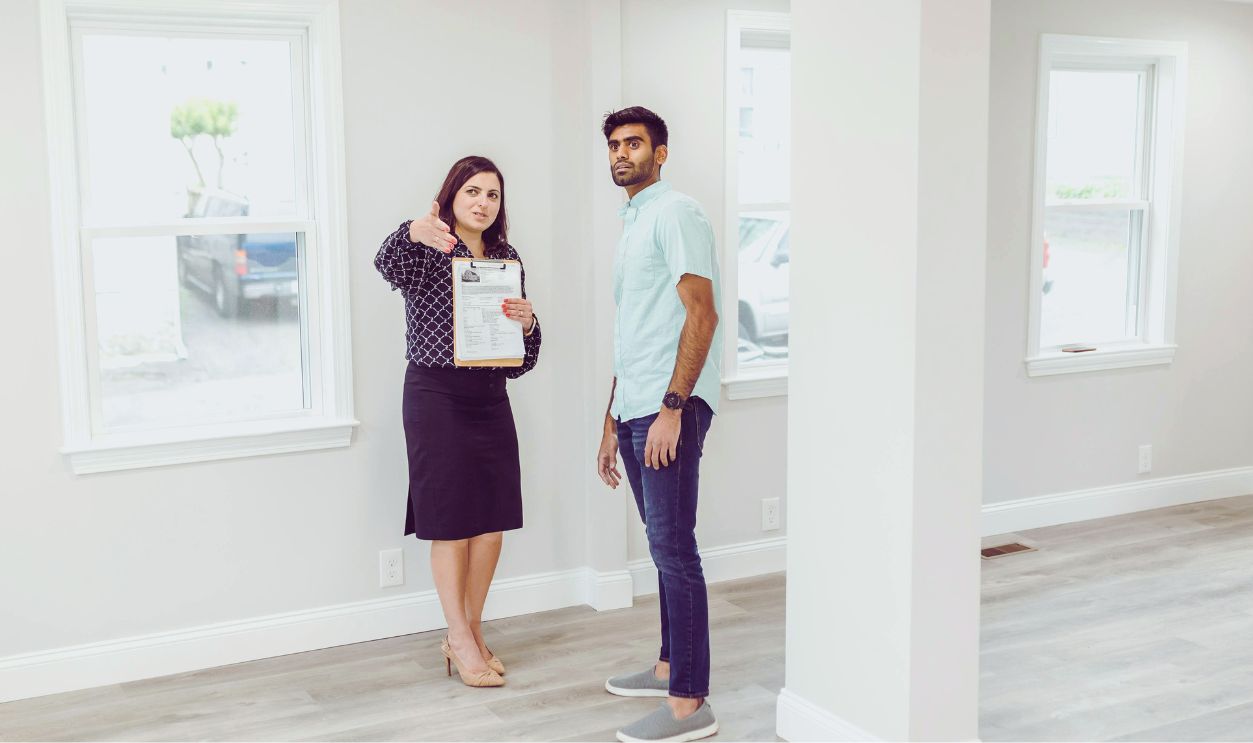
Your agent’s marketing strategy matters more when competition is tight. Strong listing descriptions, targeted advertising, and open houses can increase visibility. A well-marketed home often stands out even when a similar property is priced the same.

Should You Use The Same Agent?
If both homes are listed by the same agent, there can be pros and cons. On one hand, the agent understands both properties deeply. On the other, they have to represent both sellers fairly. What matters most is whether your agent is actively advocating for your home’s strengths.
The Role Of Your Real Estate Agent
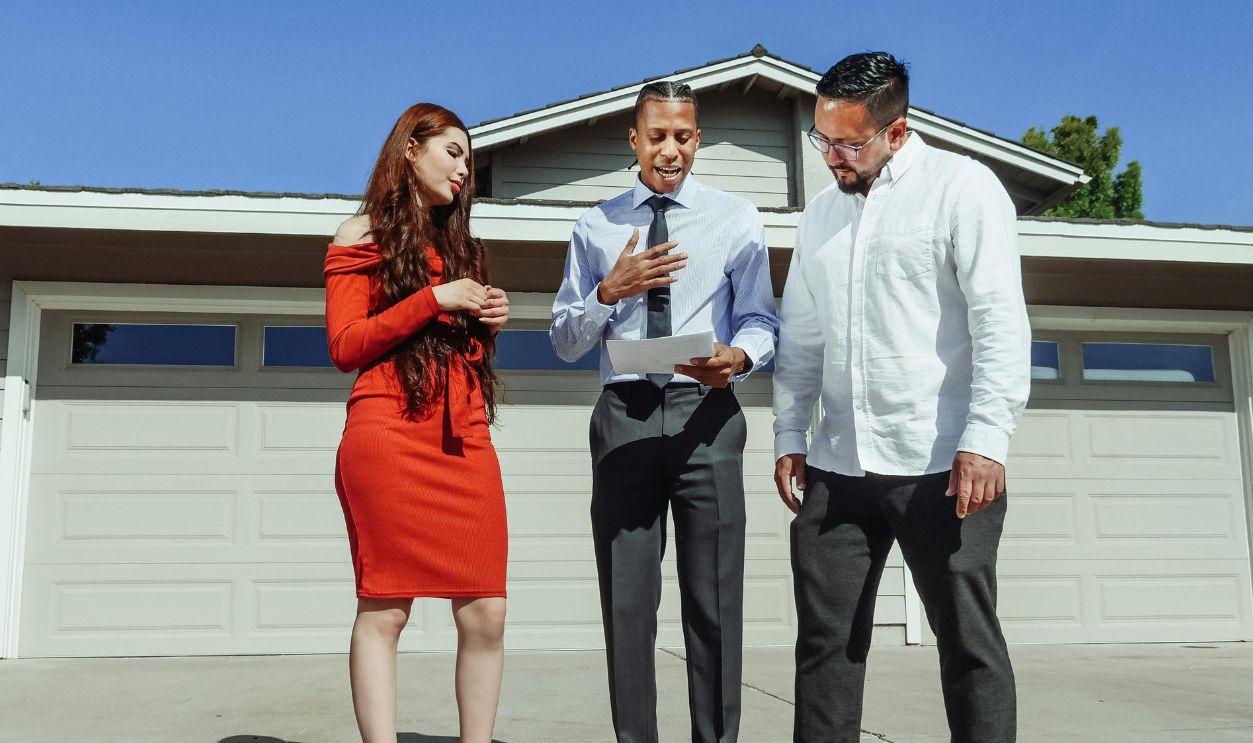
Your agent should be analyzing buyer feedback, tracking showings, and monitoring the level of interest in both listings. They should adjust your strategy based on real data, not assumptions. A strong agent uses market feedback to guide decisions rather than making knee-jerk emotional reactions.

Should You Talk To Your Neighbor?
It might feel tempting to coordinate or discuss strategy with your neighbor, but that rarely helps. Each property is marketed independently, and buyers will still compare the two to each other. Focus on your own positioning instead of trying to influence theirs.

Buyers Are More Selective Today
In many markets, buyers are more cautious and selective than we’ve seen in previous years. Homes that are move-in ready and well-priced tend to sell faster, while others sit longer. This makes presentation and pricing alignment even more important.

Small Differences Can Make A Big Difference
Even subtle differences like paint condition, landscaping, or lighting can sway a buyer’s decision. When two homes are priced the same, buyers often choose the one that feels easier and more comfortable to move into.

Watch Early Feedback Closely
The first few weeks on the market are very important. Pay attention to showing activity and feedback. If buyers consistently prefer the other property, you may need to adjust your pricing or presentation quickly before your listing goes stale.
Avoid Emotional Decisions
It is easy to feel competitive or frustrated in this situation, but decisions should be based on market data. Pricing, marketing, and adjustments should be guided by buyer behavior, not by whatever you think your neighbor might be up to.

Consider The Bigger Market Picture
Your competition isn’t just your neighbor. Buyers are comparing your home to everything available in your price range. Your strategy should reflect the broader market, not just your obsessive need to compete with one nearby listing.

Flexibility Can Be Your Advantage
Being willing to adjust quickly can give you an edge. If you respond to market signals faster than your neighbor, you can capture buyers who are ready to act before they lose interest.

The Bottom Line
When a nearby home lists at the same price, you’re no longer competing on price alone. You are competing on presentation, strategy, and perception. Focus on the things that you can control, highlight your home’s strengths, and stay responsive to the market. That is how you come out on top at the end of the day.

You May Also Like:
I put in a bid on a house that was foreclosed, but lost to a lower offer—how is that even possible?