When Your Neighbors Tank Your Home Sale
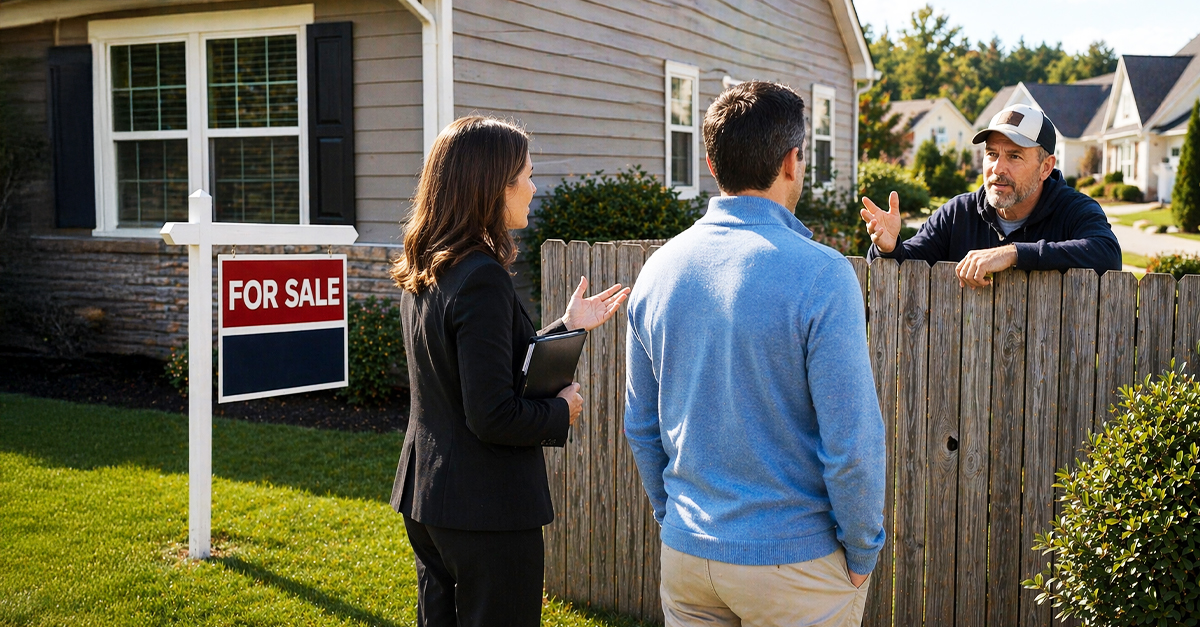
You listed your home expecting a smooth sale, but you’ve realized that your next-door neighbors are actively scaring off buyers. During or after showings, they show up to warn visitors about noise, complain about potential disruption, or suggest the neighborhood will change for the worse. Now your listing is stalled, and you’re wondering what you can realistically do to protect your sale.
Why This Situation Is So Frustrating
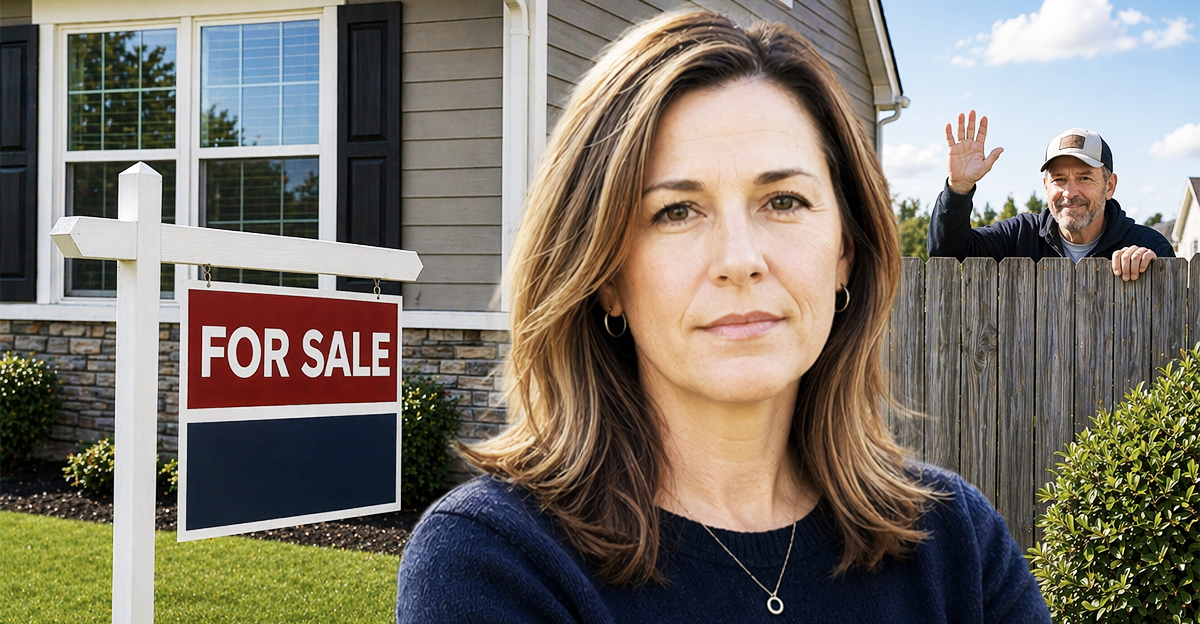
Selling a home is already stressful enough, and you rely on first impressions. When neighbors start piping up and interfering, they undermine your ability to present your property fairly. Buyers may walk away based on incomplete or biased information, leaving you with fewer offers and mounting frustration as your listing sits on the market longer.

Impact On Your Home’s Value
Buyer perception plays a big role in real estate pricing. Even if your home is in great shape, negative interactions can reduce demand. Fewer interested buyers can lead to lower offers or a longer time on the market. Both of these factors can ultimately cost you money and weaken your negotiating position.
Are Neighbors Allowed To Do This?
Neighbors are generally free to speak to potential buyers, even if their comments aren’t helpful or welcome. But there’s a fine line between sharing opinions and intentionally interfering with a sale. If their actions are deliberate and harmful, the situation may evolve from annoying behavior into something more legally significant.

When It Becomes Legal Interference
If your neighbors are deliberately trying to derail your sale by spreading false information or harassing buyers, it could qualify as interference with a business relationship. In some cases, you may have to show that their actions were deliberate and caused measurable harm to your ability to sell your house.

Role Of Buyer Perception
Buyers are in a highly sensitive state of mind during showings. They can be prone to being highly suggestible. A single negative comment can sow doubt, even if it’s blown out of proportion or misleading. Once that doubt sets in, it can be difficult to recover interest. This makes neighbor interference especially harmful because it targets buyers at the exact moment they are forming their impressions of the place.

Should You Disclose The Issue?
Disclosure laws vary by state, but they usually focus on the property itself rather than neighbor behavior. In many cases, you’re not required to disclose difficult neighbors unless there is a documented dispute or ongoing legal issue tied to the property.

When Disclosure Might Be Necessary
If there is a formal dispute, repeated complaints, or legal action involving your neighbors, disclosure rules may change. Some states require you to reveal any known issues that could factor into a buyer’s decision, especially if the problem rises to the level of a nuisance or ongoing conflict.
Why Transparency Still Matters
Even if disclosure isn’t strictly required, transparency can protect you later. If a buyer finds out about the issue after closing and believes that it was intentionally hidden, it could lead to disputes. Being upfront, when appropriate, can help you steer clear of future complications and build trust during negotiations.

Talk To Your Real Estate Agent
Your agent should be your first line of defense. Chances are that they’ve dealt with similar situations in the past and can help you adjust your strategy. This might include scheduling showings at specific times, screening buyers more carefully, or managing how and when neighbors might interact with potential purchasers.

Document Everything That Happens
Keep a record of every incident where neighbors interfere with showings. Note dates, what was said, and how buyers reacted. Documentation will be of the utmost if you need to escalate the situation or prove that their actions are interfering with your effort to sell your home.

Consider Addressing The Neighbors Directly
In some cases, a calm conversation might help. Your neighbors may not fully understand the impact of their behavior. If they’re doing what they’re doing because of a fear of what new neighbors may bring, it probably means they like you at least on some level. Explaining how their comments are affecting your sale might encourage them to step back. While this won’t always work, it can sometimes defuse the situation before it escalates.

Use Your Agent As A Buffer
If direct communication feels awkward, let your agent handle it. A professional intermediary can handle the issue in a neutral, businesslike way. This can reduce tension while still making it clear that interference is affecting the sale process.

Adjust Your Showing Strategy
You can limit opportunities for interference by controlling how showings are conducted. Private appointments, shorter viewing windows, or even open houses with more oversight can cut down on the chance of neighbors sidling up to buyers for a neighborly chat during critical moments.

Highlight Your Home’s Strengths
If neighbors are planting doubts in people’s minds, your listing needs to counterbalance that narrative. Strong marketing, professional staging, and clear communication about the property’s benefits can help set buyers’ minds at ease and keep their focus on what makes your home appealing.

Consider Mediation Or Formal Notice
If the behavior goes on, you may need to escalate. Sending a formal notice or pursuing mediation can signal that the situation is serious. In more extreme cases, legal advice may help you understand whether you have cause to take action against intentional interference.
 advokatsmart.no, Wikimedia Commons
Know What You Can Prove
Legal action requires evidence. You would need to demonstrate conclusively that your neighbors knowingly interfered and that their actions caused measurable harm, such as lost offers or reduced sale value. Without clear proof, pursuing a claim can be an uphill battle.

Weigh The Cost Of Escalation
Even if you have a strong case, legal action takes time and money. You’ll need to balance the potential benefits against the costs and delays. In some cases, adjusting your pricing or marketing strategy may be a faster and more practical solution.

Stay Focused On The End Goal
It’s easy to get caught up in frustration, but your primary goal is still to sell your home. Keeping your focus on closing the deal can help you make practical decisions, even if the situation with your neighbors feels personal or unfair. Once the home is sold, you’ll be able to leave the entire situation, and your neighbors, behind for good.

Move Forward With A Strategy
You can’t control your neighbors, but you can control your own actions. By documenting behavior, working with your agent, and adjusting your approach, you can minimize the impact. With the right strategy, you can still achieve a successful sale despite the obstacles.
You May Also Like:
A Man Used ChatGPT To Sell His House—And Made $100,000 More Than Expected