
He Did Something No One Expected
You’re supposed to trust the experts when selling your home, right? Get a few opinions, pick a price, list it, and cross your fingers. But one Florida homeowner decided to do things a little different—okay, a lot different. So he uncrossed his fingers and tried something most of us wouldn’t even consider…and it changed everything.

He Almost Listed It The Traditional Way
Cooper City homeowner Richard Finney, based in Broward County, was initially on the same path as everyone else. He spoke with real estate agents, got pricing guidance, and reviewed what his home might realistically sell for. “We were getting estimates,” he explained—but nothing about them felt like they were pushing the home’s full potential.

Then He Tried Something Unexpected
Before locking anything in, Finney started experimenting with ChatGPT. What began as simple curiosity quickly turned into something more useful. “I said, ‘Let me see what ChatGPT says,’” he recalled—and that small decision ended up reshaping his entire strategy.

He Didn’t Just Ask Once—He Kept Refining It
Finney didn’t treat ChatGPT like a one-time tool. He kept asking follow-up questions, refining ideas, and using it like a back-and-forth advisor. The more he explored, the more detailed and tailored the strategy became.

He Used AI To Rethink The Price
Instead of accepting the initial estimates, Finney used ChatGPT to explore different pricing approaches, buyer psychology, and how homes actually gain traction. The guidance pushed him to look beyond the conservative range agents suggested—and consider aiming higher.

It Became More Than Just A Price
He didn’t just ask for a number. Finney used ChatGPT to help refine everything—from pricing to marketing to how the home should actually look to buyers. It even suggested specific improvements, turning the process into a full strategy instead of a simple estimate.

Why Pricing Strategy Matters So Much
According to housing data from Redfin and the National Association of Realtors, roughly 25%–35% of homes sell above asking price in competitive markets. That usually happens when strong demand meets the right pricing—not just when a home is listed low.
 Williamborg, Wikimedia Commons
Rewriting The Listing From Scratch
One of the biggest changes came in the listing itself. Instead of a standard, feature-heavy description, ChatGPT helped shape something more compelling—highlighting how the home felt to live in, not just what it included.

Better Listings Attract More Buyers
Zillow research shows that stronger listing descriptions and high-quality presentation can drive more views and engagement. More eyes on a listing typically means more showings—and a better chance at multiple offers.

Presentation Became A Priority
Finney didn’t just focus on pricing—he used ChatGPT to get surprisingly specific about presentation. From curb appeal to interior tweaks, it suggested small but impactful changes, including what areas of the exterior to clean up and how to improve first impressions from the street.

Small Changes, Big Impact
Some of the advice was simple—but effective. ChatGPT recommended neutral paint colors for certain walls, decluttering key spaces, and making rooms feel brighter and more open. The goal was to make the home feel more move-in ready from the moment buyers walked in.

It Even Helped Him Think Like A Buyer
Beyond visuals, ChatGPT helped Finney think through buyer psychology—what would catch attention, what would create urgency, and what would make someone choose his home over others nearby.

Timing Played A Role Too
Instead of rushing to list, he paid attention to when buyers were most active. Even small timing decisions can affect how much attention a property gets in its first few days.

The Goal: Create Competition
Every decision pointed toward one outcome—generate as much interest as possible. In real estate, competition is what drives prices higher. The more buyers involved, the stronger the seller’s position becomes.

Avoiding The “Quick Sale” Mindset
There’s evidence that agents sometimes prioritize speed over maximum value. A study by economists Steven Levitt and Chad Syverson found that agents’ own homes sell for 3%–4% more and stay on the market longer than their clients’ homes.
 Stephen Foskett, Wikimedia Commons
Thinking Like An Owner, Not A Salesperson
With ChatGPT guiding the strategy, Finney focused entirely on maximizing value—not just getting the deal done quickly. That meant being patient and willing to let the right offers come in.

He Still Used Traditional Selling Channels
Even with AI guiding the strategy, Finney didn’t abandon the usual process entirely. The home was still listed through standard real estate channels—the difference was in how it was positioned.

The Listing Finally Goes Live
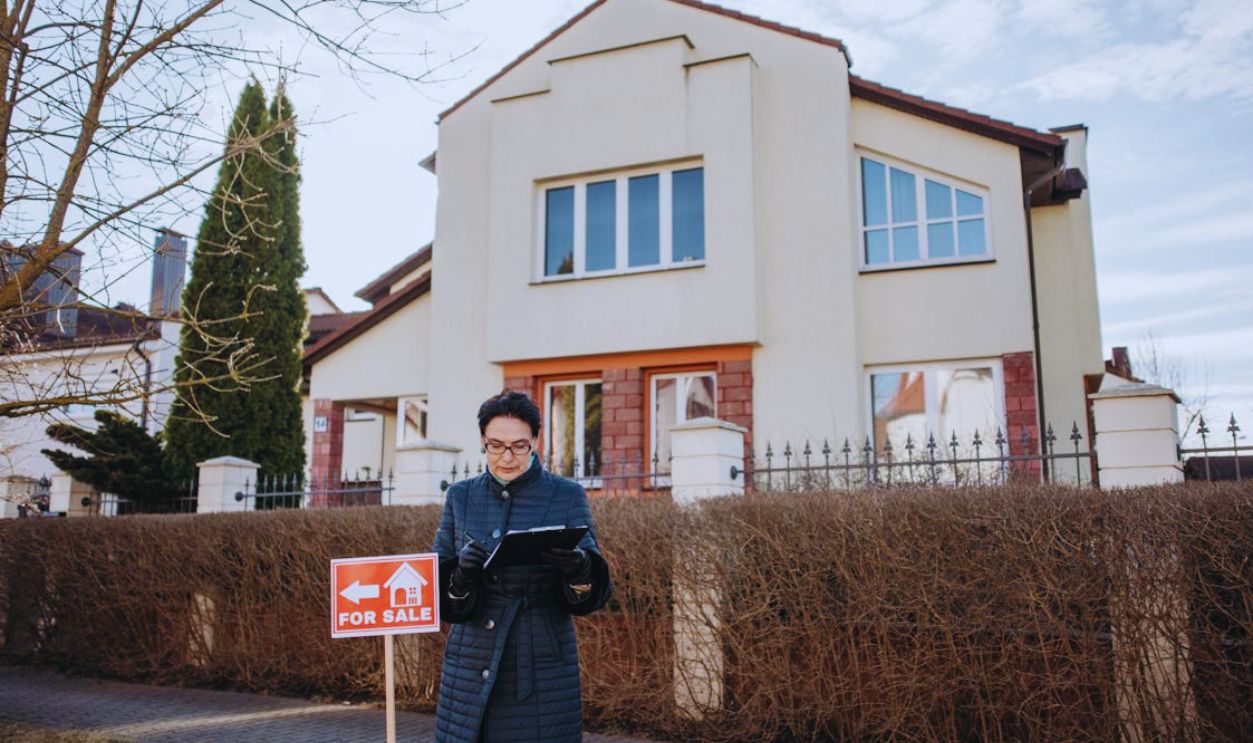
When the home hit the market, it didn’t feel like a typical listing. The pricing was intentional, the description was sharper, and the presentation was dialed in to attract attention.
Interest Came In Quickly
It didn’t take long for buyers to notice. Showings picked up, and the home started gaining traction early—exactly what the strategy was designed to do.

Multiple Offers Changed Everything
Soon, more than one buyer entered the picture. That’s when the dynamic shifted. Instead of negotiating from uncertainty, Finney now had leverage.

Bidding Pushed The Price Higher
As buyers competed, the price climbed. What started within the typical range agents suggested quickly moved beyond it—showing how powerful demand can be when it’s created intentionally.

The Final Sale Surprised Even Him
In the end, the home sold for over $100,000 more than what agents initially suggested. “It exceeded our expectations,” Finney said—highlighting just how different the result was from the original plan.

So, Was ChatGPT The Secret Weapon?
ChatGPT didn’t physically sell the home—but it helped shape the strategy behind it. From pricing to presentation, it gave Finney a new way to approach decisions. And he’s not alone—according to the National Association of Realtors, AI tools are already being used for listing descriptions, market analysis, and pricing insights across the industry.
 Christian Velitchkov, Unsplash
Why This Worked—And Why It Doesn’t Always
Traditional pricing relies heavily on comparable sales and risk management, which can sometimes leave upside on the table. But this approach isn’t foolproof either—overpricing can reduce interest, and many sellers still benefit from an agent’s experience, network, and negotiation skills.

The Real Takeaway For Sellers
Finney didn’t ignore expert advice—he challenged it. As AI tools become more common, sellers may start combining traditional expertise with data-driven insights. His result isn’t guaranteed, but it raises a powerful question: what if your home is worth more than you’ve been told?

So…How Much Could You Be Leaving On The Table?
Richard Finney took a different approach—and walked away with an extra six figures. It’s not guaranteed for everyone, but it raises a compelling question: what if your home is worth more than you’ve been told?

You Might Also Like:
People keep telling me about the “Latte Factor” money strategy—can it really make me rich?