
Meal Kits Promise To Save Money—So Why Does Your Grocery Bill Still Feel High?
Meal-kit subscriptions sound like the perfect solution if you're trying to get a handle on grocery spending. The recipes are planned, portions are measured, and you don't have to wander the supermarket wondering what to buy. But once the delivery fees, shipping charges, and premium meals start piling up, many people begin asking the same question: are meal kits actually saving money, or just making spending feel more organized?

Meal Kits Solved A Real Problem
Meal-kit companies became popular because they addressed something many busy families struggle with: deciding what's for dinner. Instead of spending time planning meals and shopping for ingredients, everything arrives ready to cook, often with step-by-step recipe cards.

Grocery Prices Haven't Helped
It's no secret that food costs have risen over the past several years. According to the U.S. Bureau of Labor Statistics, grocery prices have increased significantly since the pandemic, making many households look for ways to reduce waste and control spending. That's one reason meal kits continue attracting new customers.
 Hryshchyshen Serhii, Shutterstock
It's Easy To Focus On The Wrong Number
Many people compare the cost of a meal kit to the price of buying groceries. But that's not always the best comparison. A meal kit is really competing with the convenience of takeout, restaurant meals, or those last-minute grocery trips where you buy far more than you planned.
 Zamrznuti tonovi, Shutterstock
Those Small Fees Add Up Quickly
The advertised price per serving isn't always what you'll pay. Shipping charges, premium recipes, optional add-ons, and taxes can increase the final cost more than many first-time subscribers expect. That's why the weekly total often looks higher than the price you first noticed online.

Food Waste Is Part Of The Equation
The average household throws away a surprising amount of food every year. Because meal kits provide pre-portioned ingredients, some families waste much less food than they do with traditional grocery shopping, helping offset part of the higher price.

Convenience Has Value Too
Time has a cost, even if it doesn't appear on your grocery receipt. If a meal kit saves you two grocery trips, eliminates meal planning, and keeps you from ordering dinner after a long day, those benefits may have financial value beyond the food itself.

But Convenience Can Become Expensive
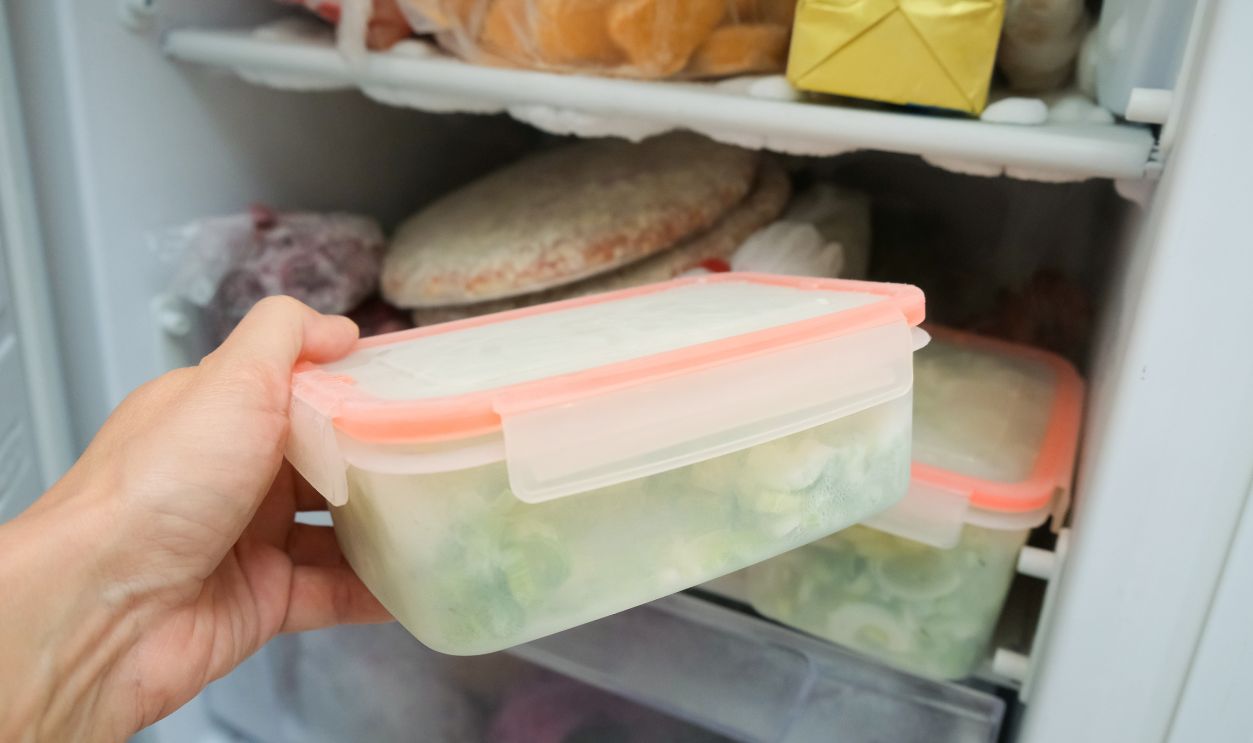
Some subscribers continue paying for meal kits out of habit rather than necessity. If recipe cards are piling up unused or meals are going straight into the freezer, the subscription may no longer be providing the value it once did.
Your Shopping Habits Matter More Than You Think
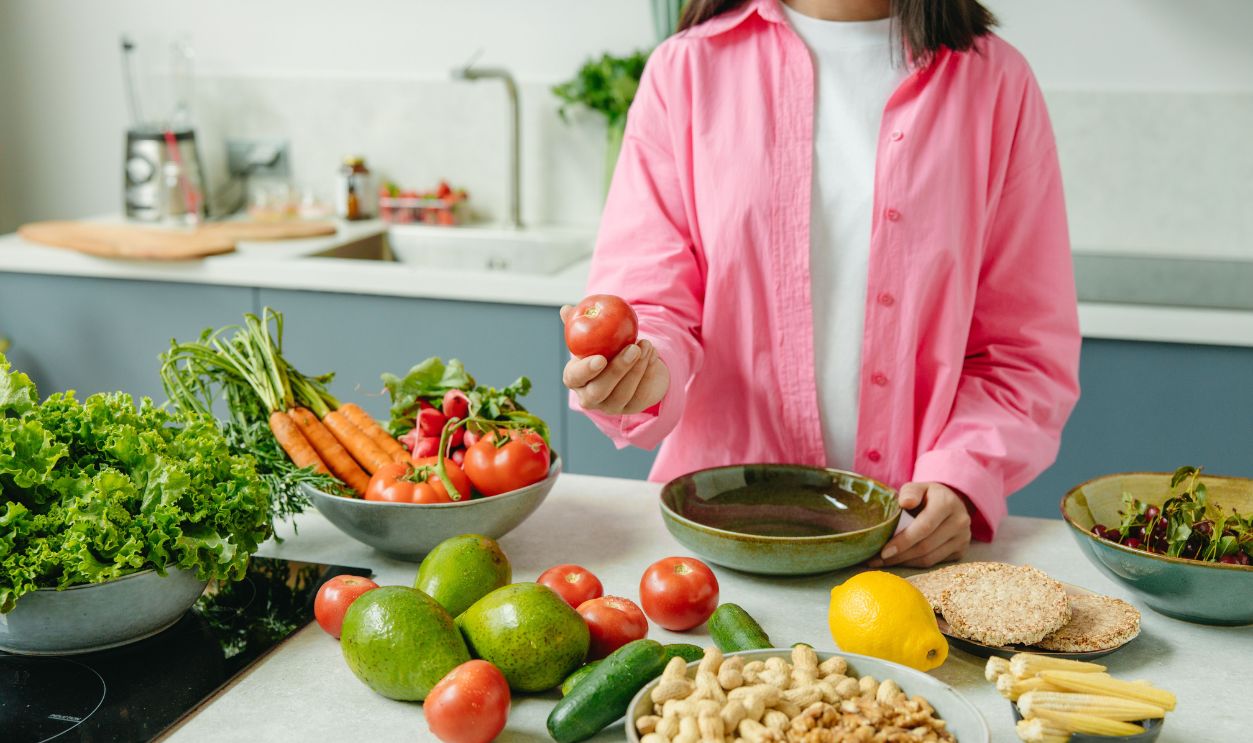
Someone who plans meals, shops sales, uses coupons, and buys store brands will often spend less than a meal-kit subscriber. On the other hand, someone who frequently shops without a list may actually spend more than they realize at the grocery store.

Family Size Makes A Difference
Meal kits often provide the best value for one or two people. Larger families may find that buying ingredients in bulk stretches their food budget much further than purchasing individual meal-kit servings.
Introductory Discounts Can Be Misleading
Many companies offer generous discounts for the first few deliveries. Those promotions can make meal kits seem much cheaper than they really are. Once regular pricing begins, some customers are surprised by how much the weekly bill increases.

Look At The Cost Per Week
Instead of asking whether one dinner costs more, compare your total weekly food spending. Include groceries, restaurant meals, takeout, coffee runs, and food delivery. That bigger picture often reveals whether the subscription is actually saving you money.
 https://kaboompics.com/, Pexels
Don't Forget About Impulse Purchases
Walking through a grocery store often leads to buying snacks, desserts, drinks, or sale items that weren't on the list. Meal kits eliminate many of those temptations simply because you're not shopping as often.

You Don't Have To Choose Just One
Some families use meal kits only during especially busy weeks. Others pause their subscription for a month or two and reactivate it later. Using the service occasionally instead of every week can provide convenience without permanently increasing your food budget.

Cooking Skills Grow Over Time
Many subscribers discover they become more confident cooks after following meal-kit recipes for a few months. Once they've learned new techniques and recipes, they often recreate similar meals using regular grocery ingredients for less money.

Watch The Renewal Date
A surprising number of subscribers forget to skip or pause upcoming deliveries before the weekly cutoff. Setting a calendar reminder can prevent paying for meals you didn't intend to receive.

Budgeting Is About More Than The Cheapest Option
The lowest-priced choice isn't always the best value. If spending a little more helps you eat at home consistently and dramatically reduces restaurant spending, your overall budget may still come out ahead.

Here's The Question That Really Matters
Are the meal kits replacing expensive habits—or are they simply becoming an extra expense on top of your normal grocery shopping? The answer to that question usually determines whether the subscription makes financial sense.

So... Is A Meal-Kit Subscription Ever Cheaper Than Shopping?
Sometimes—but it depends on what you're comparing it to. If you're replacing carefully planned grocery shopping, meal kits will often cost more. But if they're replacing takeout, restaurant meals, or frequent food waste, many households find the overall difference is much smaller than expected. The smartest approach is to compare your total weekly food spending rather than focusing on the price of a single dinner.

The Best Budget Is The One You'll Actually Stick To
Meal kits aren't automatically a bargain, and they aren't automatically a waste of money. Like many budgeting tools, they work best when they solve a specific problem. If they help you waste less food, cook more often, and avoid expensive last-minute meals, they may be worth every penny. If not, your local grocery store is probably still your best value.

You May Also Like: