
The “Mandatory Carpet Cleaning” Line
Mandatory professional carpet cleaning before vacancy is actually one of the most common disputes between landlords and tenants, and it tends to pop up when people are already dealing with movers, deadlines, and security deposits. The tricky part is that the answer changes by state, though in some places the landlord’s demand may not hold up at all.
 Gustavo Fring, Pexels, Modified
Where You Live Is Important
A landlord cannot automatically make you pay for professional carpet cleaning just because you are leaving. In a lot of cases, the answer depends on your state law, what your lease says, and whether the carpet has actual damage or unusual dirt beyond normal wear and tear. If the carpet is already spotless, it is much harder for a landlord to justify the charge.

This Is Usually A Security Deposit Fight
Most carpet-cleaning disputes are really fights over the security deposit. Landlords often deduct cleaning costs after a tenant moves out, saying the unit was not returned in the right condition. But state laws usually limit when a deposit can be used for cleaning or repairs, and normal wear and tear is often off limits.

California Gives Renters Strong Protection
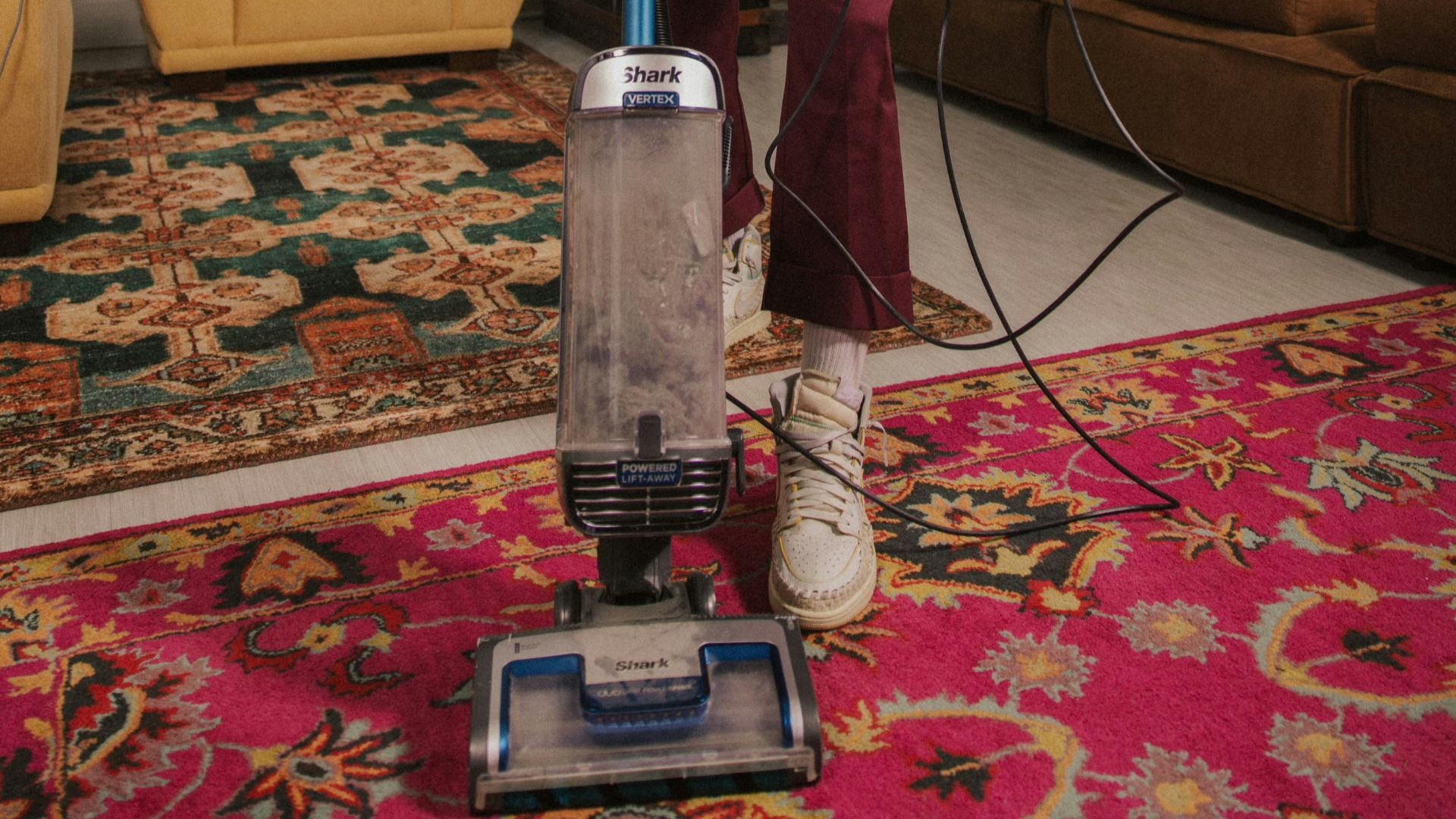
California law is especially clear on this point. Under California Civil Code section 1950.5, a landlord may use a security deposit for cleaning only to make the unit as clean as it was at the start of the tenancy, and not for conditions caused by ordinary use. So if the carpet is as clean as it was when you moved in, aside from normal wear, a routine carpet-cleaning charge usually does not fit.
In California, The Lease Does Not Get The Last Word
The California Department of Real Estate says a lease cannot require a tenant to pay for professional carpet cleaning or other cleaning services if state law would not allow that charge in the first place. That matters because many renters assume that if they signed the lease, the issue is over. It is not. A lease clause that conflicts with state deposit rules may not be enforceable.

Oregon Is Even More Direct
Oregon has one of the clearest rules on the books. State law says a landlord may not require a tenant to pay for professional carpet cleaning unless that requirement is reasonably included in the written rental agreement and certain conditions are met, including how the carpet was treated before the tenancy in some cases. In other words, the charge cannot just appear at move-out out of nowhere.

Oregon’s Rule Has Real Teeth
The rule appears in Oregon Revised Statutes section 90.300. It spells out limits on what a landlord can collect from a deposit and when carpet cleaning can be required. If a landlord in Oregon wants to charge for this, the lease and the facts both need to support it.

Washington Draws A Clear Line Between Wear And Damage
Washington’s attorney general says security deposits cannot be kept for normal wear caused by ordinary use of the rental. The state’s guidance makes a point of separating damage from the kind of aging that comes with regular living. If a carpet is simply used, but not badly dirty or damaged, that rule can help a tenant push back.

Texas Points The Same Way
The Texas Property Code says a landlord cannot keep any part of a security deposit for normal wear and tear. Texas defines normal wear and tear as deterioration from the intended use of a dwelling, including breakage or malfunction caused by age or worn condition. A spotless carpet that simply shows age looks much more like normal wear than chargeable damage.

Normal Wear And Tear Is The Key Issue
This phrase matters in almost every state. It is often the difference between getting your deposit back and losing part of it. Flattened carpet fibers, light traffic patterns, and ordinary aging are usually treated very differently from stains, pet odors, burns, or heavy soil. If the carpet is truly spotless, a landlord may have a hard time tying a professional cleaning charge to anything beyond normal use.
 Dreame Vacuum Cleaner, Unsplash
The Lease Still Matters
Even in states with strong tenant protections, the lease still matters. Some leases say the tenant must return the carpet professionally cleaned, and in some states that kind of clause may be enforceable if it does not break state law. The big point is that a lease usually cannot override protections already built into state law.

A “Spotless” Carpet Means More If You Can Prove It
Saying the carpet is spotless is a good start. Proving it is better. Take clear move-out photos and videos in daylight, with both wide shots and close-ups. If you cleaned the carpet yourself or rented a machine, keep the receipt so you can show that you dealt with the issue before moving out.

Your Move-In Proof Matters Too
The real comparison is often not just clean versus dirty. In many states, the legal question is how the carpet looked when you moved in compared with how it looked when you moved out. Move-in checklists, inspection forms, and old photos can make a huge difference.

Landlords Usually Need More Than A Vague Complaint
If a landlord wants to deduct carpet-cleaning costs, many states require an itemized statement of the charges within a certain deadline. A vague line like “all tenants pay for cleaning” is often not enough. The more specific the landlord has to be, the easier it can be to challenge a weak charge.

Deadlines And Receipts Matter
States often give landlords strict deadlines for returning deposits or sending itemized deductions. California, for example, requires the landlord to return the deposit or provide an itemized statement within 21 days after the tenant moves out. If the landlord misses the deadline or cannot back up the charge, their position can weaken fast.
 https://kaboompics.com/, Pexels
Real Dirt Makes The Charge Easier To Defend
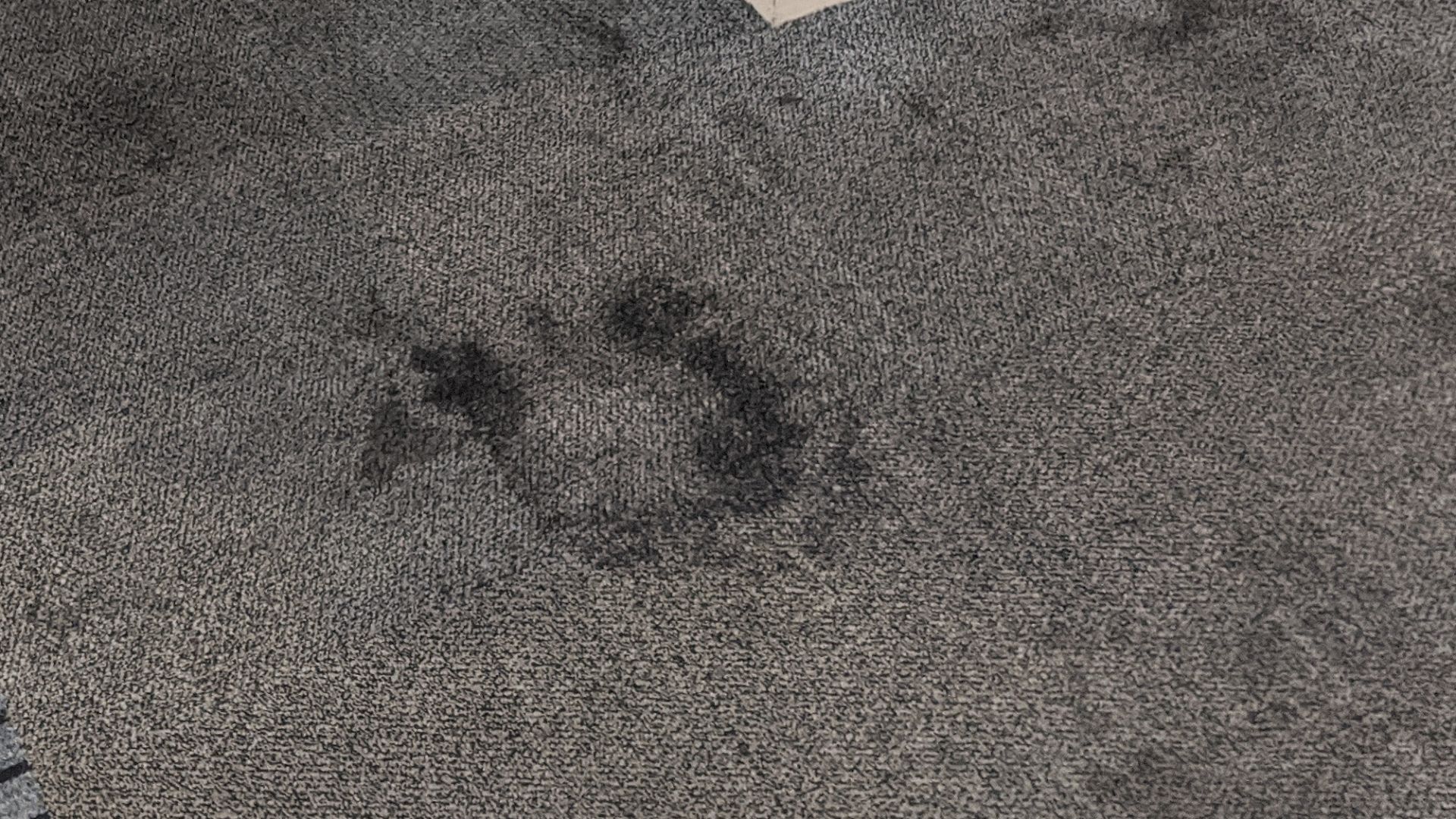
If the carpet has visible stains, strong odors, or pet-related problems, the landlord has a much better argument. Courts and state agencies usually treat ordinary use differently from conditions that require extra labor or special treatment. The cleaner the carpet really is, the weaker a blanket demand for professional cleaning becomes.
 Jarred Crowe, Wikimedia Commons
Be Careful With “Automatic” Cleaning Fees
Some leases try to charge a flat cleaning fee no matter what shape the property is in. Those clauses can be shaky if they work more like a penalty than repayment for actual cleaning costs, especially in states that limit deposit deductions to real cleaning needed beyond ordinary wear. An automatic fee is not always a lawful one.

Pre-Move-Out Inspections Can Be A Big Advantage
If your state gives you the right to a pre-move-out inspection, use it. California, for example, lets tenants request an initial inspection before the tenancy ends so the landlord can point out proposed deductions. That gives you a chance to fix real problems before handing over the unit and can help cut off surprise carpet claims later.
If The Lease Mentions Cleaning, Read It Closely
Look carefully at the wording. Does it specifically say “professional carpet cleaning”? Does it apply only if you had pets? Does it say cleaning is required only when needed? Small wording differences can matter a lot, and a clause that sounds broad at first may turn out to be narrower than it seems.

Ask One Simple Question
Ask the landlord for the legal basis for the charge and whether they are treating the carpet as damaged, unusually dirty, or just routinely used. Ask them to point to the lease clause and any state law or written policy they are relying on. A landlord with a weak case may become much less sure once they have to explain it in writing.

Get Everything In Writing
Do not handle this only by phone if money is involved. Send an email asking whether professional cleaning is mandatory even though the carpet is already clean, and ask whether the landlord plans to deduct the cost from your deposit. A written paper trail can be useful if the dispute ends up in small claims court or with a housing agency.

Small Claims Court Is Often The Next Stop
Security deposit disputes are common in small claims court because the amounts are usually limited and the facts are fairly simple. Judges often want to see photos, the lease, receipts, move-in and move-out records, and the itemized deduction letter. A tenant who is organized and calm can do very well.

State Agencies Keep Coming Back To The Same Rule
Across guidance from attorneys general, housing agencies, and state legislatures, the same basic rule keeps showing up. Tenants usually have to pay for damage or unusual cleaning needs, but not for everyday aging and normal use. That is why a truly spotless carpet matters so much, especially if you can prove it.

What To Do Before You Hand Over The Keys
Vacuum thoroughly, spot clean anything that looks questionable, and photograph every room when you are done. If your lease mentions carpet cleaning, think about whether the cost of fighting the issue is more than the cleaning bill itself. But do not pay automatically if the demand looks weak. A quick look at your state’s deposit law can save you real money.

What If The Landlord Deducts The Charge Anyway?
Ask for the invoice, the reason for the cleaning, and an explanation of why the charge is not being treated as normal wear and tear. Compare that explanation with your lease and your state law. If it still does not add up, send a written demand for the return of the disputed amount and consider filing in small claims court.

So, Do You Have To Pay?
Not necessarily. If the carpet is truly spotless, and especially if your state limits cleaning deductions to conditions beyond ordinary use, your landlord may not be able to force the issue. The strongest approach is simple: check your lease, check your state law, document the carpet’s condition, and make the landlord back up the charge with more than habit.

The Bottom Line For Renters
A professional carpet-cleaning bill right before move-out can feel like just one more irritating expense, but it is not always valid. In states like California, Oregon, Texas, and Washington, the legal focus is often on the actual condition of the carpet, ordinary wear and tear, and proper documentation. If your carpet is spotless, the law may be much more on your side than your landlord wants you to think.