
My Boss Wants To Claw Back A Refund
Few paychecks sting like a commission check that suddenly shrinks because a customer got a refund. It feels personal. But in most cases, the answer comes down to your contract, your state’s wage laws, and whether the commission had already been “earned.” That word shows up again and again in court rulings, labor guidance, and lawyer write-ups.
 MART PRODUCTION, Pexels, Modified
The Big Question Is Whether You Can Owe Money
For many workers, the fear is not just losing a future commission. It is ending up in the hole and effectively paying the company back because a buyer changed their mind. Whether that can happen depends on how your pay plan is written and whether the deduction breaks federal or state wage laws.
 ANTONI SHKRABA production, Pexels
Federal Law Sets The Baseline
The federal Fair Labor Standards Act, or FLSA, does not require employers to pay commissions at all. But if commissions are part of your pay, employers still have to follow minimum wage and overtime rules for nonexempt workers. The U.S. Department of Labor says deductions cannot cut into required minimum wage or overtime in many situations.
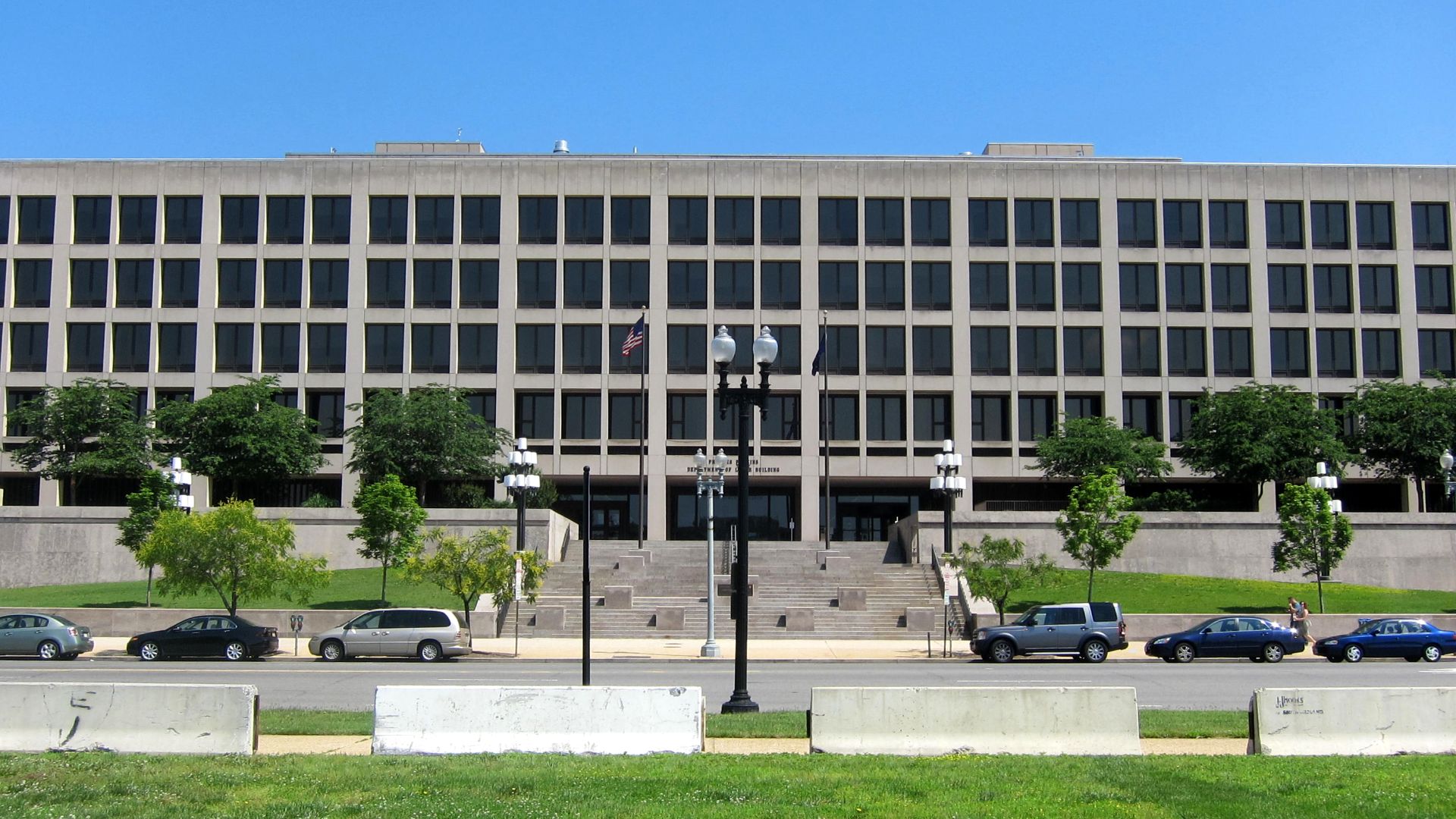 AgnosticPreachersKid, Wikimedia Commons
Why Minimum Wage Still Matters
This is where the issue gets serious. If your employer deducts refunds or chargebacks from your pay and that pushes your earnings below minimum wage for the workweek, that can create a legal problem under federal law for many nonexempt employees. The Department of Labor has repeatedly said some business costs cannot be pushed onto workers if doing that drops wages below the legal floor.

Commission Plans Usually Decide The Fight
The real fight often comes down to the commission agreement itself. Lawyers and state labor agencies usually start with the written plan to figure out when a commission is earned and whether a later refund, cancellation, or chargeback can undo it. If the plan says a sale is not final until the return period ends, the employer is often in a stronger position.

Earned Versus Unearned Is Everything
This is the phrase to watch in your paperwork. If a commission counts as earned only after the customer keeps the product, then the payment may have been conditional from the start. If it was already earned under the plan, taking it back later may be much harder for the employer to justify.

California Gives A Clear Example
California has some of the clearest public guidance on this issue. The California Department of Industrial Relations says commissions are wages and that earned commissions usually cannot be forfeited, even when employment ends. At the same time, employers and workers can agree on when a commission is earned, which means the fine print matters a lot.
 Mx. Granger, Wikimedia Commons
What California Courts Have Said
One often-cited California case is Koehl v. Verio, Inc., decided in 2006 by the California Court of Appeal. The court said commission advances could be reconciled against future commissions under the employer’s plan. But the court also focused on how the agreement was set up, which is why the case can help employers in some situations and workers in others.
 Coolcaesar at English Wikipedia, Wikimedia Commons
Another California Case Tightened The Rules
In 2013, a California appellate court decided Steinhebel v. Los Angeles Times Communications, LLC. The court upheld a chargeback policy tied to customer nonpayment or early cancellation because the commission plan clearly said commissions were not earned until certain conditions were met. The lesson is simple: clear contract language can shape the whole outcome.
 Photographed by user Coolcaesar on April 21, 2007., Wikimedia Commons
New York Takes Wage Deductions Seriously
New York also gives useful guidance for worried sales workers. The New York State Department of Labor limits what employers may deduct directly from wages, and the list is narrow. Even when there is a commission dispute, employers cannot just make up paycheck deductions whenever they want.
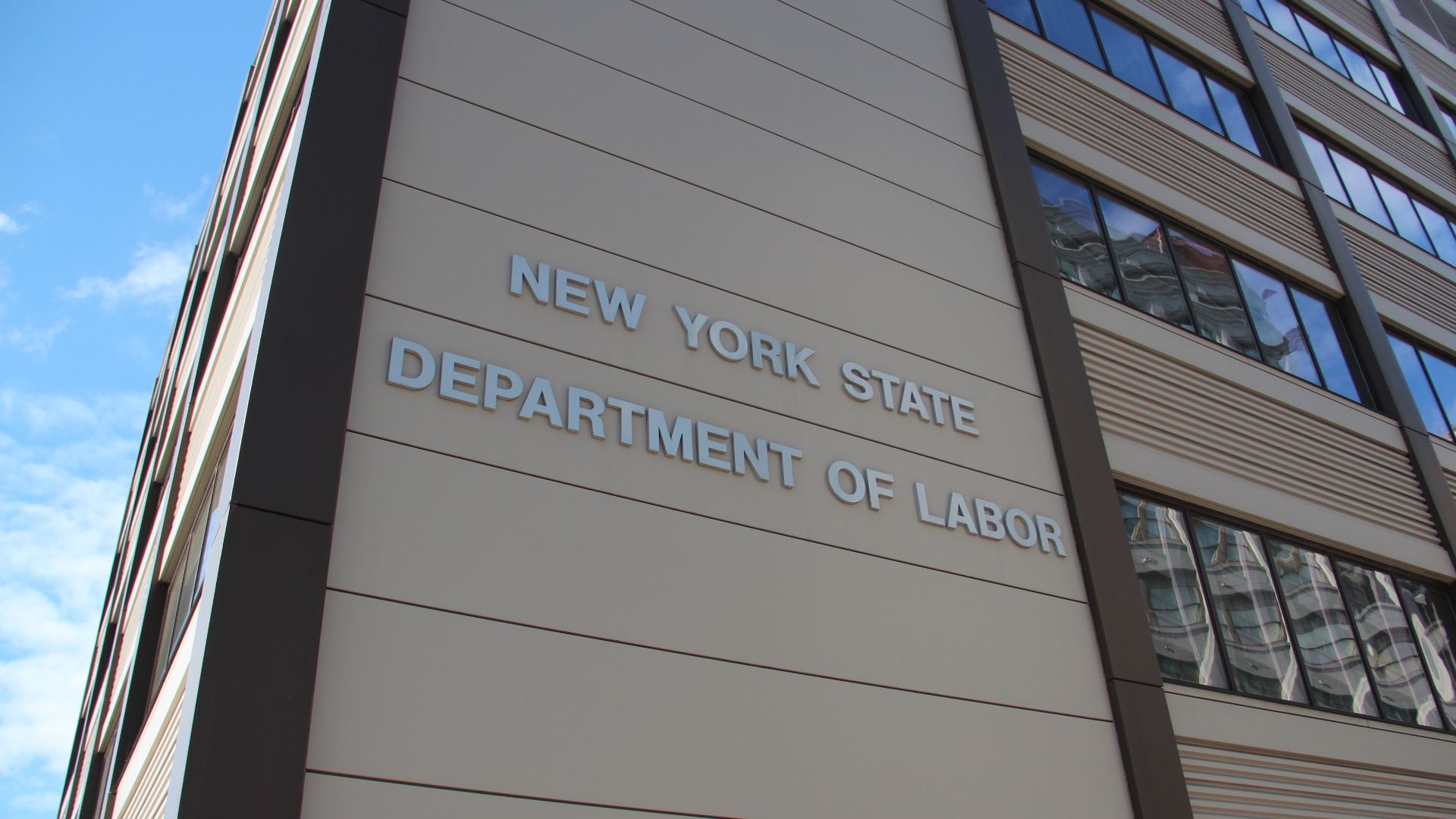
New York Also Requires Written Commission Terms
New York Labor Law has a specific section for commissioned salespeople. It requires employers to give written terms of employment, including how wages, salary, drawing accounts, commissions, and other pay are calculated and paid. If your boss wants to claw back refunds, that policy should not be something they only mention after the fact.

Massachusetts Has Been Tough On Unpaid Commissions
Massachusetts courts have also treated earned commissions seriously under the state’s Wage Act. In a 2009 decision, the Supreme Judicial Court in Okerman v. VA Software Corp. said commissions can count as wages once they are definitely determined and due and payable. That standard can help workers argue that an employer cannot wipe out money that was already earned.
 Swampyank at English Wikipedia, Wikimedia Commons
Illinois Offers Another Warning To Employers
Illinois law also treats final compensation broadly, including earned commissions, under the Illinois Wage Payment and Collection Act. The Illinois Department of Labor says the employment agreement controls whether a commission was earned. The pattern is pretty clear across states: the document you signed can decide almost everything.
 TonyTheTiger, Wikimedia Commons
Can Your Employer Make Your Check Go Negative
This is where things can get ugly fast. Even if a commission plan allows chargebacks, forcing an employee to hand over money or accept a negative paycheck can raise wage law problems, especially for nonexempt workers. Courts and agencies often draw a line between adjusting future incentive pay and making direct deductions from wages that are already due.

Exempt Workers Are Not Automatically Safe Or Unprotected
Salaried exempt workers are under a different legal framework, but that does not give the company unlimited power. The FLSA salary basis rules generally limit deductions from an exempt employee’s guaranteed salary. Employers still have to structure any commission reconciliation carefully so they do not risk exempt status or violate state wage laws.

Chargebacks Are Common In Sales
Refund clawbacks are common in industries like retail, advertising, cars, software, and financial products. Employers may call them chargebacks, reversals, or commission adjustments. The label matters less than the details: when was the commission earned, what conditions applied, and exactly how is the company taking the money back.

Your Contract Should Answer Three Questions
First, what event earns the commission: the sale, delivery, customer payment, or the end of a return window? Second, does the plan allow reversals for refunds, cancellations, or chargebacks? Third, can the employer offset only future commissions, or can it deduct from base wages too? Those details can decide whether the practice is legal.
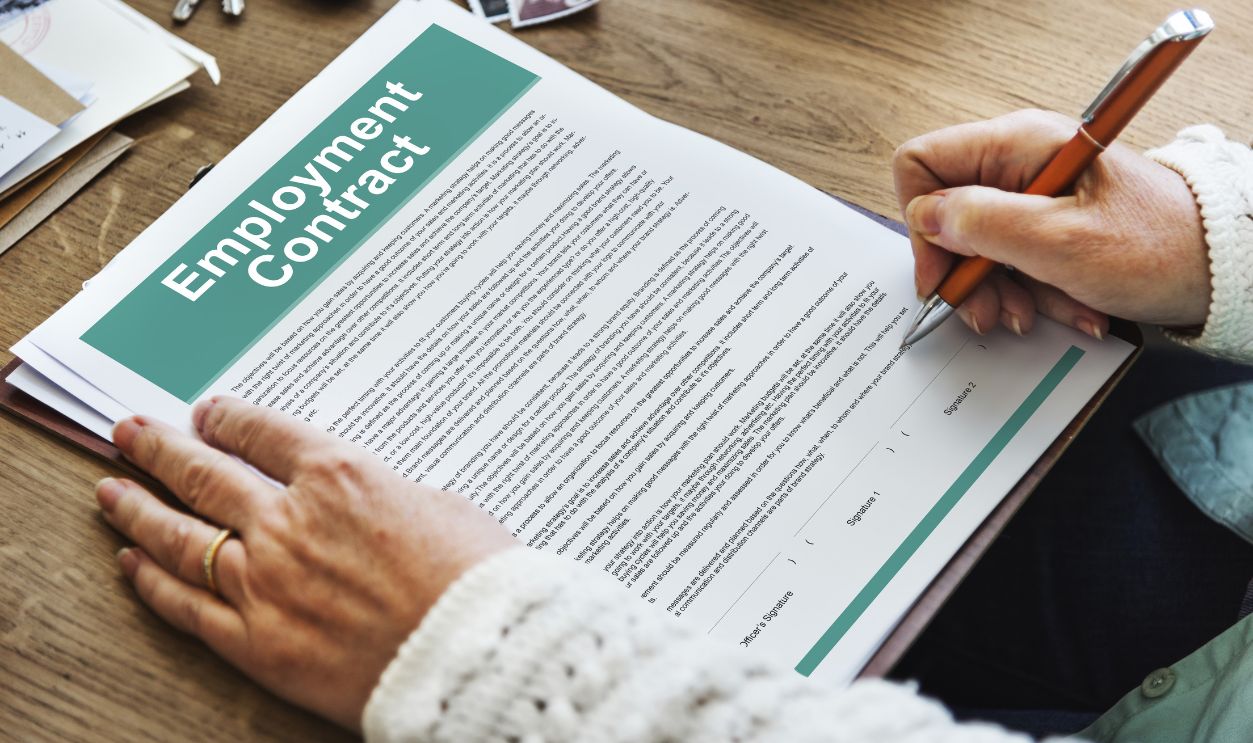
Verbal Promises Are A Weak Shield
Many workers are hired with upbeat promises that they will “make great commission.” The trouble starts later, when management points to a separate compensation plan with harsher terms. State laws like New York’s written notice rule exist for a reason, because vague verbal promises usually fall apart once a dispute begins.

If The Policy Changed Midstream, Pay Attention
An employer usually cannot rewrite the rules after you already made the sale and then use the new rule to strip out pay that was already earned. Timing matters in a lot of wage disputes. If management rolled out a refund clawback policy after the fact, that could matter a lot.

Final Paychecks Are Another Legal Flashpoint
Companies sometimes wait until an employee quits or gets fired and then try a huge reconciliation. State final pay laws can make that risky. If commissions were already earned under the plan, many states require timely payment and do not let employers sit on wages while they sort out their own internal problems.

Documentation Can Save Your Case
If this is happening to you, start gathering paperwork before memories fade. Save the commission plan, offer letter, pay stubs, sales reports, refund notices, emails about policy changes, and any messages explaining why money was taken back. A wage claim often turns on plain old documents, not dramatic courtroom moments.

Ask For The Calculation In Writing
Do not settle for a vague line like “that account charged back.” Ask payroll or HR to show the exact math and the exact policy provision they are relying on. If they cannot point to a written term, that weakness may matter later.

Check Whether You Ever Signed The Plan
In commission fights, signatures matter. Some states require written commission agreements, and even where a signature is not required, proof that you received the terms can still shape the outcome. If the company cannot show that you agreed to a clawback formula, its position may be weaker than it sounds.

State Labor Agencies Can Be Useful
You do not always need to head straight to court. State labor departments often publish guidance, wage claim forms, and FAQs explaining whether deductions are allowed and when commissions count as earned wages. Those public materials can help you push back with facts before legal bills start stacking up.

When To Talk To A Lawyer
If the amounts are large, the deductions keep happening, or your pay dropped below minimum wage, it may be time to get legal advice. Employment lawyers usually look at the plan language, your pay records, and your state’s wage laws. Even a short consultation can tell you whether this is a harsh but legal policy or a wage violation hiding in plain sight.

The Practical Bottom Line
Yes, a boss may be able to reduce or reverse commissions after customer refunds if the written plan clearly makes the commission conditional and the deduction does not violate wage laws. No, that does not mean your employer can always make you lose money or raid your wages however it wants. The safest answer is not a guess. It is a paper trail: read the plan, check your state law, and make the company show its math.

What To Do Next If This Is Your Paycheck
Start with the commission agreement and your latest pay stubs today, not after another deduction lands. Compare what the company did with your state labor department’s rules on earned commissions and wage deductions. If the numbers still do not add up, ask for the policy in writing and think about filing a wage claim or talking with an employment lawyer.