
When Your Neighbor Becomes An Unofficial Landlord
It is one of those suburban plot twists nobody puts in the welcome packet: your neighbor starts renting out rooms, strangers come and go, and suddenly your peaceful HOA community feels more like a budget inn. If the bylaws clearly ban it, you are not powerless—but you do need to play this smart.

Start By Making Sure You Are Right
Before launching into battle mode, take a breath and confirm the rules. HOA bylaws, CC&Rs, and community leasing policies can be surprisingly specific. Some ban short-term rentals, some restrict room-by-room leasing, and some only limit non-owner occupancy. The exact wording matters more than neighborhood gossip.

Read The Fine Print Carefully
Look for language about “single-family use,” “leasing restrictions,” “transient occupancy,” or “boarding arrangements.” A homeowner may not technically be violating the rules if the policy only bans Airbnb-style stays but says nothing about long-term roommates. Annoying? Maybe. Actionable? Only if the documents back you up.

Keep Your Emotions Out Of It
This feels personal because it is happening next door, but your best case gets built on facts, not frustration. If you go in sounding angry, dramatic, or nosy, people tune out. If you show up calm, clear, and organized, you sound like the reasonable adult in the cul-de-sac.

Document What You Are Seeing
You do not need a trench coat or binoculars, just good notes. Write down dates, patterns, frequent turnover, extra cars, parking issues, noise, trash problems, or any obvious signs that rooms are being rented. Stick to what you directly observe, not what somebody’s cousin swears is happening.

Skip The Amateur Detective Routine
Do not peek through windows, record private conversations, or snoop through mail. That crosses a line fast. Your goal is not to become the neighborhood surveillance department. You only need enough evidence to show a likely bylaw violation, not enough material for a true-crime podcast.

Talk To Your Neighbor First If It Feels Safe
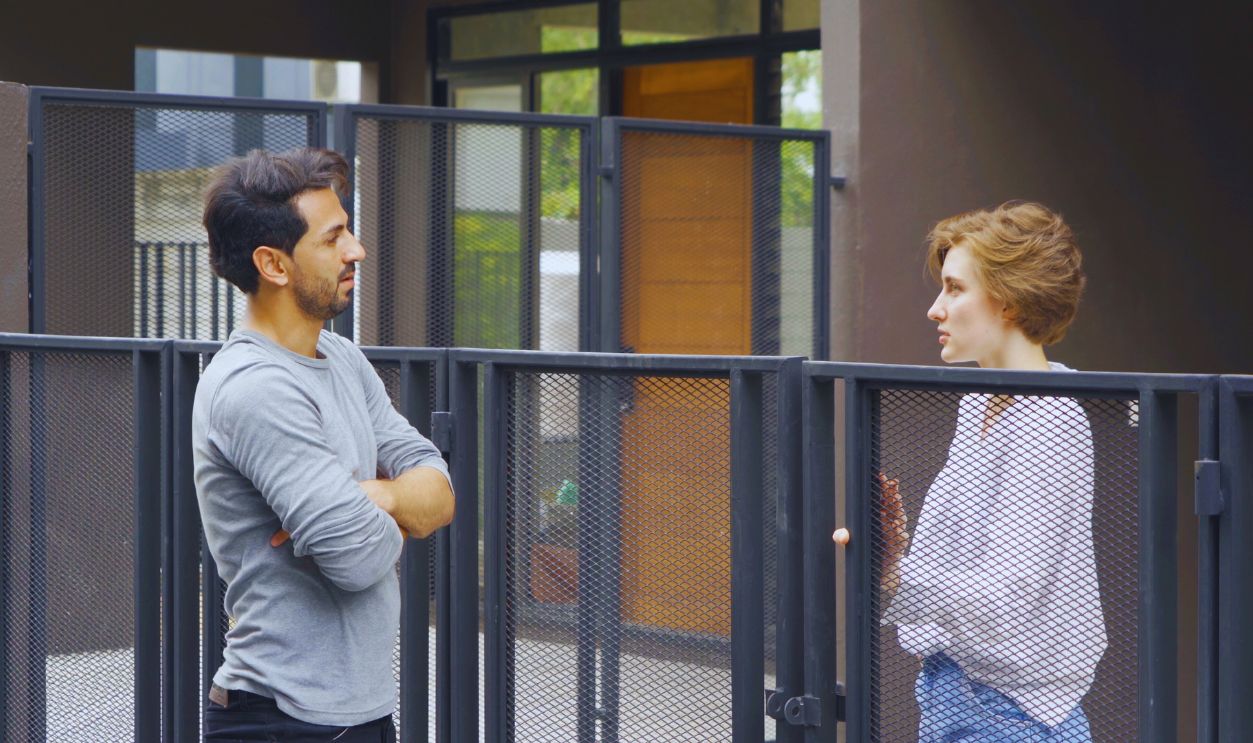
Sometimes the simplest move is a polite conversation. Your neighbor may not know the HOA rule, or may assume renting rooms is different from renting the whole house. A calm, neighborly chat can solve problems faster than a formal complaint—if the person is approachable and things feel safe.

Keep That Conversation Friendly
This is not the time for finger-pointing or “I know what you are doing.” Try something softer: you noticed extra activity, you remembered the HOA has rental restrictions, and you wanted to mention it before the board gets involved. That gives them a chance to fix it without a public showdown.
Don’t Argue If They Get Defensive
If your neighbor responds with anger, denial, or a masterclass in selective hearing, do not take the bait. You are not there to win a debate on the driveway. Once the conversation stops being productive, step away. You can always move to the formal process later.

Review The HOA Complaint Process
Most HOAs have a specific method for reporting rule violations. It may be an online form, written complaint, management company email, or board submission. Follow that process exactly. HOA boards love procedure, and the more neatly you fit into it, the harder you are to ignore.

File A Written Complaint
A written complaint creates a paper trail, which is your best friend here. Be short, factual, and specific. State the rule you believe is being violated, explain what you have observed, and attach any relevant notes. Avoid emotional language like “this is outrageous” or “the neighborhood is ruined forever.”

Use The Rule Language In Your Complaint
If the bylaws say “no leasing of less than the entire dwelling unit,” use those exact words. If they prohibit “transient” or “rooming house” arrangements, quote that language. You are much more persuasive when you sound like you are enforcing the rules, not inventing your own.

Gather Support Without Starting Drama
If other neighbors are affected, they may also want to submit complaints. That can help show this is a community concern, not a one-person grudge match. Just do not turn it into a gossip circle. You want corroboration, not a popcorn-fueled neighborhood uprising on the group chat.

Expect The HOA To Move Slowly
This is the part nobody enjoys. Even when the violation seems obvious, HOAs often move at the speed of a sleepy turtle. There may be notices, hearings, deadlines, appeals, and attorney reviews. Slow action does not always mean inaction. It may just mean bureaucracy is doing its usual dramatic crawl.

Ask For Confirmation, Not Constant Updates
Once you submit your complaint, ask whether it has been received and whether it will be reviewed under the enforcement policy. That is enough for now. Repeated daily emails rarely speed things up. They mostly convince the board that you have become their new full-time hobby.

Understand Why The HOA May Hesitate
Boards do not always jump into rental disputes because enforcement can get messy. They may need proof, legal review, or confidence that the rule is enforceable under state law. That does not excuse inaction, but it explains why even obvious violations can get wrapped in procedural bubble wrap.

Check Whether State Or Local Laws Matter
In some places, state law limits what HOAs can ban or how they can enforce rental restrictions. Local zoning, licensing, and occupancy rules may also come into play. The HOA documents matter, but they are not the only layer. Sometimes the bigger legal picture changes your best next step.

Consider Whether It’s A Safety Issue
If the room rentals are causing overcrowding, blocked driveways, unsafe parking, trash buildup, or repeated disturbances, this may be more than a bylaw issue. In that case, city code enforcement or local authorities may care too. Focus on conduct and safety problems, not simply disliking new faces nearby.

Keep Your Complaint Focused On Impact
The strongest complaints are not “I do not want renters here.” They are “this appears to violate the governing documents and is causing parking congestion, noise, and security concerns.” That sounds more reasonable, more objective, and much less like a neighborhood turf war.

Don’t Harass The Renters
The people renting rooms may have no clue they are part of an HOA controversy. Do not confront them, shame them, or make them miserable. Your issue is with the homeowner and the rule enforcement process. Dragging tenants into the drama usually makes everything uglier and helps no one.

Follow Up The Right Way
If weeks pass and nothing seems to happen, send one calm follow-up asking for the status of the complaint and whether the board needs additional documentation. Friendly persistence works better than fury. Think steady drip, not fire hose. HOA politics are tedious enough without added theatrics.

Attend An HOA Meeting
If your HOA allows owner comments, this can be a useful next step. Bring your concern to the board in a calm, concise way and ask how rental restrictions are being enforced. Public accountability can be effective, especially if the issue affects multiple homeowners and not just your property line.

Ask For Consistent Enforcement
One big issue with HOAs is selective enforcement. If the board cracks down on mailbox paint but ignores rental violations, that is a problem. Ask whether the same standards are being applied across the community. You are not asking for special treatment—you are asking for the rules to mean something.

Consider Talking To An Attorney
If the HOA refuses to act and the violation is clear, a consultation with a real estate or HOA attorney may be worth it. This does not mean you are filing a blockbuster lawsuit tomorrow. It just means you want to understand your rights, the HOA’s duties, and realistic options.

Be Realistic About The Endgame
The likely goal is enforcement, not revenge. Maybe your neighbor stops renting rooms. Maybe the HOA issues warnings and fines. Maybe the board updates vague rules so this cannot keep happening. A satisfying outcome is one that restores order, even if nobody exits the scene in legal handcuffs.

Protect Your Peace While It Plays Out
You can do everything right and still wait a while for results. In the meantime, keep your records, stay civil, and avoid getting sucked into a daily cycle of annoyance. HOA disputes are stressful enough without letting them become your entire personality between breakfast and bedtime.

The Best Move Is The Smart Move
If your neighbor is renting out rooms in violation of HOA bylaws, your strongest response is calm, documented, and procedural. Confirm the rule, collect facts, report it properly, and keep pressure on the board to enforce its own standards. In HOA land, patience and paperwork are often the real power couple.

You May Also Like:
I Sent Money To The Wrong Person Through A Banking App. Is There Any Way To Get It Back?