
The $40,000 Wedding Gift That Came With Strings Attached
A big wedding gift can feel like a lifesaver, especially when venue, food, and photo costs keep climbing. But things can go sideways fast when the people who gave the money start acting like they also bought a say in every decision. If your parents handed over $40,000 and only later rolled out a list of demands, the real question is simple: was it a gift, or was it support with conditions nobody spelled out at the start?

Why This Hits So Hard
Family money fights are rarely just about money. They are usually about control, expectations, gratitude, and whether help comes with an unspoken price tag. Weddings make all of that more intense because they are personal, public, and expensive at the same time.

What A Gift Means In Plain English
In normal conversation, a gift is something given freely without expecting something back. The IRS uses a similar basic idea for tax purposes, describing a gift as a transfer where full consideration is not received in return. That does not settle a family argument by itself, but it supports the common-sense point that a real gift is not supposed to turn into a tool for control after the fact.

Why Conditions Matter Legally
When disputes like this end up in legal territory, courts often look closely at whether the money was an outright gift or a conditional transfer. If conditions were clearly laid out before the money changed hands, those terms may matter a lot. If the expectations only appeared after the check cleared, the giver’s position usually looks much weaker, especially if nothing was put in writing.

How Wedding Money Turns Into A Verbal Contract Fight
This is where things get messy. One side may swear that everyone “knew” there were strings attached, while the couple may believe the money was given freely. Without a written record, the fight can come down to texts, emails, witnesses, and the timeline of who said what and when.

Why Timing Changes Everything
If your parents gave you $40,000 first and only later started listing conditions, that timing matters a lot. Conditions usually carry more weight when they are shared before the money is accepted, not after the recipient has already relied on it. Put simply, it is much harder to claim, “You agreed to our terms,” if those terms showed up later.

What A Conditional Gift Usually Looks Like
A conditional gift is not automatically unfair. Parents might say ahead of time that they will contribute only if the money goes toward the wedding, only if the venue stays within a certain budget, or only if certain family traditions are included. The key is being clear up front, so the couple has a real chance to accept, negotiate, or say no.

What Late-Breaking Strings Usually Mean
When conditions appear after the money is already given, that often points to an expectations problem more than a legal one. The parents may feel that such a big contribution should come with influence. The couple may feel cornered because gratitude is suddenly being used as leverage.

Why The Stakes Are So High
This kind of fight usually lands at a moment when many couples feel they need financial help just to afford the wedding they want. According to The Knot’s 2025 Real Weddings Study, the national average wedding cost in 2024 was $33,000, not including the honeymoon. That helps explain why $40,000 can feel less like a bonus and more like the line between staying stable and going into debt.

Why Couples Accept Money They May Regret Later
It is easy to think money will not change anything. Then the guest list battle starts, or the venue argument, or the pressure to invite relatives you barely know. Family money can ease one kind of stress while creating a whole new one that lasts a lot longer.
 AI25.Studio AI GENERATIVE, Pexels
No Federal Law Hands Over Your Wedding Decisions
There is no general federal law saying a parent gets to control your wedding just because they paid for it. This is usually a private dispute shaped by state contract rules, the available evidence, and family dynamics. Writing the check does not automatically buy decision-making power unless everyone actually agreed to that setup.

What The IRS Can And Cannot Tell You
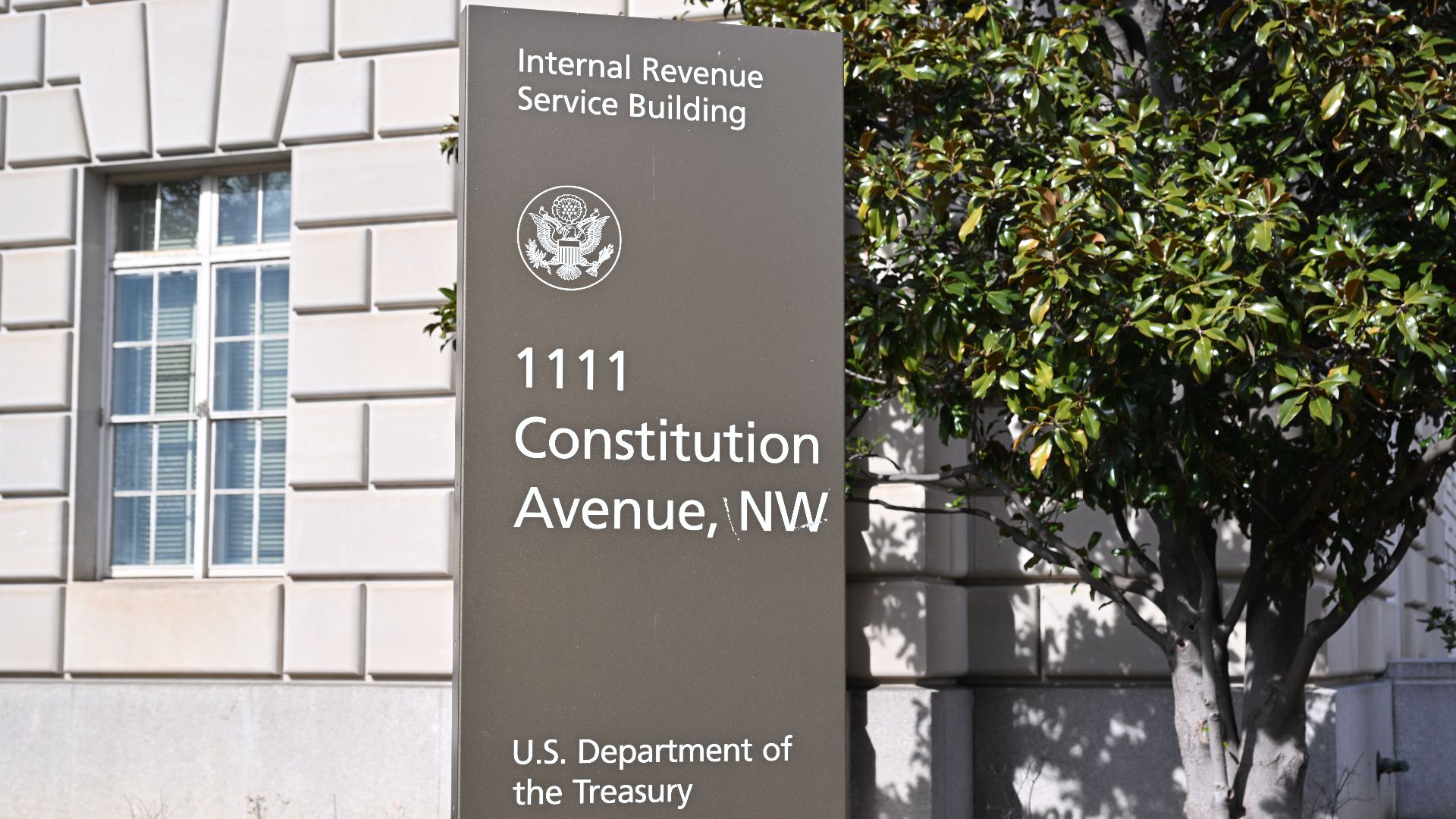
The IRS is useful here for one narrow reason. Its guidance helps explain what a gift generally is for tax reporting, but it does not settle family fights over flowers, seating charts, or ceremony plans. It also does not turn a broken family promise into an enforceable command.
 G. Edward Johnson, Wikimedia Commons
Why Gift Tax Rules Are Not The Main Issue
Some people hear “$40,000 gift” and immediately worry about taxes. IRS guidance explains that the annual gift tax exclusion applies per recipient, and married couples may sometimes use gift-splitting rules, so the tax side can be more complicated than it sounds. But whether the transfer triggers reporting is a separate question from whether your parents get to call the shots later.

Emotional Pressure Can Be Stronger Than Legal Pressure
This is often the hardest part. A parent does not need a strong legal case to create a lot of pressure, especially if they threaten family drama, public scenes, or demands for repayment. Many couples end up asking not who is legally right, but what is the least painful way out.

Start With The Timeline
Before you respond, piece together exactly what was said and when. Look through texts, emails, cards, bank transfer notes, and any messages that used words like “gift,” “for your wedding,” or “we expect.” Those details can help show the difference between a real misunderstanding and a last-minute power move.

Sort The Demands By Type
Not every request needs the same response. Some may be small preferences, like wanting a family photo or a certain song played. Others may be major control moves, like taking over the guest list, venue, alcohol policy, religious ceremony, or even the dress. Breaking the demands into categories can make the next conversation much easier.

Ask One Clear Question
Try this: “Are you saying this money was a gift, or are you saying it was conditional support with terms we never agreed to in advance?” That question forces the issue. It also shifts the conversation away from guilt and toward facts.

If They Say It Was Conditional, Ask For The Original Terms
Stay calm and ask when those conditions were shared. Ask whether they were written down anywhere before the money was given or spent. If the conditions only showed up later, you have identified the core problem without turning the conversation into a blowup.

You May Need To Return The Money
This is often the cleanest answer, even if it hurts. If the money is being used to control your choices, returning some or all of it can reset the balance and protect your independence. It may not be easy financially, but it can be cheaper emotionally than letting someone else run your wedding.
 https://kaboompics.com/, Pexels
A Partial Return Can Be A Compromise
If part of the money has already been spent, paying it all back right away may not be possible. In that case, you could offer to return the unused portion or set up a repayment plan for the rest. That can weaken the argument that you accepted benefits tied to terms you now reject, even if those terms were never clearly given in the first place.

Watch The Vendor Contracts Carefully
If your parents paid vendors directly, things can get more complicated. The contracts may list them as the client or payer, which can create real problems with cancellations, changes, or refunds. Check every agreement closely so you know who actually controls the booking before anyone threatens to pull the plug.

Do Not Fight This Battle Through Every Wedding Choice
One of the worst ways to handle this is to argue about the money through every single wedding detail. That turns planning into one long series of traps. Deal with the money issue first, then move forward with whatever budget and decision-making setup is left.

Put Boundaries In Writing
After the conversation, send a short follow-up message that sums up what was said. You can say you appreciate the generosity, but you cannot accept post-gift control over personal decisions, or that you will return the funds if that is the expectation. A written follow-up cuts down on confusion and creates a record if the story changes later.

Why Therapists See This All The Time
Relationship experts often point out that family gifts can blur boundaries when gratitude and authority get mixed together. Weddings are a classic pressure point because they bring out tradition, status, and old parent-child dynamics all at once. If this fight is exposing deeper control issues, a counselor may do more good than another planning session.

How To Protect Yourself Next Time
The lesson is not to never accept help. It is to define the help before you use the money. For any big family contribution, ask in writing whether it is a gift or conditional support, what the exact conditions are, who controls vendor contracts, and what happens if plans change.

A Simple Script For Couples
You can say: “We are grateful for your generosity. We need to be clear about whether this is a no-strings gift or financial support tied to specific conditions. If there are conditions, we need them stated now so we can decide whether to accept.” It may feel awkward, but it is much less awkward than finding out halfway through planning that the money came with hidden terms.

What Not To Do
Do not rely on vague phrases like “helping out” or “taking care of it.” Do not assume your parents mean the same thing you do when they say “gift.” And do not rush to spend the money because you hope the tension will somehow go away on its own.

The Bottom Line On After-The-Fact Strings
A real gift generally does not turn into a control panel once the money is handed over. If your parents gave you $40,000 without naming any conditions at the time, they may still have strong opinions, but they have a weaker case for trying to control things later. Your best move is to document the timeline, push for clarity, set boundaries in writing, and, if needed, give the money back so your wedding and your future stay yours.