
The Ask Sounds Simple Until It Doesn’t
Being asked to serve as executor can sound like a sign of trust. It can also pull you into a legal and financial mess if you are expected to handle an estate with no real information. If your parents refuse to tell you what they own or owe, agreeing right away is usually a bad idea.

An Executor’s Job Is Not Just A Formal Title
An executor manages the estate after death, follows the will, gathers assets, pays debts and taxes, and distributes what is left to beneficiaries. This is not just a family favor. It is a legal role with deadlines, paperwork, and plenty of room for conflict.

You Can Be On The Hook For Mistakes
Many people hear “executor” and think it means reading the will and writing a few checks. In reality, executors can face personal liability if they hand out assets before valid debts or taxes are paid. The Internal Revenue Service says an executor may have to file final tax returns and deal with certain estate tax issues.

The Biggest Warning Sign Is Secrecy
If your parents want you to take responsibility but refuse to share even a basic picture of their finances, that is a serious red flag. You do not need every account number right now, but you do need enough information to tell whether the job is manageable. Saying yes without that can leave you hunting for records, creditors, and missing assets later.

What The Court Will Expect
Probate courts generally expect an executor to identify estate property, value assets, notify interested parties, and settle debts before distributing inheritances. The National Institute on Aging says an executor may need to handle probate, file tax returns, and pay debts from the estate. That work is hard enough when records are organized. It is much worse when no one knows what exists.

You Are Allowed To Ask Questions Before You Say Yes
Agreeing to be executor is voluntary. That means you can ask reasonable questions before accepting, including whether there is a will, where it is stored, who prepared it, and whether there are major debts, business interests, or properties. If your parents refuse to answer, that tells you something too.

You Do Not Need Exact Numbers To Need Basic Clarity
This is not about snooping. It is about understanding the size of the legal job you are being asked to take on. A rough inventory like a house, retirement accounts, a life insurance policy, a mortgage, and credit card debt may be enough to help you decide whether you are willing to serve.

Debts Can Change The Whole Picture
An estate with modest assets and heavy debt is very different from one with a paid-off home and clean records. If your parents owe taxes, have liens, co-owned property, or complicated loans, your job could get much harder very quickly. The Consumer Financial Protection Bureau notes that debt after death follows specific rules, and survivors should be careful about who is actually responsible for paying it.
Probate Often Takes Longer Than Families Think
Even a simple estate can take months to settle, and more complicated ones can take much longer. Delays often happen because documents are missing, property values are unclear, or family members disagree. Refusing to share basic financial facts now makes those delays more likely later.

Hidden Digital Accounts Can Be A Mess
Assets today are not just bank accounts and houses. They can include online savings accounts, crypto, payment apps, subscription income, and cloud storage full of important records. If your parents will not make a list of accounts and passwords, or at least say where that information is kept, you could spend months piecing the estate together.

Taxes Do Not Pause For Family Drama
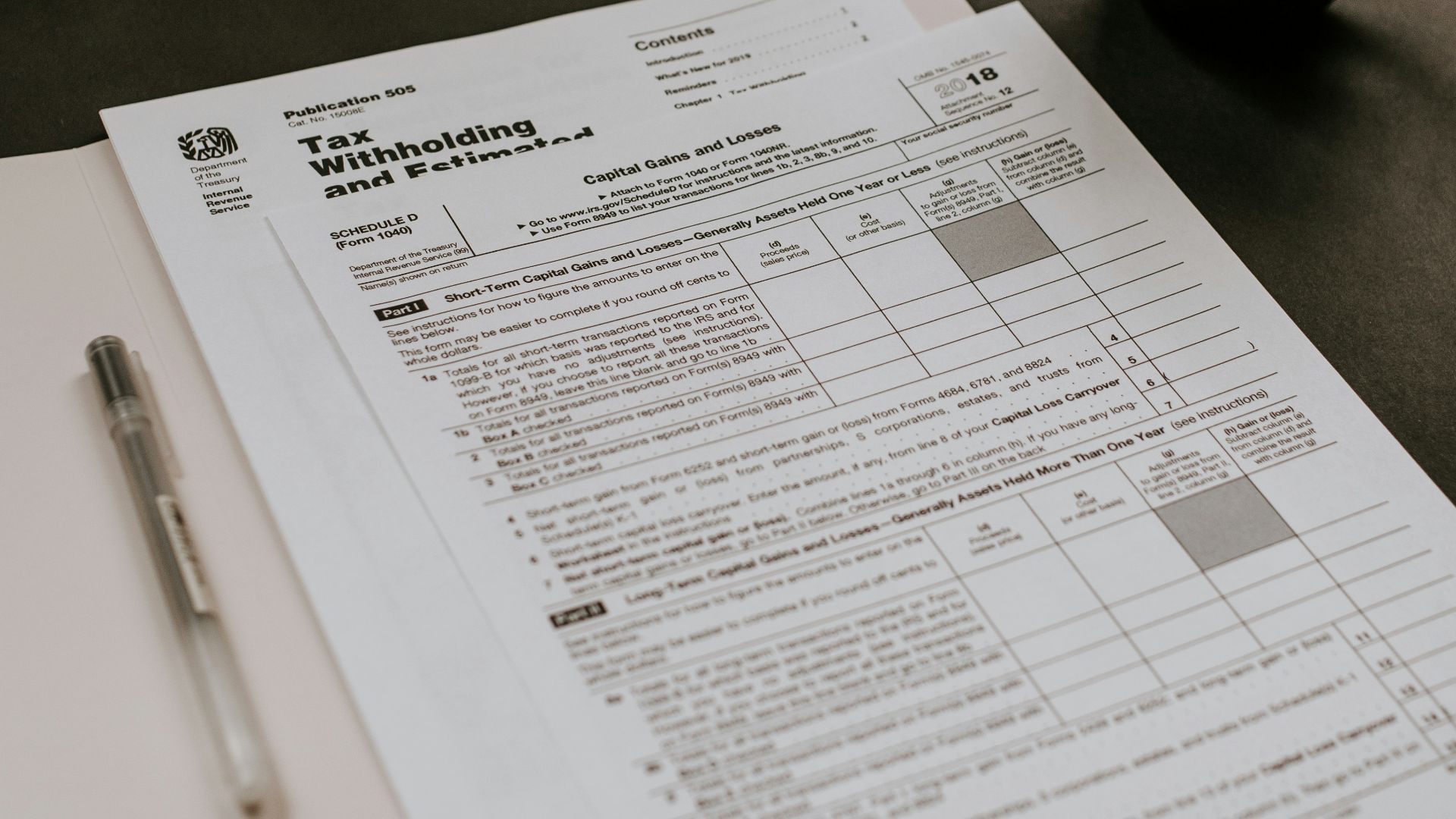
Executors may need to file the decedent’s final individual income tax return and, in some cases, returns for the estate itself. The IRS says personal representatives are responsible for these filings and related tax matters. If you do not know whether your parents own rental property, businesses, or other income-producing assets, you are taking on tax risk with no roadmap.

Family Conflict Can End Up On Your Desk
Executors are often the people relatives call when they are angry, grieving, suspicious, or all three. If one sibling thinks a piece of jewelry was promised to them and another expects the house to be sold, you may be caught in the middle. A lack of transparency before death can turn basic estate work into a family fight.

The Will Is Only Part Of The Picture
Some assets pass outside the will, including many retirement accounts, life insurance policies, and payable-on-death accounts. That means the executor may not control everything, but still needs to know what exists to understand the estate as a whole. If your parents will not even explain the main categories of assets, you are being asked to accept the job with missing pieces from the start.

You Can Ask For A Written Asset Summary
If talking in person gets nowhere, ask for a simple written summary. It does not need to list every dollar. It should cover major assets, major debts, professional contacts, where the original will is kept, and whether there is a safe deposit box, trust, or business interest.

A Good Estate Binder Can Save Everyone Trouble
Many financial planners urge families to keep a central file with account lists, property records, insurance information, tax returns, and contact details for lawyers and advisers. The National Institute on Aging recommends getting legal and financial papers in order and making sure the executor knows where they are. If your parents are serious about naming you, they should be willing to put that file together.

You Can Set Conditions Before Agreeing
You do not have to give a simple yes or no right away. You can say you will agree only if they provide a current will, a list of assets and debts, names of beneficiaries, and contact details for their lawyer and accountant. That is not rude. It is smart.

Trusts And Joint Ownership Can Still Get Complicated
Some families assume a trust makes everything easy. Not necessarily. The executor may still have to deal with probate assets, taxes, and personal property while a trustee handles trust assets. Jointly owned accounts and real estate can also pass outside probate, which is another reason you need a basic roadmap now.

State Law Matters More Than Most People Think
Executor rules vary by state, especially when it comes to probate steps, required notices, compensation, and accounting. The American Bar Association explains that state law controls much of estate administration. If your parents own property in more than one state, things can get even more involved.

You Can Decline Later, But That Can Cause Problems
Even if you are named in the will, you generally do not have to serve. You can usually decline after death, and the court can appoint an alternate or another qualified person. But stepping aside at that point can slow everything down, so it is better to sort this out before anyone is counting on you.

Sometimes A Neutral Professional Makes More Sense
If secrecy, sibling tension, or complicated finances are already obvious, a professional executor or corporate fiduciary may be the better choice. That can reduce accusations of favoritism and spare family members a difficult administrative burden. It also costs money, which is one more reason to talk about it now.

Do Not Mistake Love For Obligation
Many adult children feel guilty for hesitating. But being a good son or daughter does not mean taking on a legal role without enough information. You can love your parents and still insist on basic transparency before agreeing.

A Few Questions Can Tell You A Lot
Ask whether they own real estate, have unpaid taxes, carry major debt, maintain a trust, own a business, or have accounts at multiple institutions. Ask where the will is stored and whether beneficiary designations are up to date. If they refuse every question, the issue is not your caution. It is their refusal to prepare.

Watch For Signs The Estate Is Disorganized
Clues include unopened mail, vague answers about money, outdated wills, multiple bank relationships, and missing tax records. Another warning sign is when one parent handled everything and the other barely knows what exists. In those situations, accepting the role without a plan can leave you doing detective work while grieving.

What A Reasonable Yes Looks Like
A reasonable yes usually comes after your parents share a basic financial inventory, explain where documents are stored, and confirm who their advisers are. It also helps if they have updated powers of attorney, health care directives, and beneficiary forms. Prepared families do not make this role easy, but they can make it manageable.

What A Smart No Looks Like
A smart no can be polite and firm. You might say you would reconsider if they organize their records, but you cannot responsibly accept without enough information to understand the job. That is not rejecting them. It is refusing to take on unknown legal risk.

The Bottom Line
Should you agree to be executor if your parents refuse to tell you what they own or owe? In most cases, no, not until they provide at least a clear outline of assets, debts, documents, and advisers. If they want your help, they need to stop treating the role like an honor and start treating it like the serious legal job it is.