
The Ask Can Feel Caring And Risky At The Same Time
If your parents ask you to guarantee their apartment lease, it can hit hard. You want to help, but signing is not just a kind gesture. A lease guarantor can be legally responsible for unpaid rent, fees, and sometimes damage costs if the tenant does not pay.

A Guarantor Is Not Just A Reference
Landlords use guarantors to lower their risk when an applicant has weak credit, low income, or little rental history. A guarantor is usually someone with stronger finances who agrees to pay if the tenant defaults. That promise is often written into the lease or a separate guaranty agreement, and it can be enforced in court.

Why Landlords Ask For One
Property owners want to know the rent will be paid on time and the apartment will be taken care of. The Consumer Financial Protection Bureau says landlords often review credit reports, eviction history, and income during screening. If your parents do not meet those standards, a guarantor may be what gets the lease approved.
 G. Edward Johnson, Wikimedia Commons
The Biggest Risk Is Pretty Simple
If your parents stop paying rent, the landlord may come after you for the money. Nolo notes that a guarantor can be held liable for rent and possibly other costs, depending on the wording of the agreement. Put simply, you could end up paying for a home you do not live in.
Liability Can Go Beyond Monthly Rent
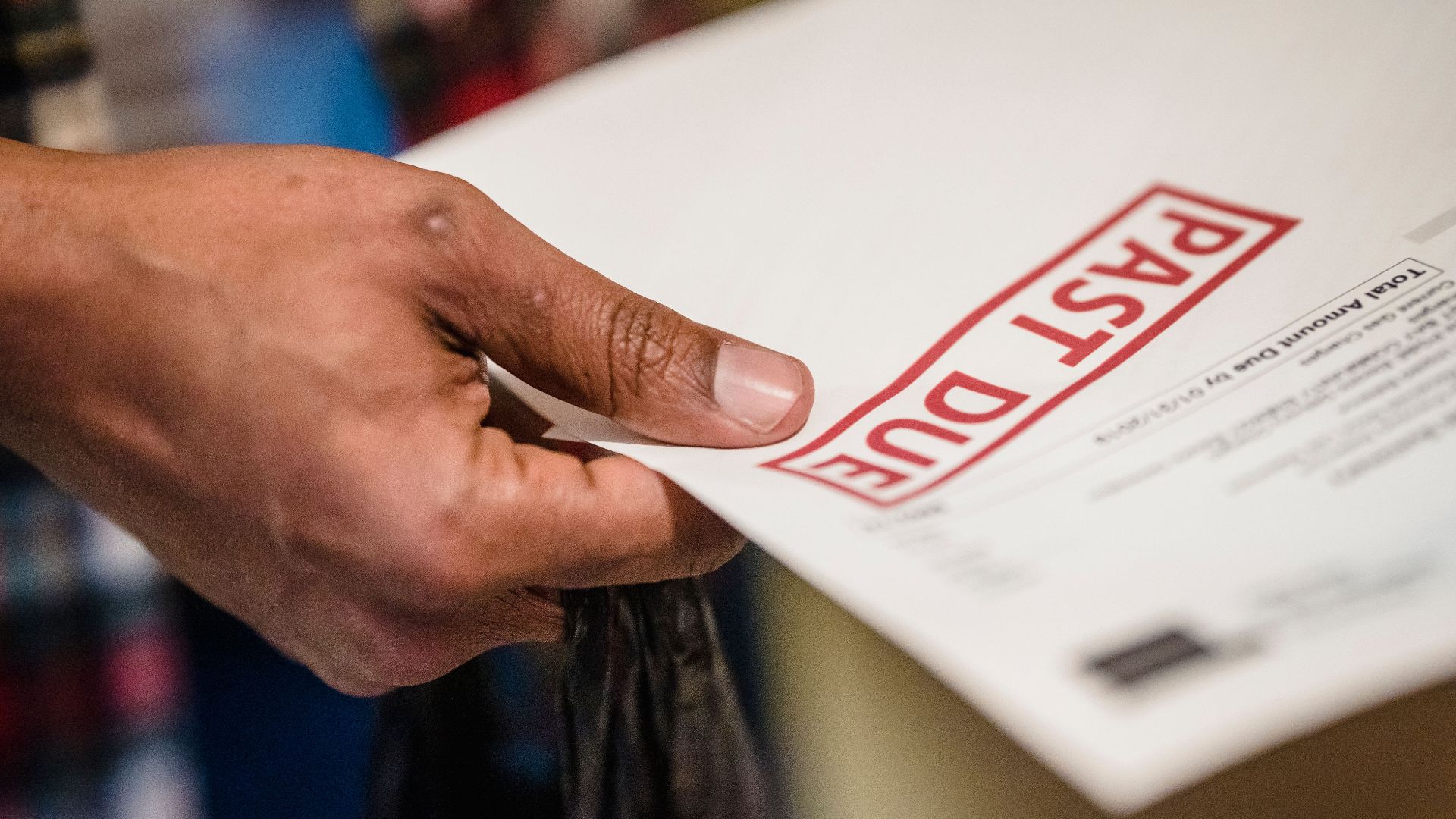
A lot of people think they are only backing one missed rent payment. That is not always how it works. A guaranty may also cover late fees, legal fees, lease-break charges, and property damage, which is why every line matters.

Your Credit Could Get Hit Too
A lease does not always show up on your credit reports, but a collection account or court judgment can. The CFPB explains that debt collectors may report debts to credit bureaus, and judgments or collections can hurt your ability to borrow. If the account goes bad and your name is tied to the obligation, the damage may not stay behind the scenes.
 LIGHTFIELD STUDIOS, Adobe Stock
It Can Affect Your Borrowing Power
Even if payments are current, a lender may ask whether you have guaranteed someone else’s housing obligation. Mortgage underwriters and other lenders look at your debts and financial commitments when deciding what you can afford. Helping your parents could make it harder to qualify for your own apartment, car loan, or mortgage later.

Joint Tenant And Guarantor Are Not The Same
This difference matters. A co-signer or co-tenant may have direct rights to live in the unit, while a guarantor often takes on the risk without getting the benefit of living there. The exact labels vary by lease and by state law, so do not assume the title means very little.

State Law Can Change The Details
Landlord-tenant rules are not the same everywhere. Some states handle fees, notices, collections, and eviction procedures differently, and those details can affect how a guaranty is enforced. That is why legal aid offices and state housing agencies often urge renters and guarantors to check local rules before signing.

New York Shows How Specific The Rules Can Get
New York offers a good example. Under New York General Obligations Law section 5-321.1, enacted in 2019, many residential leases cannot require a guarantor to be liable for rent that builds up after the tenant has moved out and given up possession. That does not remove all risk, but it shows why location matters.

Income Requirements For Guarantors Can Be Steep
In competitive rental markets, landlords often set high standards for guarantors. In New York City, it is common for landlords to want a guarantor earning far more than the annual rent, sometimes around 80 times the monthly rent, according to city tenant guidance. Those rules are not the same everywhere, but they show that landlords expect guarantors to have real financial strength.

If They Sue, Family Ties Will Not Stop It
Once you sign an enforceable guaranty, the landlord may pursue you like any other debtor. That can mean demand letters, collections, or a lawsuit for unpaid amounts. However personal the reason was, the document is still a business contract.

The Emotional Cost Can Be Just As Real
Money problems can strain families fast. If your parents miss payments and you step in, resentment can build on all sides. If you refuse to sign, guilt can hang in the air too. That is why it helps to treat this as a financial decision, not a test of loyalty.

Start By Asking For The Full Lease Package
Do not agree based on a quick verbal summary. Ask to see the lease, the guaranty agreement, building policies, and any move-in riders before signing anything. The worst surprises are often buried in the clauses people skim past.
Watch For The Words That Widen Your Liability
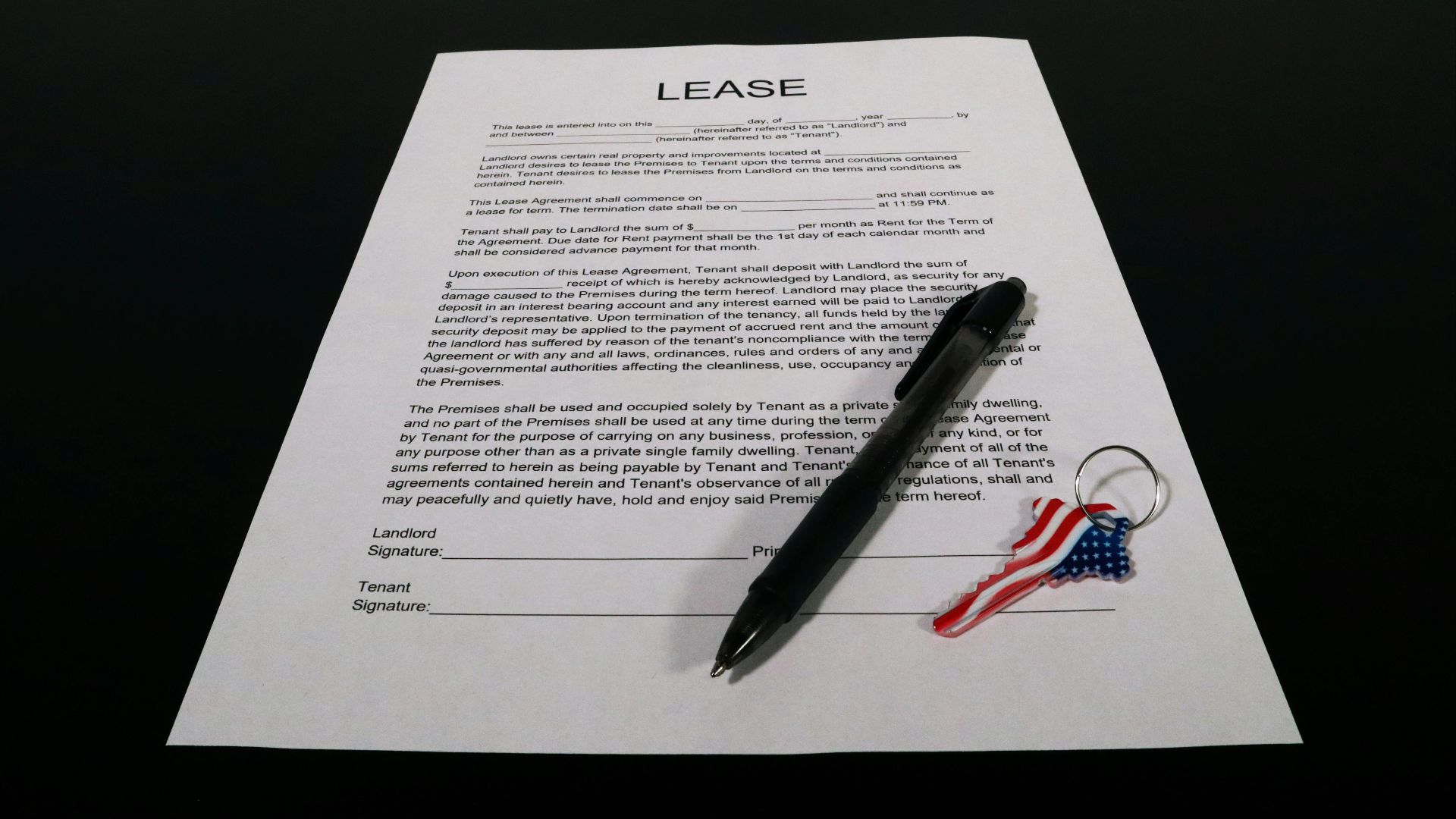
Pay close attention to phrases like “jointly and severally liable,” “all sums due,” or “continuing guaranty.” Those terms can expand what you owe and how long you owe it. If the guaranty renews automatically with lease extensions, the risk can last much longer than you expect.

Try To Limit The Guarantee In Writing
If you are willing to help, try to set clear limits. You can ask whether the landlord will accept a cap, like a set number of months of rent, or limit liability to the first lease term only. The important part is getting any limit written into the signed agreement, not mentioned casually in an email or phone call.

Do Not Assume You Can Back Out Later
Many guarantors think they can pull out if things get messy. In reality, once the lease is signed, you may be stuck for the full term or longer if the agreement says so. Getting your name removed from a renewal may require the landlord’s formal consent, and that may not happen.

Ask Hard Questions Before You Sign
What is your parents’ monthly income right now. Do they have savings for emergencies. Have they struggled with rent before, or is the credit issue tied to a one-time event like medical debt or a job loss. The reason behind the credit problems matters because it helps you judge whether the risk is temporary or ongoing.

Run The Numbers Like A Lender Would
Look at the rent, the lease length, and the worst-case cost if everything goes sideways. Add possible late fees, damage charges, and legal expenses if the contract includes them. If paying that amount would wreck your own finances, the risk is likely too high.
 Vodafone x Rankin everyone.connected, Pexels
Your Own Goals Matter Too
If you plan to rent a new place, buy a home, start a business, or build an emergency fund, a guaranty can get in the way. Helping family is generous, but not if it leaves you unable to cover your own bills. A firm boundary now can prevent a much bigger problem later.

There May Be Safer Ways To Help
Instead of guaranteeing the whole lease, you might offer a smaller, controlled form of help. That could mean covering part of the security deposit, paying moving costs, or helping them find a cheaper apartment that fits the landlord’s rules. A limited gift is often less risky than an open-ended legal promise.
 SALMONNEGRO-STOCK, Shutterstock
They Could Also Offer More Up Front
Some landlords may accept prepaid rent where state law allows it, or they may be more flexible if your parents can show steady income, retirement benefits, or recent financial improvement. It is worth asking about alternatives before your signature becomes the fallback plan.

A Roommate Or Different Building Could Change Everything
If the apartment only works with a guarantor, it may simply be too expensive or the screening rules may be too strict. A cheaper building, a shared living setup, or a market with looser approval standards could remove the need for your guarantee altogether. It may not be ideal, but it is practical.

Legal Review Sounds Dull Until It Saves You
Consumer contracts can look routine right up until there is a dispute. If a lot of money is on the line, paying a local attorney for a quick review may be well worth it. Tenant unions, legal aid groups, and housing counselors may also help explain what the document really means in your state.

If You Do Sign, Keep Records From Day One
Save the lease, the guaranty, proof of all payments, and every written message with the landlord and your parents. If a dispute comes up later, documentation can matter a lot. Good records will not erase your liability, but they can help you understand the timeline and push back if charges are wrong.

One Smart Condition Is Payment Transparency
If you agree to be a guarantor, ask your parents to share proof of rent payment every month. You can also ask the landlord whether they will notify you right away if a payment is missed, though they may not have to unless the contract says so. Early warning can be the difference between fixing a small problem and getting stuck with a huge one.

The Bottom Line Is That This Is Real Financial Risk
Signing for someone else’s rent is risky because it can make you responsible for a debt that is not really yours. The exact danger depends on the lease language, state law, your parents’ finances, and your own ability to handle a worst-case scenario. If you cannot comfortably afford the full obligation, the safest answer may be a caring no.