A Costly Choice Lands On The Kitchen Table
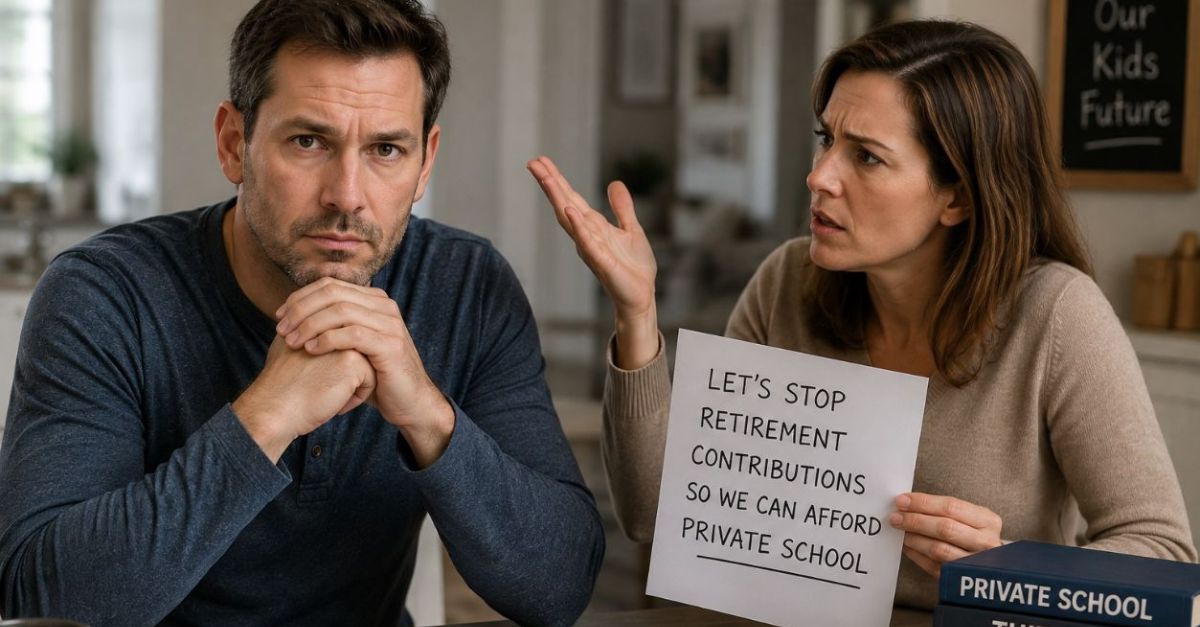
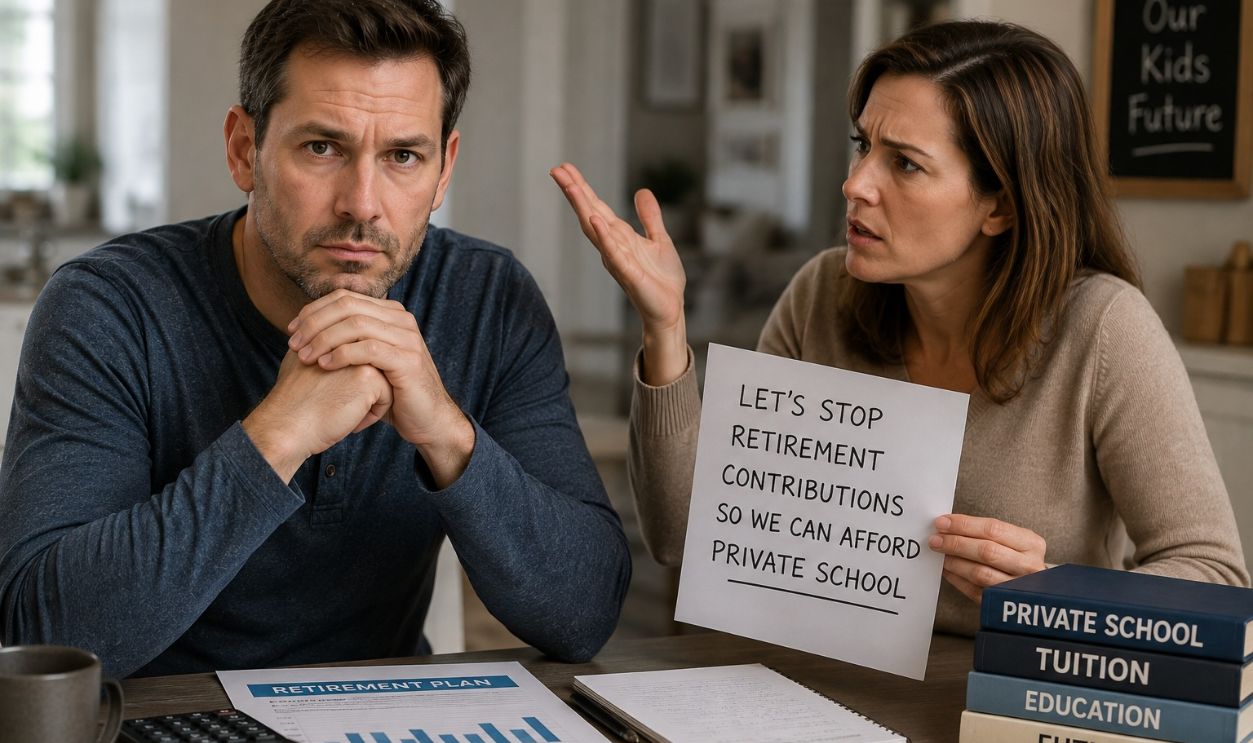
Few family debates feel bigger than this one. One path offers smaller classes and a private school community right now. The other protects your later years, when there are no scholarships for retirement and no easy way to borrow your way out.
Why This Tradeoff Feels So Emotional
Parents want to give their kids every advantage they can. Private school can feel like a direct investment in a child’s daily life, friendships, and opportunities. Retirement contributions are quieter and easier to cut because the payoff is decades away.

The First Rule Most Financial Planners Repeat
In personal finance, the usual advice is simple: fund retirement before taking on big education costs. The reason is practical, not harsh. Students can use scholarships, grants, work, and loans for school, but retirees cannot borrow to cover basic living costs later in life.
 simona pilolla 2, Shutterstock
Why Retirement Usually Comes First
Fidelity’s retirement guidance has long pointed to age-based savings goals to help workers stay on track, including having about one times salary saved by age 30, three times by 40, and more as retirement gets closer. Those milestones are not guarantees, but they show how much steady contributions matter over time. Stop saving for a few years, and catching up later can be a lot harder.

The Compounding Clock Is Unforgiving
Time does more of the heavy lifting in retirement accounts than most people think. Money invested earlier has more years to potentially grow through compounding. Pause contributions during peak earning years, and the missed growth can cost far more than the dollars you skipped.

Private School Comes With A Real Price Tag
The National Center for Education Statistics reports that private school tuition at the elementary and secondary level varies a lot, but it can range from several thousand dollars to well into five figures per year. For families with more than one child, the annual bill can start to look like a second mortgage. This is not just a values question. It is also a math problem.

What The Numbers Can Look Like In Real Life
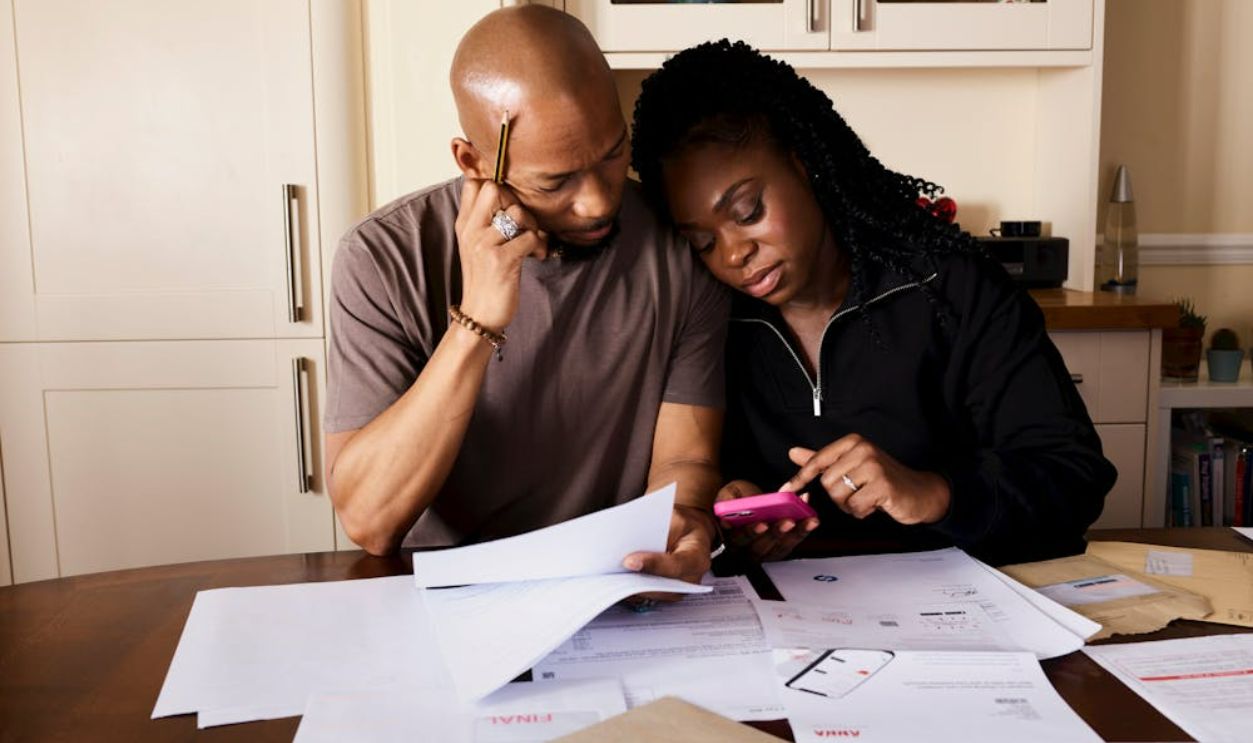
If a couple cuts $1,000 a month in retirement contributions for several years, the short-term relief can feel huge. But that same $12,000 per year, if invested and compounded over decades, can grow into a much larger sum by retirement. The exact result depends on returns and timing, but the long-term cost is real.
 Vodafone x Rankin everyone.connected, Pexels
Do Not Overlook The Employer Match
If either spouse has a 401(k) match, stopping contributions can mean giving up part of your compensation. The IRS sets annual contribution limits, but employer matching dollars are often the easiest return available in a retirement plan. Walking away from that match to pay tuition can make an expensive decision even more expensive.

Taxes Matter More Than Couples Expect
Traditional 401(k) contributions can reduce taxable income in the year they are made, while Roth accounts can allow tax-free qualified withdrawals later. Either way, retirement accounts come with tax advantages that ordinary cash flow does not. Giving up those benefits adds another hidden cost to the private school decision.
What Experts Mean By Being Retirement Ready
The Employee Benefit Research Institute has repeatedly documented that many households already face retirement savings gaps. That matters because families thinking about private school are not making this choice in a vacuum. If you are already behind, cutting contributions can widen the gap at exactly the wrong time.
Social Security Was Never Designed To Do All The Work
The Social Security Administration makes clear that retirement benefits are meant to replace only part of a worker’s pre-retirement income. For many households, that means personal savings must cover a large share of future expenses. Counting on Social Security alone after stepping back from retirement investing is a risky plan.

Private School Can Be Wonderful, But It Is Not The Only Path
Many children do well in public schools, magnet programs, charter schools, or specialized district offerings. A private school education can be a strong fit for some families, especially if a child has a specific need or the local public option is weak. But it should be weighed against alternatives, not treated as the automatic premium choice.
Start With The Hard Question
Ask why private school is on the table in the first place. Is there a safety issue, an academic mismatch, a bullying problem, a special program, or mostly a prestige concern. The answer matters because a need-based reason calls for a different response than a status-driven one.

Try A Tuition Stress Test Before You Commit
One smart move is to simulate the tuition payment for six to twelve months before enrolling. Keep retirement contributions intact during that trial. If the budget breaks, that is useful information before you sign contracts and lock yourself into a long-term commitment.

Look For A Middle Ground Instead Of An All-Or-Nothing Cut
The best compromise may be cutting extras before cutting retirement contributions. Families often find room by trimming travel, dining out, subscriptions, camps, or vehicle upgrades. If that is not enough, consider lowering retirement savings only after preserving at least enough to capture any employer match.

A Reasonable Floor Can Protect Your Future
Many advisors suggest never dropping below the amount needed to get the full employer match, because that is immediate compensation. After that, protect the minimum contribution level that keeps your long-term plan workable. The goal is not perfection. It is avoiding damage that will be painful to undo later.

Financial Aid At Private Schools Is Often Overlooked
Some families assume private school means paying full freight, but many schools offer need-based aid or flexible payment plans. Ask for the aid policy in writing and verify deadlines carefully. Tuition discounts, sibling reductions, and grants can materially change the equation.

Do Not Ignore Public Options With Hidden Strengths
Before making a costly switch, look into gifted programs, honors tracks, arts academies, language immersion, and dual-enrollment opportunities in your local public system. Some districts also offer open enrollment or transfers within the system. A little research can uncover options that solve the problem without gutting retirement savings.

Your Age Changes The Answer
If you are in your 30s, a short pause in retirement contributions may be easier to recover from than if you are in your late 40s or 50s. If retirement is closer, every skipped year matters more because you have less time to catch up. The same tuition bill can be manageable for one couple and dangerous for another.

Your Existing Savings Change The Answer Too
A couple already ahead of retirement benchmarks has more flexibility than one living contribution to contribution. Fidelity’s savings milestones are not perfect for every household, but they offer a rough check on progress. If you are below those benchmarks, trading future retirement capacity for current tuition is especially risky.

College Is Still Coming After K Through 12
Private elementary or high school tuition does not happen in isolation. Many parents who stretch for K through 12 later feel pressure to help with college as well. If retirement contributions stop now, the squeeze can turn into a multi-stage financial trap that lasts for decades.

There Is Also A Marriage Issue Here
When one spouse wants to protect the kids’ present and the other wants to protect the couple’s future, neither side is necessarily selfish. They may simply be ranking risks differently. Treat this as a joint planning problem, not a moral battle, and put the numbers in black and white before emotions take over.

Run The Decision Through Three Filters
First, can you pay tuition while keeping at least your employer match and staying close to your retirement target. Second, is private school solving a clear problem that public alternatives cannot solve. Third, will this choice still look wise if one income drops, markets slide, or college costs arrive sooner than expected.

What If The Answer Is Still Yes
If private school still looks like the right move, put guardrails around the decision. Set a fixed review date every year, keep a firm minimum retirement contribution, and revisit financial aid options annually. That helps keep a values-based choice from turning into an open-ended drain on your future security.

What If The Answer Is No
If the numbers do not work, saying no is not a parenting failure. It is a recognition that protecting your future financial independence also protects your children from future burdens. Adult kids often end up helping parents who underfunded retirement, and that can limit the very opportunities parents hoped to create.

The Bottom Line For Most Families
For most households, retirement should come first, especially up to the full employer match and ideally at a level that keeps your long-term plan on track. Private school can be worth it in select cases, but it should clear a very high bar before you sacrifice tax-advantaged retirement savings. The strongest answer is usually a compromise that helps your children now without creating a money crisis later.
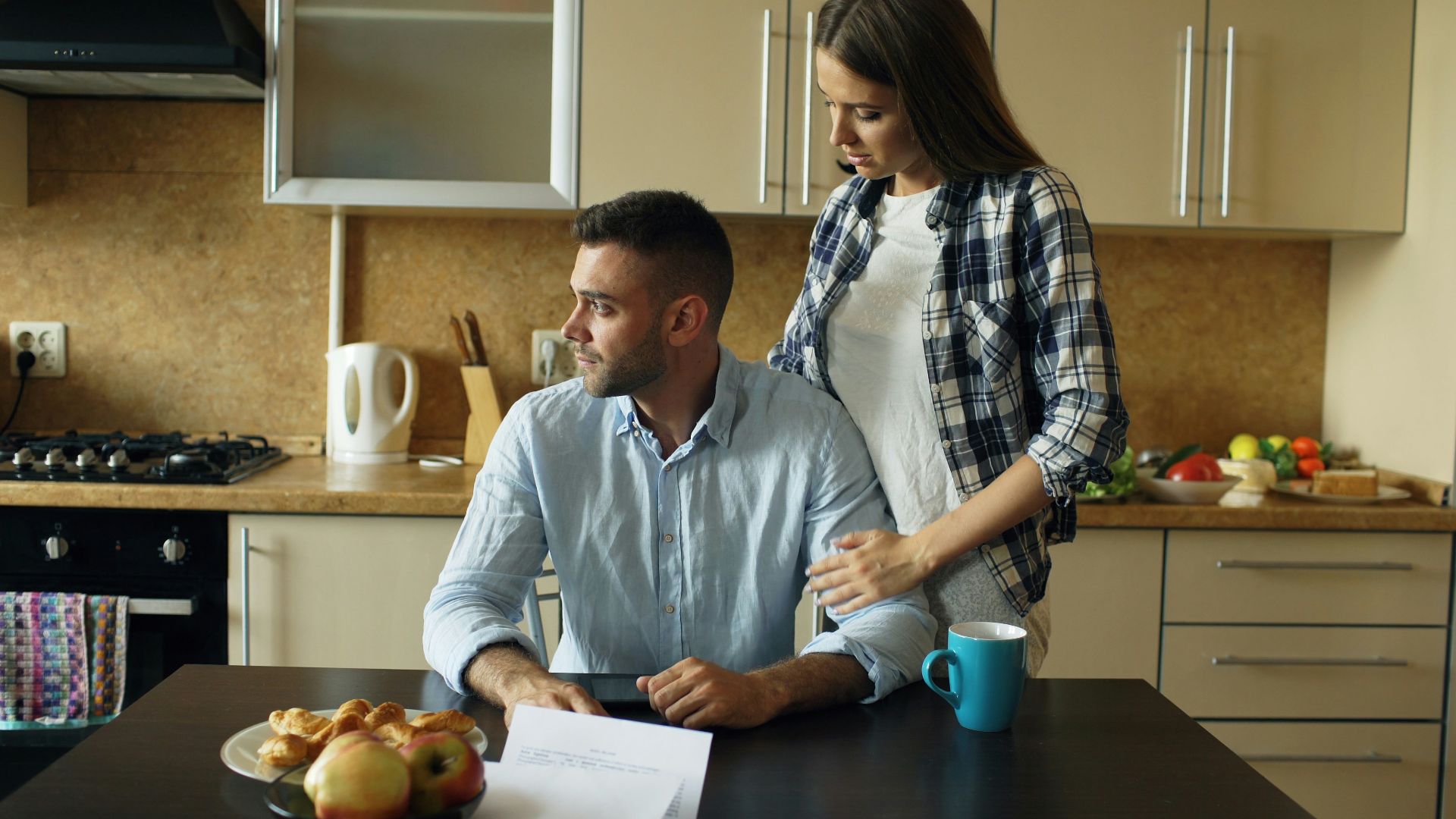
The Best Next Step You Can Take Tonight
Pull your last retirement statement, your monthly budget, and the school’s full tuition schedule, including fees. Compare the annual cost against what you would lose in contributions, employer match, and long-term growth. Once the numbers are visible, the right path often becomes much easier to see.