

The Pitch Sounds Better Than Reality
You understand how people get tempted: Buy now, lock in luxury travel, and just watch the value go up. The timeshare pitch sounds even better when a salesperson talks about it like it's real estate instead what it really is: A prepaid vacation product. And that difference is incredibly important.
 Vitaly Gariev, Pexels, Modified
What a Timeshare Really Is
A timeshare usually gives you the right to use a vacation property for a set time each year, or points you can use inside a resort system. Some are deeded interests, while others are right-to-use contracts, but both come with ongoing costs. That matters because you are not just buying something. You are also signing up for a long-term bill.
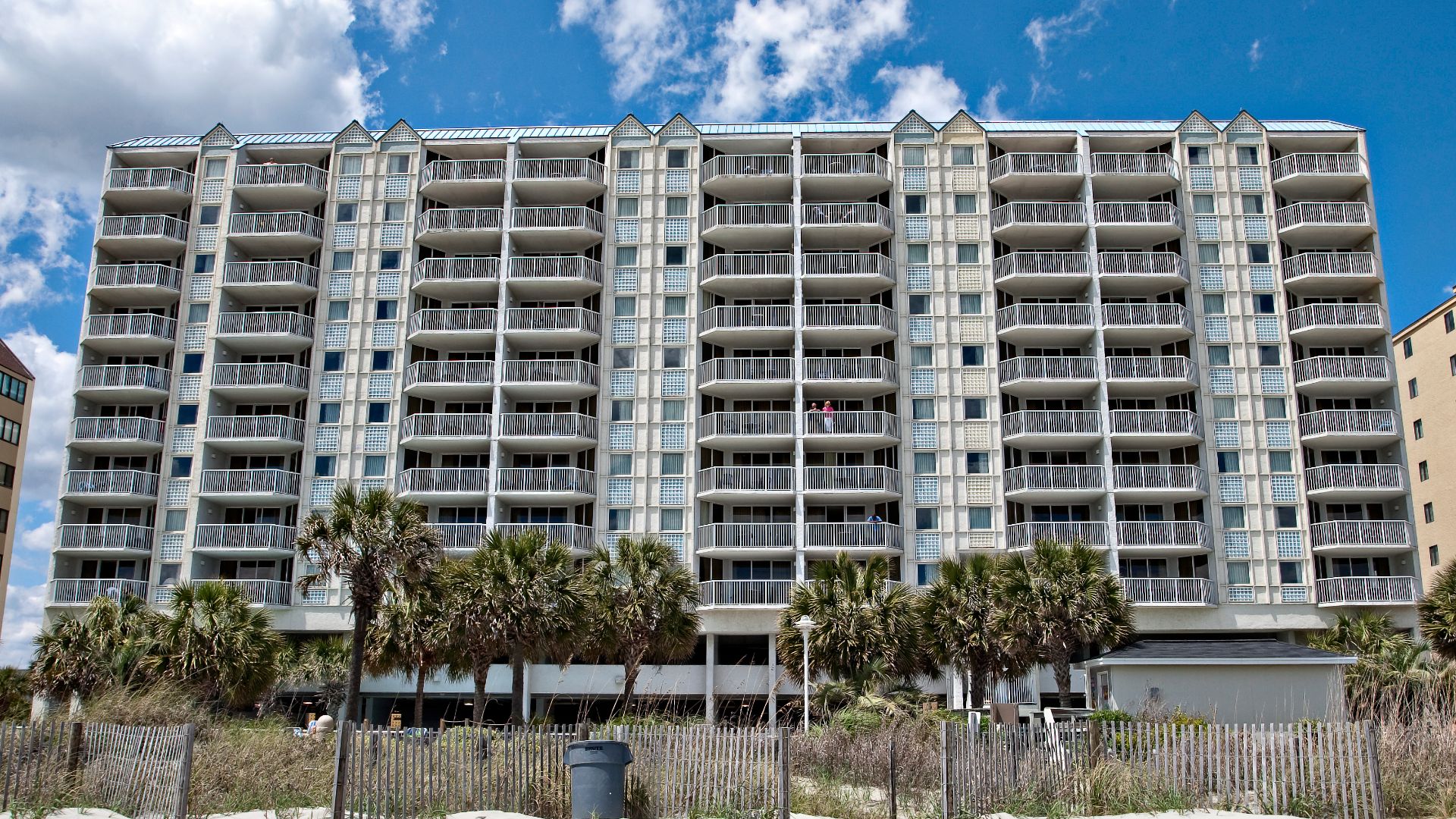
The Appreciation Claim Should Make You Stop
If a salesperson says the timeshare will appreciate, that is a reason to be careful. The Federal Trade Commission warns buyers to be wary of resale and investment claims tied to timeshares. The reason is simple: the resale market has long been packed with owners trying to get out, often for far less than they originally paid.

The Resale Market Tells the Real Story
If timeshares regularly went up in value, owners would be eager to sell for a profit. Instead, resale sites and owner forums are full of listings priced well below the original purchase price. In many cases, owners have trouble giving them away because the next buyer also takes on annual maintenance fees.

Why Prices Drop So Fast
A big reason is that the original developer price often includes huge marketing and sales costs. Buyers are not just paying for future vacations. They are also paying for commissions, giveaways, promotions, and the whole expensive sales machine behind the presentation. Once that contract lands on the resale market, all of that disappears and the value often drops hard.

Maintenance Fees Change the Math
Even if the upfront price seems manageable, annual maintenance fees can turn a timeshare into a money drain. The American Resort Development Association has reported average annual maintenance fees around the thousand-dollar range in recent years, and those fees can rise over time. The cost of ownership does not end when you sign. It keeps coming back every year whether you travel or not.
 https://kaboompics.com/, Pexels
Special Assessments Can Be the Ugly Surprise
Maintenance fees are only part of the cost. Owners can also get hit with special assessments for repairs, renovations, storm damage, or reserve shortfalls. That means your vacation plan can suddenly come with an extra bill. Something sold as easy travel can turn into a recurring financial problem.
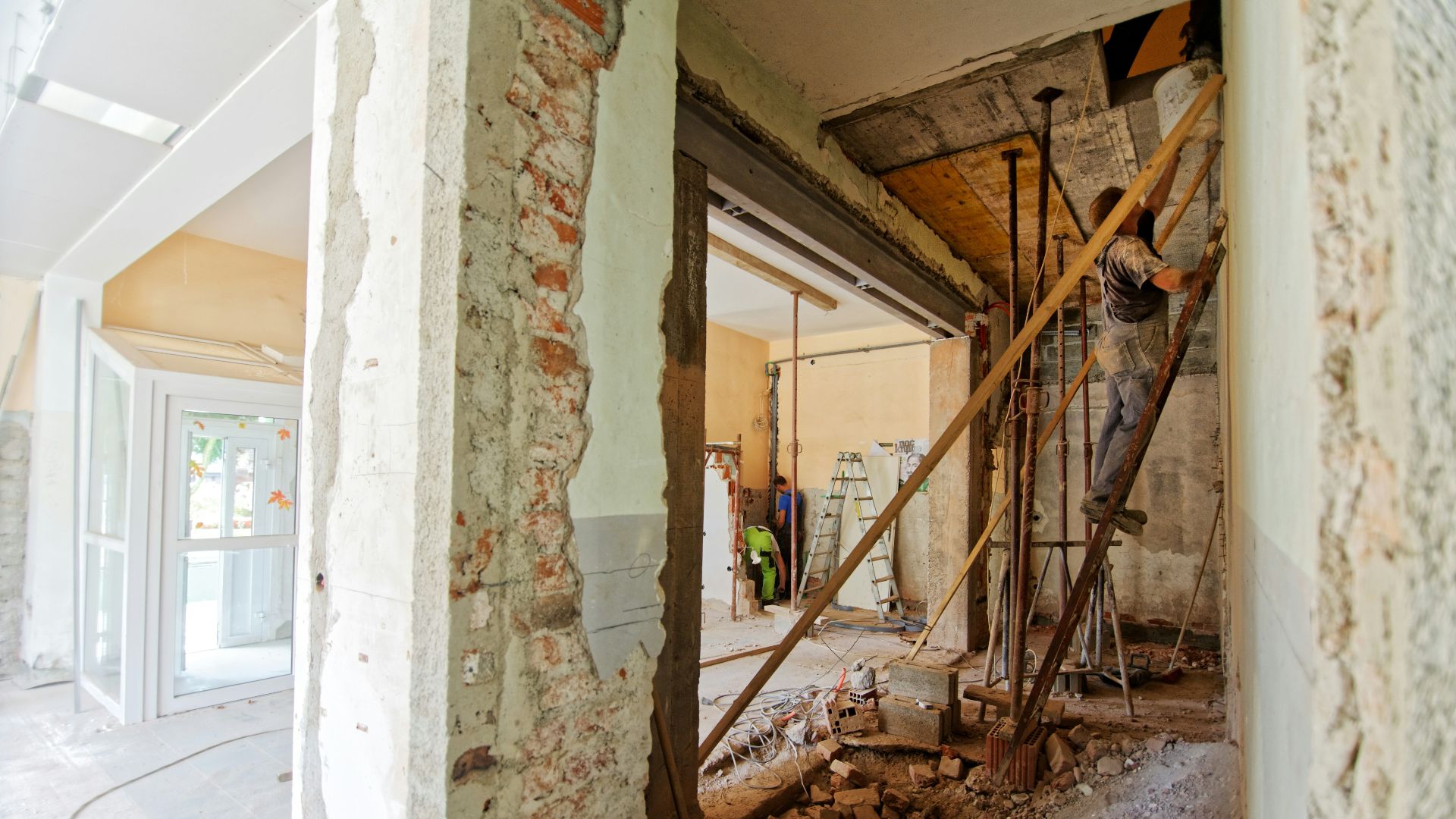
Getting Out Can Be Harder Than Getting In
One of the biggest things buyers miss is how hard it can be to leave. The Consumer Financial Protection Bureau has warned that owners may struggle to cancel, resell, or get out from under ongoing fees. That matters because a bad investment is one thing. A bad investment that is hard to unwind is much worse.
 G. Edward Johnson, Wikimedia Commons
Resale Scams Made the Problem Worse
Owners trying to escape have also become targets. The FTC has repeatedly warned about timeshare resale scams where companies promise a buyer or a quick sale, charge upfront fees, and then disappear. That warning exists because the exit market is weak enough to attract fraud. A truly rising asset usually does not come with an entire side industry built around helping people escape it.

Why Sales Presentations Feel So Convincing
Timeshare presentations are built to close deals, not to teach sound financial thinking. Buyers are often offered limited-time discounts, free stays, meal vouchers, or bonus points if they sign that day. Urgency is part of the strategy. It can make a long-term obligation feel like a once-only chance.

Vacation Value Is Not the Same as Investment Value
This is where many couples get tripped up. A timeshare might have personal value if you love the resort, go every year, and like predictability more than flexibility. But personal enjoyment is not the same as appreciation. You can enjoy something and still overpay for it.

When Timeshares Can Sometimes Make Sense
There are a few cases where a timeshare can work financially. If you buy resale at a steep discount, use it regularly, compare the total yearly cost against what you would spend on similar stays, and understand the rules, you may come out ahead on vacation spending. That is a spending choice, not an investment strategy.

Buying Resale Changes the Equation
The gap between buying from a developer and buying resale can be huge. On the resale market, some units or points packages sell for a tiny share of the original price. That does not automatically make them a good deal, but it can lower the risk of taking a massive loss right away. It also strips away the illusion that the original sticker price was the true market value.

Luxury Resorts Do Not Mean Smart Economics
One of the trickiest parts of the pitch is that a beautiful property can make the numbers feel stronger than they really are. Granite counters, ocean views, and glossy brochures do not change the resale math. Fancy branding may improve the trip. It does not magically turn a timeshare into an asset that goes up in value.

Points Systems Add Flexibility, Not Necessarily Value
Many modern timeshares use points instead of fixed weeks. That can make booking easier across different destinations, but it can also make pricing and value harder to compare. Flexibility can be useful, but it should not be mistaken for financial upside. A more complicated contract is not automatically a better one.

Inflation Protection Is Often Oversold
Some sales pitches suggest that buying now protects you from rising hotel rates later. There is a little truth to that, since travel costs can rise over time. But maintenance fees also go up, and you give up the freedom to shop for deals or switch destinations easily. Inflation cuts both ways.

The Cost-Per-Night Test Is Your Best Tool
If you want to judge a timeshare fairly, ignore the emotional pitch and run the numbers. Add the purchase price, annual fees, exchange fees, financing costs if any, and likely special assessments over the years you expect to own it. Then compare that cost per night with renting similar places where and when you actually travel. That simple math clears up a lot.

Financing Makes a Weak Deal Worse
Timeshares are often financed at interest rates much higher than a typical mortgage. That matters because the product usually does not hold value well enough to justify borrowing at expensive rates. Paying interest on a vacation product that often loses value is a rough deal. If you need financing to make it work, that is a major warning sign.

The Cooling-Off Period Matters
Every state has its own rules, but many timeshare purchases come with a rescission or cancellation period. The FTC advises consumers to learn that deadline and act fast if they change their minds. If your wife is leaning yes because the salesperson sounded sure of himself, slow everything down and review the contract during that window. Quick decisions usually help the seller, not the buyer.

Read the Fine Print Before the Brochure Again
The contract matters more than the presentation. Buyers should check whether the ownership is deeded or right-to-use, how fees can rise, what booking limits exist, what happens if payments are missed, and whether heirs can inherit obligations. Those details can affect your finances for years. They are a lot less glamorous than the resort photos, but far more important.

Exchange Programs Are Not a Magic Way Out
Salespeople often highlight the ability to trade into other properties. That can be real, but it is not unlimited and usually depends on availability, season, point value, and exchange fees. The dream version of hopping from resort to resort can look very different in practice. Flexibility on paper is not always flexibility in real life.

If You Love the Place, Rent It First
One of the smartest moves is to rent before buying. That lets you try the resort, the season, the room type, and the booking process without taking on a permanent obligation. It also gives you a real-world price for the stay. Sometimes that number is much lower than the cost of owning.

The Best Case for a Timeshare Is Emotional, Not Financial
There is a version of this decision that can still be reasonable. If your family goes back to the same place every year, likes the routine, and understands the costs clearly, a timeshare can be a lifestyle purchase. That is not foolish if you can afford it and know exactly what you are buying. It is just not the same as buying an asset that will grow in value.

What to Say When the Salesperson Promises Appreciation
Ask for documented resale data for similar contracts sold recently, not asking prices and not examples from the developer's own inventory. Ask how many owners resell at a profit after fees. Ask whether the company will buy it back and, if so, how that price is set. Those questions tend to cut through the sales fog fast.

So Do Timeshares Ever Make Financial Sense
Yes, but only in a narrow and practical way. They can make sense as a discounted vacation tool if you buy resale, use them often, avoid financing, and compare costs honestly against renting. They rarely make sense as an investment that appreciates, and buyers should treat any promise of rising value as a red flag.

The Bottom Line for Your Marriage and Your Money
If your wife loves the vacation idea, that feeling is real and worth respecting. But the smartest move is to separate the dream of the trip from the economics of the contract. Rent first, study the resale market, review the cancellation window, and assume appreciation is the exception, not the rule. That approach protects both your budget and your peace at home.