The Previous Owner Apparently Never Left
You bought the house, got the keys, moved in, and started learning which floorboards squeak. Unfortunately, the previous owner’s mail moved in too. Credit-card offers, bills, insurance notices, maybe even collection letters keep appearing. Can someone else’s paper trail somehow become your financial problem?
An Address Is Not A Debt
Here’s the reassuring part: simply sharing an address with someone who owes money does not make you responsible for that debt. Buying someone’s former home doesn’t mean buying their credit-card balance, car loan, or overdue cable bill along with the kitchen cabinets.

Creditors Follow People, Not Mailboxes
Consumer debts generally belong to the person who entered the agreement, not whoever happens to live at the mailing address afterward. A collection agency might continue sending letters to an outdated address, but that does not magically turn the current homeowner into the borrower.

Why Does The Mail Keep Coming?
Usually, the explanation is far less exciting than fraud. The former owner may have forgotten to update a company, never filed a postal change of address, or failed to update dozens of mailing lists collected over decades. Moving reveals just how many companies know where you live.

Forwarding Does Not Last Forever
USPS permanent change-of-address service generally forwards most First-Class Mail for 12 months, while some other mail gets different treatment. Once forwarding expires, old senders that were never updated may start sending correspondence straight back to the former address.

Junk Mail Is Especially Persistent
Catalogs, advertisements, charity appeals, and other marketing mail can survive a move like cockroaches survive nearly everything else. USPS notes that Marketing Mail generally is not automatically forwarded unless particular services or endorsements apply. So that furniture catalog addressed to Bob may keep arriving long after Bob disappeared.

Do Not Open Their Mail
Curiosity is understandable when envelopes marked “FINAL NOTICE” keep landing in your box, but leave them sealed. You generally have no reason to inspect somebody else’s correspondence, and USPS specifically warns that intentionally destroying mail intended for another person can potentially violate federal law.

Use The Four Magic Words
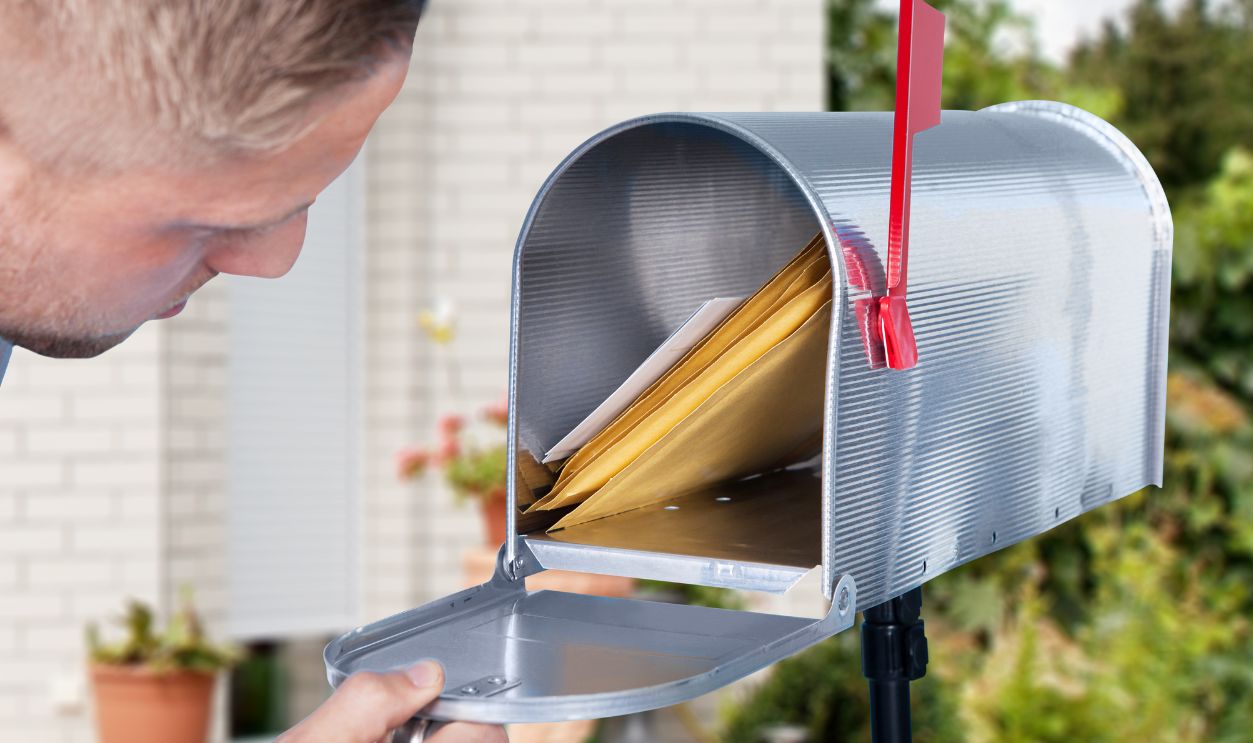
For mail correctly delivered to your address but addressed to someone who no longer lives there, USPS recommends writing “Not at this address” on the piece without covering the original address. Put it back in your mailbox, give it to your carrier, or place it in a collection box.
Your Mail Carrier Can Become An Ally
If the same former resident receives mountains of mail, mention it politely to your regular carrier or local post office. They may be able to recognize the recurring problem. It beats performing the same “Not at this address” ritual every Wednesday for the next five years.

Do Not Redirect Their Mail Yourself
It might seem helpful to submit a change-of-address request on the former owner’s behalf, especially if you know where they moved. Don’t. USPS now uses identity verification as part of its change-of-address process, in part to reduce fraud. Let the former resident handle their own forwarding.

Collection Letters Look Scarier Than They Are
Receiving a debt collection letter bearing someone else’s name can certainly raise your blood pressure. But the envelope arriving at your home does not mean the collector has placed the debt against you. More likely, your address is simply the last one contained in an old account record.

You Do Not Inherit Their Credit History
Credit reports contain identifying information, including current and former addresses, along with accounts and payment histories. That does not mean everyone associated with the same address shares a credit file. Your credit history remains your own financial record.

But Mistakes Do Occasionally Happen
Credit reporting systems are not flawless. The Consumer Financial Protection Bureau specifically tells consumers to watch for “mixed files,” where information belonging to another person winds up in the wrong consumer’s report. An old shared address could potentially contribute to identification confusion when other information also overlaps.

Check Your Credit Reports Anyway
Buying a home is already an excellent time to keep tabs on your credit. Consumers can currently review reports from the three nationwide credit bureaus free on a weekly basis through the federally authorized credit-report system. Checking your own report does not lower your credit score.

Look For More Than A Wrong Address
Seeing the previous owner’s name on your physical mail is annoying. Seeing unfamiliar loans, credit cards, collections, or inquiries on your own credit report is different. The CFPB recommends checking specifically for accounts you never opened, unfamiliar inquiries, incorrect addresses, and debts belonging to somebody else.

A Property Notice Is Different
Most old mail is somebody else’s problem. A notice apparently involving the property itself deserves more attention. Property-tax issues, HOA liens, foreclosure notices, or recorded claims can involve the real estate rather than merely the former owner, depending on state law and the circumstances.

Call Your Title Company If Necessary
If something suggests an unresolved lien or ownership problem dating from before closing, contact the title company, closing attorney, or appropriate professional involved in your purchase. The envelope itself did not create the problem, but it could alert you to something worth investigating instead of tossing it aside.

Packages Can Become Awkward Too
Former owners sometimes forget to change saved shipping addresses, leading to boxes arriving months later. Don’t simply adopt the surprise sneakers. Tell the carrier the recipient no longer lives there or follow the carrier’s return procedure. Keeping your household clearly separated avoids unnecessary disputes.

Watch For A Pattern Of Financial Mail
One stray bank statement means very little. A steady stream of new credit cards, loan correspondence, banking documents, and account-opening notices arriving for the former resident deserves more attention, particularly if the mail starts long after that person supposedly moved away.

Your Address Could Be Misused
Someone can deliberately use an old address while applying for accounts or conducting fraudulent activity. That still does not automatically make you financially liable, but you probably don’t want your mailbox functioning as somebody else’s financial headquarters. Mail-related identity fraud can involve credit cards, loans, tax fraud, and other schemes.

Protect Your Own Information
The bigger concern may actually be your mail rather than theirs. Secure your mailbox, retrieve mail promptly, and pay attention if your own financial statements suddenly stop appearing. Postal inspectors warn that stolen personal information from mail can be used for financial identity theft.

A Credit Freeze Adds A Strong Lock
If you discover actual signs that someone is using your identity, consider freezing your credit with Equifax, Experian, and TransUnion. The FTC says freezes are free, can be lifted when necessary, do not hurt your credit score, and make unauthorized new accounts considerably harder to open.

Keep A Small Paper Trail
You don’t need a filing cabinet worthy of the FBI. But if troublesome mail keeps arriving, photographing the unopened envelope before returning it can document dates, sender names, and frequency. That may help if you later need to explain an ongoing address mix-up to a company.
 Centre for Ageing Better, Unsplash
Contact Important Senders Directly
For especially persistent financial institutions, insurers, collection companies, or government agencies, you can contact the sender using independently verified contact information and explain that the named person no longer lives there. Avoid giving unnecessary Social Security numbers, banking details, or other personal information while correcting somebody else’s records.

Know When It Has Become More Than Mail
The situation changes if strangers start visiting your home seeking the former owner, packages repeatedly disappear, unfamiliar accounts appear on your credit report, or you receive financial documents carrying your name that you never requested. Those are clues to investigate rather than ordinary moving leftovers.

Get Help When Something Truly Looks Wrong
Suspected identity theft can be reported through the federal government’s IdentityTheft.gov process, which provides a recovery plan. Mail-related fraud can also be reported to the U.S. Postal Inspection Service. Credit-report errors can be disputed with both the bureau and the company furnishing the incorrect information.

Eventually, The Mailbox Should Become Yours
A few letters for the old homeowner usually amount to irritation rather than financial danger. Keep returning them properly, monitor your own credit, and pay closer attention to anything involving the property or your identity. Before long, the previous owner should finally disappear from your mailbox—even if those catalogs never do.

You May Also Like: