A Dilemma
You’re staring at two identical balances, $140K on your mortgage and $140K in student loans, both carrying the same interest rate. That removes the usual “highest rate first” strategy from the equation entirely. What you’re really deciding now isn’t which debt is cheaper, but which one is riskier, less flexible, and more dangerous to carry long term.

Equal Rates Don’t Mean Equal Risk
At first glance, these debts look identical. But they’re not. When rates match, you have to look past the math and focus on structure. Student loans and mortgages behave very differently under stress, and that difference is exactly why many experienced borrowers lean toward getting rid of student loans first.
Student Loans Follow You Everywhere
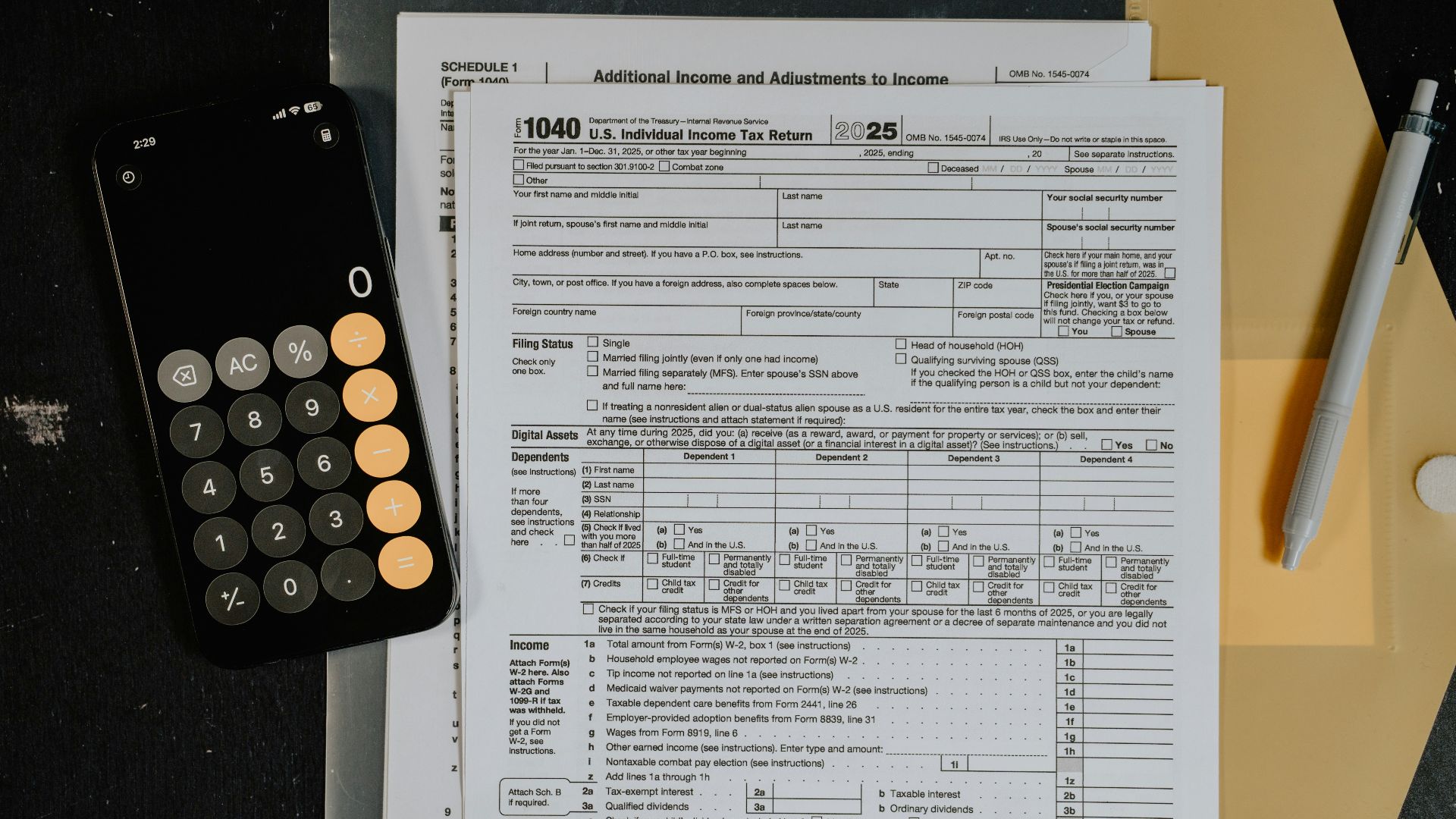
Unlike a mortgage, student loans are tied to you personally, and are not an asset. You can’t sell them, walk away from them, or transfer them. Even in severe financial difficulty, they tend to remain. That permanence makes them uniquely risky compared to a mortgage backed by a physical property.

Your House Gives You Options
A mortgage is secured by your home, which means you have some options. You can sell the property, refinance, or tap into equity if needs be. In a worst-case scenario, you can exit the debt by selling the home. That option simply doesn’t exist with student loans, which makes the mortgage more flexible overall.

Bankruptcy Reality Matters
One of the most oft-repeated arguments from experienced borrowers is a blunt-force reality: student loans are extremely difficult to discharge in bankruptcy, while a mortgage can ultimately be resolved by surrendering the home if necessary. That difference alone makes student debt a more dangerous obligation to carry long term.

You’re Not Building Equity With Student Loans
Every mortgage payment builds equity in a tangible asset that you own. That equity can eventually be accessed, borrowed against, or realized through a sale. Student loan payments do none of those things. They merely reduce a balance tied to past spending with no future asset attached.
The Degree Has Already Done Its Job
Another subtle but important point that needs to be made is that your student loan funded something in the past. Your education is already complete. Now that, you’re in a productive career that affords you the option of paying down debt, this debt no longer serves a productive purpose. By contrast, your mortgage continues to support your housing situation and provides ongoing value.

Interest Behavior Can Be Less Predictable
Some borrowers note that student loan interest can behave differently, especially with daily accrual or less flexible payment structures. Small timing differences can influence how much interest accumulates, which can make the debt feel more volatile compared to a predictable mortgage payment schedule.

Mortgages Tend To Be More Stable
Mortgage payments are typically fixed and predictable, especially with fixed-rate loans. That stability makes them easier to plan your life and finances around. When both debts cost the same, the more predictable and manageable one is often the better candidate to carry longer.

Liquidity Still Favors The Mortgage
If you put extra money into your mortgage, you are building equity that you might be able to access later. If you put that same money into student loans, it’s gone for good. There’s no way to recover it, borrow against it, or leverage it in an emergency.

Risk Concentration Is The Real Issue
When interest rates are equal and the principal amount is also the same, the smartest move is often to eliminate the riskier debt first. Student loans concentrate risk entirely on you as the borrower. A mortgage spreads your risk across an asset that can be sold or refinanced if needed.

Emotional Relief Is Often Greater
Many people report that student loans have a heavier psychological burden because they can’t be escaped easily. Paying them off can give you a stronger sense of freedom than reducing a mortgage, even if the balances are identical. That emotional relief can help you stay consistent with your plan.

Cash Flow Flexibility Down The Road
Once student loans are gone, you often have more flexibility in your budget. You can redirect those payments toward your mortgage later, and pay it off faster with fewer obligations hanging over you. Clearing the less flexible debt first gives you more options later.

The “Worst Case Scenario” Test
A useful way to think about this decision is to ask what happens if things go sideways for you financially. If you lose income or face hardship, which debt would you rather still have? Most people prefer to have a mortgage they can sell out of, rather than student loans they are stuck carrying.

Why Your Brother’s Advice Has Logic
Your brother’s perspective most likely comes from his own personal focus on risk and flexibility. When two debts cost the same, removing the one with fewer escape routes and higher long-term consequences is often your best bet.
 LinkedIn Sales Solutions, Unsplash
Why Your Dad’s Advice Still Has Merit
Your dad is thinking about security and ownership. Paying off your home offers stability and peace of mind. That isn’t wrong, but he’s just prioritizing a different outlook than minimizing long-term personal liability.

When Student Loans Clearly Come First
Prioritize student loans if you value flexibility, want to eliminate non-dischargeable debt, or feel uneasy carrying an obligation that can’t easily get out from under. This is especially true when interest rates are equal and the raw math doesn’t offer an advantage either way.

When The Mortgage Might Still Win
There are cases where focusing on the mortgage might make sense, especially if it dramatically improves your monthly cash flow or aligns with your long-term housing plans. But when all else is equal, the structural advantages of the mortgage often make it safer to keep.

A Hybrid Approach Is Still Valid
If you are uncomfortable with loading up on one side entirely, you can still split extra payments. But if you are forcing a decision, most risk-based strategies lean toward eliminating the student loans first, then attacking the mortgage afterward with full force.

The Bottom Line
When interest rates are identical, this is no longer a math problem, but a risk-management decision. Because student loans are harder to escape, less flexible, and tied entirely to you, the stronger case usually points toward paying them off first. Then you can turn to your mortgage with fewer constraints and more control.

You May Also Like:
Financial “Advice” That Sounds Smart—But Can Land You In Trouble.