
Are You Afraid To Lose Yourself When You Retire?
Retirement sounds freeing... until it isn’t. Without a plan, it can quickly shift from open time to empty time. The fear of running out of money or meaning is all too real. The good news? Both problems are solvable, and you don’t need a perfect plan to start.

The Two Biggest Risks
Most retirees face two main risks: outliving their money and losing structure. One is financial, the other psychological. Ignoring either can make retirement feel unstable, even if you’ve technically left work.

Start With The Numbers
Before anything else, understand your finances. Look at savings, pensions, and expected expenses. Even a simple budget gives you a clearer picture and reduces uncertainty about whether you’re at risk of running out of money.

The 4% Rule (With Caveats)
A common guideline suggests withdrawing about 4% of your retirement savings annually. It’s not perfect, but it offers a starting point for sustainable spending, especially when paired with realistic expectations and flexibility.

Expenses Don’t Stay The Same
Spending often shifts in retirement. Early years may include travel and activities, while later years may bring higher healthcare costs. Planning for changing expenses helps prevent financial surprises.

Healthcare Is The Wild Card
Healthcare is one of the biggest unknowns in retirement. Costs can rise quickly, especially without supplemental coverage. Planning for this early is one of the most important financial steps you can take.

Structure Matters More Than You Think
Work gives you a schedule, even if you didn’t love it. And over the years, we may not realize how important a routine is to our mental health. Without that structure, days can blur together. Creating a loose routine helps maintain purpose and prevents the feeling of drifting.

Boredom Isn’t Just Annoying
Chronic boredom can affect mental health. Studies show that a lack of engagement in retirement is linked to higher risks of depression and cognitive decline. Staying active isn’t optional—it’s protective.

You Don’t Need “Passion”
The idea that you need a lifelong passion is misleading. You don't need an all-consuming hobby. Start with small interests instead: walking, reading, learning something new. Momentum matters more than intensity at the beginning.

Try Before You Commit
Experiment with different activities without pressure. Classes, volunteer work, or short-term projects let you test what you enjoy without locking yourself into something long-term. All of these things also help you to stay involved in your community, connected to what matters most.

Part-Time Work Is an Option
Retirement doesn’t have to mean zero work. Some folks actually enjoy continuing to work. Part-time jobs or consulting can provide income, structure, and social interaction, helping address both financial and psychological concerns.

Volunteering Has Real Benefits
Volunteering isn’t just about helping others. It provides routine, connection, and a sense of purpose. Many retirees find it fills the gap that work once occupied.

Social Circles Shrink Unless You Act
Work often provides built-in social contact. Without it, isolation can creep in. Making an effort to maintain or build relationships becomes more important than ever. But like anything, this takes practice and effort.

Movement Is Non-Negotiable
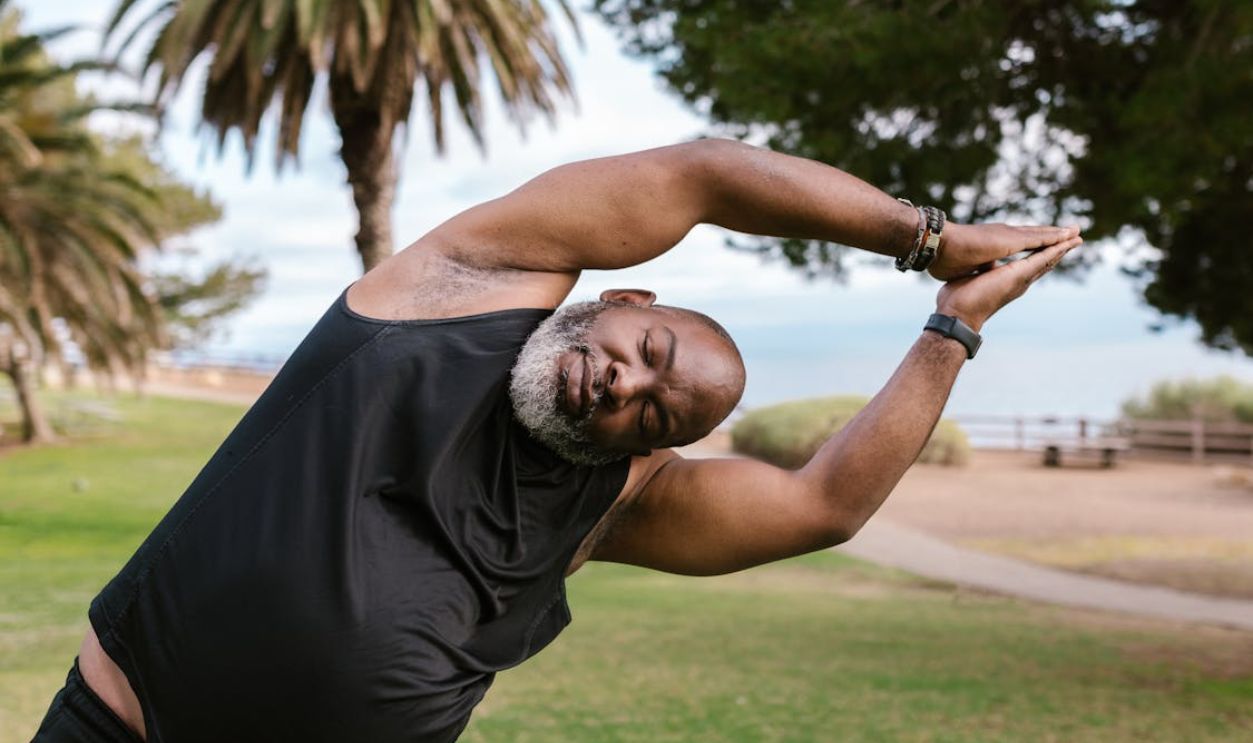
Physical activity supports both physical and mental health. Regular movement—even simple routines like walking—can improve mood, reduce health risks, and give your day structure. Having a fitness routine may feel like a chore at first, but once you incorporate it into your lifestyle, you might find yourself actually looking forward to working out.
Learning Keeps You Engaged
Remember: Your brain is the real MVP. Taking classes, reading, or learning new skills helps keep your mind active. Lifelong learning is linked to better cognitive health and can make retirement feel more dynamic.

Set Small, Measurable Goals
Without goals, time can feel empty. Setting simple objectives—weekly, monthly, or seasonal—creates direction and a sense of progress, even without a traditional career.

Travel Doesn’t Have to Be Expensive
Travel is often associated with retirement, but it doesn’t have to drain your savings. Local trips, off-season travel, or slow travel can keep costs manageable.

Watch Lifestyle Inflation
It’s easy to spend more when you have more free time. Keeping an eye on discretionary spending helps ensure your money lasts without sacrificing enjoyment.

Delay Big Decisions
If you’re unsure what retirement should look like, avoid making major financial or lifestyle decisions immediately. Give yourself time to adjust before committing.

Build A Weekly Rhythm
You don’t need a strict schedule, but having anchor points—like exercise, social time, or regular activities—helps create stability and keeps your days from blending together.

It’s Okay To Redefine Productivity
If you're someone who loves the feeling of keeping busy, retirement might feel like a whole new ball game. But productivity doesn’t have to mean income. Creating, helping, learning, or even maintaining your well-being all count. Retirement shifts the definition, not the value.
 Centre for Ageing Better, Unsplash
You Can Adjust As You Go
There’s no single “right” way to retire. Plans can evolve. What matters is staying aware—financially and emotionally—and making small adjustments before problems grow.

You’re Not Starting From Zero
Even without hobbies or a plan, you have experience, interests, and habits. Retirement isn’t a blank slate; it’s a chance to reshape what already exists. You might be growing older, but now is the perfect chance to tap into your inner child. Try to lean into the things that really bring you joy, or the dreams that once sparked your curiosity. It's not too late to start!

Don’t Wait For It To Fix Itself
Retirement doesn’t automatically become fulfilling. It requires intention. The sooner you start experimenting, planning, and building structure, the easier the transition becomes.

A Plan Doesn’t Have To Be Perfect
You don’t need everything figured out. A basic financial plan and a few meaningful activities are enough to start. From there, you can build something that works for you over time.

You May Also Like:
Saving for a Rainy Day: How To Build An Emergency Fund
Wellness Tips That Save You Money in the Long Run