
Welcome To The Everything Subscription Era
The subscription model has spread far beyond magazines and cable. Recent consumer-spending data show Americans putting more money into non-utility subscriptions, while companies increasingly bundle software, entertainment, device features, storage, and services into recurring plans. You may buy the product, but the meter keeps running. Andrea Piacquadio , Pexels.com
Photoshop And Creative Software
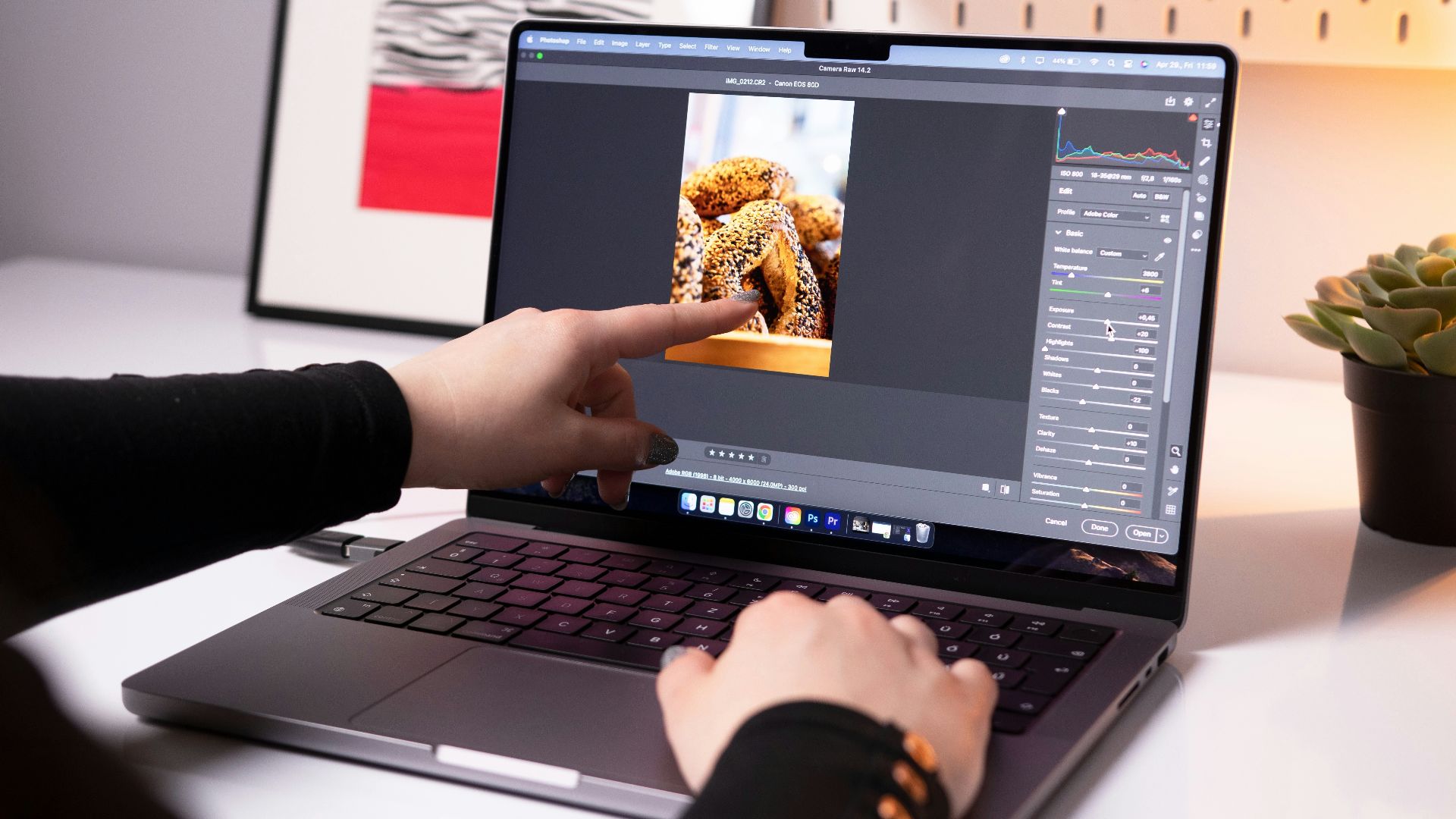
Adobe helped normalize the shift in 2013, when it stopped developing new Creative Suite releases as perpetual-license products and pushed future innovation into Creative Cloud. Photoshop, Illustrator, Premiere Pro, and related tools now sit prominently inside monthly or annual subscription plans.
Microsoft Office
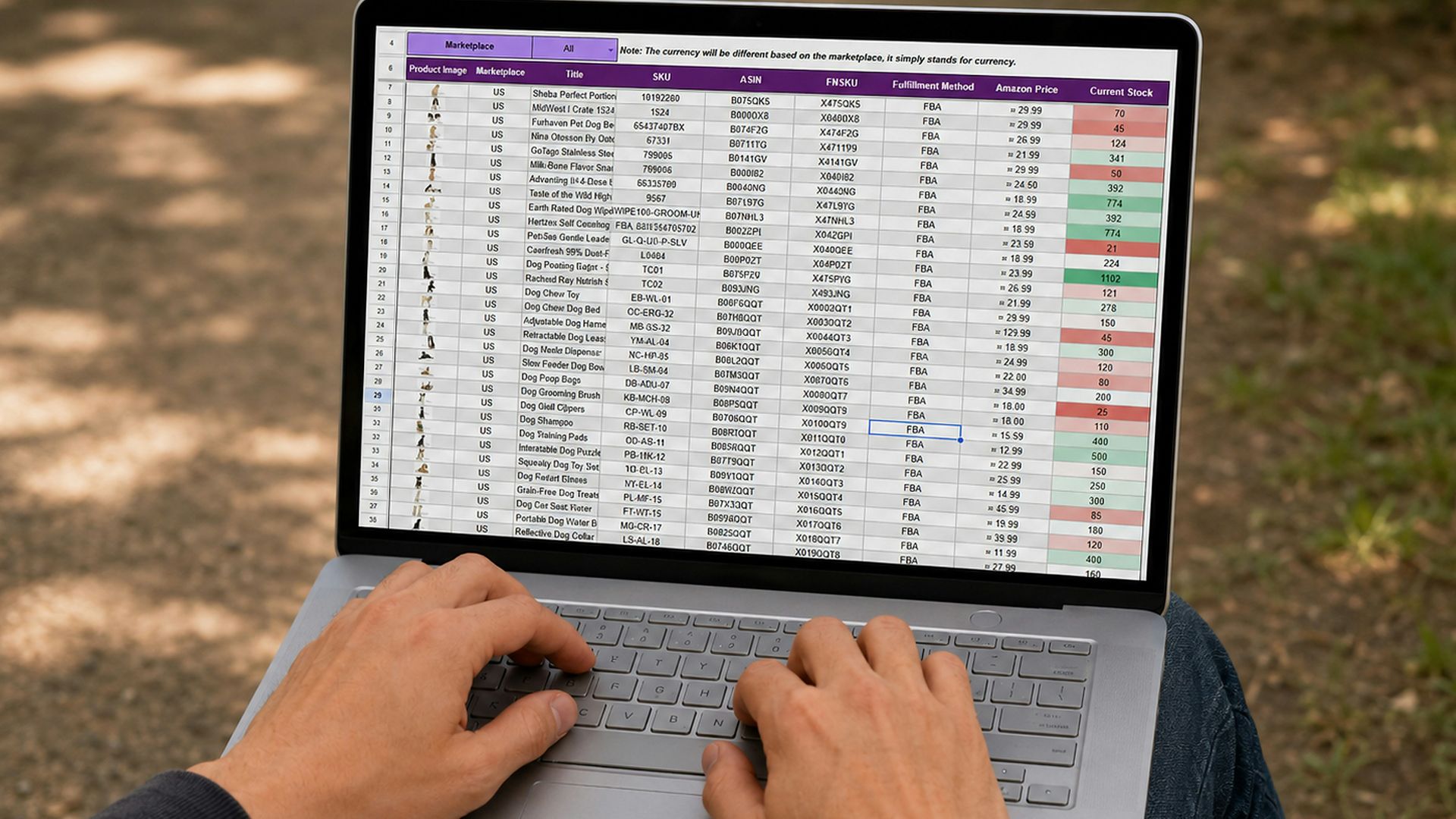
Word, Excel, and PowerPoint were classic one-time software purchases. Microsoft still sells Office 2024 that way, but Microsoft 365 is the recurring alternative, with ongoing updates, cloud storage, multi-device access, and other services folded into a monthly or annual payment.
 Gorilla ROI Data Connector, Unsplash
QuickBooks
QuickBooks has existed under standalone desktop licenses purchased with an upfront payment. Intuit’s licensing documents distinguish those licenses from subscription versions, where continued software access depends on keeping the subscription active. Accounting software can therefore become a recurring operating expense instead of a single purchase.

Password Managers
1Password captures the transition neatly. In 2016, it introduced an individual subscription alongside desktop licenses that had traditionally been bought outright; today, its personal plans are marketed as recurring subscriptions, with access continuing across devices while the membership stays active.
Extra Computer Storage
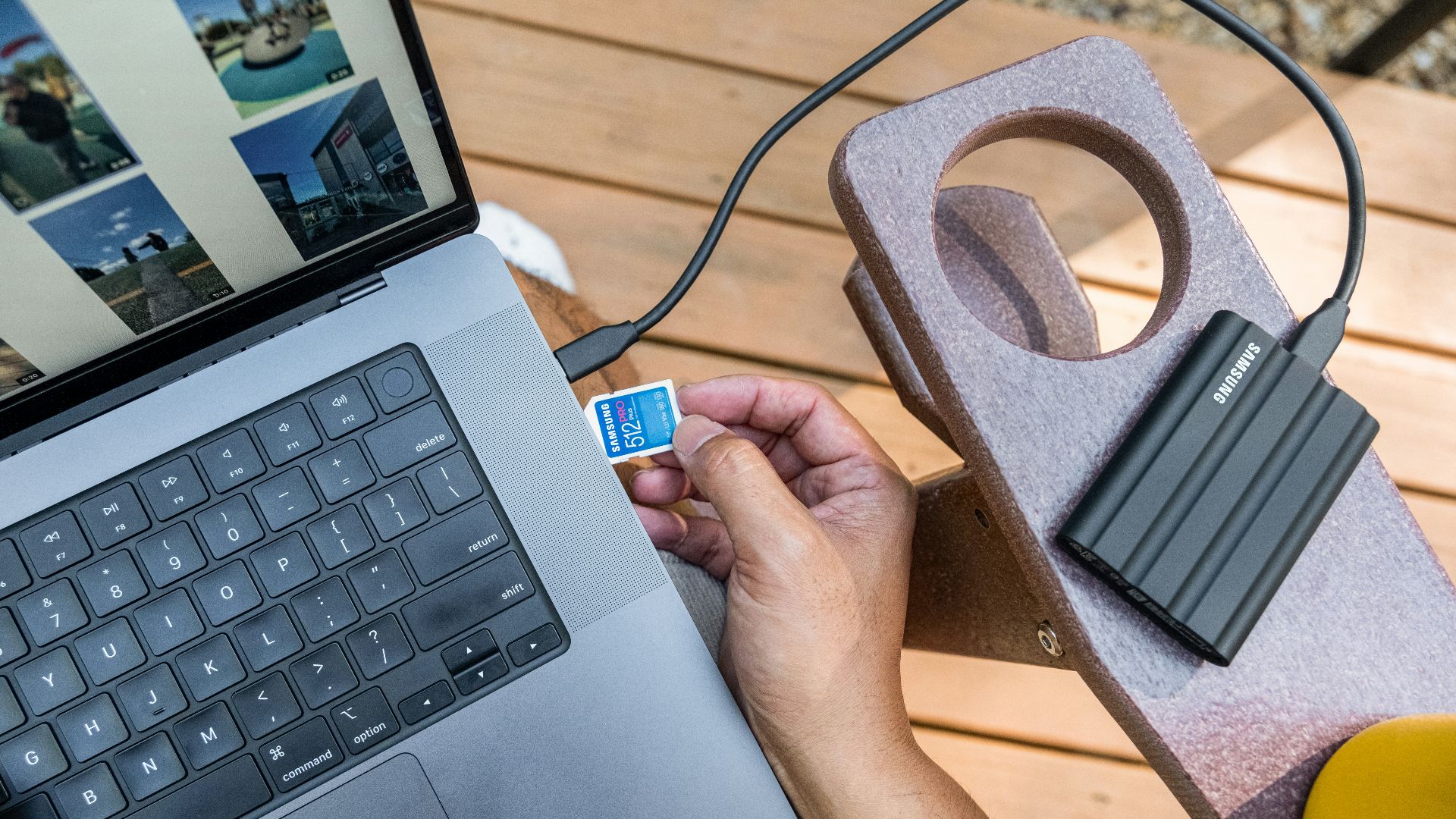
Running out of room once meant buying another hard drive. Cloud services changed the transaction: Dropbox Plus sells terabytes of online storage for a monthly charge. The storage is convenient and synchronized, but the payment follows you every month.
More Phone Photo Storage
Apple’s iCloud+ turns extra photo, backup, and file capacity into a monthly charge, with tiers ranging from modest storage to multi-terabyte plans. Instead of relying only on storage inside the device, users can continually pay for more space in Apple’s cloud.
Your Music Collection
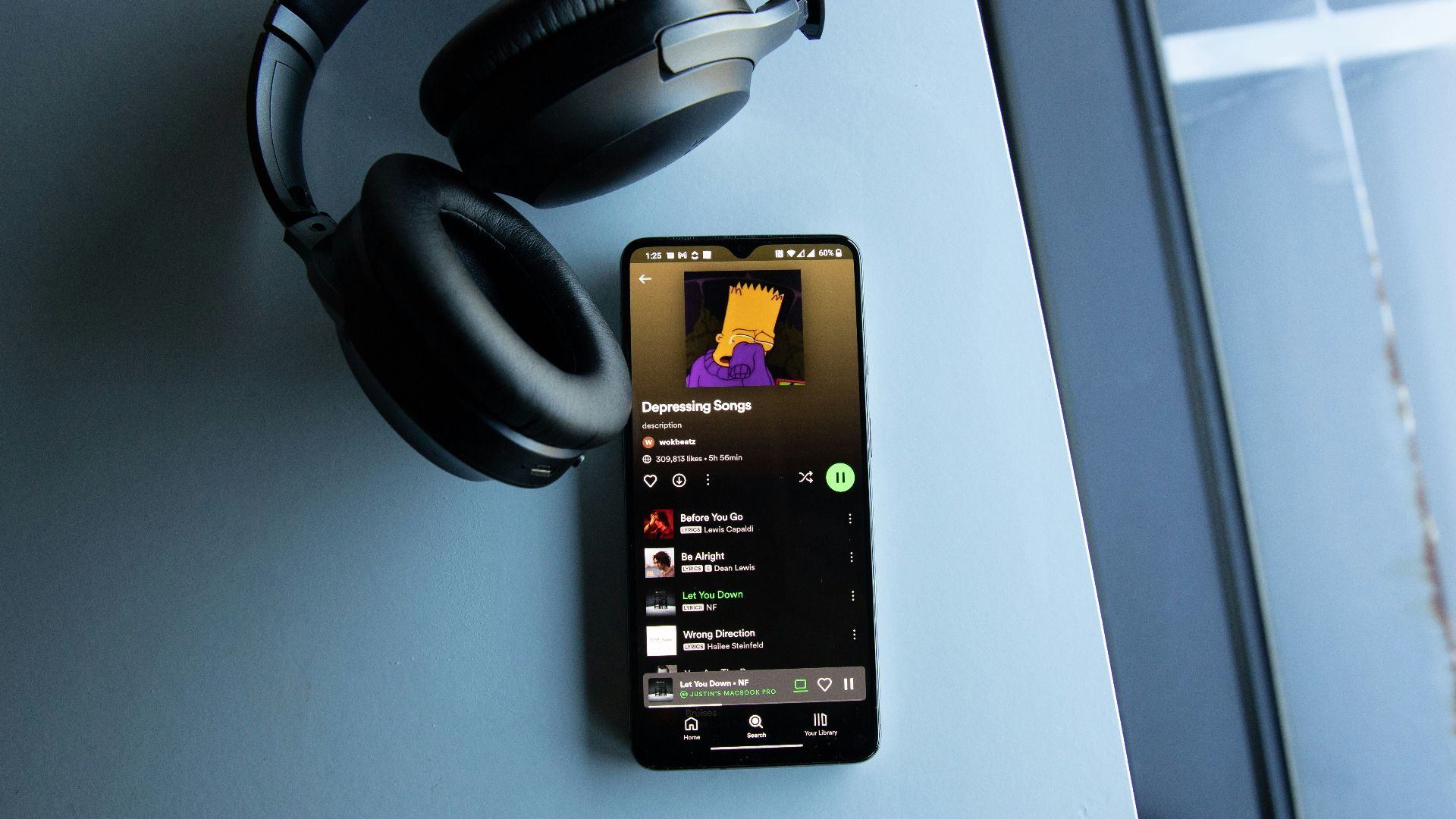
Records, cassettes, CDs, and downloads were purchases listeners could keep. Streaming shifted the model toward access: Spotify Premium charges monthly for ad-free listening and other benefits, making continued access to its premium service dependent on an active subscription.
 Emojisprout emojisprout.com, Unsplash
Your Movie Shelf
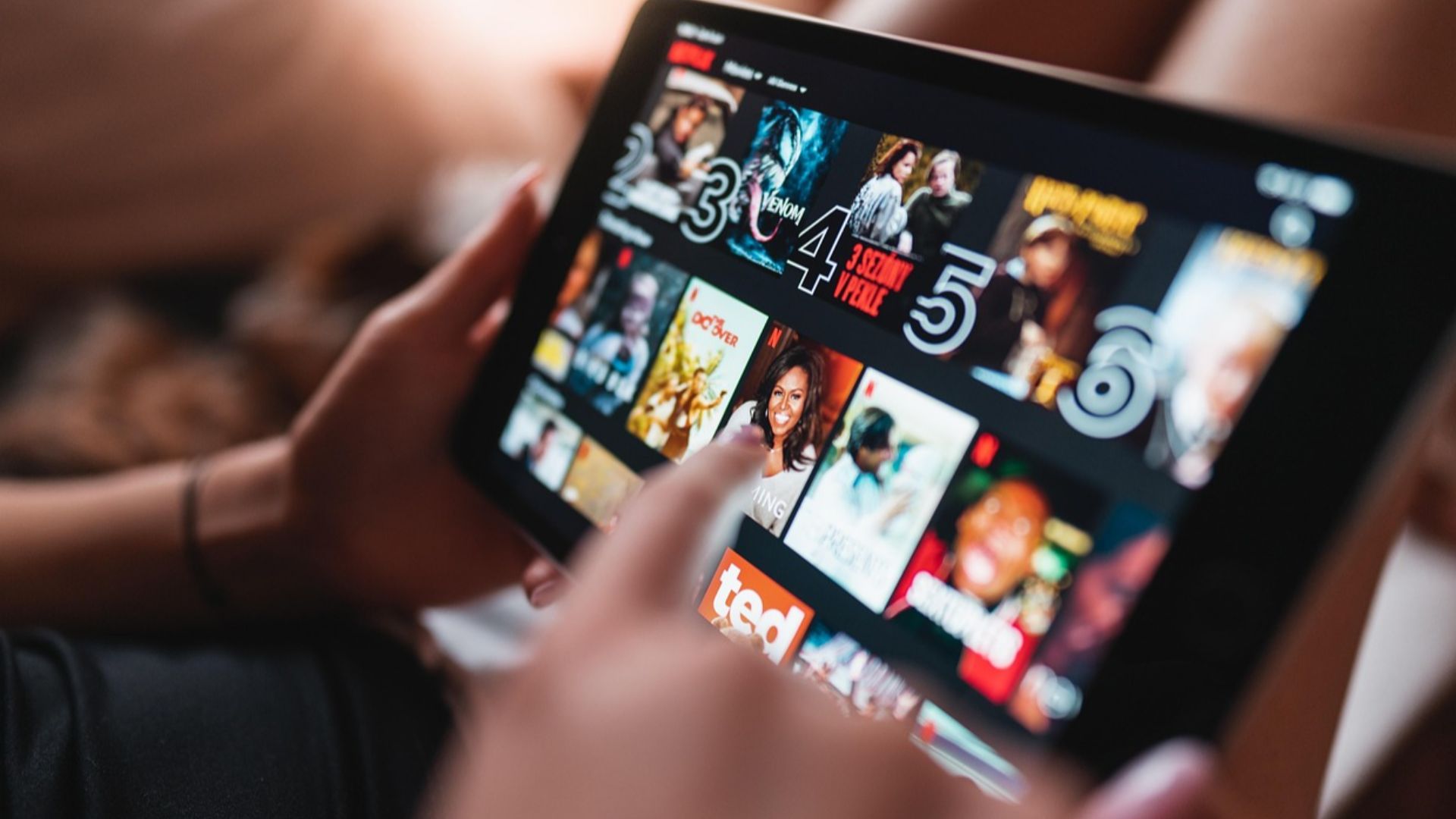
A DVD bought at the store could sit on the shelf indefinitely. Streaming replaced much of that ritual with recurring access to digital catalogs. Netflix’s U.S. offerings are billed monthly, including its lower-priced ad-supported plan.
Audiobooks
Audiobooks once arrived as purchased tapes, CDs, or individual downloads. Audible now centers its service on monthly memberships, including plans that provide catalog access and, at higher tiers, credits that can be redeemed for titles. À-la-carte purchasing still exists.

A Giant E-Book Library
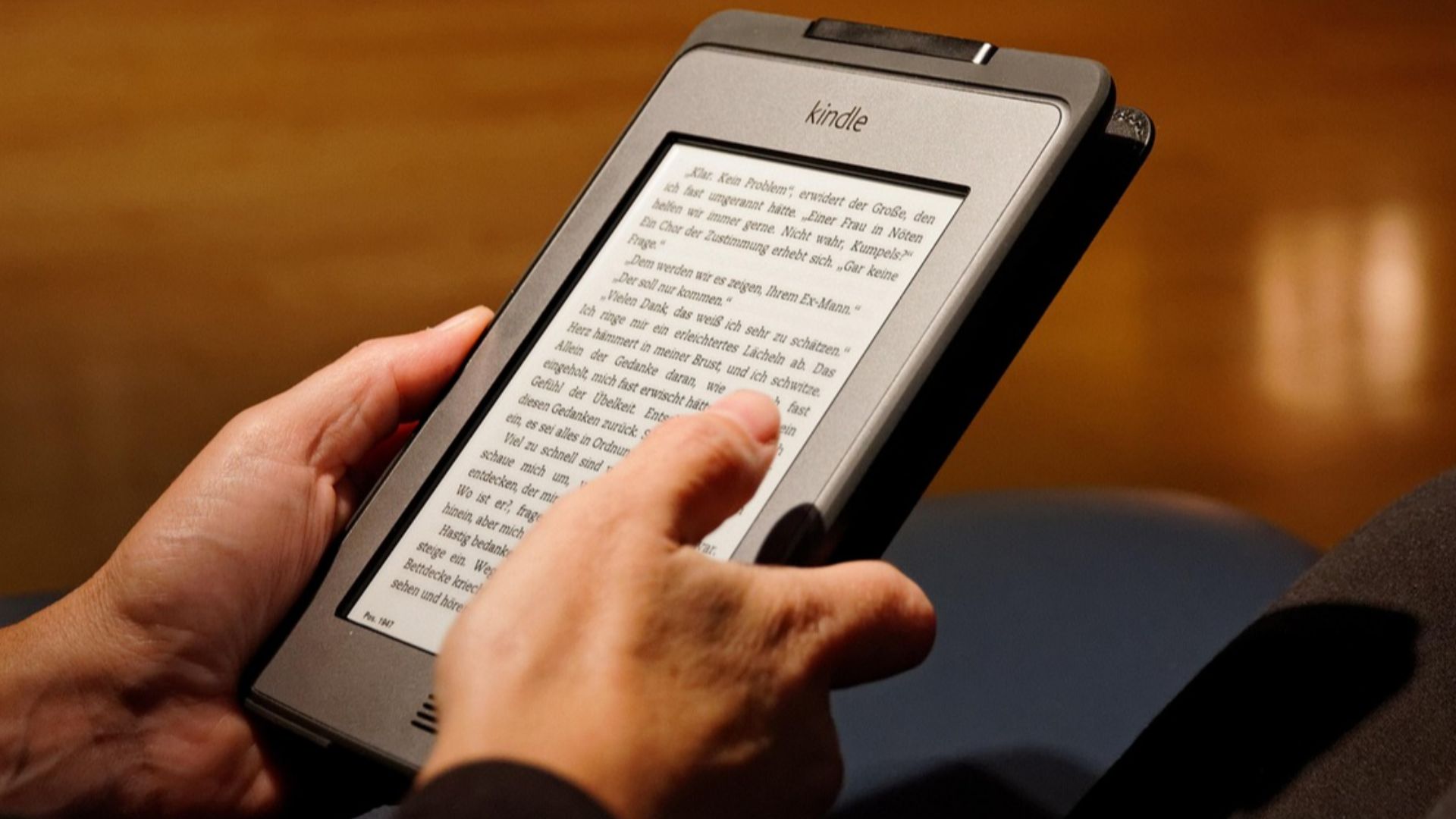
Buying a paperback or Kindle title is still possible, but subscription reading offers another model. Kindle Unlimited charges monthly for access to millions of eligible digital books plus other reading and listening material, with access to borrowed titles ending after membership ends.
Console Multiplayer
A game console used to feel complete once the hardware and game were paid for. PlayStation Plus Essential adds a recurring layer that includes online multiplayer, monthly games, cloud storage, and other benefits. Sony offers monthly, quarterly, and annual billing.

Classic Games
Old games once meant keeping the cartridge or rebuying a compilation. Nintendo Switch Online sells access to online play and libraries of classic games through memberships. In the U.S., Nintendo offers individual one-month, three-month, and twelve-month plans.

Mobile Game Libraries
Phone and tablet games were often purchased one app at a time. Apple Arcade bundles a large catalog into one subscription instead, with Apple charging a monthly fee and allowing a family group to share access.

Workout Classes
Fitness videos were once tapes or DVDs bought once and replayed endlessly. Peloton’s app packages live and on-demand classes into recurring memberships, while owners of Peloton Bike, Tread, or Row equipment need an All-Access Membership for the connected class experience.

Fitness Coaching
Wearables can be purchased as hardware, but premium interpretation of the data can be another bill. Google Health Premium, which replaced the Fitbit Premium name in 2026, charges monthly or annually for enhanced coaching and personalized fitness features.

Sleep And Recovery Insights
Oura sells a physical smart ring, but its membership and in-app features are tied to a separate subscription after an introductory period. In the U.S., Oura lists both monthly and annual membership pricing. The ring remains yours; the richer digital service keeps billing.

Doorbell Video History
A doorbell used to ring and then go quiet. Ring’s plans add recorded video history, smart alerts, extended live viewing, and other features for recurring fees after the hardware purchase. The camera stays on the door while the archive sits behind a subscription.
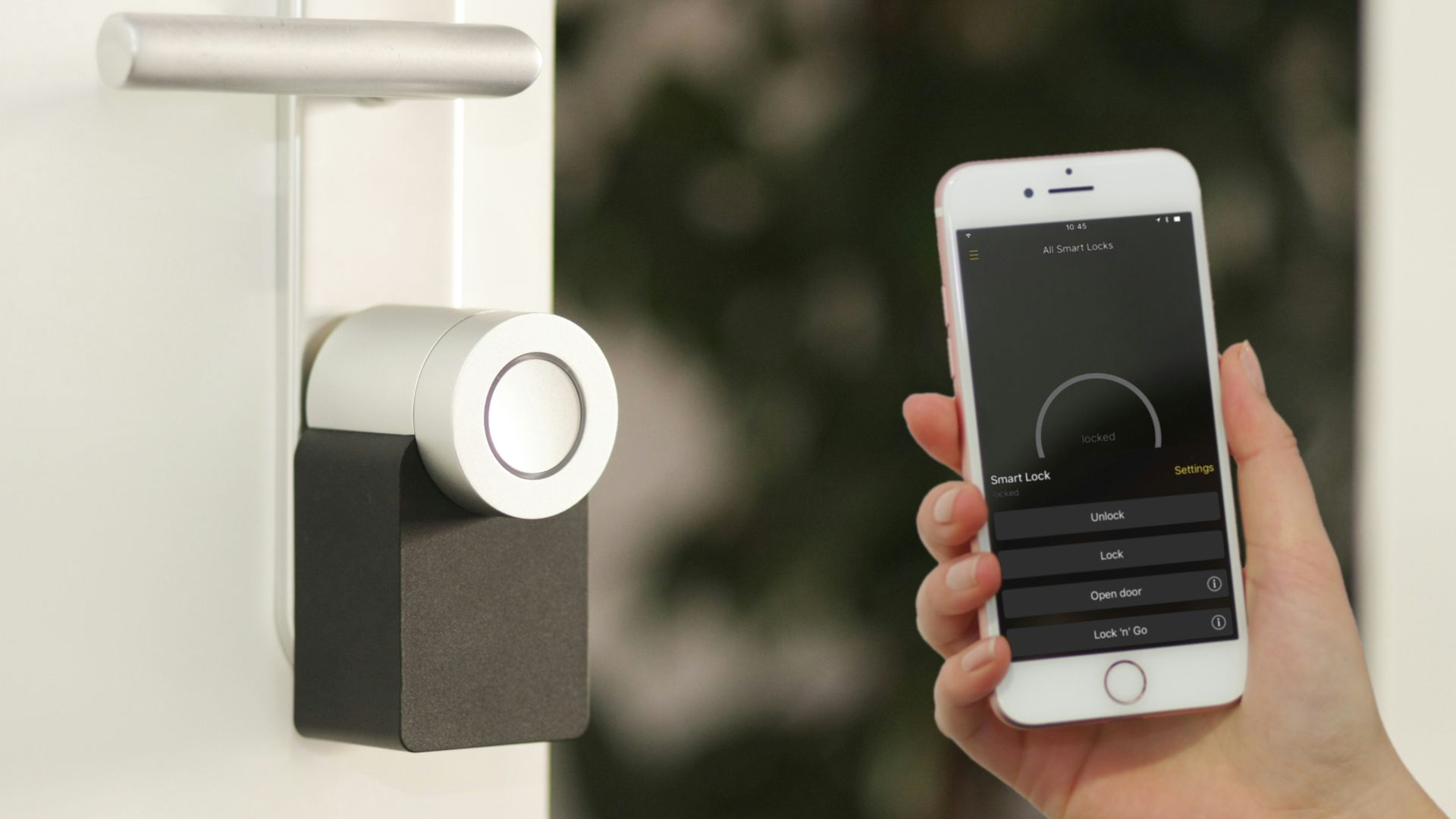 Sebastian Scholz (Nuki), Unsplash
Smarter Security-Camera Alerts
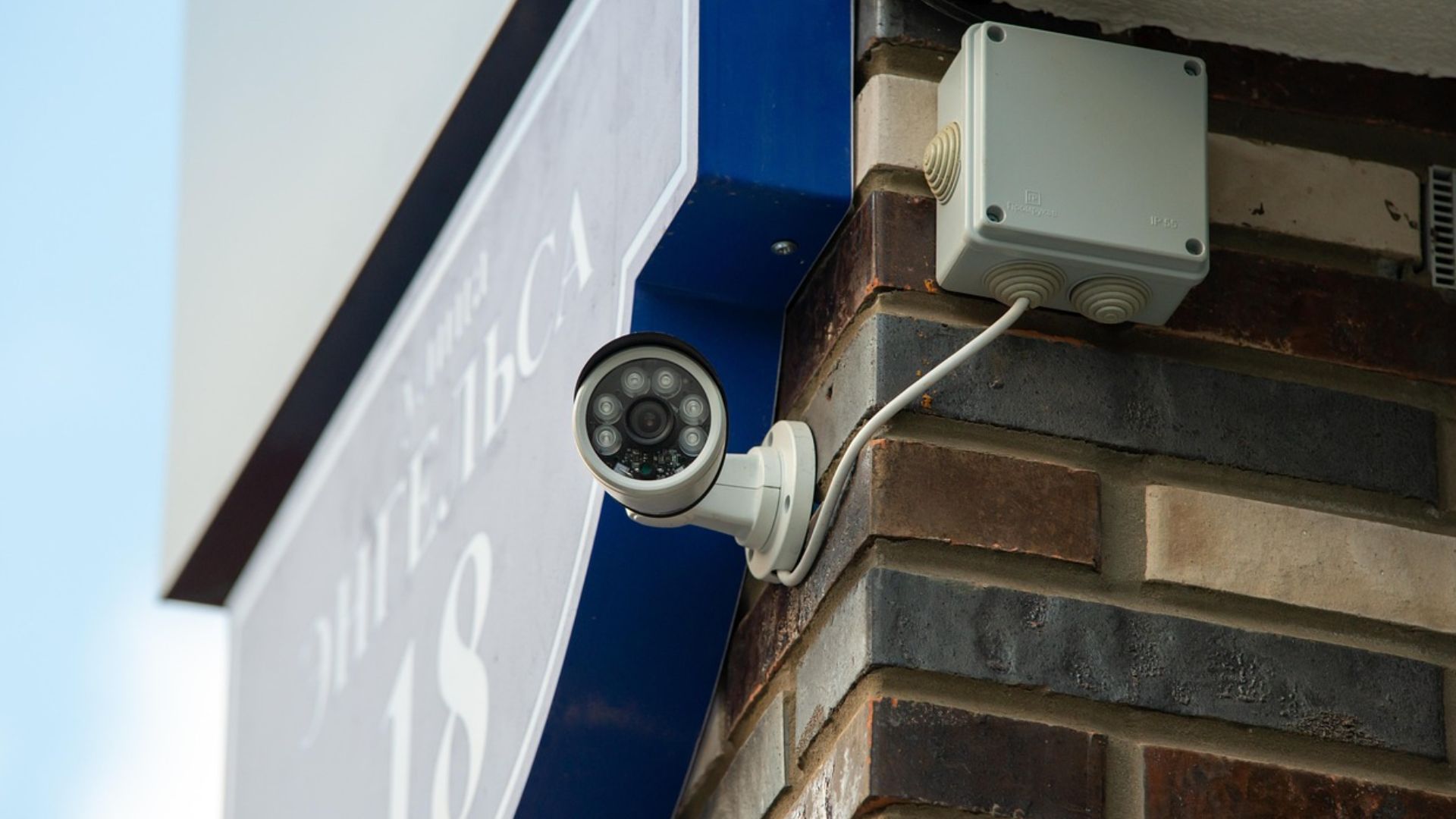
Arlo follows a similar pattern. Customers can buy cameras and then subscribe to plans that add cloud video history, recognition features, advanced detection, emergency-response options, and monitoring. The hardware purchase can become the beginning of a continuing service relationship.
Smart-Home Video History
Google’s Nest cameras and doorbells also put deeper history behind a paid layer. Nest Aware has been renamed Google Home Premium, with plans adding more event video history, continuous-history options on supported setups, and newer intelligent features.
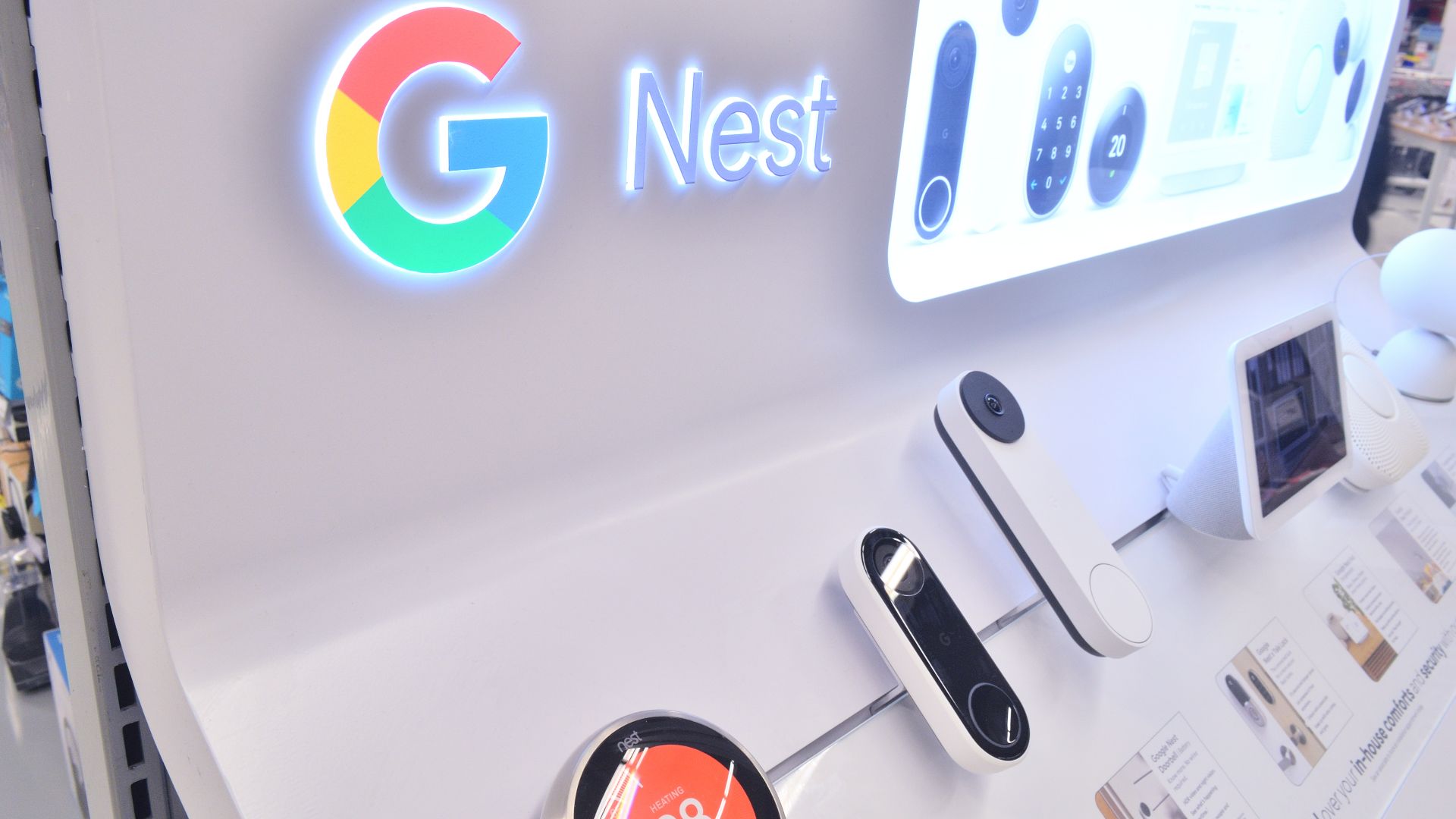 Raysonho @ Open Grid Scheduler / Scalable Grid Engine, Wikimedia Commons
Printer Ink
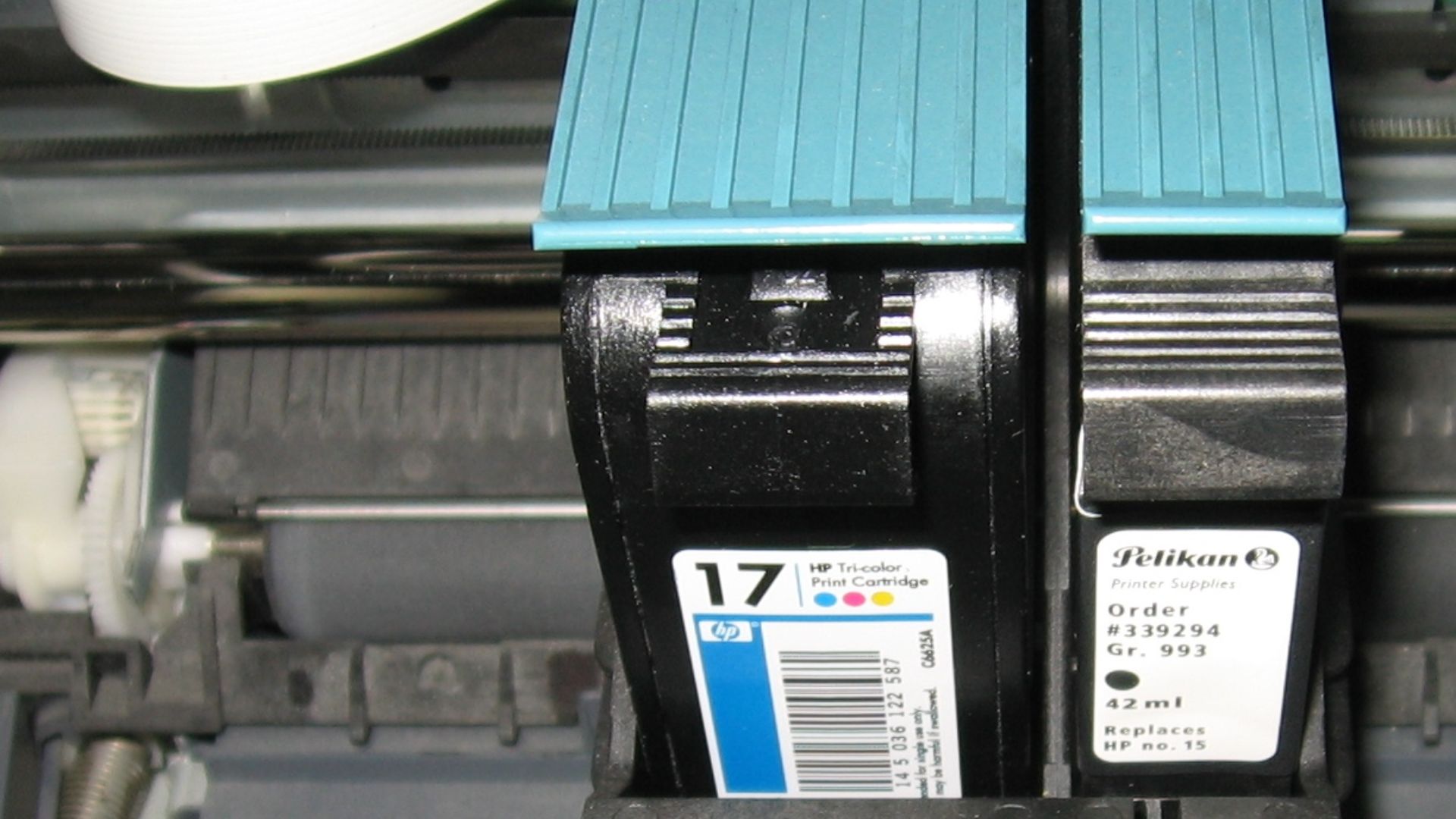
Printer ink used to mean buying a cartridge whenever the old one ran dry. HP Instant Ink turns that errand into a subscription based largely on how many pages you print each month, with replacement supplies handled through the program.
Remote Start And Car Controls
Toyota shows how a purchased car can now carry optional recurring digital services. Its connected-service plans include Remote Connect on eligible vehicles, with app-based vehicle controls bundled into monthly plans alongside features such as integrated streaming or connected navigation.

In-Car Maps, Traffic And Streaming
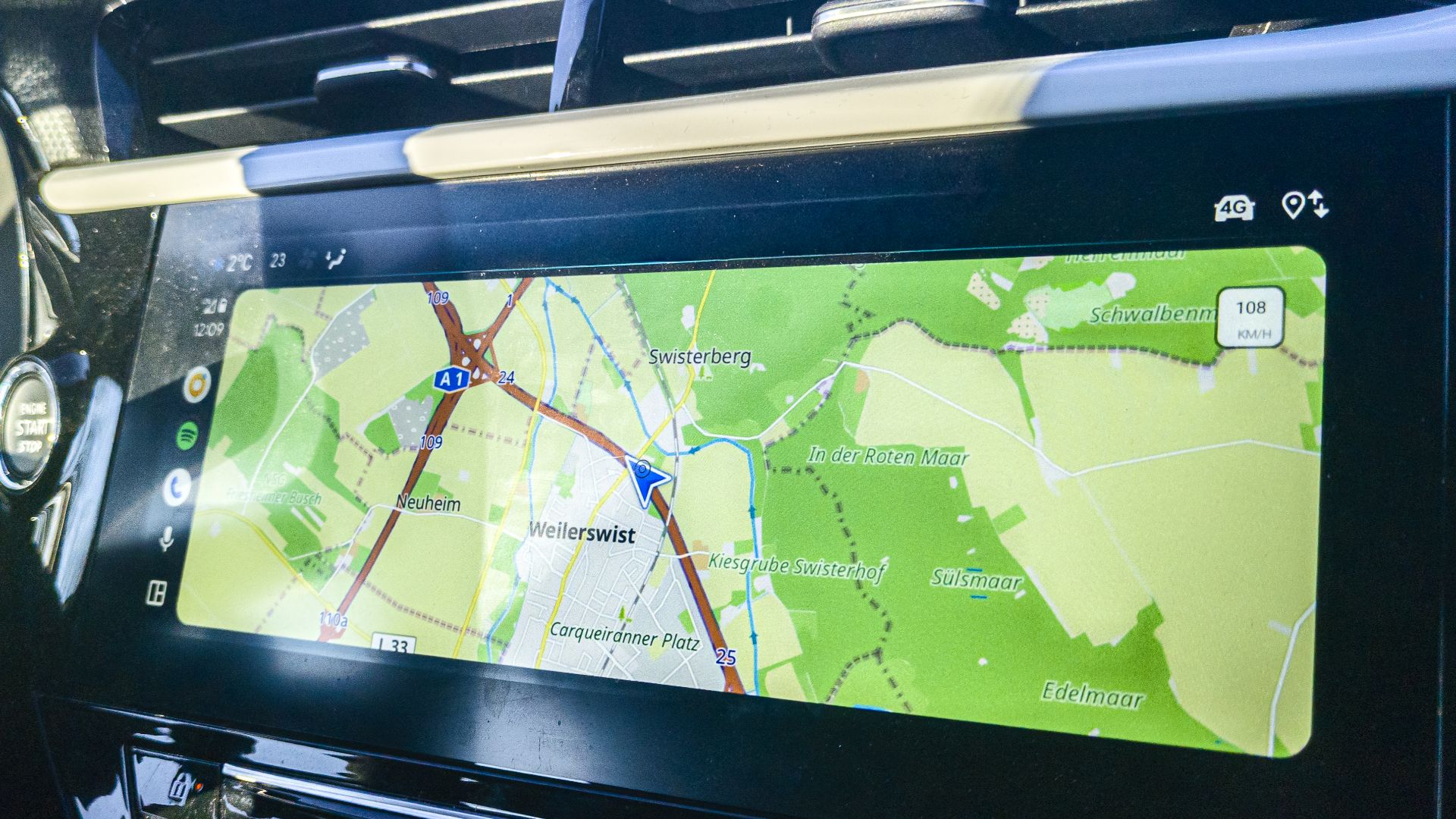
Tesla includes basic connectivity, but Premium Connectivity is a recurring subscription. It adds cellular access for features such as live traffic, satellite maps, streaming media, browser use, weather information, and certain remote camera functions.
 Raimond Spekking, Wikimedia Commons
Hands-Free Highway Driving
Advanced driver-assistance features are another frontier for subscriptions. Ford’s BlueCruise can be purchased as an annual or monthly plan on equipped vehicles, although Ford also offers a one-time purchase option. Ownership and subscription pricing now compete side by side.

A Designer Closet
Rent the Runway offers monthly plans that let subscribers rotate through items from hundreds of brands instead of buying each piece outright. It may be the clearest ownership-versus-access example: more variety, less permanence, and another recurring charge.

You May Also Like:
Common Checkout Charges Consumers Ignore Until They Add Up
Robinhood Can Get You Addicted To Spending Your Money, Says Lawmaker
Why More Gen Xers Are Realizing Social Security May Be Their Retirement Plan