

An Unexpected Worry
The inheritance is in the bank. Then someone mentions the $10,000 rule, and suddenly that deposit feels like a mistake. Could receiving money from a parent really cause a problem? Well…

That Number Sounds Like A Limit
People talk about $10,000 as though it’s the most anyone can deposit without getting into trouble. That makes a $14,000 inheritance sound suspicious before anything has even happened. But the actual rule starts with a question people often forget to ask.
 Towfiqu ahamed barbhuiya, Shutterstock
What Actually Went Into The Account?
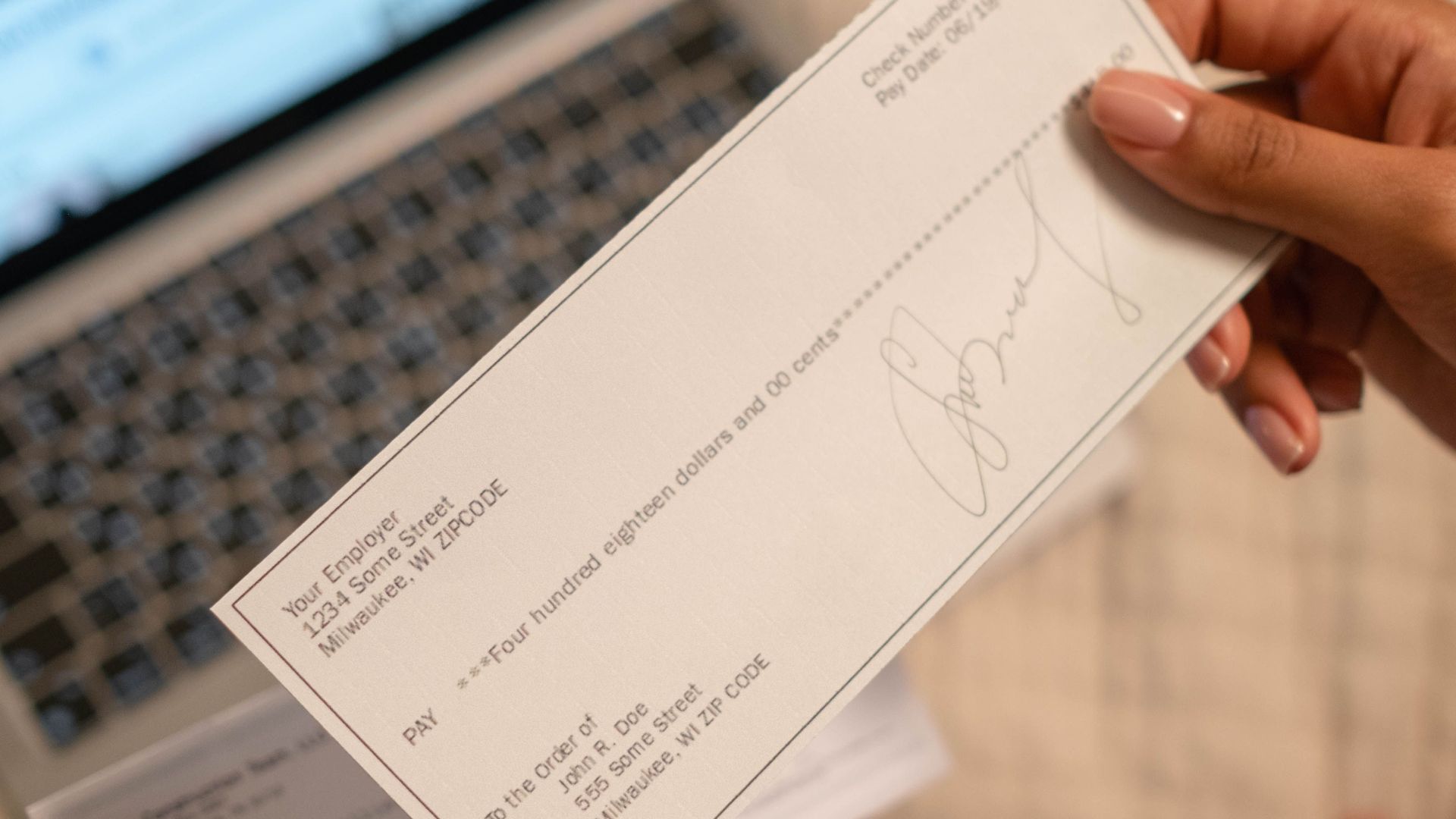
A check from the executor, an electronic transfer, and an envelope containing $14,000 in bills all increase the account balance by the same amount. But federal banking rules do not treat them all alike. Here, the form of the payment makes a considerable difference.
Actual Cash Is Different
If the inheritance arrived as $14,000 in physical cash, depositing it would generally require the bank to file a Currency Transaction Report, or CTR. Being an inheritance does not create a special exemption. But what that report actually means is another matter.

The Bank Does The Reporting
The bank files the CTR with the Financial Crimes Enforcement Network, known as FinCEN. The customer does not normally prepare it. The bank may request identification and personal information to complete the report, even from someone who has held an account there for years.
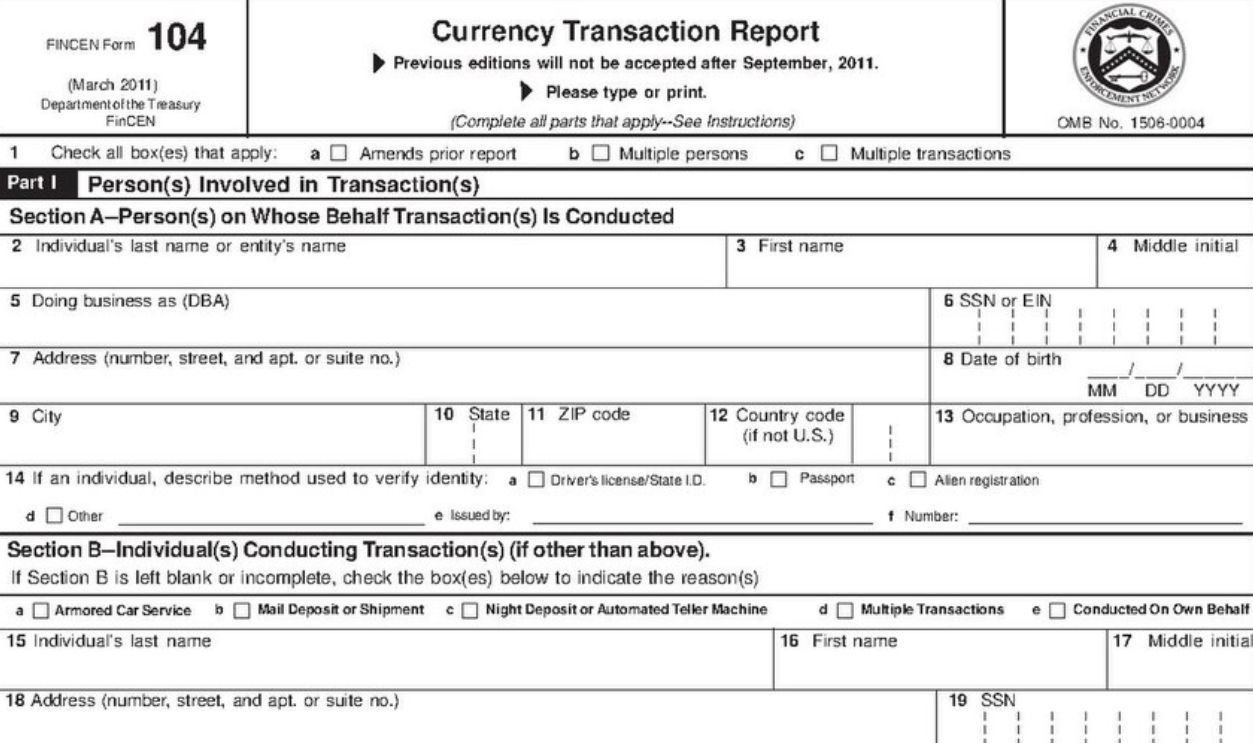 US Federal Government, Wikimedia Commons
Reported Does Not Mean In Trouble
A CTR records a qualifying cash transaction for federal financial-crime monitoring. It is not an accusation, a tax bill, or an automatic investigation. Legitimate inheritances can generate these reports. But that still leaves the question of what happens when the inheritance arrives another way.

Now About That Check
A $14,000 check from the executor does not, by itself, trigger this cash-reporting requirement. Neither does an electronic transfer between accounts. Cashing the check and then depositing the bills is different, because those transactions involve physical currency. That answers the banking question—but the tax question depends on what the inheritance actually represents.

The Tempting Workaround
Depositing $7,000 now and another $7,000 later might sound like an easy way around the rule. But deliberately breaking up cash transactions to avoid reporting is called structuring. It can be illegal even when every dollar came from a completely legitimate inheritance.

Different Days Do Not Fix That
Deliberately spreading cash deposits across different days to avoid reporting can still be illegal. Banks also generally combine cash deposits they know are by or on behalf of the same person when they exceed $10,000 during one business day, including deposits at different branches of the same bank.

There Is Nothing To Undo
Someone who already deposited a legitimate $14,000 inheritance does not need to withdraw it and try again in smaller amounts. A required cash report is routine compliance. Moving the money around to escape reporting could create the very problem the original deposit did not.

But What About The IRS?
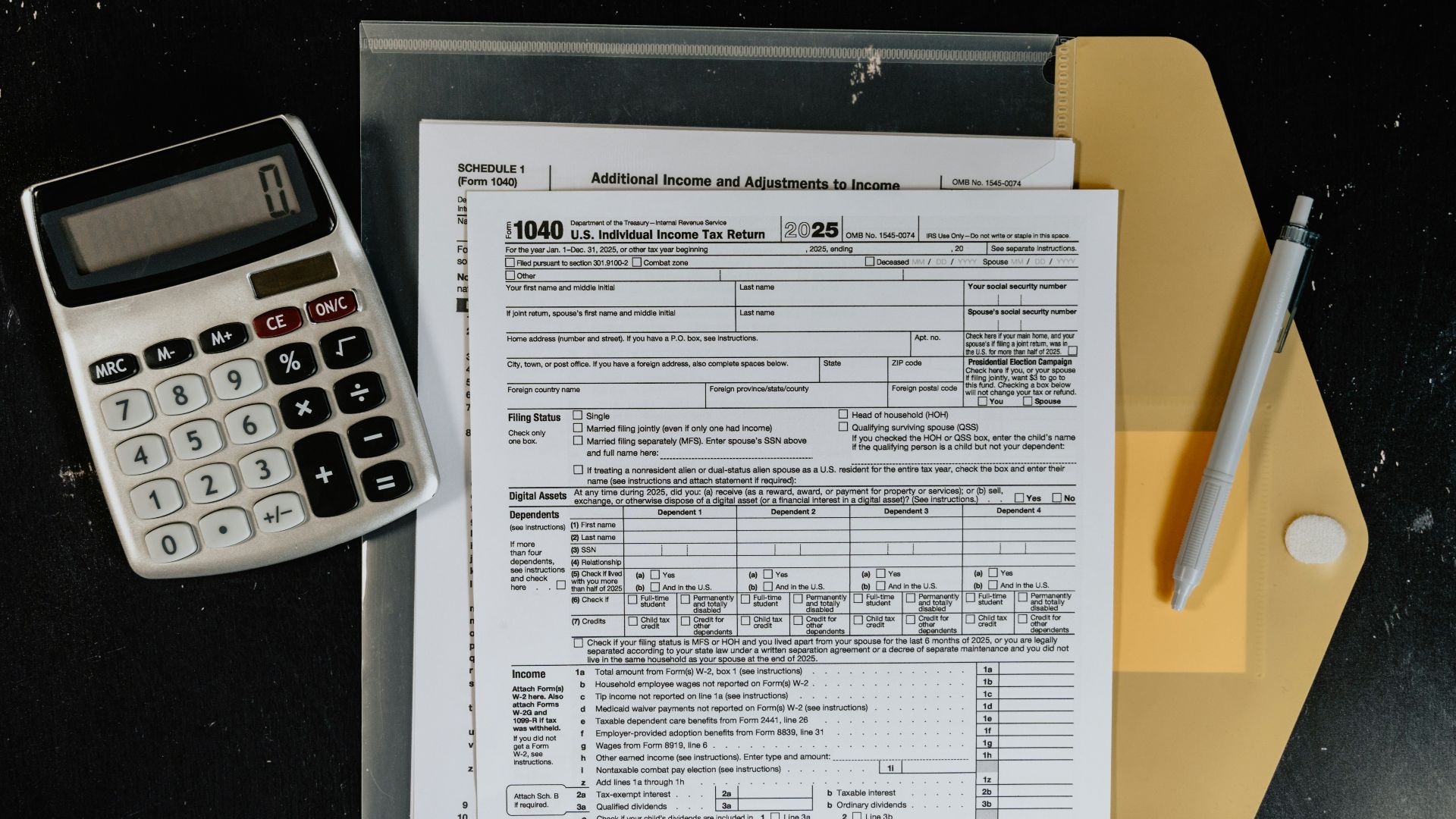
Getting the banking question settled still leaves the worry behind it: does receiving $14,000 mean owing tax? Under federal income-tax rules, an ordinary inheritance generally is not taxable income. Depositing the money does not change that. However, “ordinary inheritance” is an important distinction.
 G. Edward Johnson, Wikimedia Commons
The Extra $4,000 Is Not Suddenly Taxable
There is no federal income-tax rule making the first $10,000 of an ordinary inheritance tax-free and the remaining $4,000 taxable. That banking threshold does not divide inherited money into taxable and untaxable portions. The tax treatment depends on what was received, rather than the deposit crossing that line.

Estate Tax Is A Separate Question
Federal estate tax concerns the transfer of a deceased person’s estate and generally is handled by the estate when applicable. Whether it applies depends on the overall estate and other relevant factors. A beneficiary depositing a $14,000 inheritance does not, by itself, trigger that tax.

The State Can Have Different Rules
Federal income-tax treatment is not the entire story. Some states impose inheritance taxes, with exemptions and rates depending on the relationship to the deceased and other details. The father’s state of residence can matter, even when the beneficiary lives somewhere else.
Being His Child Does Not Always Exempt It
Pennsylvania, for example, generally taxes transfers to adult children at 4.5%, subject to applicable exemptions. That does not mean this particular inheritance owes Pennsylvania tax. It shows why the executor should confirm whether state inheritance tax applies and whether it has already been paid or accounted for.
 Farragutful, Wikimedia Commons
Check What The Estate Actually Paid
An estate can distribute taxable income to beneficiaries, but a fixed $14,000 bequest paid in one lump sum generally does not carry that income through to the recipient. That differs from inheriting a share of the remaining estate. If a Schedule K-1 arrives, confirm what it reports with the executor.

Retirement Money Has Its Own Rules
An inherited traditional IRA or similar retirement account can involve taxable distributions, even though it came from a parent. That is a different situation from an ordinary cash bequest under a will. If retirement money was involved, confirm its treatment before assuming the entire payment is tax-free.
 Vitalii Vodolazskyi, Shutterstock
What The Money Earns Later Matters
Put an ordinary inheritance into a savings account, and the interest it earns generally is taxable. The original $14,000 may be excluded from federal taxable income while $300 of later bank interest is reportable. Receiving the inheritance and earning money from it are separate events.

Keep More Than The Will
Save the executor’s distribution letter, any relevant estate accounting, the check image or transfer confirmation, and the bank’s deposit record. These help establish where the money came from and what the payment represented. The will alone may not explain everything included in the deposit.

A Bank Question Is Not An Accusation
Banks can ask about a transaction’s source or review unusual activity regardless of whether it exceeds $10,000. If asked, explain that the payment was an inheritance and provide the available records. Crossing that threshold is not the only reason a bank might request information.

The Deposit Was Not The Mistake
A legitimate $14,000 inheritance can generally be deposited all at once. Physical cash may require a bank report; a check or electronic transfer does not trigger that particular requirement. Confirm the payment’s tax treatment with the executor, but there is no need to make the inheritance look smaller than it was.

You Might Also Like:
My husband says we should stop saving for college because the kids can borrow. Is he right?