
The Little Charges Hiding In Plain Sight
A few dollars at checkout rarely feels like a financial emergency. That is exactly why these charges are so effective at quietly draining a budget. From delivery fees to ticket surcharges, modern shopping is packed with small add-ons that seem harmless individually—but look surprisingly expensive when you total them over a year.
Delivery Fees
Ordering dinner from the couch feels wonderfully convenient until the delivery charge appears. Five or six dollars may not seem outrageous, but doing that twice a week can cost hundreds annually. And remember, the delivery fee often does not include the driver's tip, making convenience even more expensive.

Service Fees
The mysterious "service fee" has become a checkout regular. Restaurants, delivery apps, ticket sellers, and other businesses may tack one onto your bill. The problem is that consumers often focus on the advertised price instead of the final total, meaning a modest-looking purchase becomes noticeably less modest at checkout.
Convenience Fees
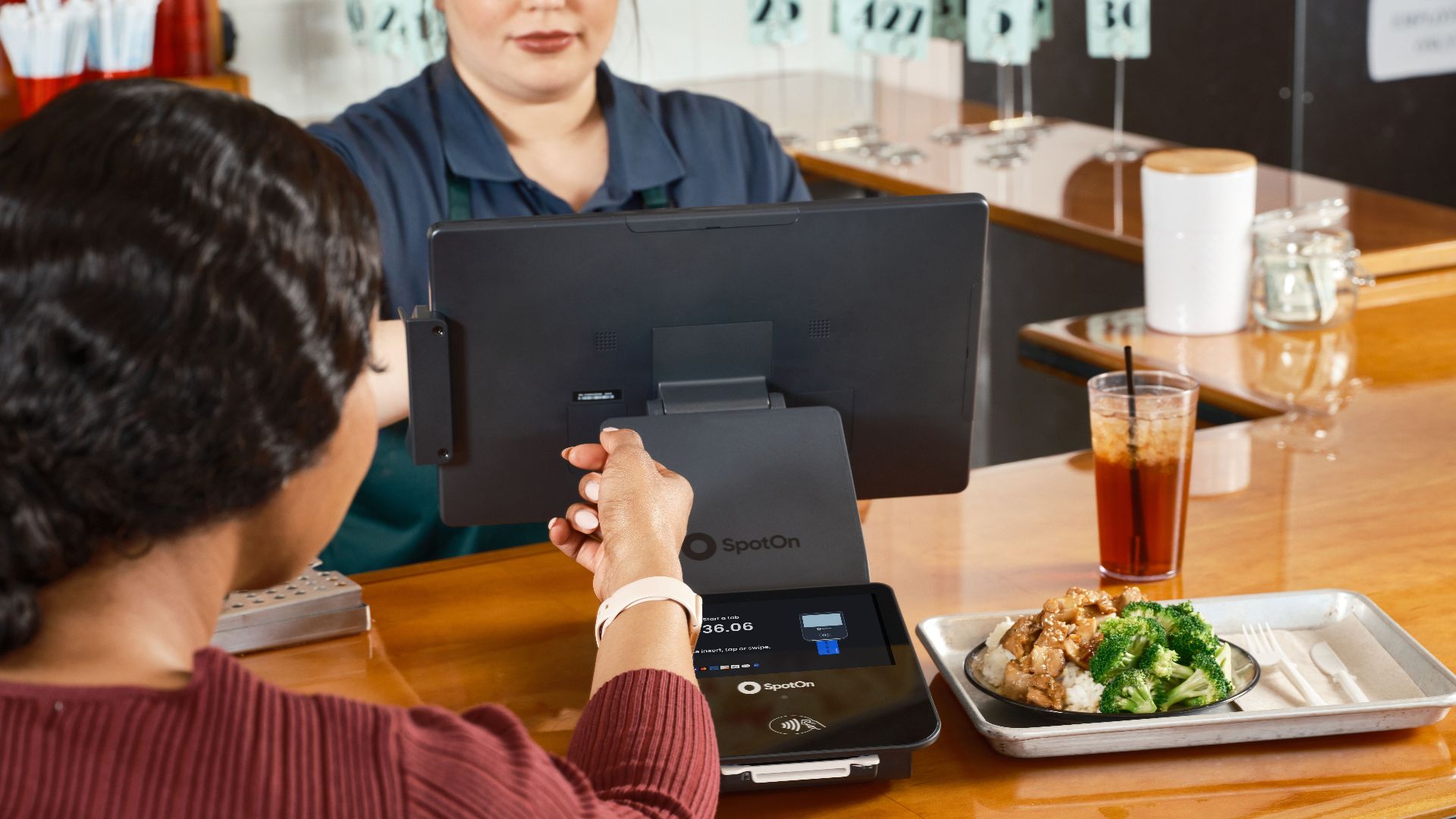
Nothing says convenience quite like paying extra for the privilege of giving someone your money. Convenience fees commonly appear when paying bills online, purchasing tickets, or using certain payment methods. A $3 charge sounds forgettable, but recurring monthly payments can turn that small inconvenience into a meaningful yearly expense.
Credit Card Surcharges
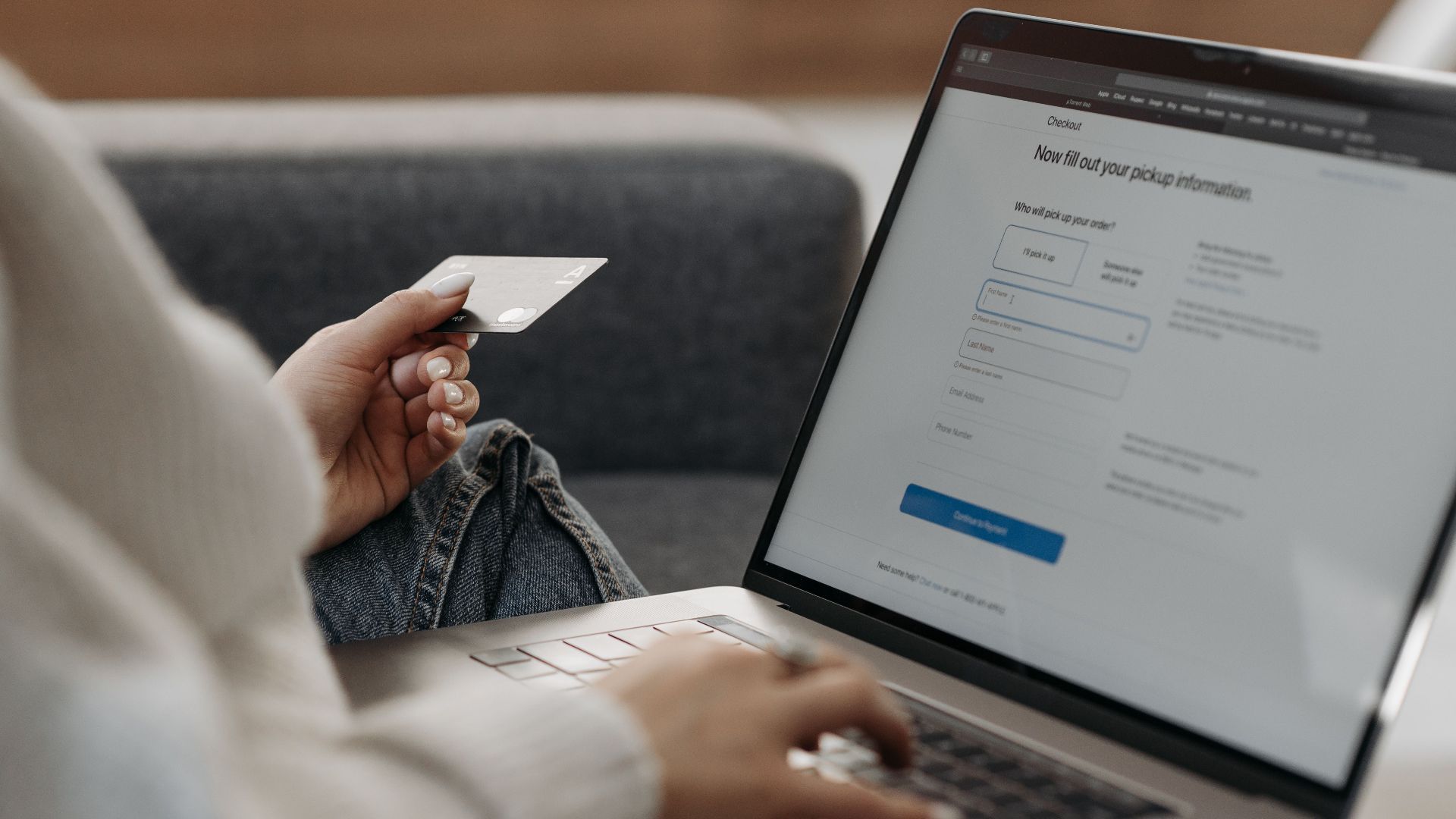
Some merchants charge customers extra for using a credit card, especially where regulations allow businesses to pass processing costs along. Paying another 2% or 3% barely registers on a small purchase. Apply it repeatedly to bigger expenses, however, and suddenly those rewards points do not look nearly as rewarding.

Ticket Processing Fees
Concert tickets provide one of the clearest lessons in checkout inflation. You find a ticket at an acceptable price, click through, and discover processing fees, facility charges, and assorted extras. The final price can look dramatically different from the number that persuaded you to buy in the first place.

Resort Fees
Hotel guests have learned that the room rate is sometimes only the opening act. Resort or destination fees can cover amenities such as Wi-Fi, pools, fitness centers, or other services you may never use. When comparing hotels, always compare the complete nightly cost rather than simply trusting the headline rate.

Hotel Parking Charges
That surprisingly reasonable hotel can become less reasonable once you discover parking costs $30, $40, or more each night. Travelers arriving by car sometimes forget to check parking prices before booking. Over a week-long vacation, that overlooked checkout expense can rival the cost of another night's accommodation.

Airline Seat Selection Fees
You bought a plane ticket, but apparently choosing exactly where to sit can be another transaction entirely. Seat assignment charges may seem relatively small during booking, especially beside the ticket price. Families paying for several travelers can discover that sitting together adds a substantial amount to their vacation budget.

Airline Baggage Fees
Many travelers have become accustomed to baggage fees, which may be precisely why they are easy to underestimate. One checked bag in each direction for multiple family members can add hundreds of dollars. Before booking, compare the total travel cost—including luggage—rather than choosing a flight based solely on airfare.

Food Delivery Markups
Delivery apps can cost more than the obvious delivery and service charges. Menu prices themselves may sometimes be higher than ordering directly from the restaurant. That means you could pay a markup before the checkout fees even appear. Comparing the app price with the restaurant's direct price can reveal the real convenience premium.
Small Order Fees
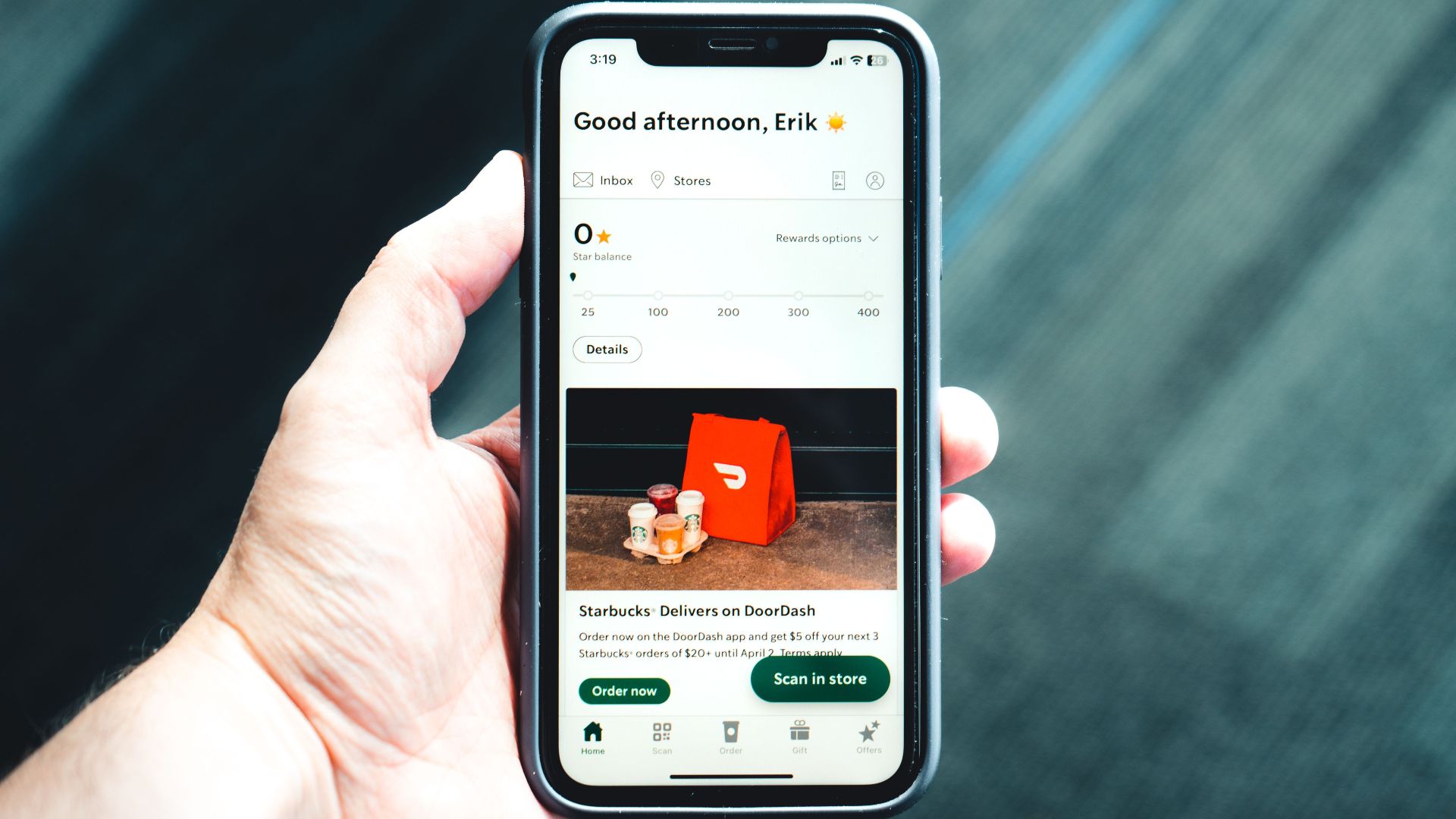
Ordering one sandwich or a couple of grocery items can trigger a small-order fee. The irony is that shoppers sometimes add things they never intended to buy simply to avoid paying it. Spending another $15 to escape a $4 fee is not exactly the money-saving victory it initially appears to be.

Grocery Delivery Fees
Online grocery shopping can save time, gasoline, and impulse purchases, but convenience still has a price. Delivery charges, service fees, tips, and minimum-order requirements can quickly stack up. Someone ordering groceries every week should calculate the annual cost of those extras instead of treating each week's charge as insignificant.

Subscription Shipping Charges
Subscriptions are supposed to simplify life, but not every recurring delivery includes free shipping. Coffee, meal kits, pet supplies, and specialty products can carry shipping charges every billing cycle. Because the purchase happens automatically, consumers may stop noticing the fee entirely—which is exactly how small recurring expenses become expensive habits.

Foreign Transaction Fees
Travelers buying meals, hotel rooms, or souvenirs abroad can face foreign transaction fees from some cards. A few percentage points on each purchase may not feel painful while you're enjoying vacation. After dozens of transactions, however, those fees can become one expensive souvenir nobody remembers intentionally buying.

ATM Fees
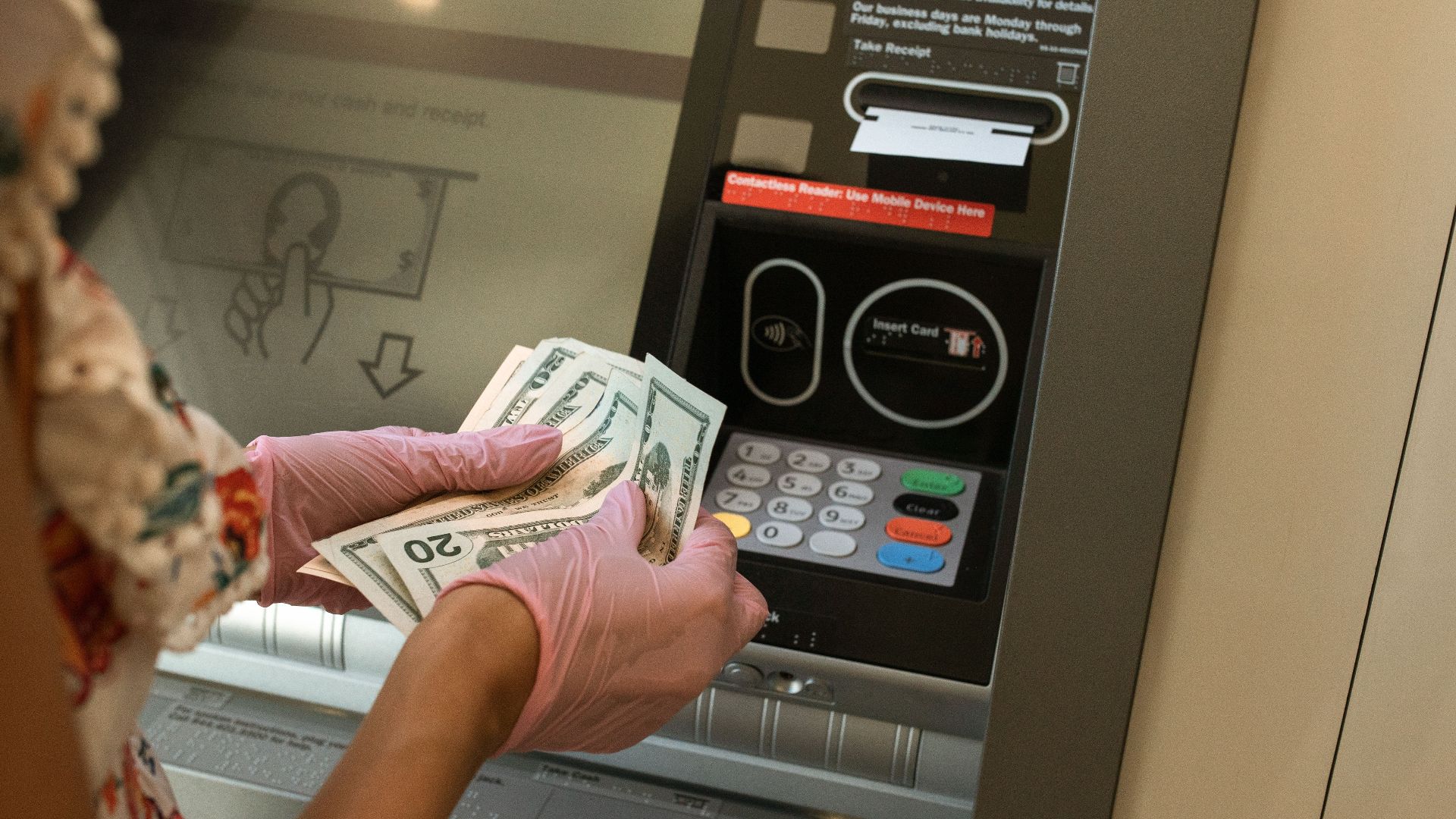
Need $40 in cash? The ATM may happily give it to you—for a price. Depending on your bank and the machine operator, you could face more than one fee. Paying several dollars to withdraw relatively small amounts repeatedly creates an especially ugly percentage cost, so planning cash withdrawals can help.
Buy Now, Pay Later Charges
Buy now, pay later services often advertise interest-free payments, but that does not mean every arrangement is cost-free. Late fees or other charges may apply depending on the provider and plan. More importantly, juggling several installment purchases can make it remarkably easy to lose track of what you're actually spending.

Late Payment Fees
Late fees are especially frustrating because they buy you absolutely nothing. Miss a credit card, utility, subscription, or loan deadline and a small oversight can become an expensive mistake. Automatic payments or calendar reminders can eliminate many of these charges without requiring any painful changes to your everyday lifestyle.
Returned Payment Fees
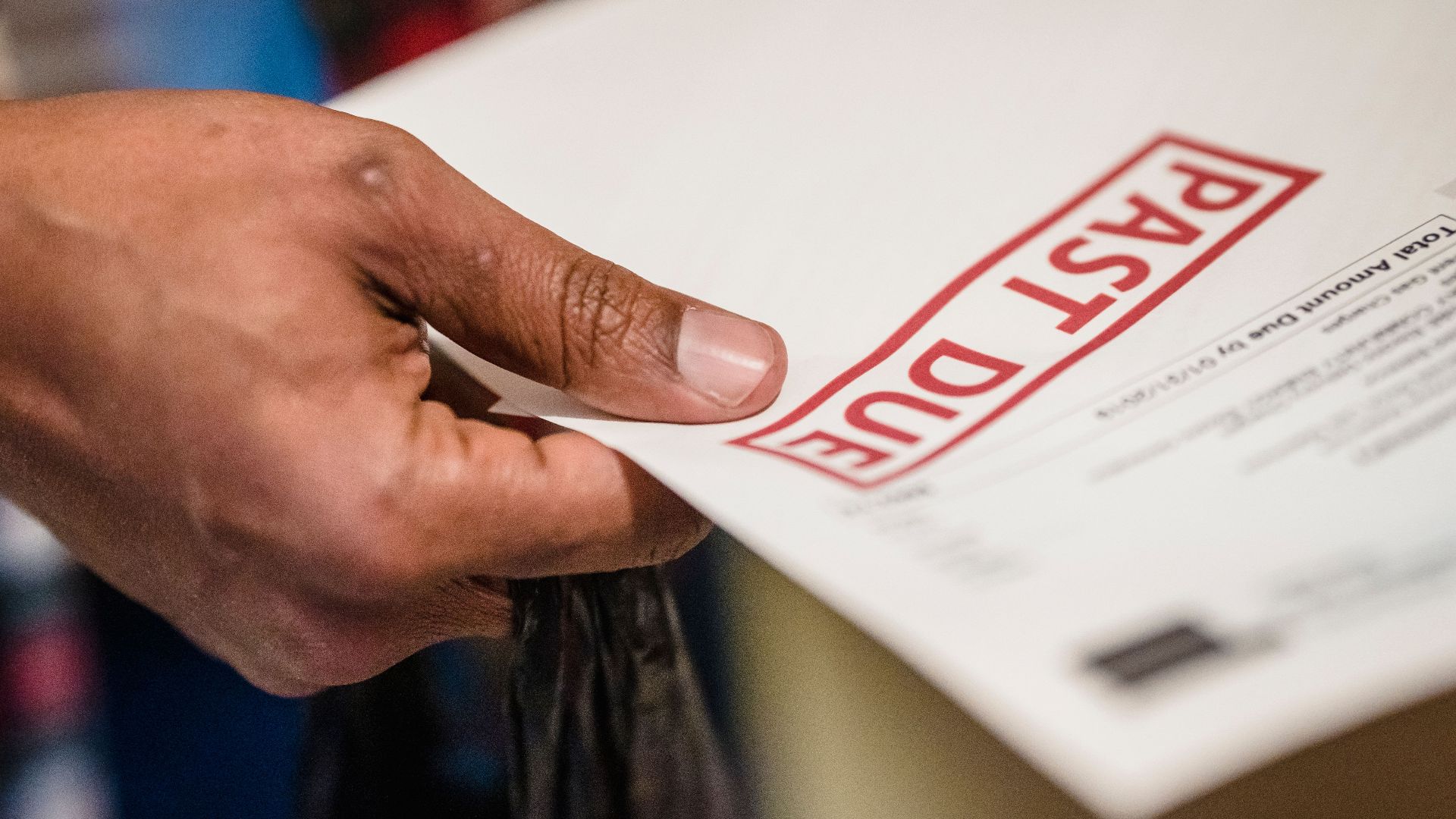
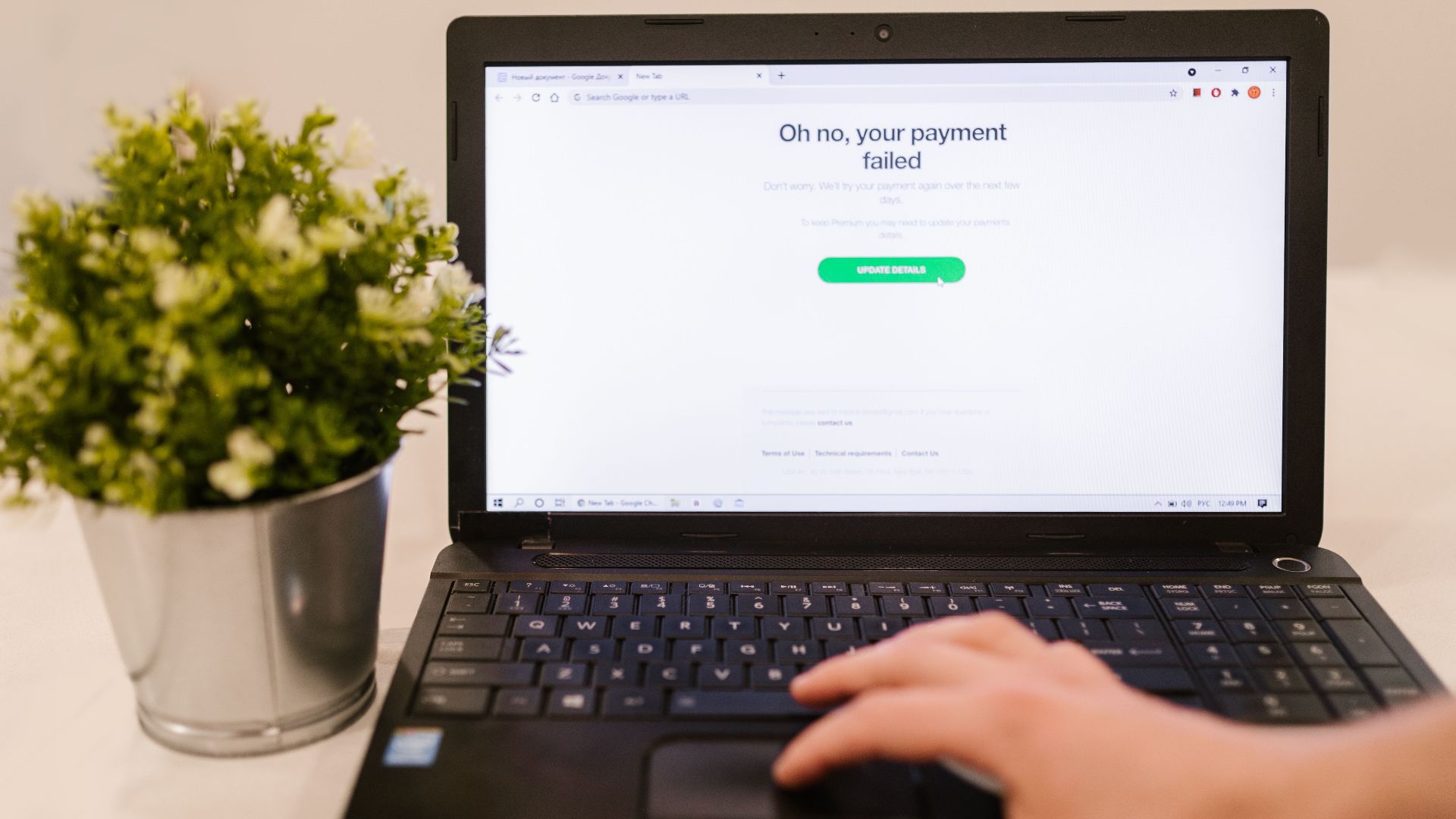
When a payment fails because there is not enough money in an account, the consequences can pile up quickly. The company receiving the payment may charge you, and your financial institution could potentially impose its own fee. One badly timed transaction can therefore create several expenses from one simple mistake.
Online Marketplace Fees
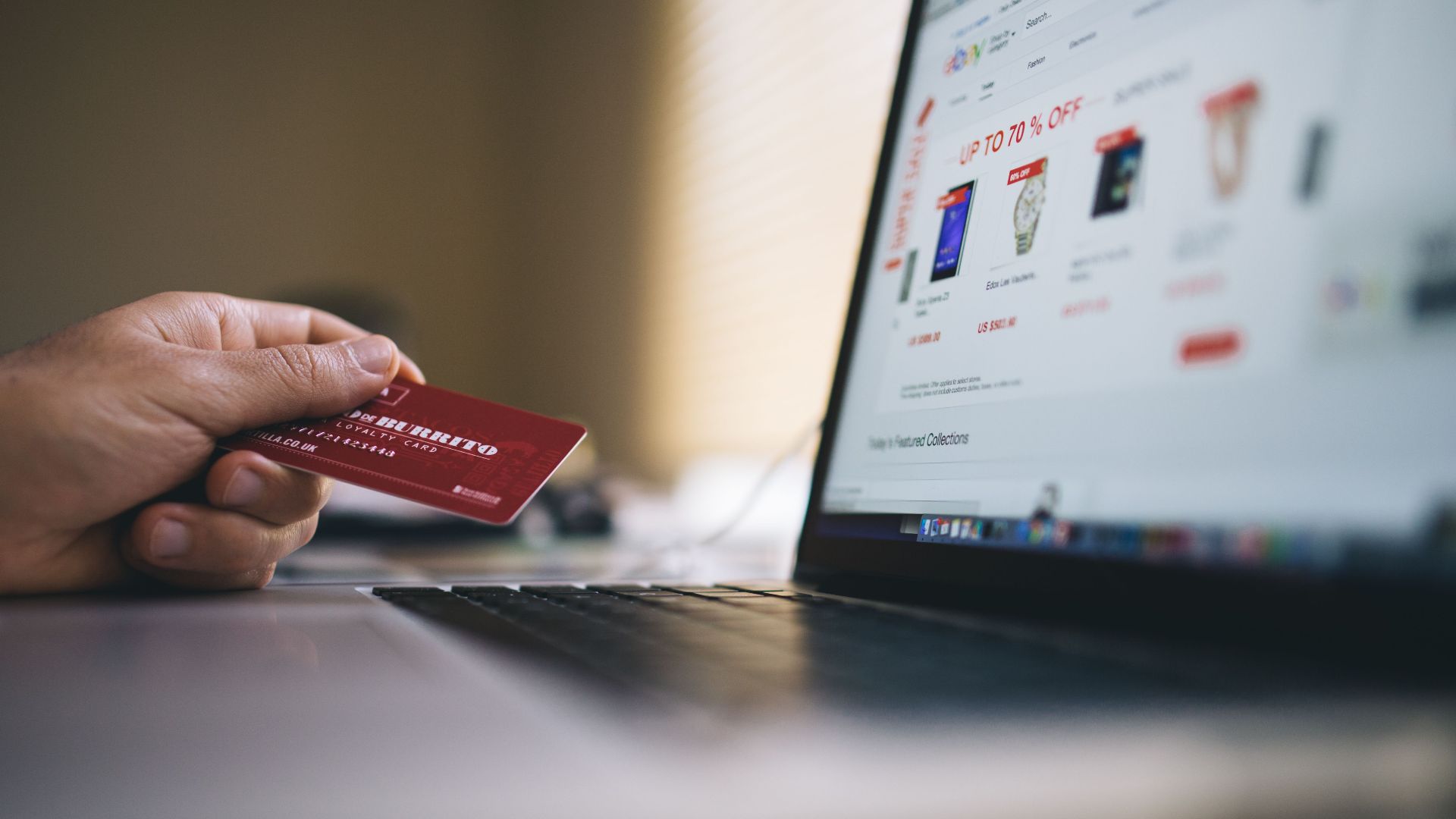
Online marketplaces are wonderfully easy places to buy things—and sometimes remarkably complicated places to understand the final price. Shipping, buyer protection, platform charges, taxes, and other additions may appear late in the process. Before pressing "Buy," ignore the tempting listing price and concentrate entirely on the final checkout total.

Event Parking Fees
Tickets are purchased, dinner reservations are made, and then comes the forgotten expense: parking. Stadiums, arenas, concerts, fairs, and festivals can charge serious money for nearby spaces. Budgeting only for admission and food means the parking charge arrives like an unpleasant surprise before the entertainment even begins.
Rental Car Extras
The attractive daily rental price can balloon once extras enter the picture. Additional drivers, toll programs, fuel plans, insurance products, child seats, and airport-related charges may all affect the total. Some extras are useful, but the key is deciding deliberately instead of casually accepting everything offered at the counter.

Automatic Tips
More checkout screens now suggest gratuities automatically, sometimes beginning at percentages higher than shoppers traditionally expected. Tipping remains a personal and cultural decision, but customers should still look at the screen carefully. A suggested amount is exactly that—a suggestion, not necessarily a compulsory addition to every transaction.

Extended Warranties
You're about to leave with a new television, appliance, or gadget when the cashier offers extended protection. The extra cost often seems small compared with the item itself. Before agreeing, check the manufacturer's warranty and any coverage already provided by your credit card. Paying twice for similar protection helps nobody.

Minimum Purchase Traps
Sometimes shoppers need to spend a certain amount to receive free shipping, a discount, or another perk. That can encourage someone with $42 in their cart to spend $60 to "save" $8. Checkout thresholds are useful when you genuinely need more items, but dangerous when they persuade you to invent purchases.
The Annual Total Changes Everything
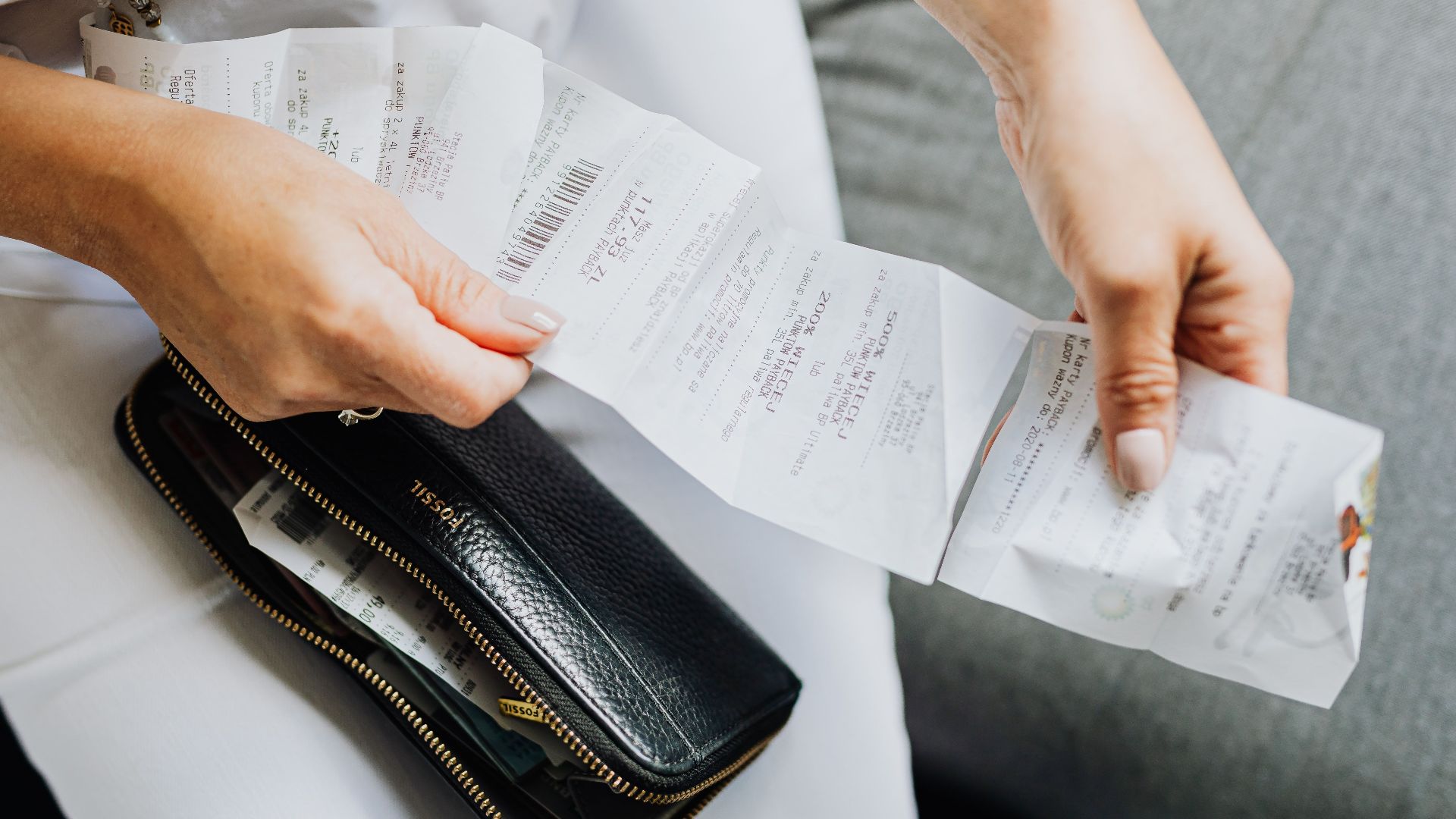
The easiest way to judge checkout charges is to stop thinking transaction by transaction. A $5 weekly fee is roughly $260 a year. A $10 charge twice monthly is another $240. Multiply this habit across food, travel, entertainment, and shopping, and suddenly forgettable extras become an entire monthly bill.
 https://kaboompics.com/, Pexels
Make The Final Price Your Real Price
Checkout fees are not always unreasonable, and sometimes paying for convenience is absolutely worth it. The danger comes from mentally ignoring those extras. Train yourself to judge purchases by the final amount leaving your account, not the attractive price that first caught your eye. Your budget will become considerably harder to fool.
 https://kaboompics.com/, Pexels
You May Also Like:
Everyday Fees Middle-Class Americans Pay Without Even Realizing How Much They Add Up