The Charges Hiding In Plain Sight
You can carefully budget for groceries, housing, transportation, and entertainment and still watch money disappear through dozens of smaller charges. The frustrating part is that many of these charges arrive after you have already committed mentally or financially to the transaction. That makes understanding the fees, rather than simply accepting it, one of the easiest ways to protect a household budget.
The Checking Account That Is Not Really Free
Some checking accounts charge monthly maintenance fees unless customers meet requirements such as maintaining a minimum balance or receiving qualifying direct deposits. Bankrate reported in 2025 that 47 percent of non-interest checking accounts in its survey had no monthly maintenance fee, which means genuinely fee-free alternatives remain widely available. Before paying a bank every month simply to hold your money, compare the account's fee schedule with competing banks and credit unions.

One Overdraft Can Cost More Than Dinner
Overdraft fees remain a painful example of how a small cash-flow mistake can become expensive. Bankrate's 2024 survey put the average overdraft fee at $27.08, while CFPB data show banks still collected $5.8 billion in overdraft and nonsufficient-funds revenue during 2023. Balance alerts, low-balance notifications, and accounts with no overdraft fee can make a significant difference for people whose checking balances occasionally get tight.

An ATM Can Charge You Twice
Using an ATM outside your bank's network can produce a charge from the ATM owner and another fee from your own financial institution. Bankrate's 2024 survey found that the average combined cost of an out-of-network ATM withdrawal reached $4.77. Using your bank's ATM locator before withdrawing cash is an easy way to avoid paying several dollars simply for accessing your own money.
 Centre for Ageing Better, Pexels
Credit Card Late Fees Add Up Fast
Missing a credit card due date can trigger more than a warning email. CFPB data show major issuers assessed about $17 billion in late fees during 2024, up roughly 13 percent from 2022. Automatic minimum payments can provide a useful safety net, although paying the statement balance in full when possible is still the better strategy for avoiding interest.

Annual Fees Need To Earn Their Keep
An annual credit card fee can make sense when rewards and benefits reliably exceed its cost, but the math should be checked every year. The CFPB found that annual fees collected by major issuers reached $8.7 billion in 2024, while only about 16 percent of accounts in its large-issuer dataset carried one. If you are not using the lounge access, statement credits, insurance benefits, or rewards that justified the card, a no-fee alternative may leave you better off.
Balance Transfers Are Not Actually Free
A zero-percent balance-transfer offer can save substantial interest, but transferring the debt itself usually costs money. Among the 25 largest credit card issuers, the CFPB found an average balance-transfer fee of 4.3 percent during the second half of 2024, with an average minimum fee of $5.51. Compare the transfer fee with the interest you expect to save before moving the balance.

Cash Advances Can Be Shockingly Expensive
Taking cash from a credit card is fundamentally different from making an ordinary purchase. The CFPB found that major issuers commonly charged the greater of $10 or 5 percent in the card agreements it reviewed, and cash advances typically began accruing interest immediately. A debit-card withdrawal, emergency savings, or another lower-cost borrowing option can therefore be far cheaper.
Even Paper Statements Can Carry A Price
Some credit card issuers have begun charging customers who prefer mailed statements. The CFPB reported that several issuers notified cardholders in 2024 of paper-statement fees ranging from $2 to $5.99. Anyone who still receives paper statements should check recent account notices, particularly when a card's terms have changed.
Mortgage Closing Costs Are A Second Price Tag
The down payment is not the only pile of cash a homebuyer needs to consider. The CFPB lists appraisal charges, title insurance, tax-service fees, government taxes, prepaid property taxes, homeowners insurance, and interest among costs that can appear at closing. Comparing the Loan Estimates from multiple lenders can reveal differences that matter even when the advertised mortgage rates look similar.

A Lender Credit Is Not Free Money
A lender may offer to cover part of a buyer's closing expenses, but that assistance usually has a cost somewhere else. The CFPB says lender credits can be offset through a larger loan amount or a higher interest rate, while seller credits can also be reflected in the negotiated purchase price. Look at the entire transaction rather than treating the upfront credit as a giveaway.

Apartment Hunting Has Its Own Toll Booth
Renters can spend money before they ever receive the keys. Zillow's 2024 renter survey found that the typical application fee for a renter's current home was $50, and the typical recent renter who submitted applications completed two of them. Asking whether an application fee is refundable or reusable before applying can prevent repeated charges during a competitive search.

Internet Bills Deserve A Nutrition Label
Internet plans can include equipment charges, installation costs, introductory pricing, late-payment fees, and early-termination charges in addition to the advertised monthly rate. FCC broadband labels require providers to disclose the retail monthly price, introductory and post-introductory pricing, recurring provider fees, and certain one-time charges. Comparing those labels instead of headline promotional prices gives households a clearer picture of what service will actually cost.

Promotional Rates Eventually Become Real Rates
A cheap introductory internet price can be attractive precisely because customers tend to remember the first number they saw. FCC broadband-label rules require providers using introductory pricing to show the rate that applies after the promotional period ends. Put the expiration date on your calendar so the higher bill becomes a decision point instead of a surprise.

Equipment Rentals Can Become Permanent Expenses
A modem or router rental looks small when viewed as a monthly line item, but recurring charges accumulate for as long as the service stays active. FCC broadband labels specifically require disclosure of provider-imposed recurring fees and one-time equipment charges where applicable. If your provider allows customer-owned equipment, compare the purchase price with the rental cost over the period you expect to keep the service.

Airline Tickets Are Only The Starting Price
Buying a seat on an airplane does not necessarily buy every service you expect to use on the trip. The Transportation Department identifies checked bags, advance seat selection, onboard Wi-Fi, food, pet transportation, priority services, and other features as optional services for which airlines may charge. Compare the price of the trip you will actually take, including the extras you need, rather than choosing solely by the lowest base fare.

Baggage Fees Reward Planning Ahead
Airlines are required to provide passengers with information about baggage and optional-service charges, and overweight or oversized bags can carry additional costs. That makes baggage rules worth checking before arriving at the airport with a suitcase that exceeds the carrier's limits. A few minutes with the airline's baggage page can prevent an unexpectedly expensive check-in counter conversation.

Paying For A Seat Is Often Optional
Airlines may sell advance seat assignments even though purchasing transportation already entitles the passenger to travel on the flight. DOT identifies advance seat selection as an optional airline service, alongside items such as Wi-Fi and checked baggage. Travelers who do not care where they sit can check the fare conditions before automatically paying to choose a seat.

Unused Airline Extras May Be Refundable
Optional travel fees sometimes outlive the service they were supposed to buy. DOT says passengers are entitled to refunds for certain ancillary services when the airline fails to provide the service through no fault of the traveler, such as unavailable paid Wi-Fi or another purchased service. Keep receipts for travel extras so you can request money back when something you paid for was never delivered.

Hotel Resort Fees Have Not Disappeared
Mandatory hotel fees once made it difficult to compare a room's advertised rate with its actual cost. Since May 12, 2025, the FTC's fee rule has required hotels, vacation rentals, and live-event ticket sellers to display mandatory charges as part of the upfront total price, although businesses can still charge the fees themselves. Consumers should therefore compare the total displayed price rather than assuming a newly visible fee has been prohibited.

Ticket Fees Are Finally Harder To Hide
Anyone who has watched a concert or sports ticket grow more expensive during checkout knows why fee transparency matters. The FTC's current rule requires live-event sellers to include unavoidable mandatory fees in the upfront advertised total and to display that total more prominently than most other pricing information. The fee can still exist, but buyers now have a better chance of comparing competing tickets using the amount they will actually have to pay.

Vacation Rental Cleaning Fees Count Too
Vacation rentals can carry mandatory cleaning or service charges in addition to the nightly rate. Under the FTC's fee rule, a mandatory cleaning charge must be included in the upfront total price rather than appearing only near the end of checkout. Comparing the total stay price is especially important for short trips, where a flat cleaning fee can represent a larger portion of the overall cost.

Car Dealer Add-Ons Can Cost Thousands
The finance office at a dealership can transform an agreed vehicle price by adding warranties, gap products, VIN etching, rustproofing, and other extras. The FTC warns that dealer add-ons can cost thousands of dollars and that buyers can usually purchase a vehicle without them. Ask for every proposed add-on and its price in writing before signing anything.

Financing An Add-On Makes It Cost Even More
When a dealership rolls an optional product into an auto loan, the buyer is borrowing the cost rather than simply paying the sticker price of the add-on. The FTC advises shoppers to ask what an add-on will cost over the life of the loan when financing is involved. That is a more useful number than the small increase in the monthly payment a salesperson may emphasize.

Subscription Charges Thrive On Inattention
Automatic renewal is convenient when you still use a service and costly when you forget it exists. The FTC defines negative-option billing as a system in which customers continue to be charged unless they take action to cancel, and the agency advises consumers to understand renewal and cancellation terms before enrolling. Reviewing recurring card and bank transactions every few months can expose services that no longer deserve space in the budget.

The Free Trial Clock Starts Immediately
A free trial can become a paid subscription automatically once the trial period expires. The FTC advises consumers to find out when a promotion ends, what the regular charge will be, and how cancellation works before providing payment information. A calendar reminder several days before renewal gives you time to decide whether the service is actually worth keeping.

Gym Memberships Can Outlast Your Motivation
Recurring gym memberships deserve the same scrutiny as streaming subscriptions. In 2025, the FTC sued LA Fitness and alleged that the company made some memberships unnecessarily difficult to cancel, while its consumer guidance advised people to investigate renewal and cancellation terms before enrolling. Save copies of cancellation requests and watch subsequent statements to make sure billing actually stops.

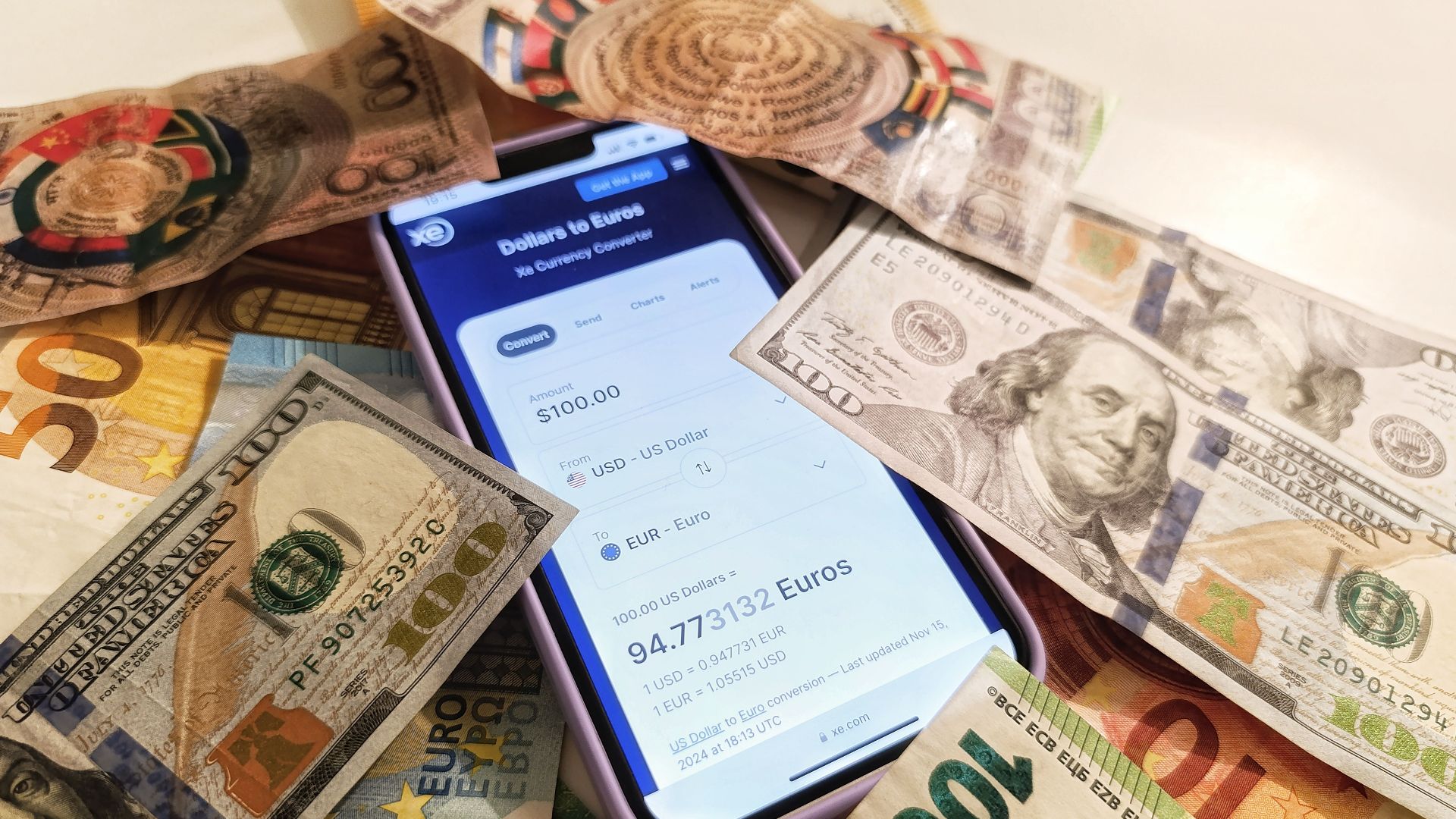
International Transfers Have More Than One Price
The visible transfer fee is not necessarily the entire cost of sending money abroad. CFPB guidance says remittance costs can involve provider fees, exchange-rate spreads, taxes, third-party charges, and in some circumstances fees deducted by the recipient's bank. Compare the amount the recipient will actually receive, not merely the fee advertised by the transfer service.
Small Fees Become A Household Expense Category
The common thread running through these charges is not that every fee is unfair or avoidable. It is that consumers often evaluate the headline price while overlooking the recurring, optional, or transaction-specific charges attached to it, which is exactly why regulators have pushed for clearer disclosures in industries ranging from broadband to hotels and ticketing. Treat fees as their own budget category, review recurring transactions regularly, and compare total prices instead of advertised prices whenever you can.

You May Also Like:
Daily Routines Of Successful People
Collectibles Now Worth Big Money
Sources: 1, 2, 3, 4, 5, 6, 7, 8, 9, 10, 11, 12, 13, 14, 15, 16, 17, 18, 19